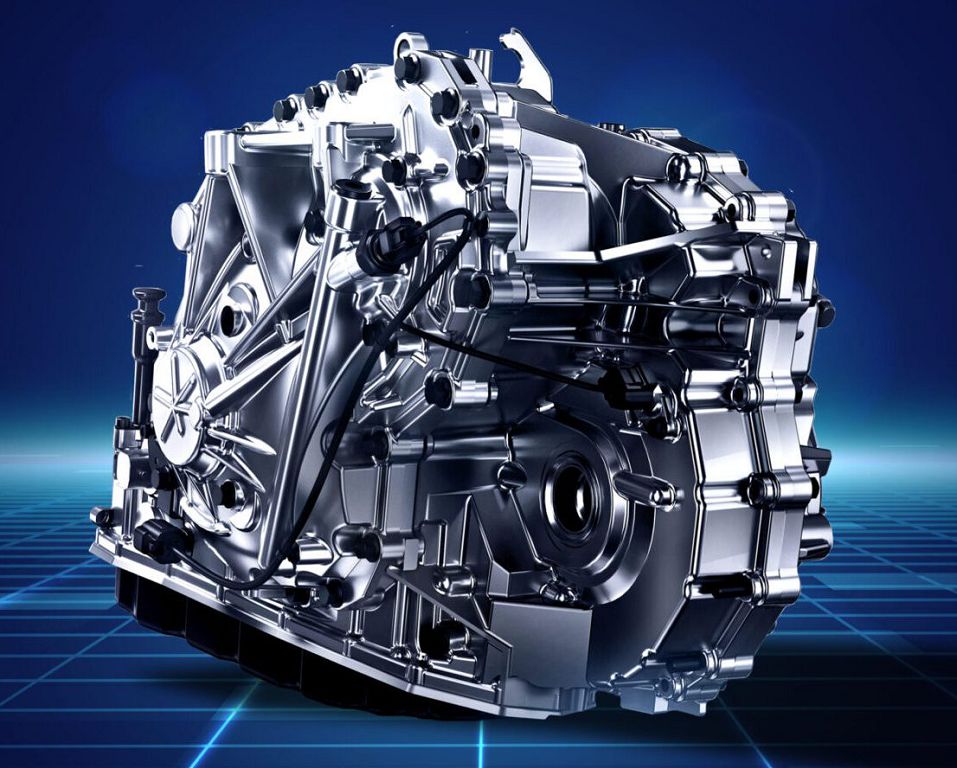
So, you’re curious about the transmissions available in the Chery Tiggo EIGHT, EIGHT Pro, and EIGHT Max? Let’s dive right in and explore the different gearbox options Chery offers for these popular SUVs. It’s a bit more complex than you might think, so pay close attention!
First off, let’s talk about the automatic transmissions. Now, when you hear «automatic,» you might immediately picture a traditional torque converter automatic. While Chery does offer this type of transmission in some Tiggo EIGHT models, it’s not the only option. The specific type of automatic transmission can vary depending on the trim level and the year of manufacture, so it’s always best to check the specifications for the exact vehicle you’re interested in. These traditional automatics are generally known for their smooth shifting and relatively simple design, making them reliable and easy to maintain. However, they might not be the most fuel-efficient option compared to other types of transmissions.
Then we have the variators, also known as continuously variable transmissions, or CVTs. These are becoming increasingly popular in many vehicles, and the Chery Tiggo EIGHT lineup is no exception. CVTs use a system of pulleys and belts to provide a continuously variable gear ratio, allowing for optimal engine performance across a wide range of speeds. This can lead to improved fuel economy, as the engine can always operate at its most efficient RPM. However, some drivers find the driving experience of a CVT to be less engaging than a traditional automatic, as the acceleration can feel less linear and sometimes even a bit rubber-bandy. The sound can also be a bit different, sometimes described as a droning sound as the engine speed changes continuously. It’s really a matter of personal preference.
Now, the key thing to remember is that the availability of these different transmissions – the traditional automatic and the CVT – can vary significantly depending on the specific model, trim level, and even the year of the vehicle. For example, a base model Tiggo EIGHT might only come with a CVT, while a higher trim level, like the Pro or Max, might offer the choice between a traditional automatic and a CVT. This is why it’s absolutely crucial to check the official Chery specifications for the exact vehicle you’re considering. Don’t rely solely on online reviews or brochures, as these can sometimes be outdated or inaccurate. Always verify the transmission type with the dealership or the manufacturer’s website.
Understanding the differences between these transmissions is important because it directly impacts your driving experience and the overall performance of your vehicle. The traditional automatic offers a more familiar and arguably more engaging driving feel, while the CVT prioritizes fuel efficiency. The best choice for you will depend on your individual priorities and driving style. So, do your research, compare the options, and choose the transmission that best suits your needs. Remember to check the specifications carefully before making a decision!
Hey everyone, let’s dive into the transmissions found in the Chery Tiggo EIGHT/Pro/Max models. We’re talking automatic gearboxes, specifically focusing on the robots and variators. Understanding these is key to knowing what you’re getting with your Tiggo.
First, let’s talk about the advantages of these transmissions. One major plus is fuel efficiency. Variators, in particular, are known for their smooth operation and ability to keep the engine in its optimal RPM range, leading to better gas mileage. This is especially noticeable in city driving where you’re constantly accelerating and decelerating. You’ll find yourself saving a decent amount on fuel compared to some older, less efficient automatic transmissions. Another advantage is the smooth driving experience. The lack of harsh shifts, especially in the variators, makes for a very comfortable ride, particularly beneficial for longer journeys. This seamless transition between gears contributes to a more relaxed and enjoyable driving experience. And finally, these transmissions are generally quite reliable, especially when properly maintained. Chery has made strides in improving the longevity and dependability of their automatic transmissions, so you shouldn’t encounter major issues if you stick to the recommended service schedule.
Now, let’s address the potential disadvantages. While fuel efficiency is a strong point, some drivers find the responsiveness of variators to be a bit lacking. That constant, almost imperceptible change in gear ratio can feel a little sluggish, especially when you need quick acceleration. This isn’t a huge issue for everyone, but it’s something to consider if you prioritize sporty handling. Another point to note is the potential for higher repair costs compared to simpler, more traditional automatic transmissions. While generally reliable, repairs on these more sophisticated systems can be more complex and therefore more expensive. This is something to keep in mind when budgeting for car ownership. Finally, some drivers report a «rubber band» effect with variators, where the engine revs higher than expected without a corresponding increase in speed. This can feel unnatural and even frustrating to some, though it’s often a characteristic of how these transmissions operate rather than a fault. It’s important to understand this characteristic before purchasing a vehicle with this type of transmission. It’s not necessarily a negative, but it’s a difference you’ll feel compared to a traditional automatic. We’re talking about nuances here, but these are important points to consider when choosing your Tiggo model. Understanding these advantages and disadvantages will help you make the best decision for your driving style and needs.
- Читайте также: