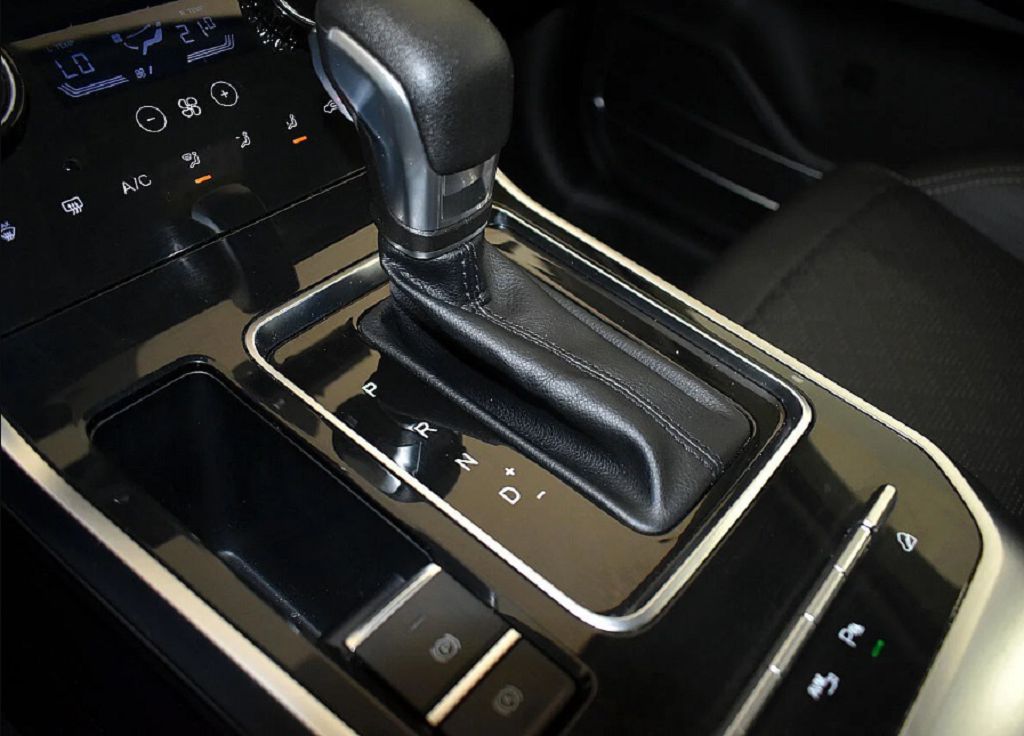
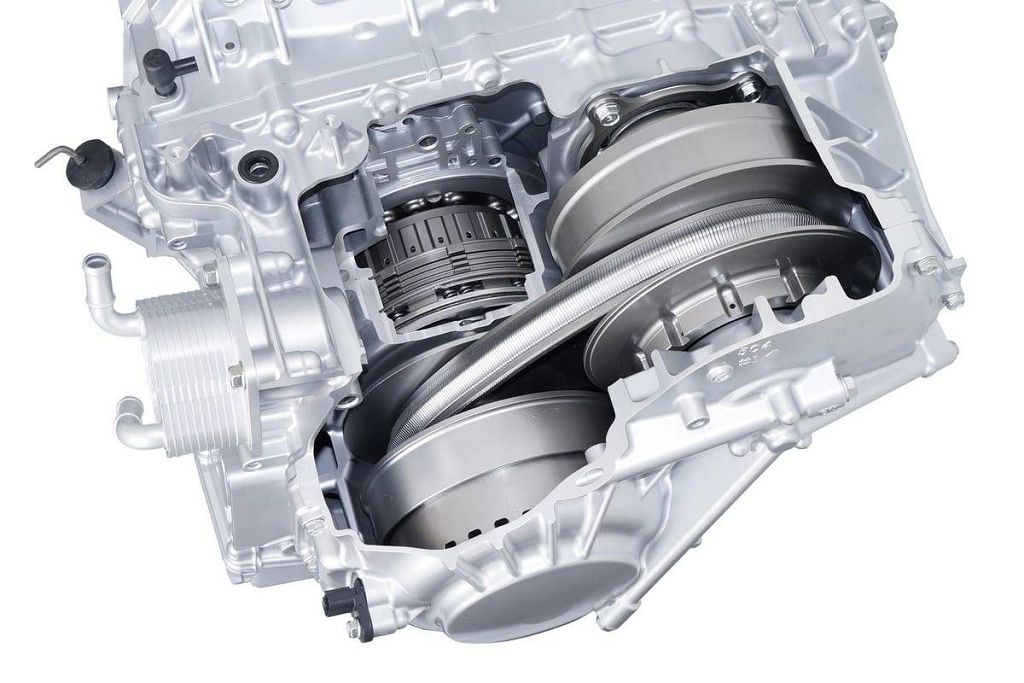
So, let’s dive straight into the heart of the matter: the variators found in the Chery Tiggo EIGHT and EIGHT Pro. Now, these aren’t your grandpappy’s belt-driven continuously variable transmissions (CVTs). We’re talking about sophisticated systems designed to optimize fuel efficiency and performance. But what exactly are they? Well, fundamentally, a variator is a component within the transmission that allows for a continuously variable gear ratio. Think of it as an infinitely adjustable gearbox, smoothly changing the engine speed to the wheel speed without the jerky shifts of a traditional automatic transmission. This is achieved through a complex interplay of pulleys and belts, or in some more modern designs, sophisticated hydraulic systems. The Chery Tiggo EIGHT and EIGHT Pro utilize a specific type of variator, and understanding its nuances is key to proper maintenance.
The distinctive features of the variators in these Chery models are crucial to understanding their strengths and potential weaknesses. One key feature is the type of oil used. These variators are incredibly sensitive to the correct oil viscosity and specifications. Using the wrong oil can lead to premature wear, reduced efficiency, and even catastrophic failure. The manufacturer’s recommendations are absolutely paramount here – don’t even think about deviating from them. Another distinctive feature is the complexity of the internal components. These aren’t simple systems; they involve intricate mechanisms that require specialized tools and knowledge for repair or maintenance. This means that DIY repairs are strongly discouraged, and you should always rely on qualified mechanics with experience working on these specific variators. Finally, the frequency of oil changes is another critical aspect. Unlike traditional automatic transmissions, these variators often require more frequent oil changes, sometimes as often as every THIRTY THOUSAND to FORTY THOUSAND kilometers, depending on driving conditions. Neglecting these changes can significantly shorten the lifespan of the variator, leading to costly repairs down the line.
Now, let’s talk about the oil change process itself. This isn’t something you can just wing. You’ll need the correct type and quantity of oil, specified in your owner’s manual. Don’t even think about using a generic CVT fluid; you need the exact fluid recommended by Chery. Secondly, you’ll need the right tools. This isn’t a simple drain-and-fill operation. Accessing the variator’s oil pan often requires specialized tools and a good understanding of the vehicle’s undercarriage. Improper access can lead to damage to surrounding components. Thirdly, the process itself is more involved than a standard oil change. There are often specific procedures for filling and checking the oil level, ensuring the system is properly primed and free of air bubbles. Again, consulting your owner’s manual is crucial. And finally, remember that even with the correct tools and knowledge, a mistake can be costly. If you’re not comfortable performing this procedure yourself, it’s always best to leave it to a qualified mechanic. The cost of a professional oil change is far less than the cost of repairing a damaged variator.
So, let’s dive straight into the Chery Tiggo EIGHT and EIGHT Pro’s CVT, or continuously variable transmission, shall we? It’s a hot topic, and rightfully so. There’s a lot of buzz surrounding these transmissions, and figuring out whether it’s a game-changer or a major headache is crucial for anyone considering these vehicles.
First off, let’s talk about the advantages. One of the biggest draws is the smooth, seamless shifting. Unlike traditional automatics with distinct gear changes, the CVT provides a consistently smooth power delivery. This makes for a really comfortable driving experience, especially in city traffic. You don’t feel those jerky transitions, and the engine stays relatively quiet. Fuel economy is another significant plus. Because the CVT can constantly adjust the gear ratio, it keeps the engine running at its most efficient RPM, leading to better gas mileage compared to some traditional automatic transmissions. And finally, the overall driving experience is quite refined. The lack of harsh shifts contributes to a more relaxed and enjoyable ride.
Now, let’s address the elephant in the room: the disadvantages. The most common complaint about CVTs, and this applies to the Tiggo EIGHT and EIGHT Pro, is the feeling of «rubber-banding.» This is where you accelerate, and the engine revs high, but the speed doesn’t increase proportionally. It feels like the engine is working hard, but the car isn’t responding as quickly as you’d expect. This can be particularly noticeable when attempting quick overtakes or merging onto highways. Another concern is the potential for long-term reliability. CVTs are generally more complex than traditional automatics, and some have a history of premature wear, especially if not properly maintained. This complexity can also translate to higher repair costs should something go wrong. And finally, some drivers simply don’t like the feeling of a CVT. The constant engine revving can feel unnatural or even annoying to some, and the lack of distinct gear changes can feel less engaging than a traditional automatic or manual transmission.
So, how do we mitigate these potential problems and ensure a long and happy life for your Tiggo EIGHT or EIGHT Pro’s CVT? Proper maintenance is absolutely key. This starts with using the correct CVT fluid specified by Chery. Don’t skimp here; using the wrong fluid can seriously damage the transmission. Adhere strictly to the recommended oil change intervals outlined in your owner’s manual. This is usually somewhere between SIXTY THOUSAND and EIGHTY THOUSAND kilometers, but always check your manual. Don’t wait until the oil is visibly dirty; proactive maintenance is crucial. Regular checks of the fluid level are also important. Low fluid levels can lead to premature wear and damage. And finally, drive smoothly. Avoid aggressive acceleration and braking, as this puts extra stress on the transmission. Gentle driving habits will significantly extend the life of your CVT. Think of it like this: a smooth, consistent driving style is the best preventative medicine for your CVT. By following these recommendations, you’ll significantly increase the chances of avoiding those potential headaches associated with CVT transmissions.