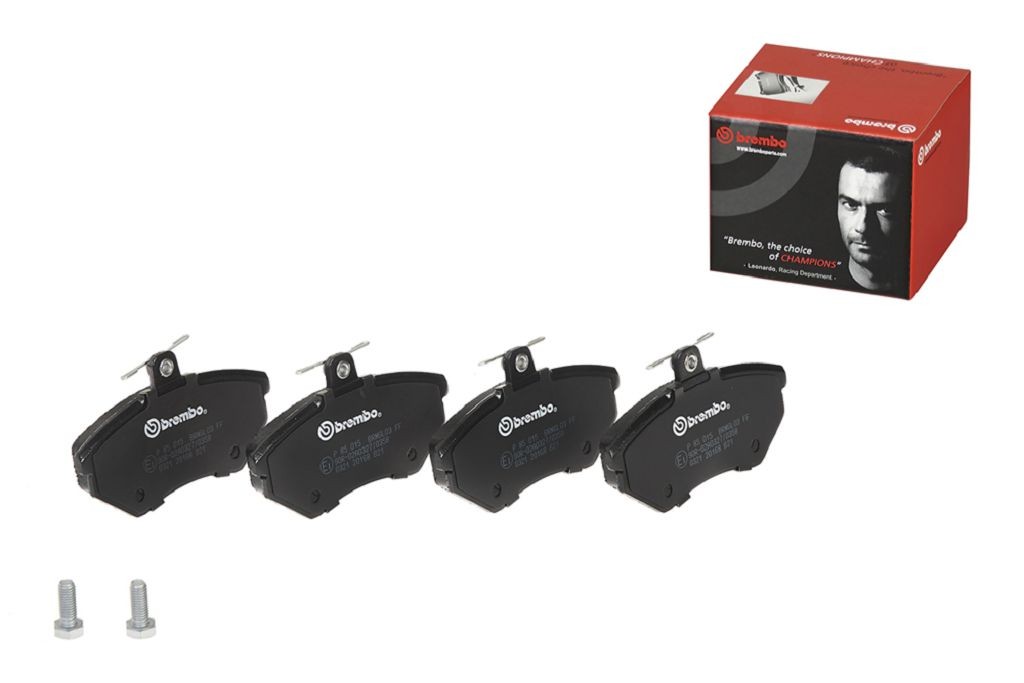
So, let’s dive straight into the world of brake pads for your Chery Tiggo FOUR/Pro. We’re going to be looking at both the original equipment manufacturer (OEM) pads and some of the popular analogue options available. Understanding the differences is key to making an informed decision about what’s best for your vehicle and your budget.
First, let’s talk about the original Chery Tiggo FOUR/Pro brake pads. These are the pads that came fitted to your car from the factory. They’re designed and manufactured to meet Chery’s specific performance and safety standards. Now, what does that actually mean for you? Well, it usually translates to a good balance of stopping power, lifespan, and noise reduction. You’re likely to experience a consistent braking feel throughout their service life, and they’re engineered to work optimally with your vehicle’s braking system. However, OEM pads often come with a higher price tag compared to their aftermarket counterparts. It’s a trade-off between potentially longer-lasting performance and the initial cost. Think about the materials used – often higher-quality compounds are employed in OEM pads, leading to better heat dissipation and less brake fade under heavy braking. We’ll be showing you some close-up shots of the original pads so you can see the quality for yourselves. Pay close attention to the markings and the overall construction. This will help you identify them if you’re ever unsure.
Now, let’s shift our focus to the front brake pads. These are the ones that do the lion’s share of the braking work, especially during hard stops. The front pads tend to wear out faster than the rear ones, simply due to the weight distribution of the vehicle and the braking force applied. When choosing replacement front pads, whether OEM or analogue, it’s crucial to ensure they’re the correct specification for your specific Chery Tiggo FOUR/Pro model and year. Getting the wrong pads can lead to poor braking performance, increased wear on other components, and even safety hazards. We’ll be discussing some of the common mistakes people make when selecting front brake pads and how to avoid them. We’ll also be looking at some specific analogue brands that offer good value for money without compromising on safety. We’ll examine their material composition, their braking performance characteristics, and their typical lifespan. Remember, always check the manufacturer’s specifications and recommendations before making a purchase. Don’t just rely on price alone; prioritize safety and performance. We’ll be showing you how to visually inspect your existing pads to determine their wear level and when it’s time for a replacement. Knowing when to change your pads is just as important as choosing the right ones.
Okay, let’s dive straight into the world of Chery Tiggo FOUR/Pro brake pads. We’re going to talk about the rear brake pads specifically, because those are often the ones that wear down first. Now, when it comes to rear brake pads for your Tiggo FOUR or Pro, you’ve got a choice: original equipment manufacturer, or OEM, pads, and then you have the aftermarket, or analogue, options.
Let’s start with the original Chery brake pads. These are the pads that came with your car from the factory. They’re designed specifically for your Tiggo FOUR/Pro, and they’re usually made to a high standard. You’re paying a premium for that «Chery» branding, of course, but you’re also getting a pad that’s been rigorously tested and proven to work well with your vehicle’s braking system. The materials used are typically high-quality, offering good stopping power and a long lifespan. However, the price can be significantly higher than the analogue options. Think about the cost versus the expected lifespan – is the extra expense worth it for you? That’s a question only you can answer. Consider factors like your driving style and how often you use your brakes. Aggressive braking will wear down any pad faster, regardless of brand.
Now, let’s talk about the analogue brake pads. These are the aftermarket options, and there’s a HUGE range available. You’ll find pads from various manufacturers, each with its own price point and claimed performance characteristics. Some analogues might use slightly different materials, which could affect their braking performance, lifespan, or even noise levels. It’s crucial to do your research before buying analogue pads. Read reviews, compare specifications, and look for pads that meet or exceed the minimum performance standards for your Tiggo FOUR/Pro. Don’t just go for the cheapest option; a poorly made pad could compromise your safety. Look for reputable brands with a proven track record. Remember, you’re dealing with your brakes – safety is paramount.
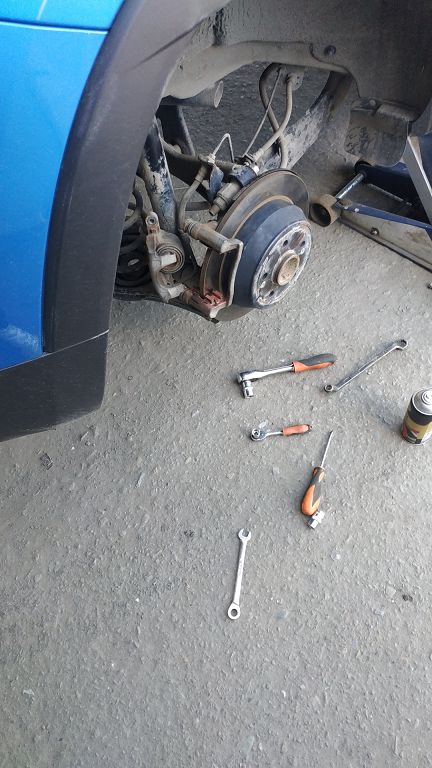
Finally, let’s talk about replacing your brake pads yourself. Now, I’m not a mechanic, and I’m not advising you to do this if you’re not comfortable working on your car. However, for those of you who are mechanically inclined, replacing brake pads is a relatively straightforward job. There are plenty of videos online that show you exactly how to do it for a Chery Tiggo FOUR/Pro. You’ll need the right tools, of course, and you’ll need to be careful and methodical. Always consult your owner’s manual for specific instructions and torque specifications. If you’re even slightly unsure about any part of the process, it’s best to take your car to a qualified mechanic. Remember, messing with your brakes is not something to take lightly. Safety first! But if you’re confident and careful, replacing your own brake pads can save you some money. Just remember to properly dispose of the old pads – they contain materials that shouldn’t end up in landfills.