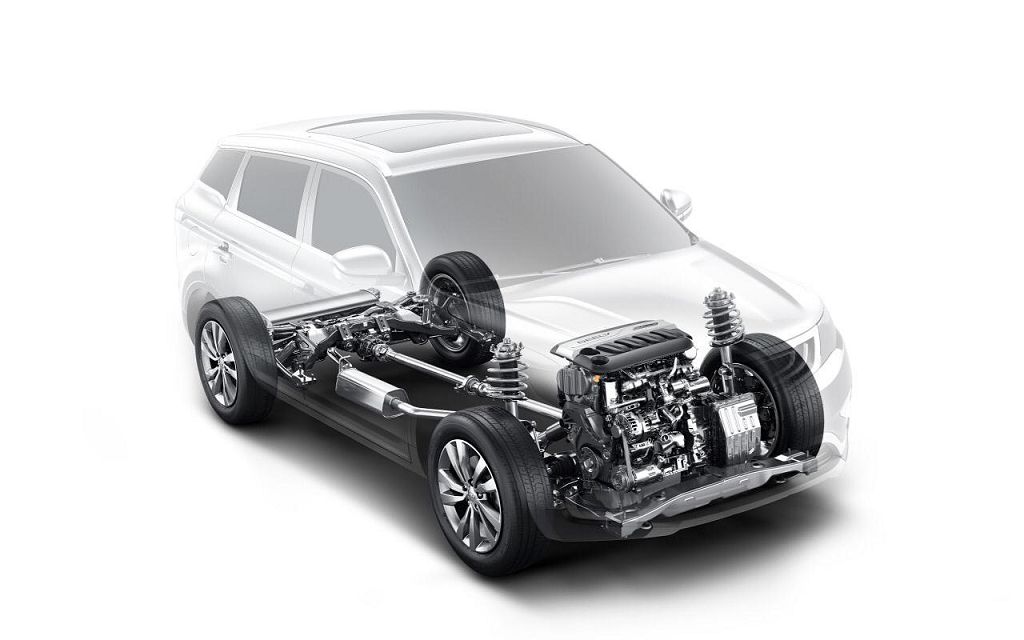
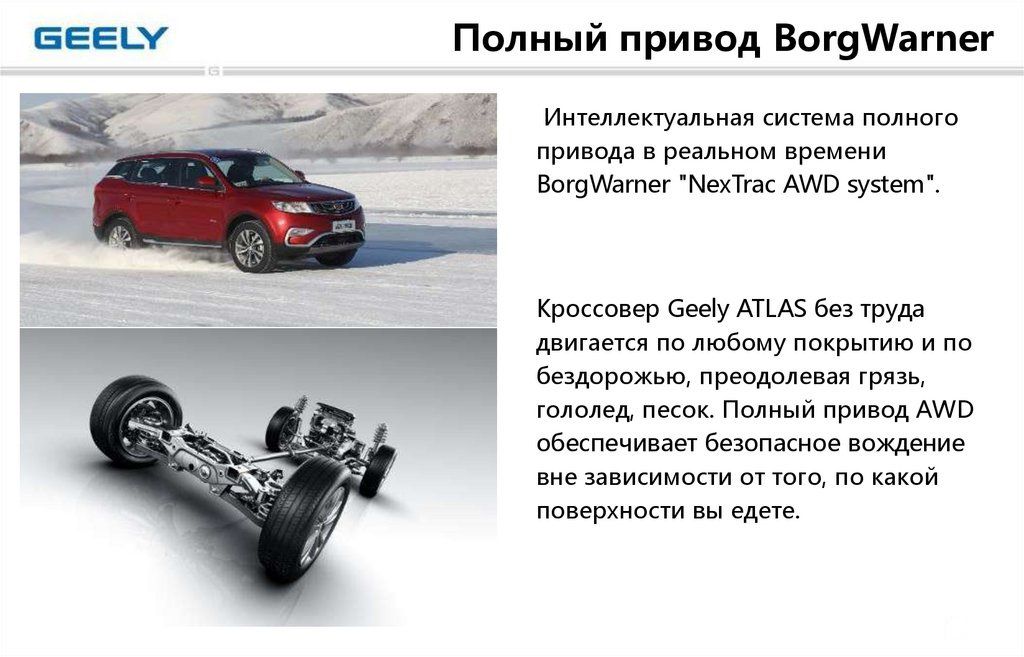
Hey everyone, let’s dive deep into the all-wheel-drive system of the Geely Atlas and Atlas Pro, specifically focusing on the BorgWarner NexTrac system. This isn’t your grandpappy’s part-time four-wheel drive; this is a sophisticated system designed for both on and off-road capability.
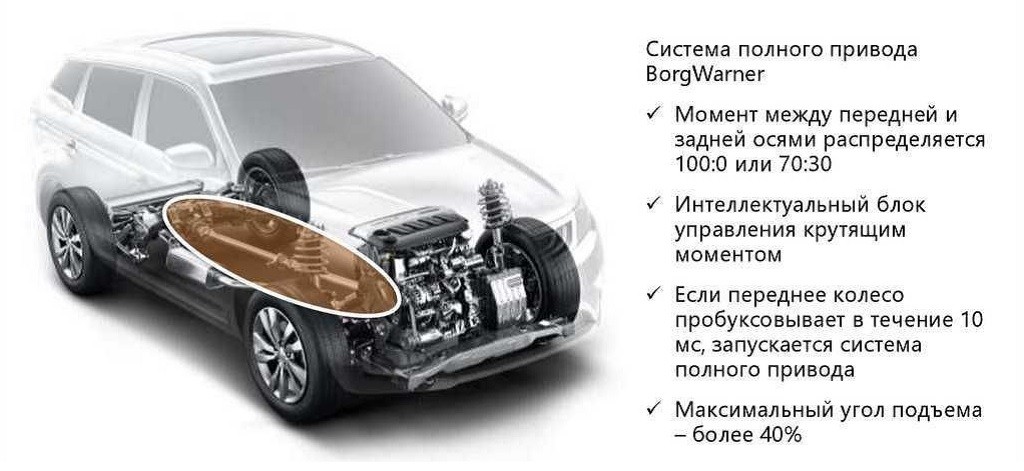
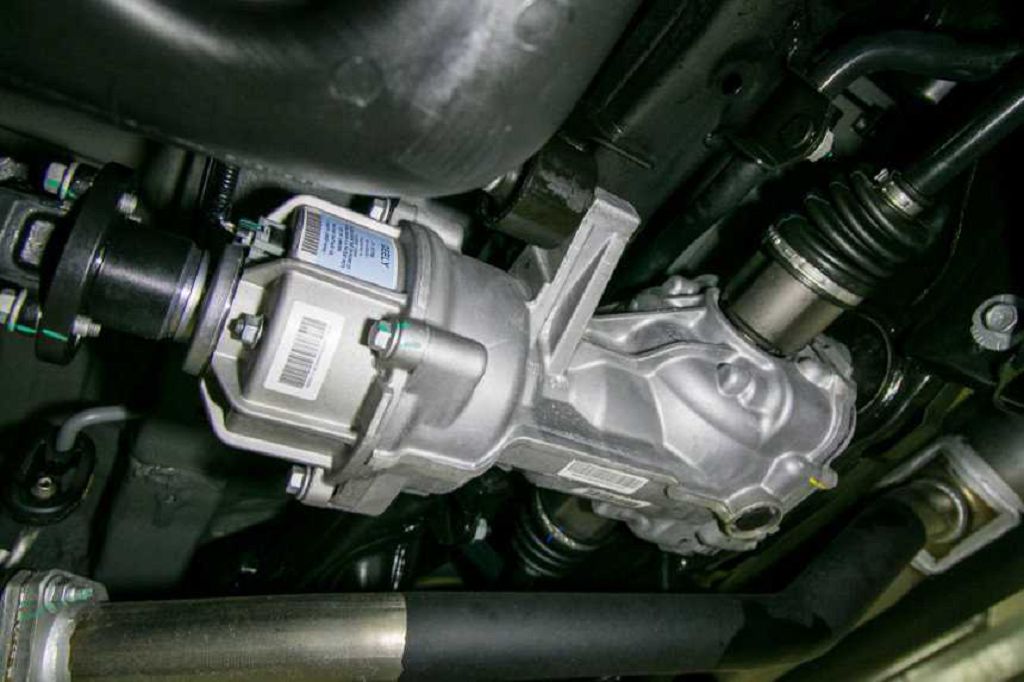
First off, let’s talk about the heart of the system: the NexTrac coupling. This isn’t a traditional viscous coupling or a complex multi-plate clutch system. Instead, it uses a clever electro-hydraulic system to manage the torque distribution between the front and rear axles. Think of it as a highly responsive, electronically controlled valve that precisely meters the amount of power sent to the rear wheels. This allows for seamless transitions between front-wheel drive and all-wheel drive, depending on the conditions. It’s not just reacting to wheel slip; it’s proactively anticipating it based on a variety of inputs from the vehicle’s sensors.
Now, what kind of inputs are we talking about? Well, the NexTrac system is constantly monitoring a whole host of data points. We’re talking about wheel speed sensors, of course, which are crucial for detecting any loss of traction. But it goes beyond that. The system also considers throttle position, steering angle, and even yaw rate – how quickly the vehicle is rotating around its vertical axis. By analyzing all this data, the system can predict potential loss of traction before it even happens, allowing for a smoother, more proactive response. This is a key difference from simpler systems that only react after a wheel starts to slip.
Let’s talk about the TWO HUNDRED AND FORTY horsepower TWO point FOUR liter engine and the automatic transmission. This powertrain is perfectly matched to the NexTrac system. The engine provides ample torque, which the NexTrac system then intelligently distributes to the wheels that need it most. The automatic transmission plays a crucial role here, seamlessly adapting its shift points to optimize traction and performance. It’s not just about getting the power to the ground; it’s about doing it smoothly and efficiently.
The beauty of the NexTrac system is its simplicity and efficiency. Unlike more complex systems with multiple differentials and transfer cases, the NexTrac is relatively compact and lightweight. This contributes to better fuel economy compared to some other AWD systems, a significant advantage in today’s market. It’s a testament to BorgWarner’s engineering prowess that they’ve managed to create such a sophisticated system while maintaining a high level of efficiency.
Finally, let’s talk about the driver experience. In normal driving conditions, the Geely Atlas/Pro operates primarily in front-wheel drive, maximizing fuel efficiency. However, the moment the system detects a loss of traction, or even anticipates one, it seamlessly engages the rear wheels, providing a significant boost in stability and control. This transition is so smooth, you’ll barely notice it happening. It’s a testament to the sophisticated algorithms and precise control of the electro-hydraulic coupling. The result is a vehicle that feels confident and capable in a wide range of conditions, from snowy roads to muddy trails. The system isn’t just about getting you unstuck; it’s about enhancing the overall driving experience, making it safer and more enjoyable.
Hey everyone, and welcome back to the channel! Today, we’re diving deep into the all-wheel-drive system of the Geely Atlas and Atlas Pro, specifically focusing on the impressive BorgWarner system that powers these SUVs. We’re going to break down exactly how this system works, focusing on the TWO-POINT-FOUR liter engine paired with the automatic transmission.
So, let’s talk BorgWarner. This isn’t just some generic all-wheel-drive system; it’s a sophisticated piece of engineering designed for both on-road comfort and serious off-road capability. The heart of the system is a clever multi-plate clutch. This clutch is constantly monitoring wheel speed, and it’s incredibly responsive. Think of it as a brain that’s constantly assessing the situation. If one wheel starts to slip – maybe you’re on loose gravel or encountering some unexpected ice – the clutch instantly redirects power to the wheels with the most traction. This happens seamlessly, often before you even realize there’s a problem. It’s not a sudden, jarring shift of power; it’s a smooth, controlled transfer that keeps you moving confidently. The system also takes into account things like throttle input and steering angle, constantly adjusting the power distribution to optimize performance and stability. It’s not just reacting to slippage; it’s proactively anticipating potential issues. This is what makes the BorgWarner system so effective and refined. We’ve put this system through its paces, and we’ve been consistently impressed by its responsiveness and its ability to handle a wide range of conditions.
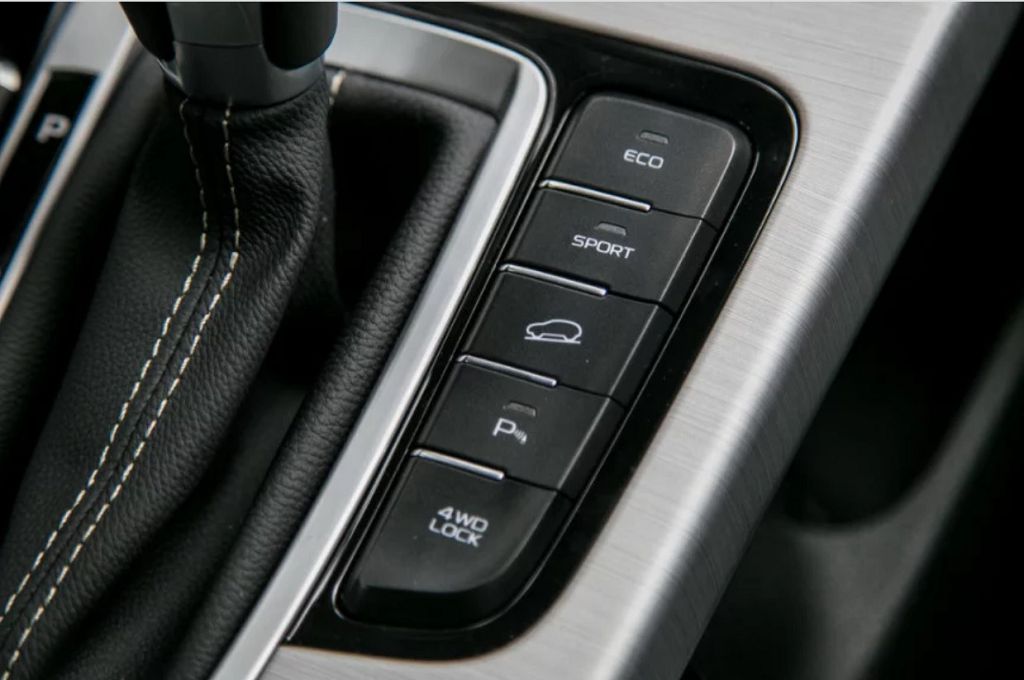
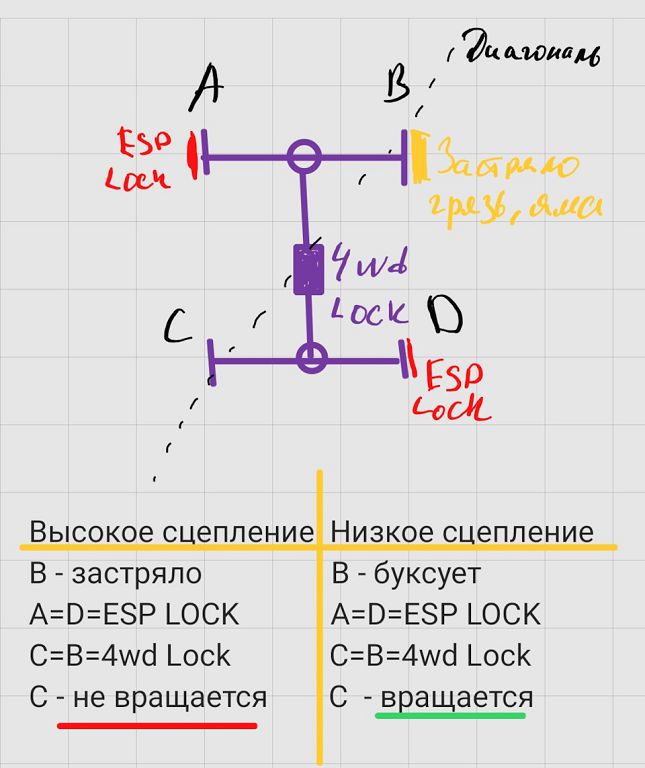
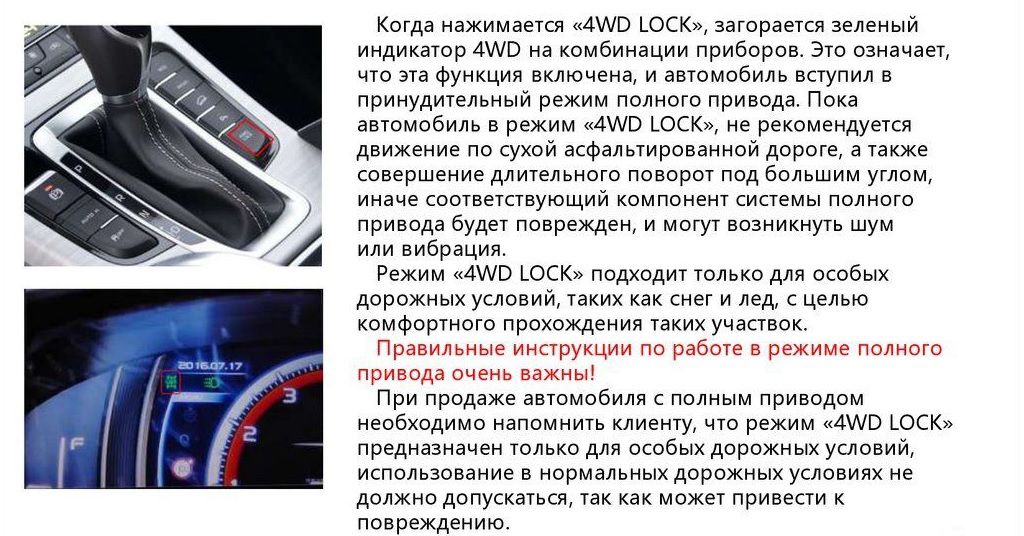
Now, let’s talk about the OFFROAD, or FOUR-WHEEL-DRIVE LOCK, mode. This is where things get really interesting. In normal driving conditions, the system is constantly adjusting power distribution for optimal traction and efficiency. But when you engage the FOUR-WHEEL-DRIVE LOCK mode, you’re essentially locking the front and rear axles together. This means power is distributed evenly between the front and rear wheels, regardless of wheel speed or traction. This is perfect for challenging off-road situations where you need maximum traction, like navigating mud, snow, or steep inclines. Think of it as a powerful tool for when you need that extra bit of grip. However, it’s important to remember that FOUR-WHEEL-DRIVE LOCK mode is best suited for low speeds and off-road conditions. Using it at high speeds on paved roads can actually be detrimental to the vehicle and potentially dangerous. The system isn’t designed for sustained high-speed use in this mode. It’s a tool to be used strategically, not constantly.
- Читайте также:
We’ve spent a considerable amount of time testing this FOUR-WHEEL-DRIVE LOCK mode in various off-road scenarios. We’ve tackled some pretty challenging terrain, and the system consistently delivered impressive performance. The ability to confidently navigate difficult situations is a real testament to the engineering behind this system. It’s not just about brute force; it’s about intelligent power distribution and control. We’ve been particularly impressed by how smoothly the system transitions between different modes and how effectively it maintains traction even in the most demanding conditions. The responsiveness is remarkable, and the overall driving experience is significantly enhanced by the presence of this robust all-wheel-drive system. We’ve even noticed a surprising level of fuel efficiency, considering the capability of this system. It’s a testament to the efficiency of the BorgWarner design. So, if you’re looking for an SUV with serious off-road capabilities and a refined on-road experience, the Geely Atlas and Atlas Pro with their BorgWarner all-wheel-drive system are definitely worth considering.