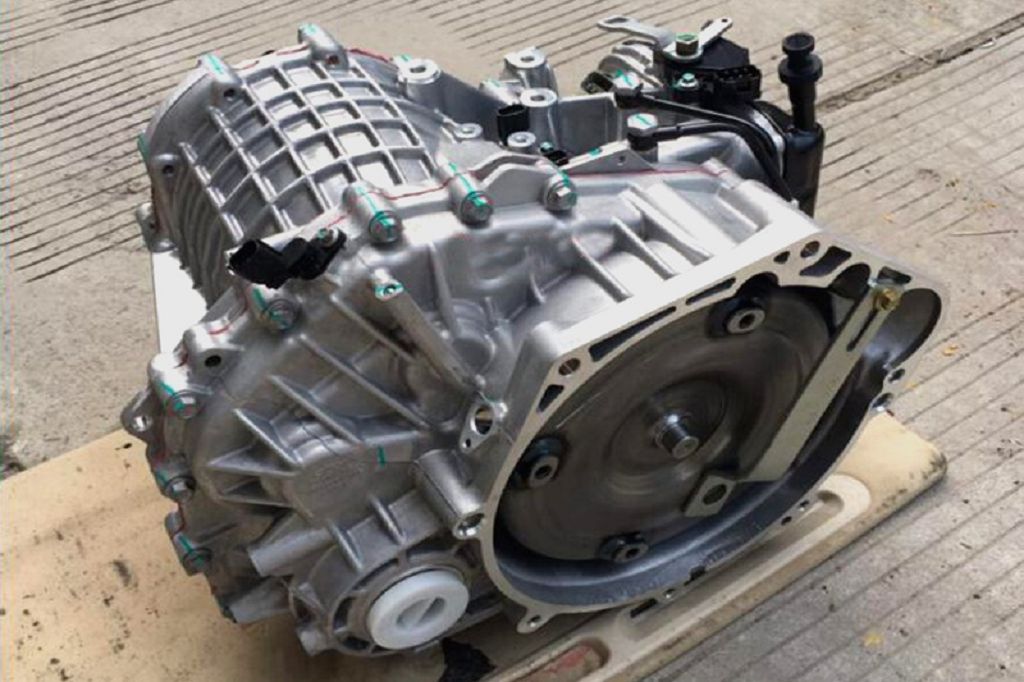
Hey everyone, let’s dive right into the heart of the Omoda S5 sedan and uncover the mysteries hidden beneath its hood – specifically, those crucial boxes we call continuously variable transmissions, or CVTs. We’re going to be looking at TWO main variations found in the Omoda S5: the CVT18 and the CVT25.
First up, the CVT18. This transmission is a workhorse, designed for efficiency and smooth operation. It’s a compact unit, which helps contribute to the Omoda S5’s overall fuel economy. Now, the internal workings are quite complex, involving a system of pulleys and belts that continuously adjust the gear ratio, providing seamless acceleration without the jerky shifts you’d find in a traditional automatic transmission. Think of it as a sophisticated system of constantly changing gears, all happening smoothly and almost imperceptibly. We’re talking about a wide range of gear ratios, allowing the engine to operate at its most efficient RPM across a broad spectrum of speeds. This translates to better fuel consumption, especially in city driving where you’re constantly accelerating and decelerating. However, it’s important to understand the limitations. While generally reliable, the CVT18, like any transmission, has its wear points. The belts and pulleys are subject to wear and tear over time, and harsh driving habits can accelerate this process. Regular maintenance, including fluid changes according to the manufacturer’s schedule, is absolutely crucial for maximizing its lifespan. Ignoring this can lead to premature failure, resulting in costly repairs.
Now let’s move on to the CVT25. This is a more advanced iteration, often found in higher trim levels of the Omoda S5. It builds upon the strengths of the CVT18, offering even smoother operation and potentially improved fuel efficiency. The «25» likely refers to a higher torque capacity, meaning it can handle more power from the engine. This is particularly beneficial if you opt for a more powerful engine variant of the Omoda S5. The internal design refinements often include stronger components, leading to potentially increased durability and a longer service life compared to the CVT18. However, the increased complexity also means that repairs can be more expensive should something go wrong. Again, preventative maintenance is key. Sticking to the recommended service intervals and using the correct transmission fluid are non-negotiable for keeping your CVT25 running smoothly for years to come.
Let’s talk about the reliability and service life of both these variators. Generally speaking, both the CVT18 and CVT25 are considered reasonably reliable when properly maintained. However, their longevity depends heavily on driving style and maintenance habits. Aggressive driving, frequent hard acceleration, and towing can put significant stress on the transmission, shortening its lifespan. Regular fluid changes are paramount, as the transmission fluid acts as both a lubricant and a coolant. Dirty or degraded fluid can lead to premature wear and tear on the internal components. The recommended service intervals should be strictly adhered to, and using the correct type of CVT fluid is essential. Neglecting maintenance can lead to costly repairs, potentially even requiring a complete transmission replacement. Think of it like this: regular maintenance is an investment in the long-term health and reliability of your Omoda S5.
Finally, let’s weigh the advantages and disadvantages of these CVT transmissions. On the plus side, both offer smooth, seamless acceleration, improved fuel economy compared to traditional automatic transmissions, and a generally compact design. However, they can be less responsive than some traditional automatics, particularly during hard acceleration. Some drivers also report a «rubber band» effect, where the engine revs higher than expected before the car accelerates. Furthermore, repairs can be more expensive than those for a traditional automatic transmission, and the lifespan can be shorter if not properly maintained. Ultimately, the choice between a CVT18 and CVT25 depends on your individual needs and driving style. Consider your budget, your driving habits, and your priorities when making your decision. Remember, responsible ownership and regular maintenance are key to maximizing the lifespan and performance of your Omoda S5’s CVT.
Hey everyone, let’s dive straight into the heart of the Omoda S5 – its transmissions. Specifically, we’re talking about the CVT18 and CVT25 variators. These are the boxes hidden under the hood, and understanding them is key to owning and maintaining your Omoda S5.
First, let’s address the elephant in the room: the disadvantages. Both the CVT18 and CVT25, while offering smooth operation, have some drawbacks that potential owners should be aware of. The CVT18, being an earlier generation, can sometimes exhibit slightly less responsiveness than the CVT25. You might experience a little bit of lag when accelerating hard, especially when the car is fully loaded. This isn’t a major issue for most drivers, but it’s something to keep in mind. The CVT25 is generally considered an improvement, offering better responsiveness and slightly improved fuel efficiency. However, both transmissions are susceptible to issues if not properly maintained. Neglecting regular oil changes can lead to premature wear and tear, potentially resulting in costly repairs down the line. So, proper maintenance is absolutely crucial.
Now, let’s talk about the vital fluid – transmission oil. What kind should you use in your Omoda S5? This is crucial. Using the incorrect oil can severely damage your variator. Always refer to your owner’s manual for the specific oil recommendations. Don’t just grab any CVT fluid from the auto parts store; the manufacturer specifies a particular type and viscosity for optimal performance and longevity. Using the wrong oil could void your warranty and lead to expensive repairs. It’s worth emphasizing this point: check your owner’s manual!
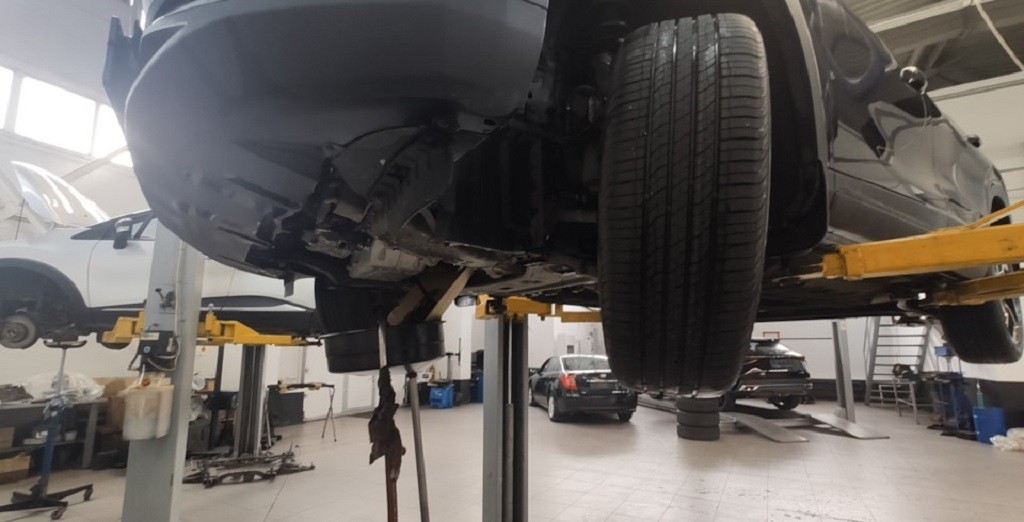
Next up: the transmission lubricant replacement schedule. This is where many owners fall short. Following the recommended service intervals is absolutely critical for the health of your CVT. Again, your owner’s manual will provide the precise schedule, but generally, you’re looking at a replacement every SIXTY THOUSAND to EIGHTY THOUSAND kilometers, or FOURTY THOUSAND to FIFTY THOUSAND miles, depending on your driving conditions and usage. Severe driving conditions, such as frequent towing or off-road use, will necessitate more frequent changes. Don’t delay; sticking to the schedule is an investment in the longevity of your transmission.
- Читайте также:
Let’s move on to the filling capacities. Knowing the correct amount of oil is essential to avoid overfilling or underfilling, both of which can cause problems. The CVT18 typically requires around FIVE to SIX liters of transmission fluid, while the CVT25 might need slightly more, around SIX to SEVEN liters. However, these are just estimates. Always consult your owner’s manual for the precise figures specific to your vehicle’s year and model. Overfilling can put excessive pressure on the system, while underfilling can lead to insufficient lubrication and premature wear.
Finally, some advice for future Omoda S5 owners with variator transmissions. Regular maintenance is paramount. Don’t skip those oil changes. Pay close attention to any unusual noises or vibrations coming from the transmission. These could be early warning signs of a problem. Address any issues promptly. Ignoring minor problems can lead to major, and expensive, repairs down the line. And remember, always use the recommended transmission fluid. It’s a small price to pay for the long-term health of your transmission. Taking care of your CVT will ensure a smoother, more reliable driving experience for years to come.