So, let’s dive straight into the heart of the matter: the variator in your Chery Tiggo 7, Pro, or Max. What do the experts have to say about this crucial component? Well, opinions are somewhat divided, but a common thread emerges. Many independent mechanics and automotive specialists highlight the importance of regular maintenance. They emphasize that the variator, like any complex mechanical system, is susceptible to wear and tear. Neglecting routine servicing, including timely oil changes using the manufacturer-recommended oil type and viscosity, can significantly shorten its lifespan. Some experts even suggest more frequent oil changes than the manufacturer’s recommended schedule, particularly in harsh driving conditions or if you frequently tow heavy loads. They argue that this proactive approach can help prevent premature failure and costly repairs. We’re talking about potentially saving you THOUSANDS of dollars in the long run. It’s not just about the oil; regular inspections are also vital. Checking for leaks, unusual noises, or vibrations can help identify potential problems early on, allowing for timely intervention before a complete failure occurs. Remember, catching issues early is always cheaper and less disruptive than dealing with a major breakdown.
Now, let’s talk about the reliability and service life of the Chery Tiggo 7/Pro/Max variator. The truth is, there’s no single definitive answer. The lifespan of a variator is heavily influenced by a number of factors. Driving style plays a significant role. Aggressive acceleration and frequent hard braking put extra stress on the variator, leading to faster wear. Similarly, consistently driving in stop-and-go traffic can also contribute to reduced longevity. Environmental conditions also matter. Extreme temperatures, whether excessively hot or cold, can negatively impact the performance and lifespan of the variator. Think about the constant stress on the system in extreme heat, or the increased viscosity of the oil in freezing temperatures. Both can lead to premature wear. The quality of the maintenance performed also plays a crucial role. Using the wrong type of oil, neglecting regular oil changes, or skipping crucial inspections can all significantly reduce the variator’s lifespan. We’ve seen cases where neglecting these simple maintenance steps has resulted in variator failure as early as SIXTY THOUSAND kilometers, while others have reported trouble-free operation well beyond ONE HUNDRED FIFTY THOUSAND kilometers. The difference? Diligent maintenance and a responsible driving style.
So, what’s the bottom line? While the Chery Tiggo 7/Pro/Max variator isn’t inherently unreliable, its longevity depends heavily on proper maintenance and driving habits. Regular oil changes, using the correct oil type, and attentive monitoring for any unusual sounds or vibrations are key to maximizing its lifespan. Remember, preventative maintenance is always cheaper than reactive repairs. By following these guidelines, you can significantly increase the chances of enjoying many years of trouble-free driving with your Chery Tiggo.
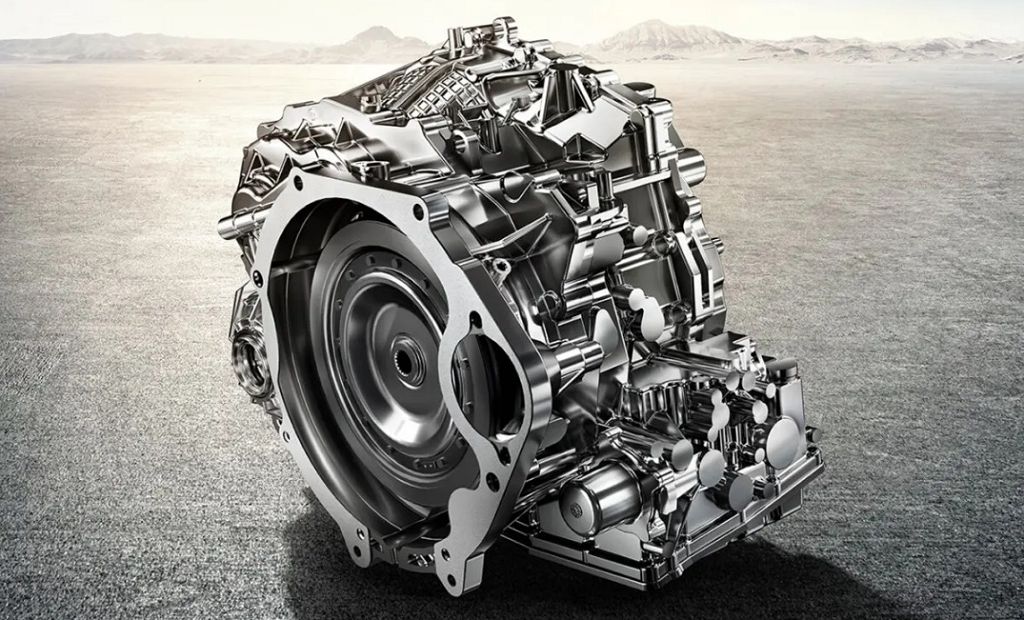
Hey everyone, let’s dive into the world of the Chery Tiggo 7/Pro/Max variator. Specifically, we’re going to talk about its reliability and lifespan. It’s a topic that generates a lot of discussion, so let’s get into the nitty-gritty.
First, let’s look at the advantages. One of the biggest draws of a variator, especially in a vehicle like the Tiggo 7, is the smooth power delivery. You get a seamless transition between gears, making for a comfortable driving experience, particularly in city traffic. This contributes to a more refined feel compared to a traditional automatic transmission, and many owners appreciate that. Another advantage is potentially better fuel economy. A continuously variable transmission (CVT) can keep the engine running at its most efficient RPM, which can translate to savings at the pump. Of course, this depends on driving style and other factors, but it’s a definite potential benefit. Finally, the simplicity of the design, compared to a traditional automatic, can sometimes lead to lower manufacturing costs, potentially impacting the overall price of the vehicle.
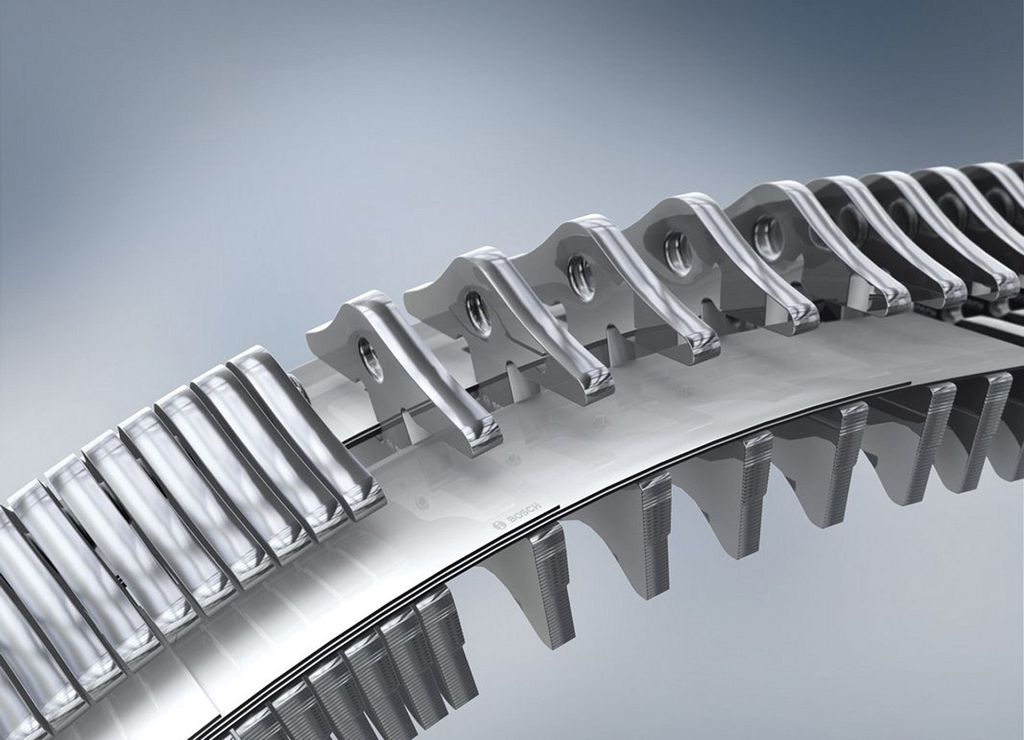
Now, let’s flip the coin and discuss the disadvantages. The most frequently cited drawback of CVT transmissions, and this applies to the Chery Tiggo 7/Pro/Max as well, is the feeling of «rubber banding.» This is that sensation where the engine revs high, but the car doesn’t accelerate as quickly as you might expect. It can feel a bit unresponsive, especially when you need quick acceleration. This is a common complaint among drivers who are used to the more direct feel of a traditional automatic or manual transmission. Another concern is the potential for belt slippage or failure. While modern CVT technology has improved significantly, the belt remains a crucial component, and its failure can be expensive to repair. This is often linked to overheating, which brings us to another point: CVTs generally don’t handle heavy towing or off-road driving as well as other transmission types. Pushing the variator too hard can lead to premature wear and tear. Finally, finding specialized mechanics familiar with CVT repair can sometimes be a challenge, potentially leading to longer repair times and higher costs.
So, what are some of the possible problems you might encounter with the Chery Tiggo 7/Pro/Max variator? Well, as we touched on, belt slippage or failure is a significant concern. This can manifest as a whining noise, sluggish acceleration, or even complete transmission failure. Regular maintenance, including fluid changes, is crucial to prevent this. Another potential issue is the variator control unit itself. Problems with this electronic component can lead to erratic shifting or complete transmission malfunction. This often requires a more complex and expensive repair. Overheating, as mentioned earlier, is a major enemy of CVT transmissions. Prolonged periods of heavy use, especially in hot climates, can significantly shorten the lifespan of the variator. Finally, it’s worth noting that some owners have reported issues with the overall durability of the transmission, with some experiencing problems relatively early in the vehicle’s lifespan. This highlights the importance of regular servicing and careful driving habits.
Ultimately, the reliability and service life of the Chery Tiggo 7/Pro/Max variator, like any CVT, depends on several factors: driving style, maintenance schedule, and operating conditions. While it offers advantages like smooth power delivery and potentially better fuel economy, it also presents potential drawbacks, including the rubber-banding effect and the risk of belt failure. Regular maintenance, including timely fluid changes and avoiding harsh driving conditions, is key to maximizing its lifespan and minimizing the risk of costly repairs. Understanding these potential issues and proactively addressing them can help ensure a more positive ownership experience.
- Читайте также: