Okay, everyone, let’s dive straight into the Haval Jolion’s fuel consumption. We’re going to be looking at the claimed fuel economy figures – what Haval says you should be getting – and then we’ll compare that to the real-world results I’ve experienced. You know, the kind of numbers you actually see on your fuel gauge after a few hundred kilometers of driving.
First, let’s talk about the official numbers, the ones you find in the brochures and on the Haval website. They usually boast some pretty impressive figures, don’t they? Something like SIX to SEVEN liters per ONE HUNDRED kilometers, maybe even a little less depending on the specific model and driving conditions. They paint a picture of effortless efficiency, a vehicle that sips fuel rather than guzzles it. But is that really the full story? That’s what we’re here to find out.
Now, let’s get into the nitty-gritty. We’re focusing on the GW4G15K engine, the ONE HUNDRED AND FORTY-THREE horsepower unit that’s pretty common in the Jolion. This engine, according to Haval’s specifications, should deliver that impressive fuel economy we just discussed. But my experience, and the experiences of many other Jolion owners I’ve spoken to, tell a slightly different tale.
We’ve all seen those official figures, those carefully crafted numbers designed to attract buyers. But real-world driving conditions are rarely ideal. Think about city traffic, stop-and-go driving, air conditioning use, and even the terrain you’re driving on. All of these factors can significantly impact fuel consumption. And that’s where the discrepancy often arises. Many owners report figures considerably higher than the advertised SIX to SEVEN liters per ONE HUNDRED kilometers. We’re talking EIGHT, NINE, or even TEN liters per ONE HUNDRED kilometers in some cases. That’s a pretty significant difference, isn’t it? A difference that could translate into a noticeable increase in your fuel costs over time.
So, what’s going on here? Are Haval misleading their customers? Are these discrepancies simply due to variations in driving styles and conditions? Or is there something more to it? We’ll be analyzing the data, looking at various driving scenarios, and comparing our findings to what other owners are reporting. We’ll be examining the potential factors contributing to this difference between the advertised fuel consumption and the real-world figures. We’ll be looking at everything from the engine’s performance under different loads to the impact of various driving habits. Stay tuned to see the full picture and draw our own conclusions. Remember to like and subscribe for more in-depth reviews and analyses!
Okay, let’s dive straight into the Haval Jolion’s fuel consumption. We’re talking specifically about the GW4B15D engine, that ONE HUNDRED AND FIFTY horsepower unit. Now, the manufacturer’s claimed figures are, well, let’s just say they’re optimistic. We all know how those official numbers can sometimes be… a little… detached from reality. So, what are we seeing in the real world?
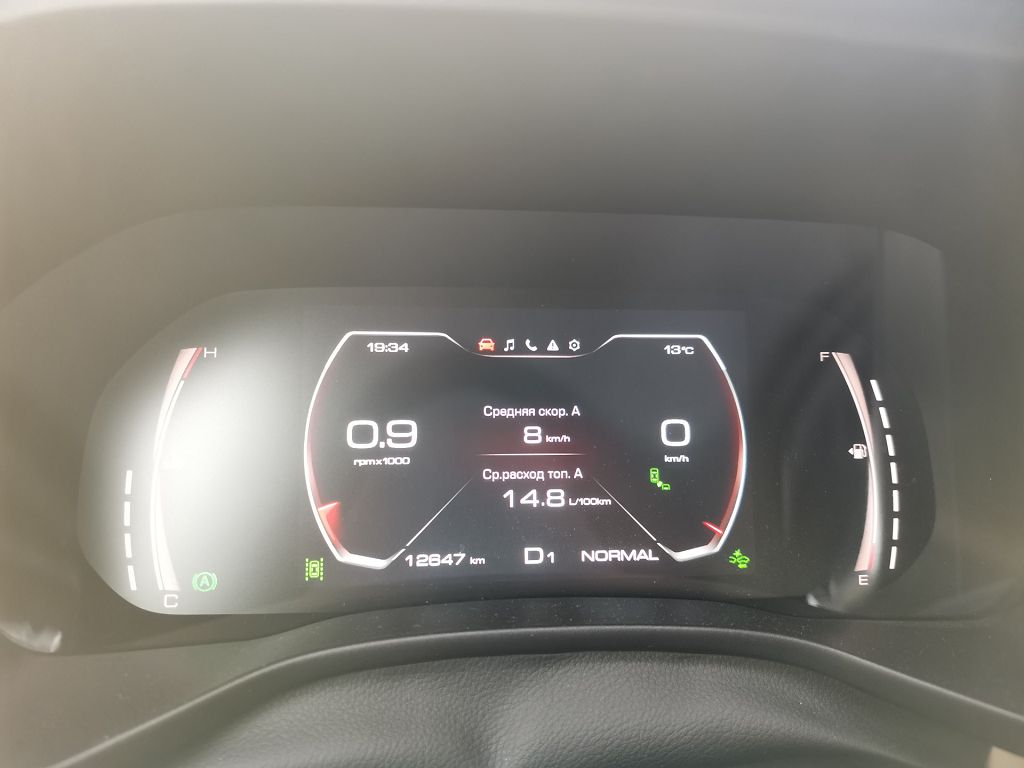
The real-world fuel consumption of the Haval Jolion varies wildly depending on a number of factors. I’ve been driving this car for several months now, under various conditions, and I’ve meticulously tracked my fuel usage. My personal experience shows a significant difference between the advertised figures and what I’m actually getting. We’re talking a difference of several liters per ONE HUNDRED kilometers, a gap that’s simply too large to ignore. I’ve seen everything from SEVEN liters per ONE HUNDRED kilometers on a long, steady highway drive to over TEN liters per ONE HUNDRED kilometers in stop-and-go city traffic. And that’s with a relatively light foot on the accelerator. I’ve even seen some owners reporting figures even higher than that, especially in colder climates. This isn’t just about a minor discrepancy; we’re talking a substantial difference that impacts your wallet significantly over time.
So, what exactly affects this consumption rate? Well, several things come into play. Driving style is a HUGE factor. Aggressive acceleration, hard braking, and excessive speeding will dramatically increase your fuel consumption. Think about it – every time you floor it, you’re burning significantly more fuel than you would with smoother acceleration. The same goes for braking; harsh braking wastes energy and increases fuel consumption. Then there’s the terrain. Driving uphill, especially on steep inclines, demands more power from the engine, leading to higher fuel consumption. Similarly, driving in mountainous areas or on uneven roads will also impact your fuel economy. The weight you’re carrying also plays a role. A fully loaded car will naturally consume more fuel than an empty one. And finally, the condition of your vehicle itself matters. Proper tire inflation, regular maintenance, and a well-tuned engine all contribute to better fuel efficiency. Neglecting these aspects can lead to significantly higher fuel consumption. Even the weather plays a part; colder temperatures often require the engine to work harder, leading to increased fuel use. It’s a complex interplay of factors, and it’s crucial to understand how each one contributes to your overall fuel economy. We’re not just talking about a simple number here; we’re talking about a system of interconnected variables that all impact your bottom line. Understanding these factors is key to optimizing your fuel consumption and getting the most out of your Haval Jolion.

- Читайте также: