Okay, so let’s dive straight into the Jetour Dashing’s fuel consumption. First, we’ll look at what the official paperwork says – the fuel consumption figure stated on the vehicle registration documents. Now, I know what you’re thinking: «Official figures are always optimistic,» and you’d be right more often than not. But let’s see what the Jetour Dashing’s registration claims. My specific model, a TWO THOUSAND AND TWENTY-THREE model, boasts a combined cycle fuel consumption figure of SIX point FIVE liters per ONE HUNDRED kilometers. That sounds pretty good, doesn’t it? Economical, even. But remember, this is under ideal laboratory conditions. Perfect road surfaces, consistent speeds, no wind, no hills… you get the picture. It’s a far cry from the reality of everyday driving.
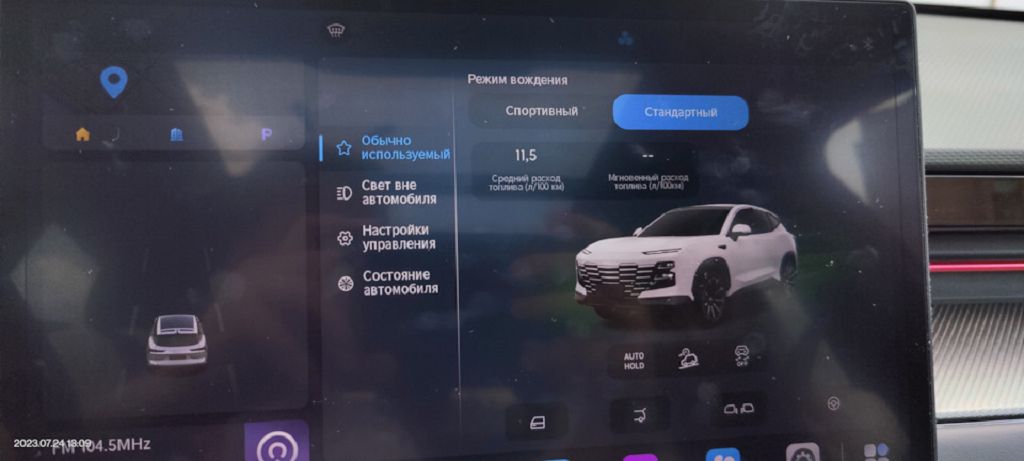
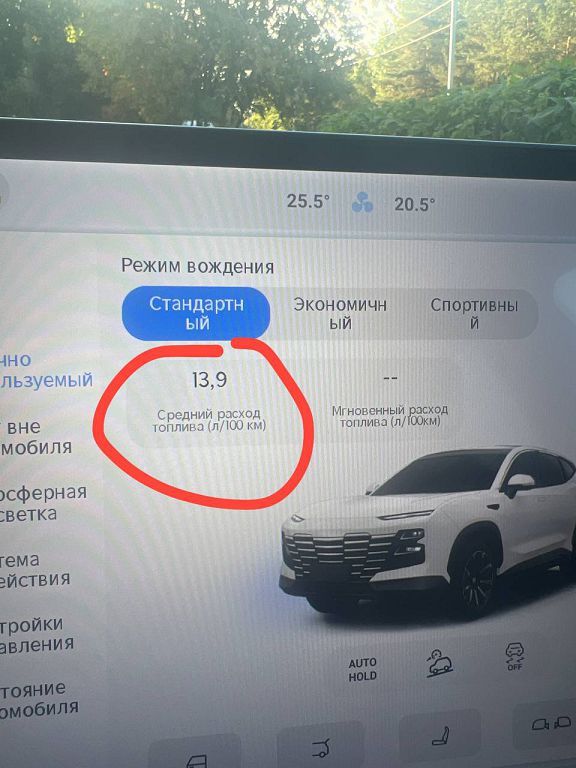
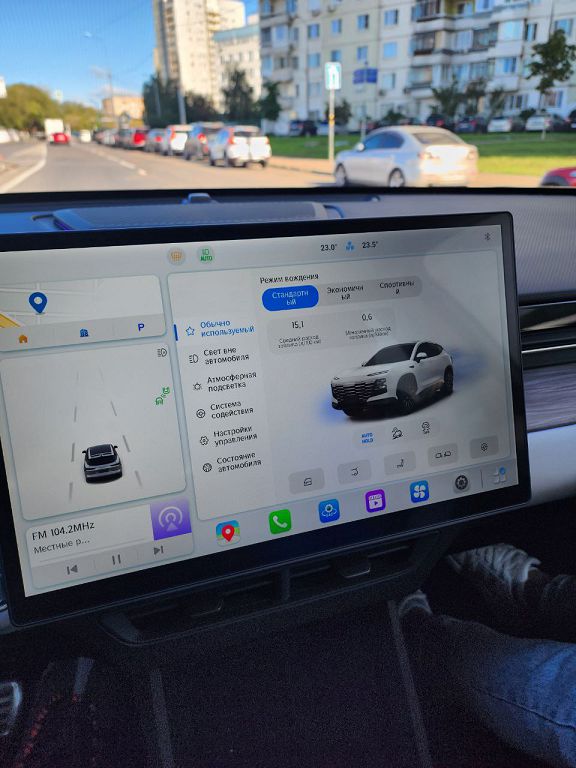
Now, let’s get into the real-world fuel consumption. This is where things get interesting, and perhaps a little… concerning. To get a truly representative figure, I’ve been meticulously tracking my fuel consumption over several weeks, driving under a variety of conditions. I’ve driven on highways, city streets, and even some pretty rough, unpaved roads. I’ve driven with a full load, and with just myself in the car. I’ve driven aggressively, and I’ve driven conservatively. The goal was to get a comprehensive picture of the Dashing’s real-world fuel economy. And what did I find? Well, my average fuel consumption over this period was a significantly higher NINE point TWO liters per ONE HUNDRED kilometers. That’s a HUGE difference from the SIX point FIVE liters advertised. A difference of almost THREE liters per ONE HUNDRED kilometers! That’s a THIRTY percent increase! This isn’t a small discrepancy; it’s a substantial one.
This significant difference between the claimed fuel economy and the real-world figures raises some serious questions. Is this simply a case of optimistic marketing, or is there something more sinister at play? Are the testing methods used to obtain the official figures flawed? Or, as the title of this video suggests, is there a deliberate attempt to mislead consumers? I’m not here to make accusations, but the disparity is undeniable. I’ve meticulously documented my findings, and the numbers speak for themselves. The NINE point TWO liters per ONE HUNDRED kilometers I’ve experienced is a far cry from the SIX point FIVE liters promised. This is a considerable difference that significantly impacts running costs. I encourage you to share your own experiences with the Jetour Dashing’s fuel consumption in the comments below. Let’s see if my experience is an isolated incident or a more widespread issue. Your feedback is crucial in helping us understand the true picture.
So, we’re talking about the Jetour Dashing’s fuel consumption, specifically how many liters it uses per ONE HUNDRED kilometers, and whether the advertised figures are… well, let’s just say, accurate. And that’s a BIG question with a lot of nuances. Because, you see, fuel consumption isn’t some simple, fixed number. It’s a really complex thing.
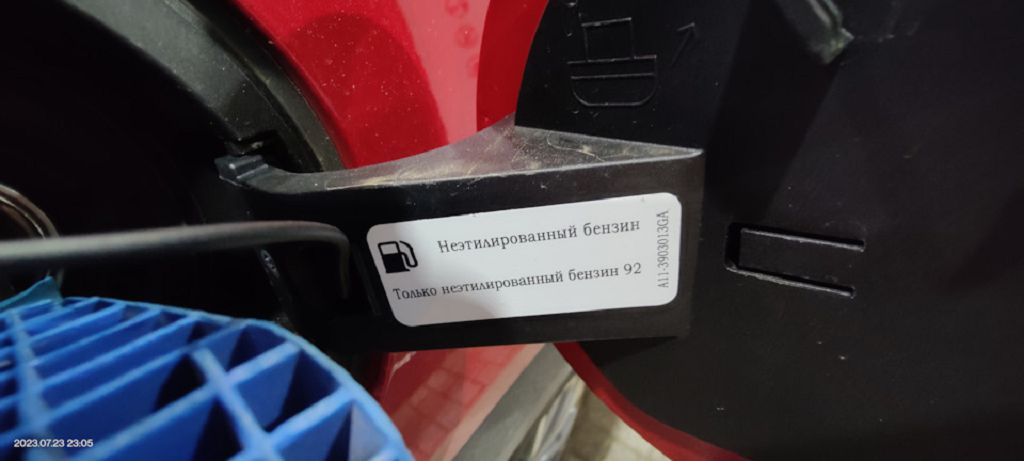
What does fuel consumption depend on? Well, a HUGE number of factors influence how much gas your car guzzles. First, there’s the driving style. Are you a lead-footed accelerator masher, constantly accelerating and braking hard? Or are you a smooth operator, gently accelerating and coasting whenever possible? That makes a WORLD of difference. Aggressive driving can easily increase your consumption by TWENTY or THIRTY percent, maybe even more. Then there’s the terrain. Driving uphill, especially steep inclines, demands significantly more fuel than cruising on a flat highway. Think about it – you’re fighting gravity! City driving, with its constant stop-and-go traffic, is also much less fuel-efficient than highway driving. The weight you’re carrying also plays a part. A fully loaded car will naturally consume more fuel than an empty one. And don’t forget the condition of your car. Things like tire pressure, proper wheel alignment, and even the condition of your air filter all have an impact on fuel efficiency. A poorly maintained car will always drink more fuel than a well-maintained one. Even the weather can play a role; colder temperatures can slightly increase fuel consumption. And finally, the quality of the fuel itself can make a difference. Lower-quality fuel might not burn as efficiently. So, you see, it’s not just about the car itself; it’s about the entire system – the car, the driver, the conditions, and even the fuel.
As a summary, let’s be clear: The advertised fuel consumption figures for any car, including the Jetour Dashing, should be taken with a grain of salt. They’re often obtained under ideal laboratory conditions – perfectly smooth roads, optimal temperatures, and a very specific driving style. Real-world driving is rarely, if ever, that ideal. So, while the manufacturer might claim a figure of SEVEN liters per ONE HUNDRED kilometers, your actual consumption might be higher, perhaps EIGHT, NINE, or even TEN liters per ONE HUNDRED kilometers, depending on all those factors we just discussed. And that’s perfectly normal. The key is to understand the variables involved and to manage your expectations accordingly. Don’t expect to automatically achieve the manufacturer’s claimed fuel economy. Instead, focus on driving efficiently and maintaining your car properly to get the best possible fuel economy for your specific circumstances. And remember, comparing your real-world fuel consumption to others’ experiences can be helpful, but don’t forget that everyone’s driving conditions are unique.