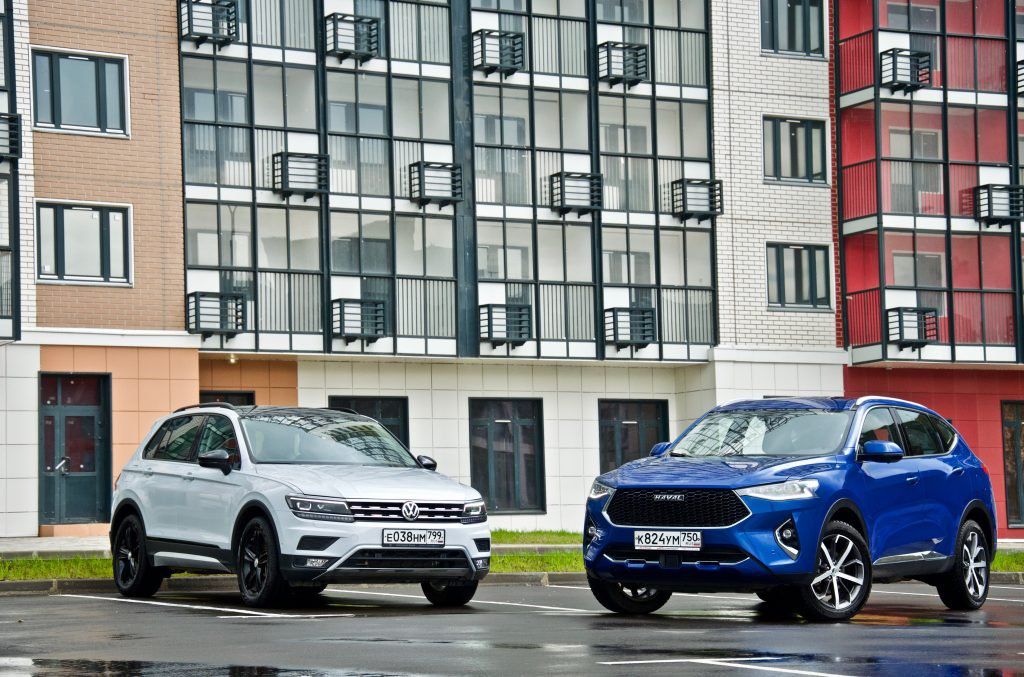
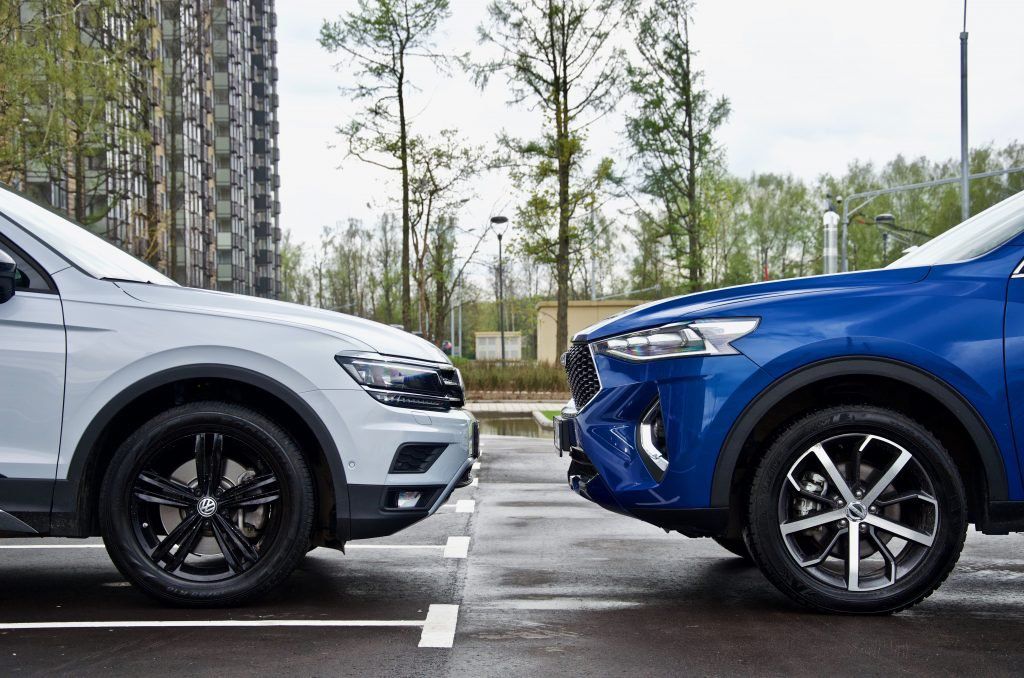
So, we’re diving headfirst into the world of SUVs today, specifically looking at the Haval F7 and its main competitors. And one of the biggest names in that arena is the Volkswagen Tiguan. Now, the Tiguan has been a mainstay in the compact SUV market for years, and for good reason. It’s known for its reliability, its refined driving experience, and its generally well-built interior. But how does it stack up against the Haval F7?
Let’s talk about price. The Tiguan typically sits in a slightly higher price bracket than the F7, which can be a significant factor for many buyers. We’re talking a difference that could be several THOUSAND dollars depending on the trim level and options you choose. That price difference, however, often reflects the Tiguan’s reputation for quality and its generally more premium feel. You’re paying for that Volkswagen badge, and the history of reliability that comes with it.
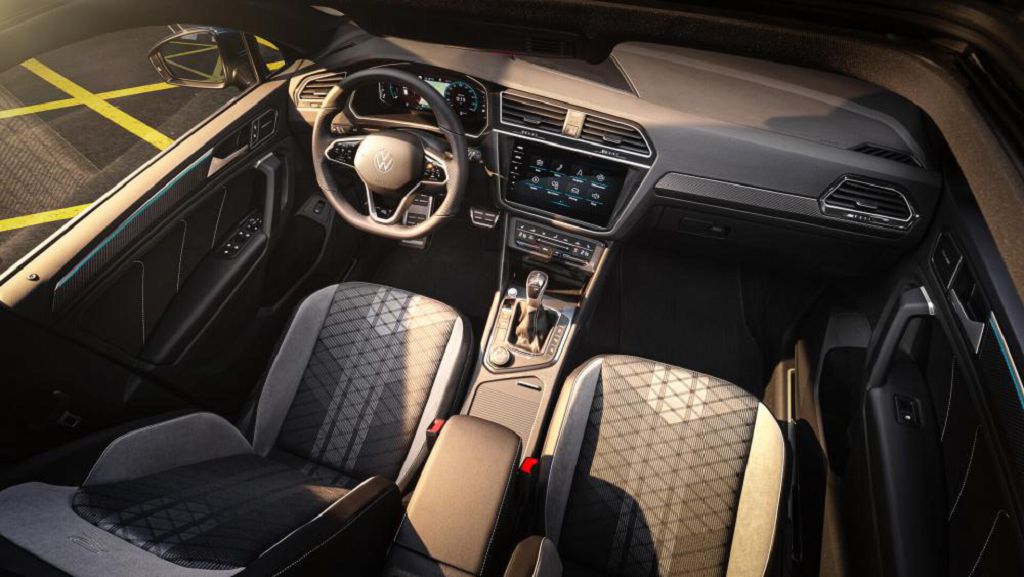
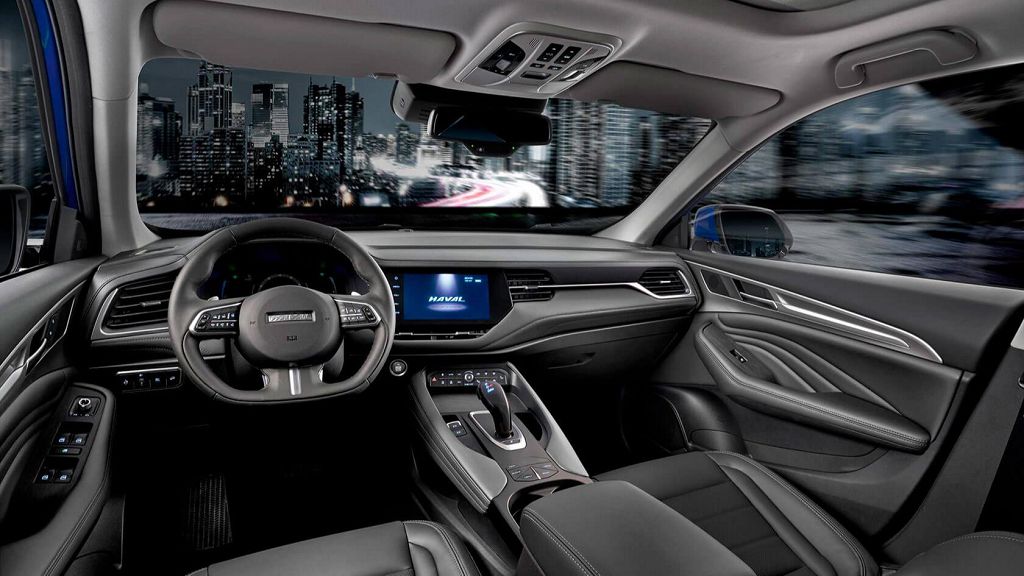
But the Haval F7 isn’t a slouch. It offers a compelling package at a more competitive price point. It boasts a spacious interior, often comparable to, or even exceeding, the Tiguan in terms of passenger and cargo space. And while the materials might not feel quite as luxurious as in the Tiguan, the F7 still provides a comfortable and well-equipped cabin. Technology is another area where both SUVs compete fiercely. The Tiguan often comes with a more sophisticated infotainment system, boasting a larger touchscreen and potentially more advanced features. However, the Haval F7 is rapidly catching up, offering increasingly user-friendly interfaces and a growing list of tech features in its higher trim levels. Think about things like advanced driver-assistance systems – both vehicles offer a range of safety features, but the specific offerings and their effectiveness can vary depending on the trim level and year of manufacture. It’s definitely worth doing your research and comparing specific specs.
Moving on to performance, both the Tiguan and the F7 offer a range of engine options, but their driving characteristics differ slightly. The Tiguan often feels more refined and composed on the road, with a more precise handling experience. The F7, on the other hand, can sometimes feel a bit more rugged, perhaps a bit less refined, but it can also offer a more powerful engine depending on the specific model. Fuel economy is another key consideration. While both SUVs are reasonably fuel-efficient for their size, the specific figures will depend on the engine and driving style. Again, comparing specific models and their EPA ratings is crucial before making a decision.
Finally, let’s touch on the overall ownership experience. Volkswagen has a well-established service network, which can be a significant advantage for many buyers. Access to parts and experienced mechanics is generally easier with a more established brand. Haval, while a newer player in many markets, is rapidly expanding its service network, but it might not yet match the widespread availability of Volkswagen dealerships. This is a crucial point to consider, especially if you’re concerned about long-term maintenance and repairs. So, while the Haval F7 offers a compelling value proposition, the Volkswagen Tiguan provides a more established and potentially more reliable ownership experience.
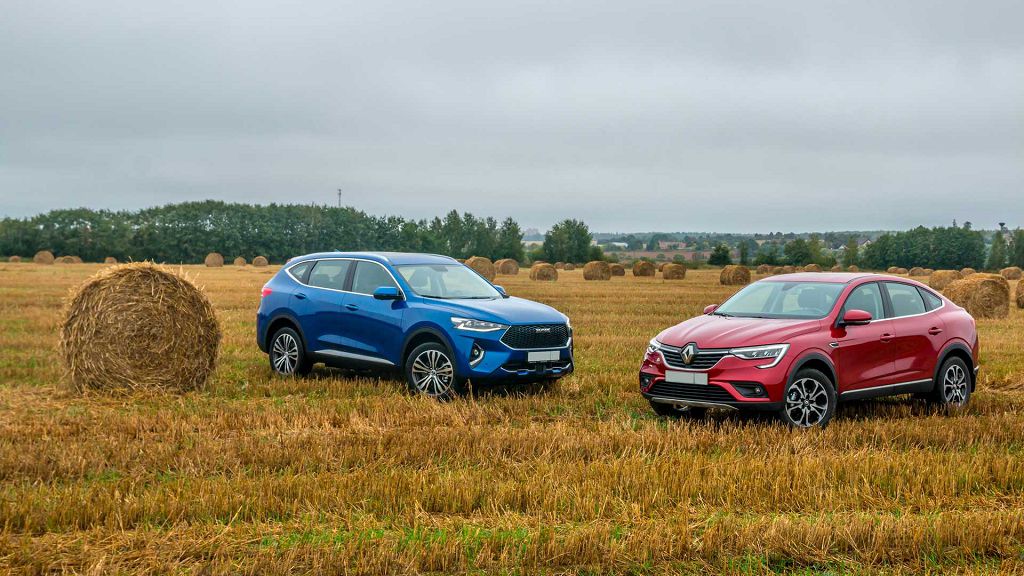
Now, let’s shift gears and look at another competitor: the Renault Arkana. This is a slightly different beast altogether. The Arkana is a coupe-SUV, meaning it blends the practicality of an SUV with the sportier styling of a coupe. This gives it a unique look and feel that sets it apart from both the Tiguan and the F7. However, this stylish design often comes at the cost of some rear headroom and cargo space. While it might be suitable for smaller families or individuals, those needing maximum space might find the Arkana a bit cramped.
The Arkana typically sits in a similar price range to the Haval F7, making it a direct competitor in terms of cost. However, the features and technology offered can vary significantly depending on the trim level and specific options. It’s important to compare apples to apples when looking at the specs. Performance-wise, the Arkana often offers a peppy engine, making it fun to drive, but it might not be as powerful as some of the higher-end F7 or Tiguan models. Fuel economy is generally competitive, but again, this depends on the specific engine and driving conditions.
Finally, the Renault brand itself has a different reputation compared to Volkswagen or Haval. While Renault has a long history, its brand perception and service network might not be as established in all markets as the other two. This is something to consider when evaluating the long-term ownership experience.
Lastly, we have the Volkswagen Atlas. This is a larger SUV, moving into the mid-size category, making it a different class of vehicle compared to the Haval F7, Tiguan, and Arkana. The Atlas offers significantly more space, both for passengers and cargo, making it a great choice for larger families or those who need to haul a lot of gear. However, this extra size comes with a price tag that’s considerably higher than the other vehicles we’ve discussed. We’re talking a substantial difference in the overall cost of ownership.
- Читайте также:
The Atlas, being a larger vehicle, also tends to have a different driving experience. It’s not as nimble or as fun to drive as the smaller SUVs, but it offers a more comfortable and stable ride, especially on longer journeys. Fuel economy is naturally lower due to its size and weight. Technology and features are generally comparable to the Tiguan, often offering similar infotainment systems and driver-assistance features, but again, the specific offerings will depend on the trim level. The Volkswagen brand reputation and service network are consistent with the Tiguan, offering a generally reliable and well-supported ownership experience. However, the higher price point and increased running costs associated with a larger vehicle are important factors to consider.
So, let’s dive straight into comparing the Haval F7 with some of its key rivals in the TWO THOUSAND AND TWENTY-TWO market. First up, we’ve got the Renault Arkana. Now, the Arkana is a stylish crossover coupe, and it definitely has a different vibe compared to the more traditional SUV look of the Haval F7. One thing that immediately stands out about the Arkana is its design. It’s sleek, it’s sporty, and it definitely turns heads. But how does it stack up in terms of practicality? Well, that’s where things get interesting. While the Arkana boasts a sporty profile, its sloping roofline does impact rear headroom, especially for taller passengers. The boot space is also a bit smaller compared to the F7. However, the Arkana often comes with a punchier engine option, offering a more spirited driving experience. It’s also generally priced a bit lower than the F7, making it a compelling option for budget-conscious buyers. But remember, that sporty design comes at the cost of some practicality. You really need to consider your priorities – style versus space – when comparing these two.
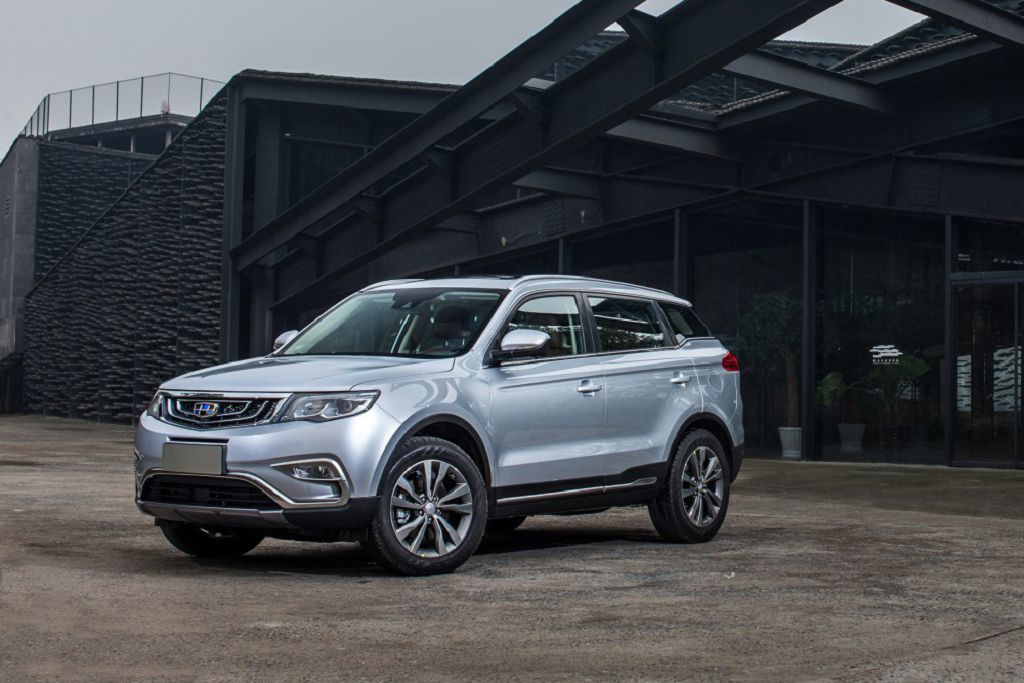
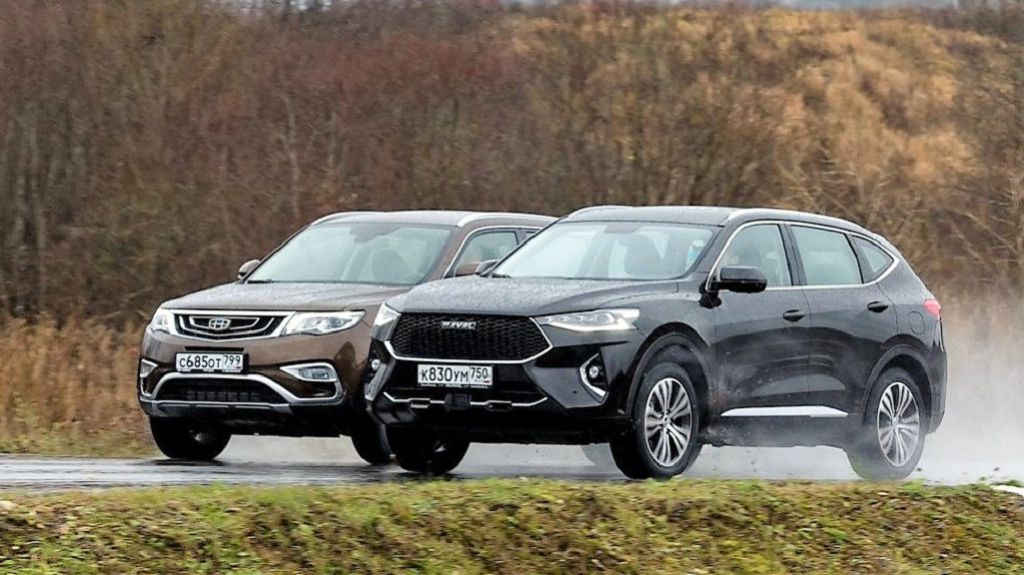
Next, let’s move on to the Geely Atlas. This is a strong contender, offering a similar size and overall package to the Haval F7. Both vehicles are aimed at a similar target audience, so the comparison is really quite insightful. When you look at the Atlas, you’ll notice a more conservative design compared to the Arkana. It’s a bit more understated, but still manages to look modern and appealing. Inside, the Atlas generally offers a comfortable and spacious cabin, often matching or even exceeding the F7 in terms of passenger and cargo space. The technology features are usually pretty comparable too, with both offering a decent range of infotainment and safety systems. Where the Atlas might edge out the F7 is in its fuel efficiency. Depending on the specific engine and trim level, the Atlas can sometimes boast better fuel economy figures. However, the F7 often comes with a slightly more powerful engine, providing a more robust driving experience. Ultimately, the choice between the F7 and the Atlas often boils down to personal preference in terms of styling, engine performance, and fuel efficiency. Both are solid choices, and the best one for you will depend on your individual needs and priorities. It’s a really close call, and I’d recommend test driving both to get a feel for which one suits you better.