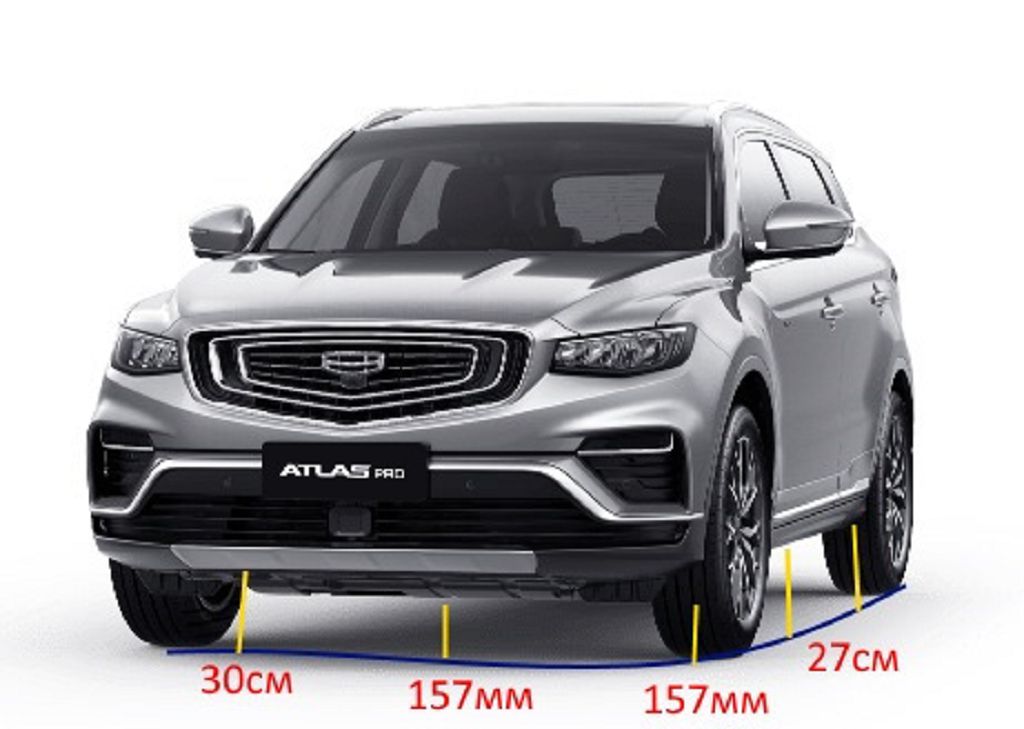
Hey everyone, let’s dive into the ground clearance of the Geely Atlas and Atlas Pro. This is a crucial factor for many SUV buyers, especially those who frequently drive on uneven roads or need that extra bit of clearance for off-road adventures. We’re going to break down exactly what ground clearance means, what the factory specs are for both the Atlas and Atlas Pro, and then we’ll get into the real-world measurements – because sometimes those factory figures aren’t quite the whole story. We’ll also touch on how you can potentially increase your ground clearance if you feel you need more.
First, let’s talk about what ground clearance actually is. It’s the vertical distance between the lowest point of your vehicle’s undercarriage – that’s usually the oil pan or the differential – and the ground. This measurement is critical because it determines how easily your vehicle can navigate obstacles like speed bumps, potholes, and uneven terrain. A higher ground clearance means you can handle rougher roads with more confidence. Now, the ground clearance varies depending on the specific trim level and even the year of manufacture of your Geely Atlas or Atlas Pro. So, it’s always best to check your owner’s manual for the precise factory specification for your particular vehicle. Generally speaking, you’ll find that the Geely Atlas and Atlas Pro fall within a similar range, but there might be slight differences. We’ll be looking at some average figures here, but remember to always double-check your own vehicle’s documentation. You might see figures quoted around ONE HUNDRED EIGHTY to TWO HUNDRED millimeters, but again, this can vary.
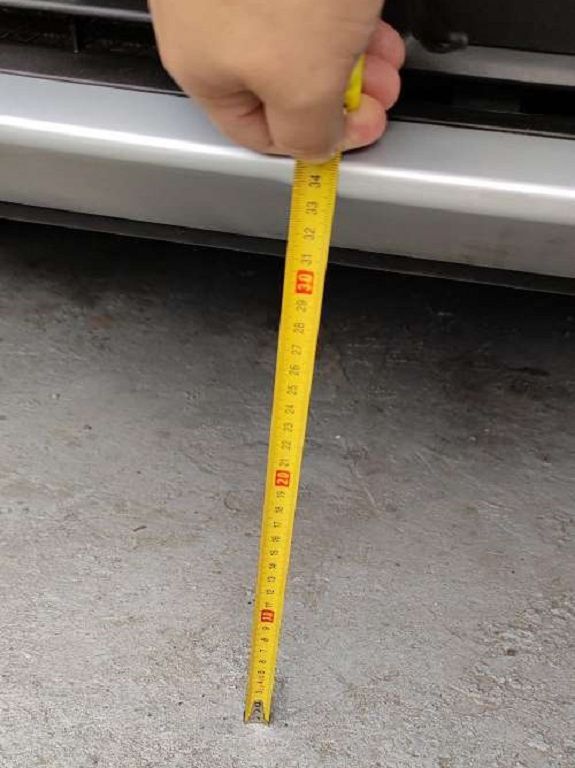
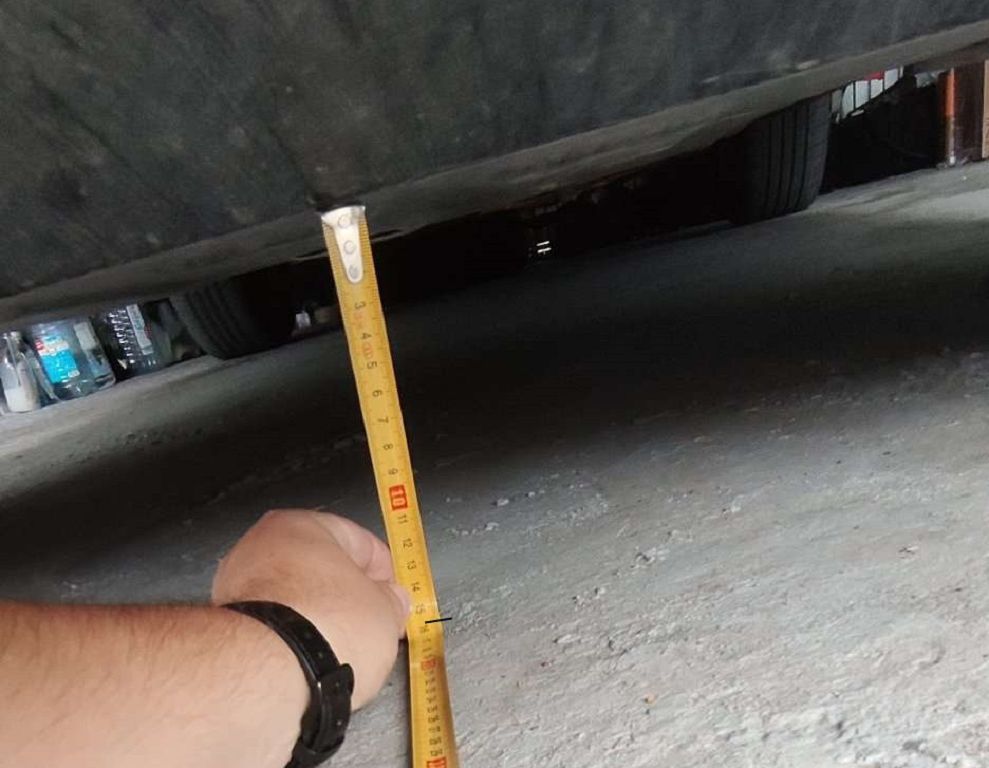
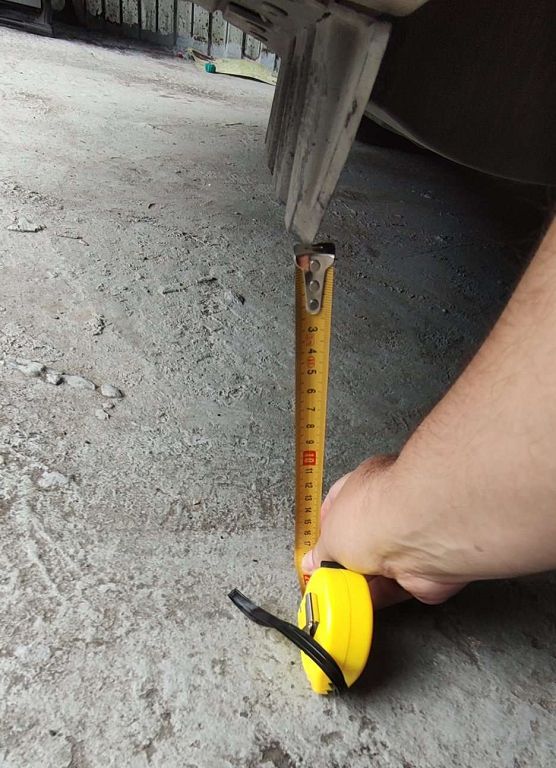
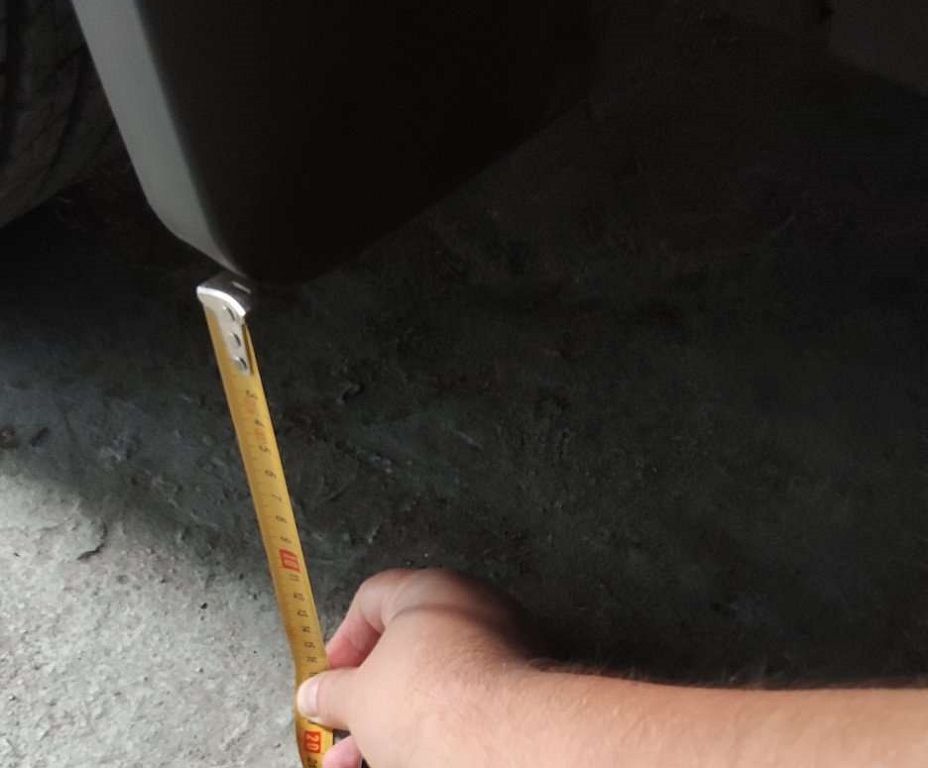
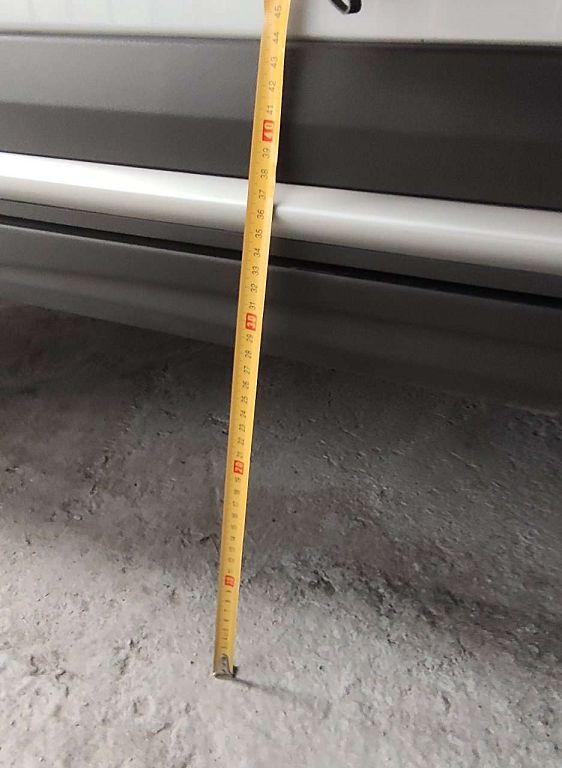
Now, let’s talk about how to actually measure your ground clearance. This isn’t as simple as just grabbing a ruler! You need to find the absolute lowest point on your vehicle’s undercarriage. This often involves getting down on your hands and knees and carefully inspecting the entire underside. Once you’ve located that lowest point, you’ll need a straight, sturdy measuring tool – a tape measure is ideal. Make sure your vehicle is parked on a level surface. Then, carefully measure the distance from that lowest point to the ground. Remember to take multiple measurements from different angles to get an accurate average. It’s important to be precise here, as even a small difference can impact your vehicle’s off-road capabilities. And remember, this real-world measurement might differ slightly from the factory specification due to factors like tire wear and the vehicle’s load.
Finally, let’s discuss ways to potentially increase your ground clearance. This is something many owners consider, especially if they regularly encounter challenging terrain. One of the most common methods is to install a lift kit. These kits raise the suspension of your vehicle, effectively increasing the ground clearance. However, it’s crucial to choose a lift kit that’s specifically designed for your Geely Atlas or Atlas Pro. Using an incompatible kit can damage your vehicle’s components and compromise its handling and safety. Another option is to switch to larger diameter tires. Larger tires will increase the overall height of your vehicle, providing more ground clearance. Again, it’s vital to ensure that the new tires are the correct size and rating for your vehicle to avoid any issues with your speedometer, handling, or other critical systems. Remember, always consult with a qualified mechanic before making any modifications to your vehicle’s suspension or tires. They can advise you on the best options for your specific needs and ensure the modifications are done safely and correctly. Improper modifications can lead to serious problems, so it’s always best to err on the side of caution.
Hey everyone, let’s dive into the ground clearance of the Geely Atlas and Atlas Pro. This is a question I get asked a lot, and it’s a really important one, especially if you plan on driving off-road or on uneven surfaces. So, what’s the deal?
The factory specifications often state a ground clearance figure, usually somewhere around SEVEN to EIGHT inches for both the Atlas and Atlas Pro. But, that’s just the factory spec. The real-world ground clearance can be a bit different. You see, the factory measurement is typically taken at a specific point on the vehicle, often the lowest point of the chassis, under ideal conditions. In reality, things like the weight of the vehicle, the load you carry, and even the tire pressure can all affect the actual ground clearance. I’ve seen variations of up to an inch or so, sometimes even more depending on the specific model year and trim level. So, don’t just rely on the brochure; it’s always a good idea to measure it yourself using a measuring tape or a ruler. Find the lowest point of your vehicle, usually somewhere near the front or rear differential, and measure the distance from the ground to that point. This will give you a much more accurate idea of your real-world ground clearance.
Now, let’s talk about increasing ground clearance. This is something many owners want to do, especially if they frequently drive on rough terrain. There are several ways to achieve this. One of the most common and effective methods is to install a lift kit. These kits raise the suspension, providing more ground clearance. However, it’s crucial to choose a kit that’s specifically designed for your Geely Atlas or Atlas Pro. Using an incompatible kit can negatively impact your vehicle’s handling and stability. It’s also important to consider the potential impact on your warranty. Always check with your dealer before making any modifications.
Another way to increase ground clearance is by using larger diameter tires. Larger tires will naturally increase the ride height. However, you need to be careful here. Larger tires can affect your speedometer accuracy, your gearing, and even potentially rub against the wheel wells. It’s essential to do your research and ensure the larger tires are compatible with your vehicle’s specifications. You might even need to adjust your wheel arches or fenders to accommodate the larger tires.
Finally, there’s the option of using wheel spacers. These are metal plates that fit between the wheel and the hub, effectively pushing the wheels further outwards, increasing the ground clearance slightly. However, wheel spacers can also affect your vehicle’s handling and stability, so it’s crucial to use high-quality spacers and install them correctly. Again, check with your dealer or a qualified mechanic before using wheel spacers. Remember, safety should always be your top priority.
- Читайте также:
So, to summarize, while the factory ground clearance of the Geely Atlas and Atlas Pro is usually around SEVEN to EIGHT inches, the real-world clearance can vary. You can increase ground clearance through lift kits, larger tires, or wheel spacers, but always remember to do your research and ensure compatibility to avoid any negative consequences. Remember to always prioritize safety and consult with professionals when making modifications to your vehicle.