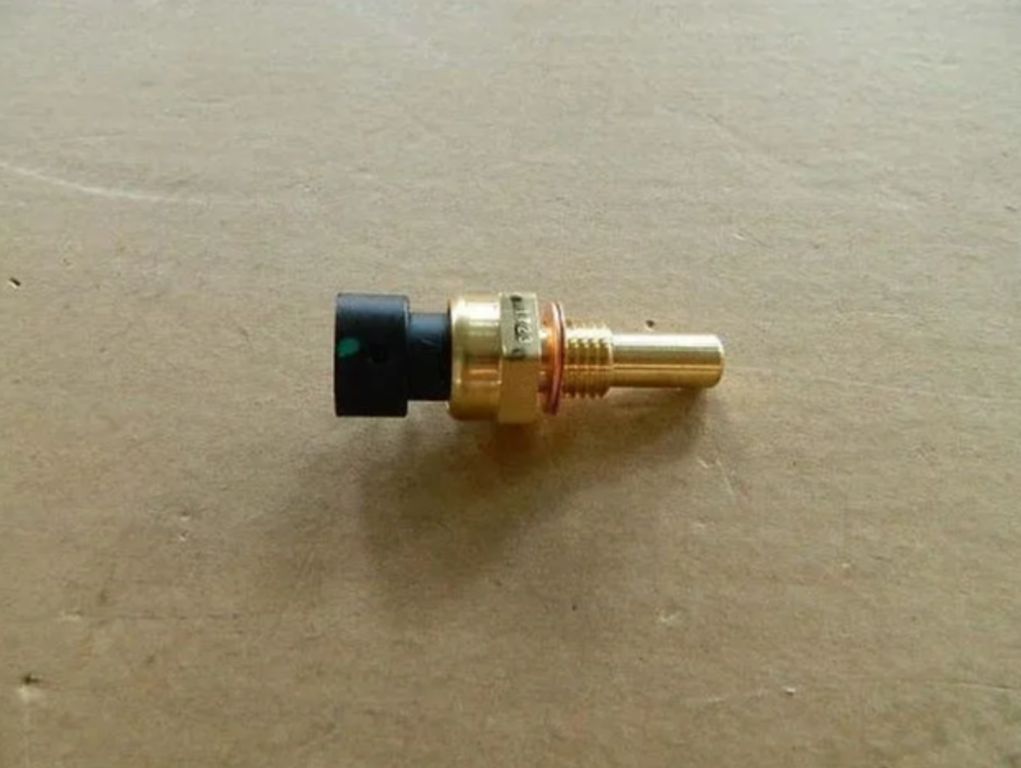
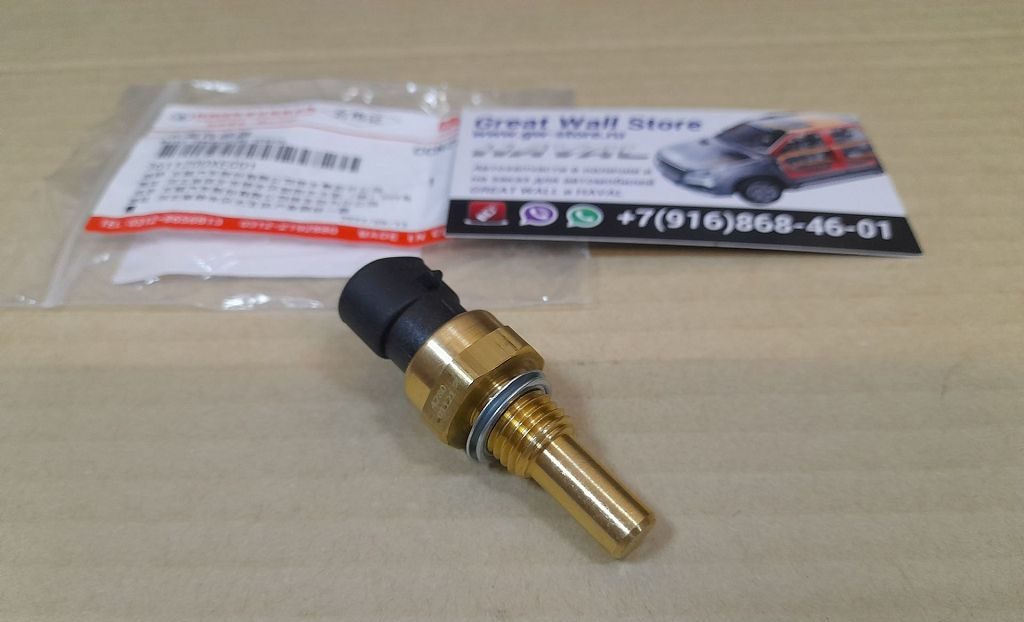
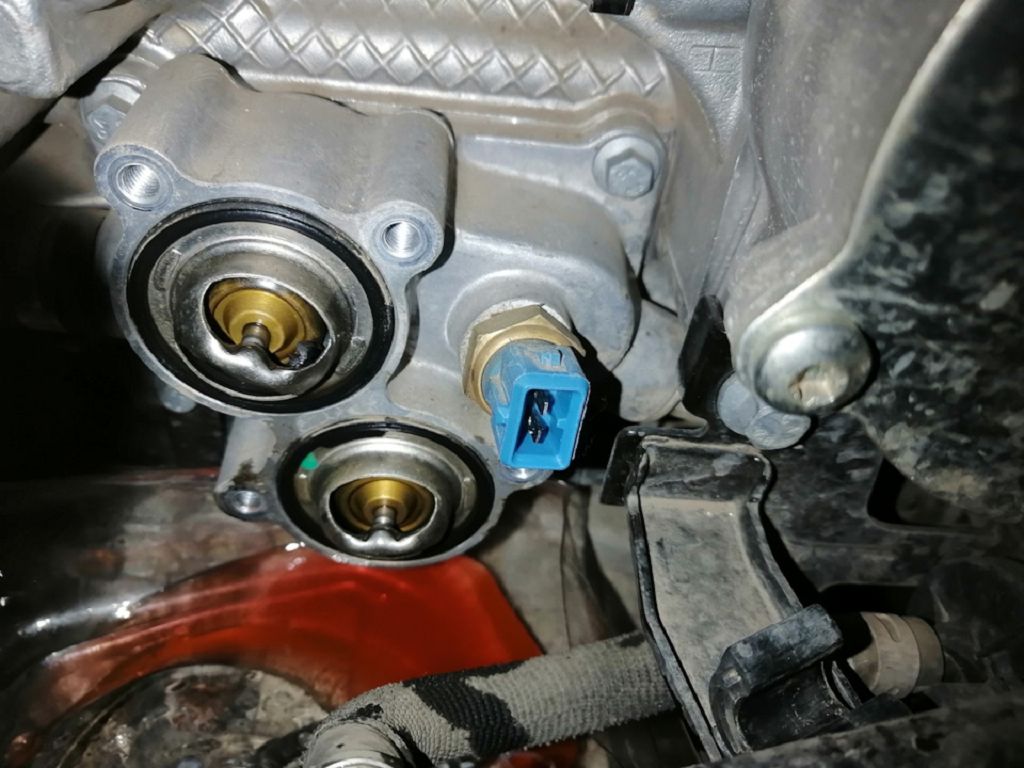
Hey everyone, let’s dive into the mystery of the HAVAL F7 and F7x coolant temperature sensors. It’s a question I get asked a lot, and honestly, it’s a bit more complicated than you might think. The simple answer isn’t just ONE or TWO. It’s more nuanced than that.
First, we need to understand that there are different types of coolant temperature sensors, each serving a unique purpose within the vehicle’s system. We’re not just talking about one sensor monitoring the temperature and displaying it on your dashboard. There are several sensors working together to ensure your engine runs optimally and safely.
One crucial sensor is the one that feeds information to the Engine Control Unit, or ECU. This is the brains of the operation, and it relies on accurate temperature readings from this sensor to adjust fuel injection, ignition timing, and other critical engine parameters. Think of it as the primary sensor, the one that’s constantly monitoring the engine’s vitals and reporting back to the ECU. Without this sensor functioning correctly, your engine could run inefficiently, overheat, or even suffer serious damage. It’s a pretty important little component.
Then, there’s the sensor that’s responsible for the temperature gauge on your dashboard. This one provides you, the driver, with a visual representation of the engine’s temperature. While it’s related to the ECU sensor, it’s a separate unit, and a failure in one doesn’t necessarily mean the other will fail. This sensor is all about keeping YOU informed. It’s your visual warning system, letting you know if things are getting too hot under the hood.
Now, here’s where things get a little more interesting. Depending on the specific year and trim level of your HAVAL F7 or F7x, there might be additional sensors. Some models incorporate a sensor for the climate control system. This sensor helps the climate control system regulate the temperature of the air blowing into the cabin. It’s not directly related to engine performance, but it uses the coolant temperature as a factor in its calculations. So, while not essential for engine operation, it’s still a part of the overall coolant temperature sensing network.
Finally, let’s talk about location. These sensors aren’t all clustered together in one convenient spot. The ECU sensor is usually located near the engine block itself, where it can get the most accurate reading. The gauge sensor might be in a slightly different location, perhaps on a coolant hose or somewhere else easily accessible for monitoring. And the climate control sensor’s location will vary depending on the vehicle’s design.
So, to answer the initial question directly: there isn’t a single definitive answer to how many coolant temperature sensors are in a HAVAL F7 or F7x. It’s likely THREE, but potentially more depending on the specific model and year. It’s always best to consult your vehicle’s service manual for the most accurate information. Remember, understanding your vehicle’s systems is key to maintaining its health and longevity.
Hey everyone, let’s dive into the world of coolant temperature sensors in the HAVAL F7 and F7x. It’s a topic that might seem a little dry, but trust me, understanding how these sensors work is crucial for keeping your engine running smoothly. So, the big question: how many coolant temperature sensors do these vehicles actually have? Well, it’s not a simple ONE or TWO answer. It’s a bit more nuanced than that.
First, let’s talk about the basics. What exactly is a coolant temperature sensor? It’s a small but vital component that measures the temperature of the engine coolant. This coolant, as you know, circulates throughout the engine block, absorbing heat and preventing overheating. The sensor itself is typically a thermistor, a type of resistor whose resistance changes with temperature. As the coolant gets hotter, the resistance of the sensor changes, and this change is interpreted by the car’s Engine Control Unit, or ECU. The ECU then uses this information to adjust various engine parameters, such as fuel injection timing and the operation of the cooling fan, to maintain the optimal operating temperature. Think of it as the engine’s thermostat, but instead of physically controlling the flow of coolant, it provides the information the system needs to make those decisions.
- Читайте также:
Now, let’s get into the specifics of the HAVAL F7 and F7x. These vehicles, like many modern cars, don’t just have ONE coolant temperature sensor. They typically have at least TWO, sometimes even THREE, depending on the specific year and trim level. ONE sensor is usually the primary sensor, providing the main temperature reading to the ECU. This sensor is critical for the engine’s overall operation. A malfunctioning primary sensor can lead to a range of problems, from poor fuel economy to engine damage. It’s the sensor that the ECU relies on most heavily to make critical decisions about engine management.
The second sensor, often referred to as the gauge sensor, is responsible for providing the temperature reading displayed on your instrument cluster. This sensor is primarily for the driver’s information, allowing you to monitor the engine’s temperature. While not as critical as the primary sensor for engine operation, a faulty gauge sensor can still leave you without crucial information, potentially leading to problems if you’re not paying close attention to other warning signs. It’s important to remember that even though the gauge sensor is secondary, it still plays a vital role in keeping you informed about your vehicle’s health.
Now, that third sensor? That’s where things get a little more complex. Some HAVAL F7 and F7x models might have an additional sensor for specific functions, such as controlling the heating system or providing data for advanced driver-assistance systems. This third sensor isn’t always present, and its exact function can vary. However, its presence highlights the increasing complexity of modern vehicle systems and the growing reliance on accurate temperature readings for optimal performance and safety.
So, to summarize, while a definitive answer of «TWO» or «THREE» might seem straightforward, the reality is that the number of coolant temperature sensors in a HAVAL F7 or F7x depends on the specific model year and configuration. Understanding the role of each sensor – the primary sensor for engine control, the gauge sensor for driver information, and potentially a third sensor for other functions – is key to diagnosing any potential issues and ensuring the long-term health of your vehicle. Remember to always consult your owner’s manual for specific details about your particular model.