So, we’re diving into the world of tire pressure sensors today, specifically those found in the HAVAL F7 and F7X. A common question I get is whether these sensors are the standard Schrader type, and that’s exactly what we’re going to explore. There’s a bit of mystery surrounding these, and I’ve done some digging to get to the bottom of it.
Let’s talk about the different types of tire pressure monitoring systems (TPMS) you might encounter. There are direct TPMS, which use sensors inside the tire valve stem, and indirect TPMS, which rely on the ABS system to estimate tire pressure. The HAVAL F7 and F7X use a direct TPMS, meaning there’s a sensor inside each tire. But the question remains: what kind of sensor is it?
Now, the Schrader valve is the industry standard. It’s what most people think of when they hear «tire pressure sensor.» It’s a reliable, widely used system. But not all direct TPMS sensors are Schrader. There are other manufacturers out there, and sometimes it’s not immediately obvious what type of sensor you’re dealing with. This is especially true when you’re troubleshooting an error, as we are today.
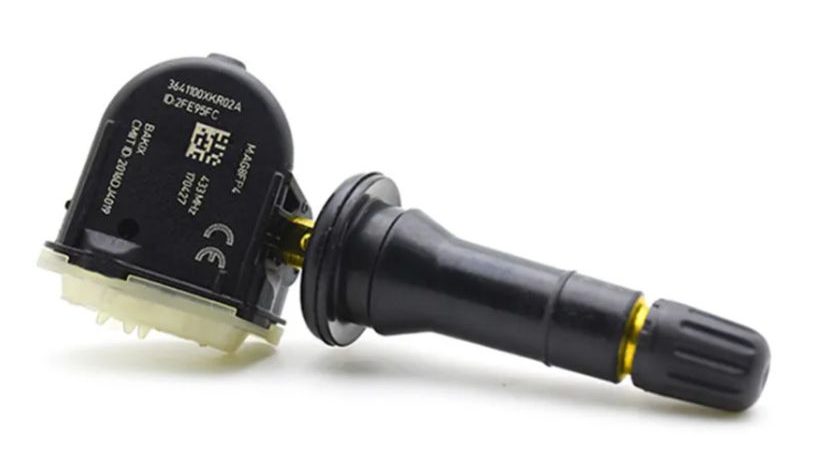
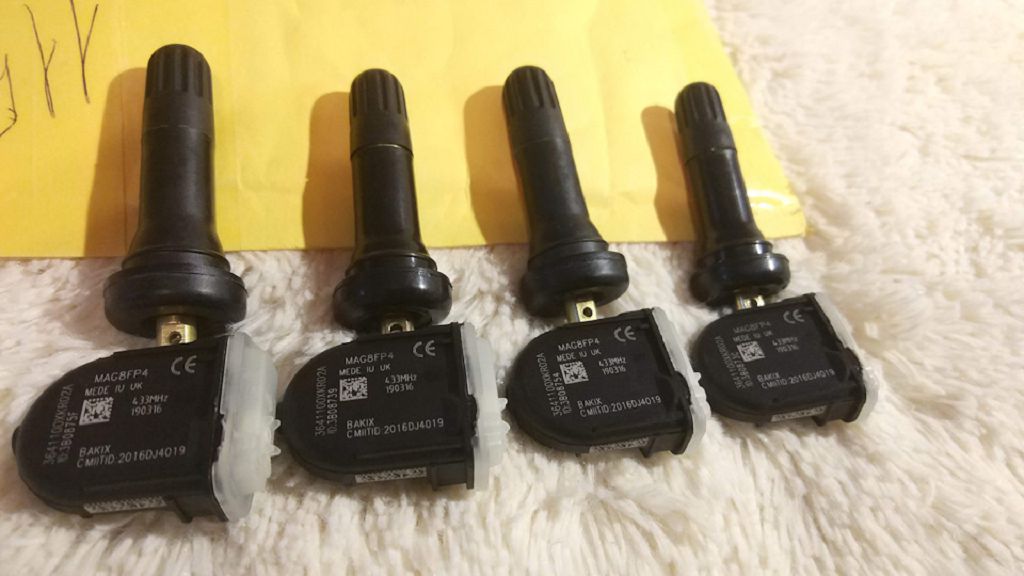
The error message on my HAVAL F7X prompted this investigation. I wanted to know exactly what I was dealing with before I started troubleshooting. And that’s where the «MADE IN UK» marking comes in. This marking, often found on the sensor itself, is a clue. While it doesn’t explicitly state the manufacturer, it narrows down the possibilities and helps us understand the sensor’s origin. It suggests a high-quality component, which is reassuring. However, simply knowing it’s «MADE IN UK» doesn’t definitively tell us if it’s a Schrader valve or a different type. We need to look closer.
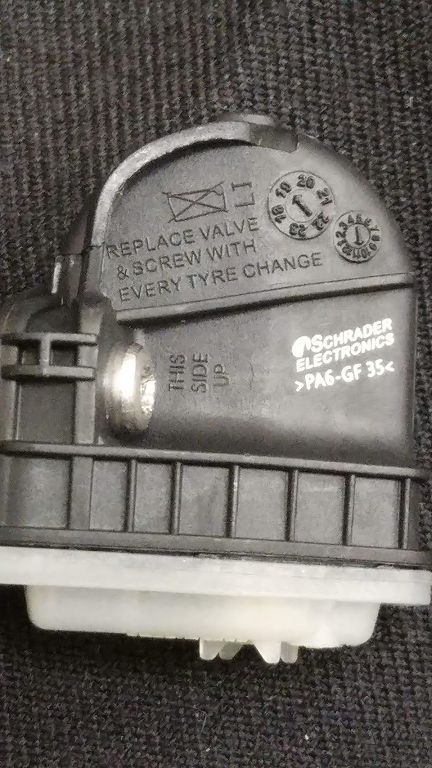
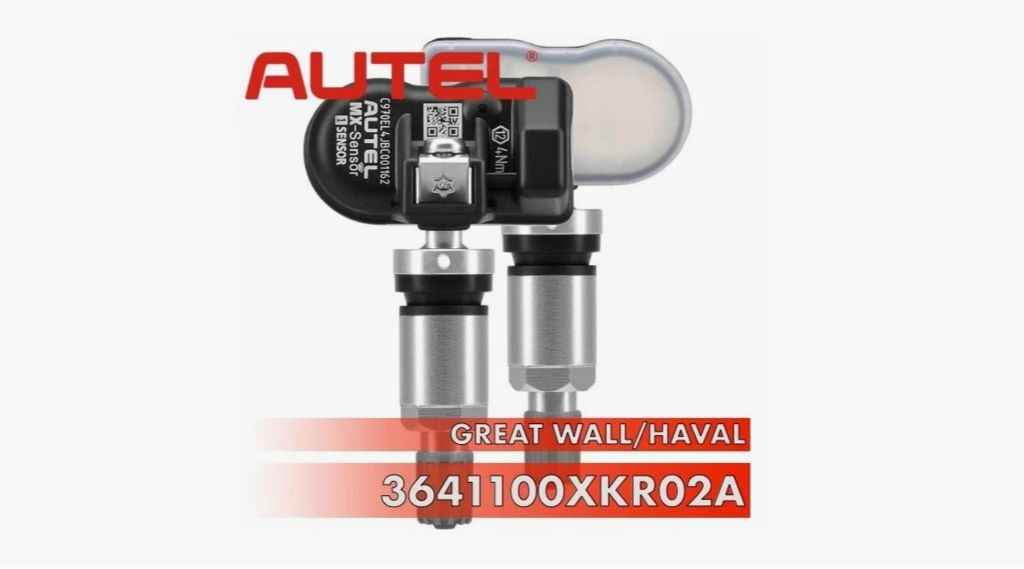
To truly determine if it’s a Schrader sensor, we need to physically examine the sensor itself. This often involves removing the sensor from the valve stem. Once removed, you can carefully inspect the sensor for any markings or identifying information that might confirm or deny its Schrader origin. This is where a detailed visual inspection is crucial. Look for logos, part numbers, or any other identifying features that might match known Schrader sensor models. Online resources and databases can be helpful in this process. Comparing your findings to images and specifications of known Schrader sensors will help you reach a conclusion. Remember to be careful when handling the sensor, as it’s a delicate piece of equipment.
So, while the «MADE IN UK» marking gives us a hint about the sensor’s origin and quality, it doesn’t definitively answer the question of whether it’s a Schrader sensor. A thorough visual inspection of the sensor itself is the only way to be certain. I hope this helps you understand the complexities of TPMS sensors and how to identify the type used in your HAVAL F7 or F7X. Let me know in the comments if you have any questions or if you’ve had a similar experience!
So, you’re dealing with a tire pressure monitoring system (TPMS) error on your HAVAL F7 or F7X? Let’s dive into whether those sensors need special ordering or if there are any alternatives.
First off, the big question: are the TPMS sensors in your HAVAL F7/F7X standard Schrader valves, or something more specialized? This is a crucial question because it dictates how easy – or difficult – replacing a faulty sensor will be. Many vehicles use standard Schrader valves, meaning you can easily find replacements at most auto parts stores. You can even find universal TPMS sensors that are compatible with a wide range of vehicles. However, some manufacturers, for whatever reason, decide to go with proprietary systems. This means you’re often stuck buying directly from the dealership, which can be significantly more expensive. And let’s be honest, nobody wants to pay dealership prices if they can avoid it.
Now, let’s talk about finding out if your HAVAL F7/F7X uses standard Schrader valves or a proprietary system. The easiest way is to visually inspect the sensors themselves. If you can easily see the valve stem and it looks like a standard Schrader valve, chances are you’re in luck. You can probably find a replacement at your local auto parts store or online. However, if the sensor looks different, more integrated into the wheel, or if you can’t easily identify the valve stem, then it’s likely a proprietary system. In that case, you’ll probably need to consult your owner’s manual or contact a HAVAL dealership to confirm. Your owner’s manual should specify the exact type of TPMS sensor used and provide part numbers if replacements are needed.
- Читайте также:
Let’s say you’ve checked and it’s not a standard Schrader valve. What are your alternatives then? Well, your primary alternative is, unfortunately, the dealership. They’ll have the correct sensors, but be prepared for a potentially hefty price tag. Before you go that route, though, I’d recommend thoroughly researching online. Sometimes, independent auto parts stores or online retailers might carry compatible sensors, even if they aren’t explicitly listed for the HAVAL F7/F7X. You might find some aftermarket options that are compatible, but always double-check compatibility before purchasing. It’s worth the extra effort to avoid overpaying. Remember to always check reviews and ratings before ordering any parts online to ensure you’re getting a quality product. A faulty replacement sensor is just as frustrating as a faulty original one.
Finally, remember that even if you find a replacement sensor, you might need to have it programmed to your vehicle’s system. Many modern TPMS systems require sensors to be registered with the car’s computer. This usually requires specialized tools and knowledge, so you might need to take your vehicle to a qualified mechanic or tire shop to have the new sensor properly installed and programmed. This is an important step, as an improperly programmed sensor might still trigger error messages or provide inaccurate readings. Don’t skip this step! It’s a crucial part of ensuring your TPMS system functions correctly and keeps you safe.