Hey everyone, let’s dive deep into the suspension of the Geely Coolray, specifically looking at the changes introduced in the TWO THOUSAND AND TWENTY-THREE restyling. We’ll be exploring both the good and the bad, so buckle up!
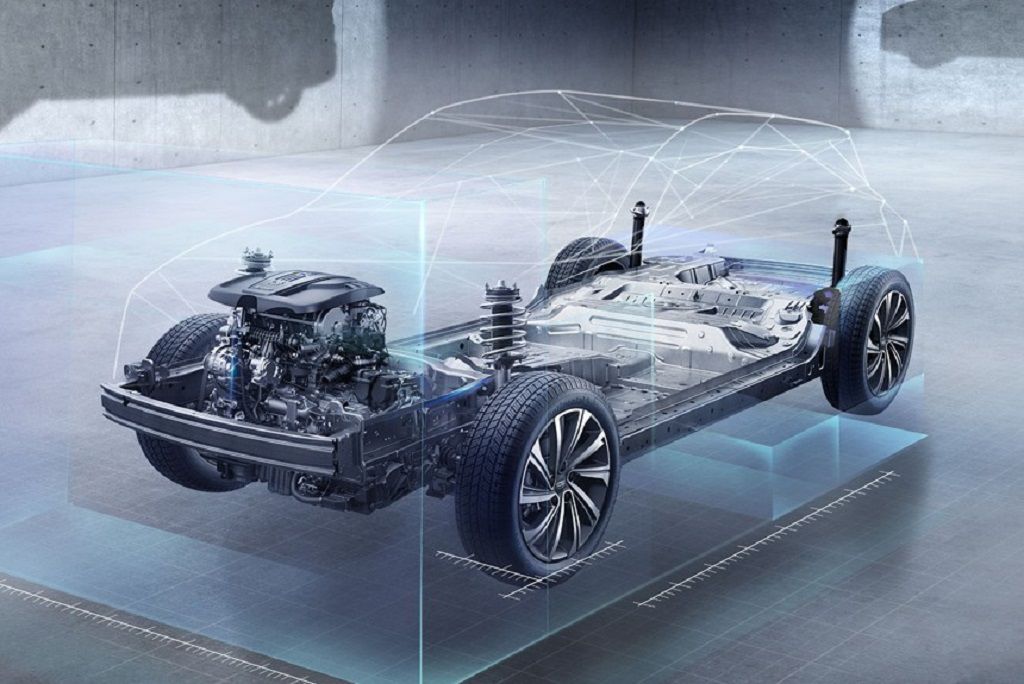
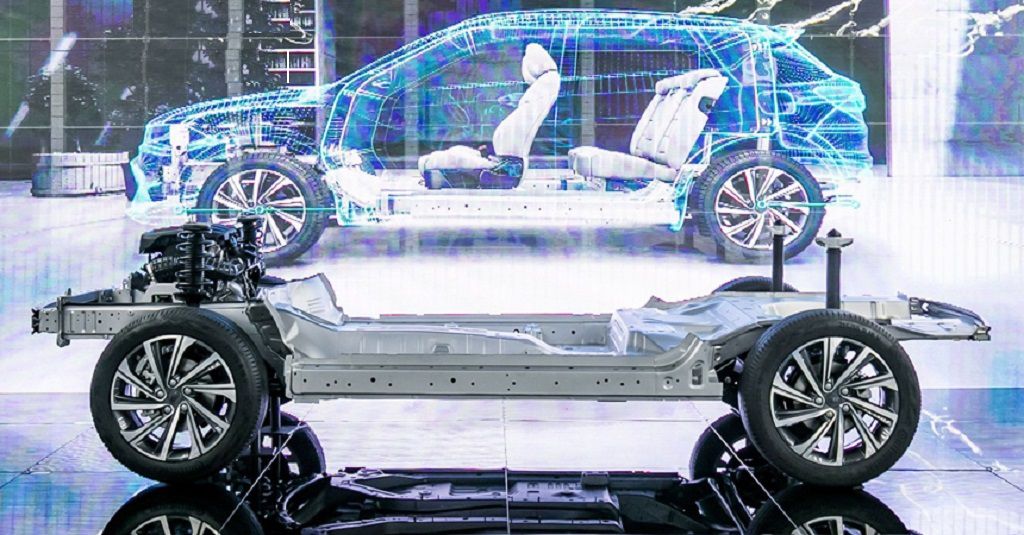
First off, let’s talk about the advantages of the BMA modular architecture that underpins the Coolray. This platform is a game-changer for Geely, offering a significant boost in overall vehicle dynamics. The BMA architecture allows for a more rigid chassis, which translates directly to improved handling and a more refined ride. The clever engineering behind the BMA allows for optimized weight distribution, contributing to better stability, especially at higher speeds. It’s not just about the rigidity though; the design also incorporates strategically placed reinforcements to absorb impact energy more effectively, enhancing both passenger safety and the longevity of the suspension components themselves. We’re talking about a significant leap forward in terms of engineering sophistication compared to previous generations of compact SUVs. The improved stiffness also means less unwanted body flex, leading to a more precise and predictable driving experience. You’ll feel the difference, especially on uneven roads.
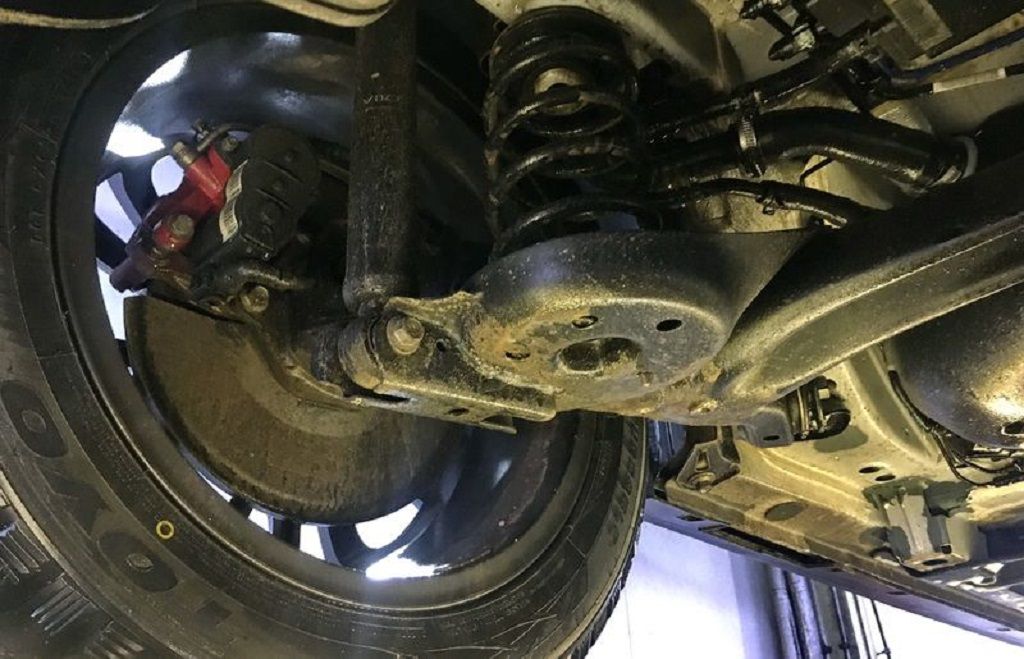
Now, let’s shift gears and address the elephant in the room: the disadvantages and typical failures of the traditional Coolray suspension. Before the TWO THOUSAND AND TWENTY-THREE update, some owners reported issues with the front struts, particularly premature wear and tear, often manifesting as knocking noises or a generally less comfortable ride. The rear suspension, while generally more robust, wasn’t immune to problems. Some owners experienced issues with the bushings, leading to increased noise and vibrations. These issues weren’t widespread, but they were significant enough to warrant attention. The causes were varied, ranging from poor road conditions to aggressive driving styles. However, many felt that the original suspension setup wasn’t quite as durable or refined as it could have been, given the overall quality of the vehicle. It’s important to remember that these issues were more prevalent in earlier models, and Geely has clearly addressed these concerns in the updated version.
Finally, let’s get to the heart of the matter: the results of the restyling of the chassis-to-body suspension system in the TWO THOUSAND AND TWENTY-THREE Coolray. Geely has clearly listened to the feedback. The TWO THOUSAND AND TWENTY-THREE model boasts significant improvements across the board. The front struts have been redesigned for increased durability and refined damping characteristics. This translates to a smoother, more controlled ride, even on rough surfaces. The changes aren’t just about increased durability; they’ve also focused on improving the overall driving experience. The handling feels more precise and responsive, giving the driver more confidence. The rear suspension has also received attention, with upgraded bushings and improved geometry. This results in reduced noise and vibration, contributing to a quieter and more comfortable cabin. The overall feel is significantly more refined and sophisticated, a testament to Geely’s commitment to continuous improvement. The changes are substantial enough that you’ll notice a marked difference if you’ve driven both the pre- and post-restyling models. The improvements are not just cosmetic; they represent a genuine step forward in terms of engineering and refinement. The TWO THOUSAND AND TWENTY-THREE Coolray suspension is a significant improvement over its predecessor, addressing many of the previous shortcomings and delivering a more refined and enjoyable driving experience.
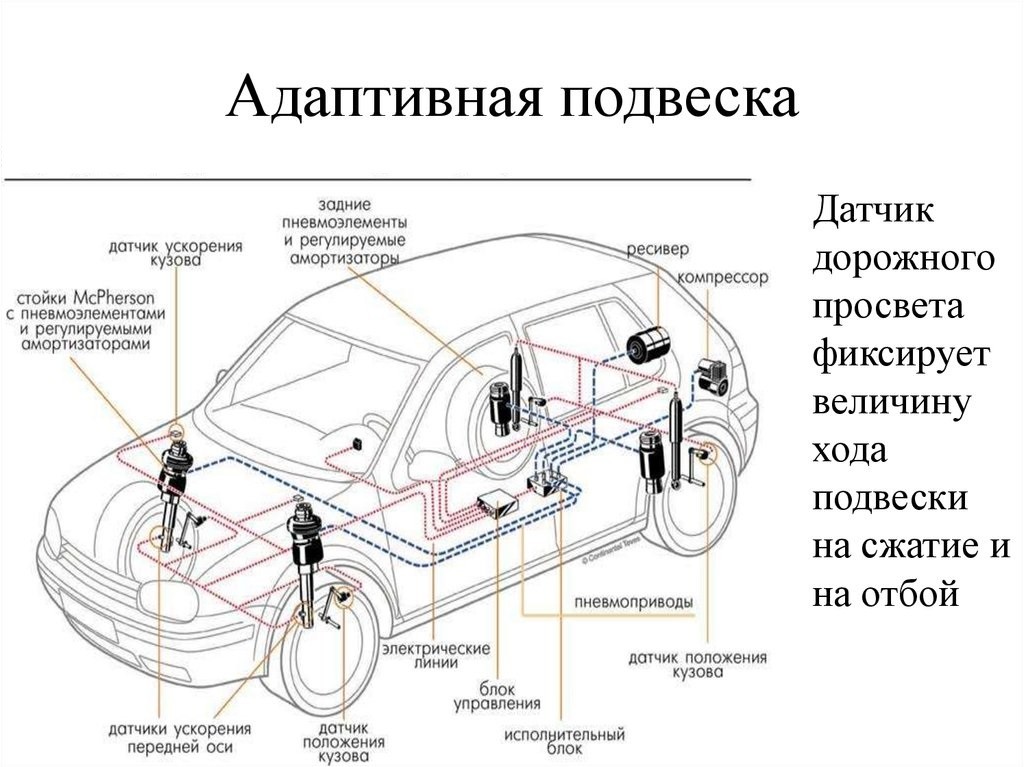
So, let’s dive straight into the exciting upgrades to the Geely Coolray’s suspension system for the TWO THOUSAND AND TWENTY-THREE restyling. We’re talking about a significant leap forward in terms of comfort, handling, and overall driving experience. One of the most significant advancements is the potential inclusion of adaptive suspension. Now, this isn’t something that’s standard across the board, it depends on the trim level you choose, but it’s a game-changer if you get it. Adaptive suspension uses sensors to constantly monitor the road surface and adjust the damping force of the shock absorbers in real-time. This means a smoother ride on bumpy roads, and better handling and control on winding roads. Think of it as having the perfect suspension setup for every situation, automatically adjusted. It’s truly impressive technology.
Next, let’s talk about electronic shock absorber systems. Even if your Coolray doesn’t have the full adaptive setup, the chances are it’s equipped with an electronic system. This isn’t quite as sophisticated as the fully adaptive version, but it still offers a noticeable improvement over the older, passive systems. These systems allow for a degree of adjustment, often controlled through different driving modes. You might have options like «Comfort,» «Sport,» or «Eco,» each altering the shock absorber settings to prioritize ride comfort, handling responsiveness, or fuel efficiency. It’s a step up from a completely fixed setup, giving you more control over the driving experience.
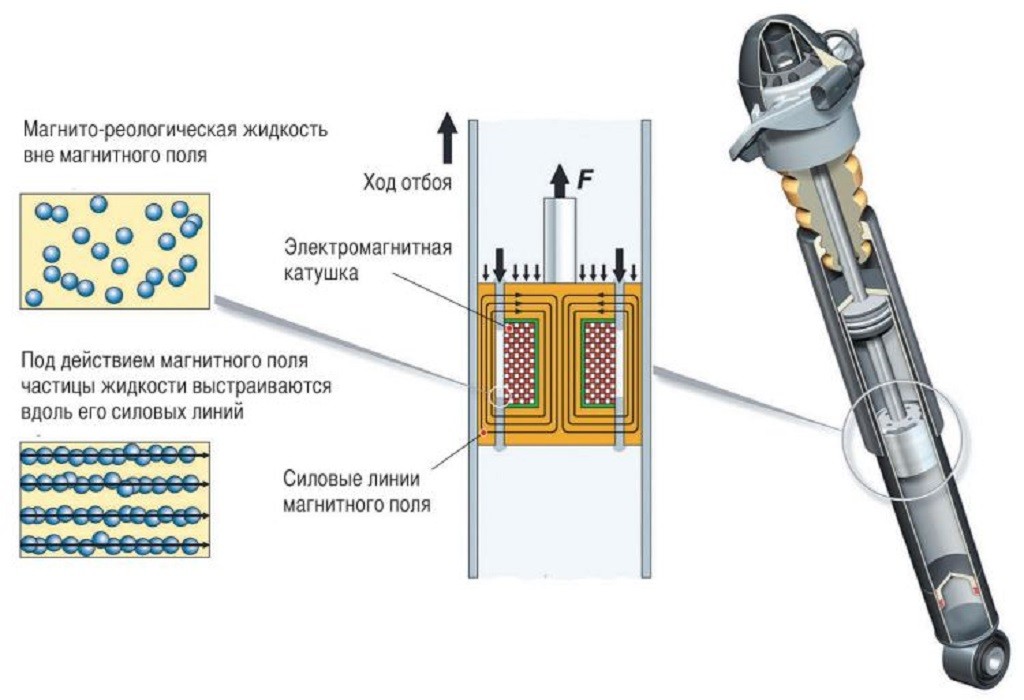
Then there’s the possibility of magnetorheological shock absorbers. These are a more advanced type of electronic shock absorber, using magnetic fields to control the damping fluid’s viscosity. This allows for incredibly precise and rapid adjustments to the suspension’s response, resulting in an even smoother and more controlled ride than with standard electronic systems. They’re typically found on higher-end vehicles, so their presence in the Coolray would be a significant upgrade, indicating a real commitment to enhancing the driving experience. The responsiveness is simply phenomenal; you’ll feel the difference immediately.
Finally, let’s not forget the importance of monitoring current roadway conditions. All these advanced suspension systems rely heavily on sophisticated sensors to gather data about the road surface. These sensors constantly monitor things like bumps, potholes, and changes in road gradient. This information is then used by the suspension’s control unit to make real-time adjustments, ensuring optimal comfort and handling in all driving situations. The more sophisticated the sensor technology, the better the suspension system can react and adapt to the road, leading to a truly remarkable driving experience. This constant monitoring is the key to the effectiveness of these advanced suspension technologies. It’s not just about having the right hardware, it’s about having the intelligence to use it effectively.

- Читайте также: