So, you’re looking at a used Chery Tiggo T11, huh? Smart move, they’re pretty decent crossovers. But before you hand over your hard-earned cash, let’s talk about something crucial: the suspension. The Tiggo T11, depending on the year and trim level, could have a few different suspension setups. You might find a fairly standard MacPherson strut setup at the front, which is pretty common and generally reliable. This uses struts that combine the shock absorber and spring in a single unit. At the rear, you might see a torsion beam axle, which is a simpler, more cost-effective design. It’s perfectly adequate for everyday driving, but it might not offer the same level of handling precision as a more sophisticated independent rear suspension. Some higher-spec models might even boast an independent multi-link rear suspension, offering a more comfortable and controlled ride, especially over rougher surfaces. Knowing what type of suspension your specific Tiggo T11 has is important for understanding its strengths and weaknesses.
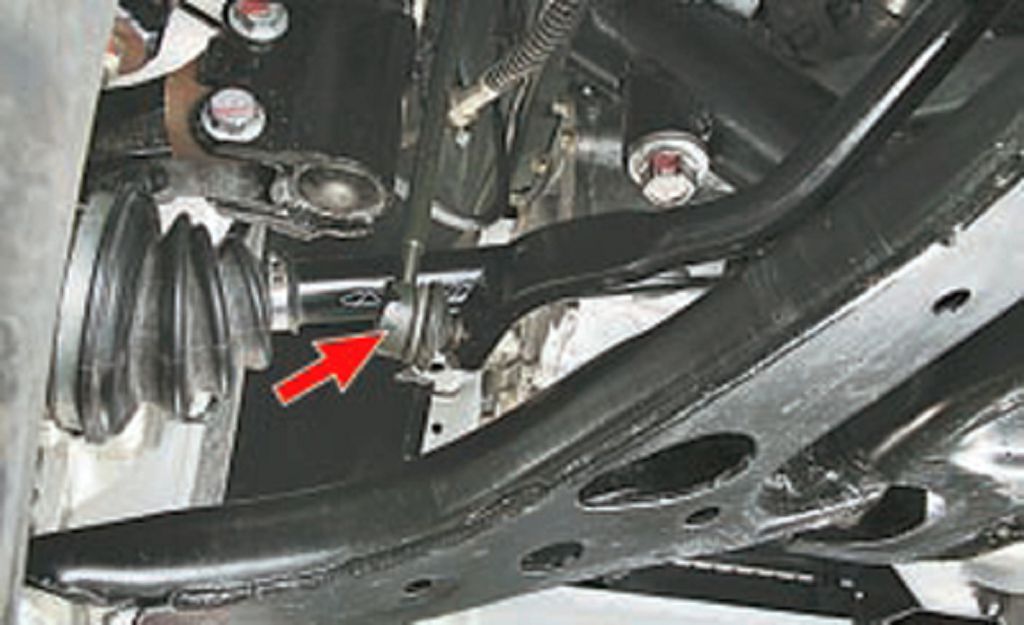
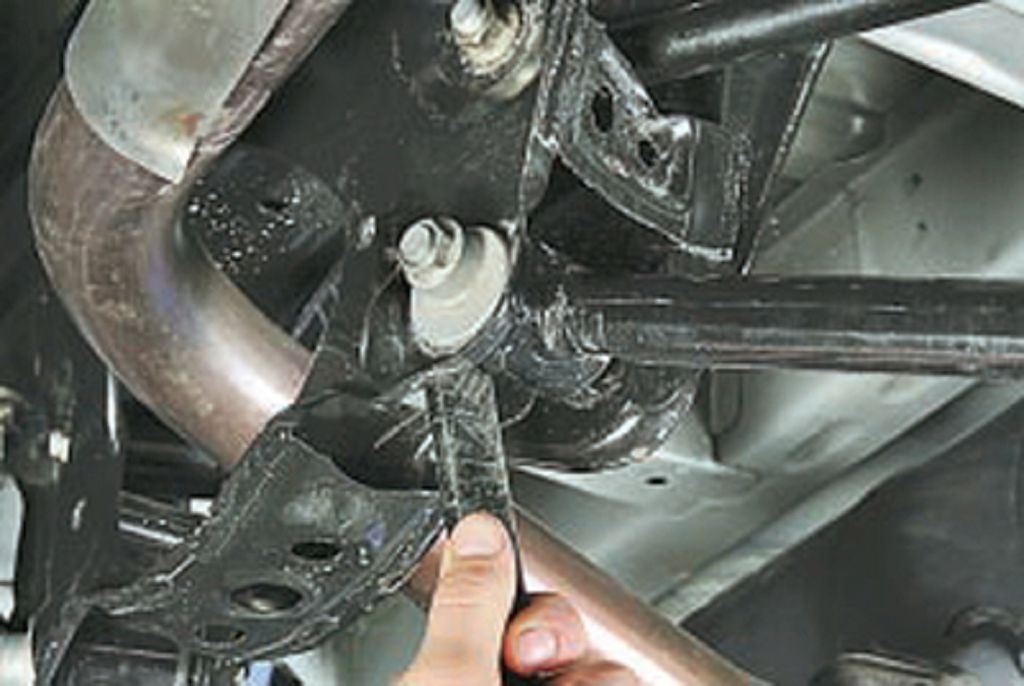
Now, what should you be looking for when you’re inspecting a used Tiggo T11’s suspension? First, a visual inspection is key. Look for any obvious signs of damage, like leaks from the shock absorbers, cracked or broken springs, or bent control arms. Pay close attention to the bushings – those rubber components that connect various suspension parts. Worn or damaged bushings will lead to sloppy handling and increased noise. Check for any unusual noises when you bounce on each corner of the vehicle. A clunking or knocking sound usually points to worn suspension components. Also, look for uneven tire wear. This can be a sign of misaligned wheels or worn suspension parts that are affecting the vehicle’s geometry. Don’t hesitate to get under the car for a closer look, if possible. A thorough visual inspection can save you a lot of headaches and money down the line.
Finally, let’s talk about the average lifespan of the suspension components on a Tiggo T11. This is tricky because it depends on several factors, including driving style, road conditions, and overall vehicle maintenance. However, we can give you some general guidelines. Shock absorbers typically last between SIXTY THOUSAND and ONE HUNDRED THOUSAND kilometers, sometimes even longer if you’re lucky. Springs usually have a longer lifespan, often lasting well over ONE HUNDRED THOUSAND kilometers. But again, this is just an estimate. Bushings tend to wear out more gradually, and their lifespan can vary significantly. Regular inspections are crucial, and if you notice any of the warning signs I mentioned earlier, it’s best to have a professional mechanic assess the condition of your suspension. Ignoring worn suspension components can lead to more serious problems, affecting your safety and the overall handling of your vehicle. Remember, a well-maintained suspension is essential for a safe and comfortable driving experience.
Okay, let’s dive right into checking the suspension on your Chery Tiggo T11. We’ll start by looking at the overall condition of the suspension system. This means visually inspecting everything from the springs and shock absorbers to the various bushings and mounts. Look for any obvious signs of damage, like cracks in the springs, leaks in the shock absorbers – you’ll often see oil stains or discoloration around the shocks if they’re leaking – or any unusual wear and tear on the rubber components. Pay close attention to the condition of the dust boots on the shocks; tears or damage here can allow dirt and debris to enter, leading to premature wear. Also, check for any unusual noises coming from the suspension when you bounce on each corner of the car. A clunking or knocking sound often indicates worn or damaged components. Remember, safety is paramount, so if you’re unsure about anything, it’s always best to consult a professional mechanic.
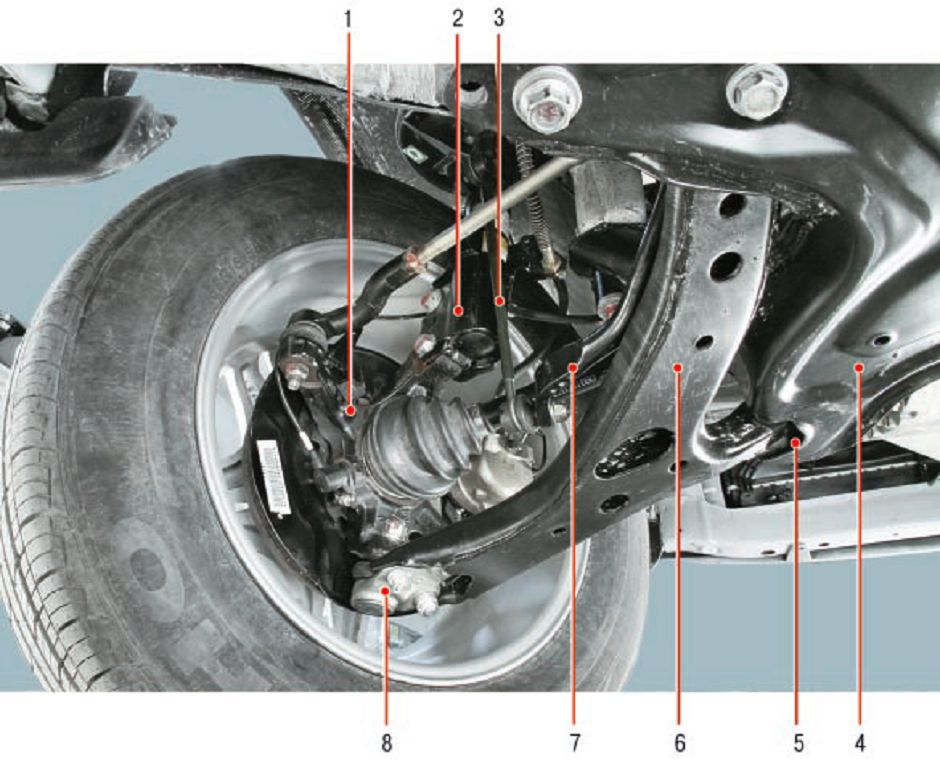
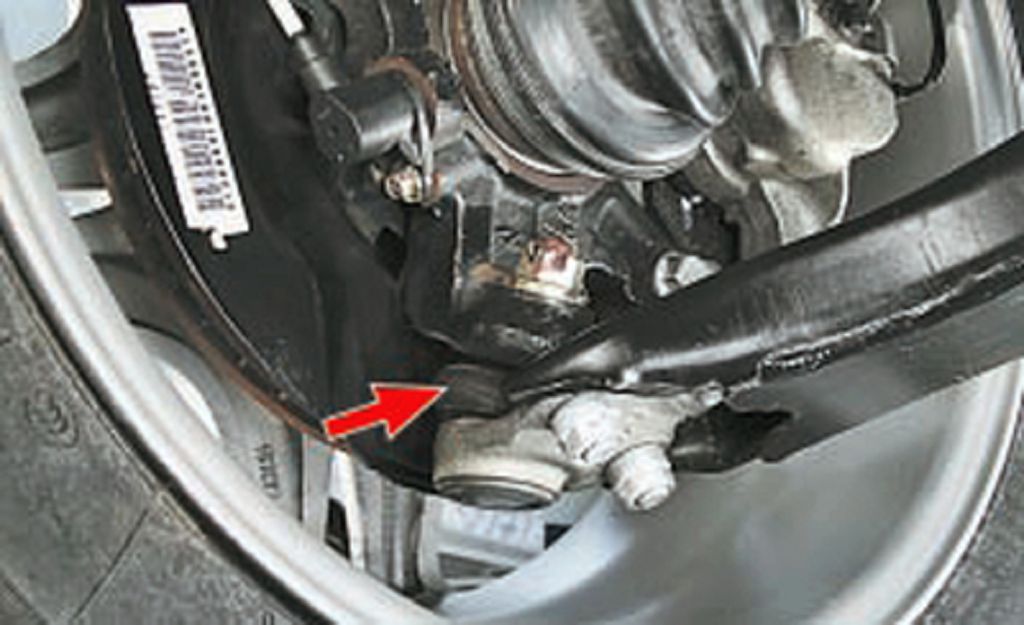
Now, let’s take a closer look at the front suspension. The Chery Tiggo T11 typically uses an independent front suspension system, often a MacPherson strut setup. This means each wheel has its own strut assembly, which incorporates the spring and shock absorber in a single unit. In this diagram, you can see the key components: the strut itself, the spring, the lower control arm, the ball joints, and the tie rod ends. Each of these parts plays a crucial role in the smooth operation of the front suspension. We’ll be examining each one closely in the video. Pay particular attention to the ball joints; excessive play or looseness here can be a serious safety hazard. Also, check the condition of the bushings in the lower control arms; worn bushings can lead to sloppy handling and increased noise. Remember to carefully inspect the tie rod ends for any signs of damage or wear. These are critical for steering control. Again, if you find anything that looks worn or damaged, it’s best to have it checked by a professional.
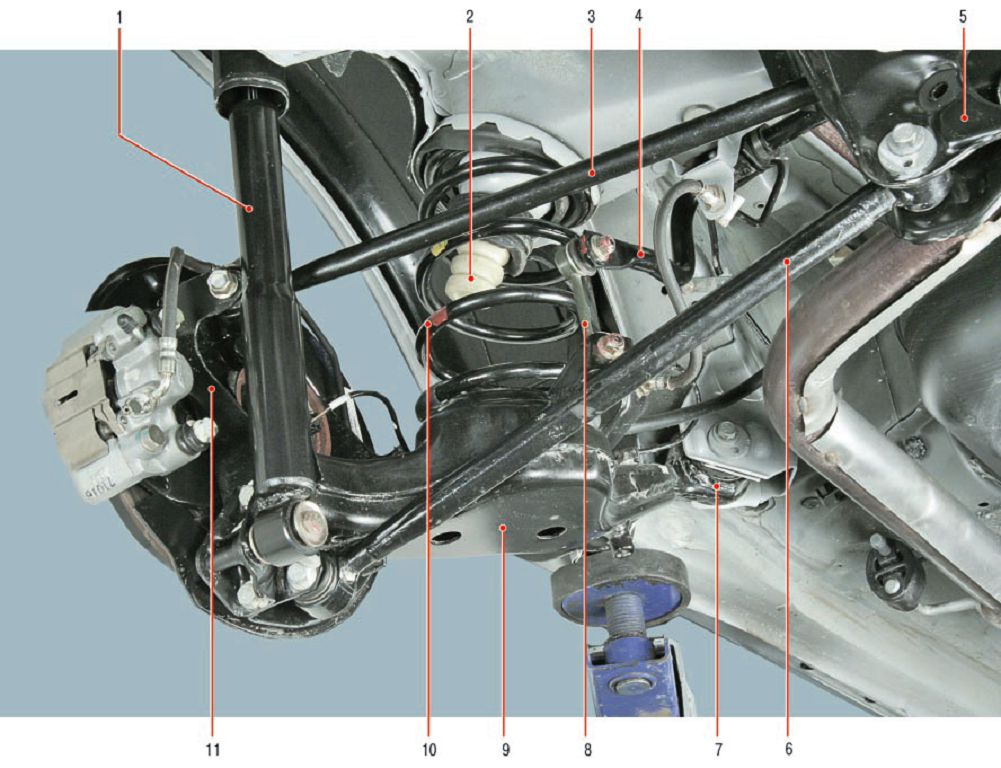
Finally, let’s move to the rear suspension. The Tiggo T11 usually employs a simpler, more robust rear suspension design, often a torsion beam axle. This is a single beam that connects the two rear wheels. While simpler than the independent front suspension, it still requires regular inspection. This diagram shows the main components: the torsion beam itself, the shock absorbers, and the various mounting points. While the torsion beam itself is quite durable, it’s important to check for any signs of bending or damage, especially if you’ve recently hit a pothole or curb. The shock absorbers, as with the front, should be checked for leaks and overall condition. Pay close attention to the mounting points; loose or worn mounts can lead to excessive noise and poor handling. Also, inspect the springs for any signs of breakage or sagging. Remember, a properly functioning rear suspension is just as important as the front for safe and comfortable driving. So, a thorough inspection is crucial for maintaining the overall integrity of your vehicle.