Hey everyone, let’s dive into some common issues people have reported with Geely Atlas engines. We’ll be looking at the different engine options and their potential problems.
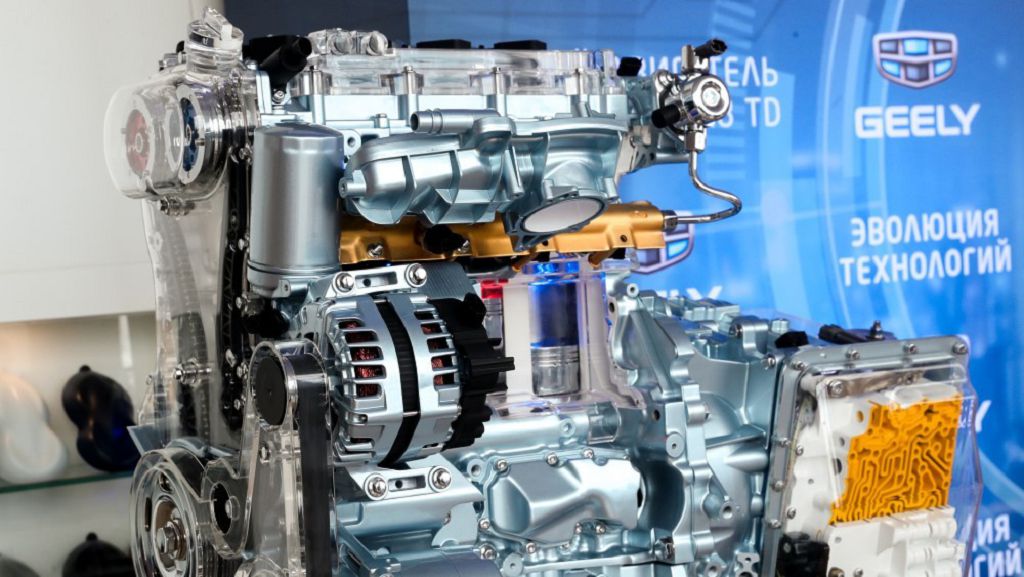
First up, the motors themselves. Geely Atlases come with a few different engine choices, and each has its own set of quirks. It’s important to remember that these are potential problems, not guarantees. Your experience might be completely different, and regular maintenance is key to preventing many of these issues. But knowing what to look out for can save you a lot of headaches down the line.
Let’s start with the ONE POINT EIGHT liter turbocharged engine. This engine, while generally reliable, has shown some susceptibility to issues with the turbocharger itself. We’ve seen reports of premature turbo failure, sometimes linked to insufficient oil changes or using the wrong type of oil. Keep an eye on your oil pressure and make sure you’re sticking to the manufacturer’s recommended service schedule. Another potential problem area is the intake manifold. Cracks or leaks can lead to a loss of power and rough running. Regular inspections are a good idea, especially if you notice any unusual noises or performance dips. And finally, some owners have reported issues with the fuel injectors, leading to rough idling or misfires. Again, regular maintenance and using high-quality fuel can help mitigate these risks.
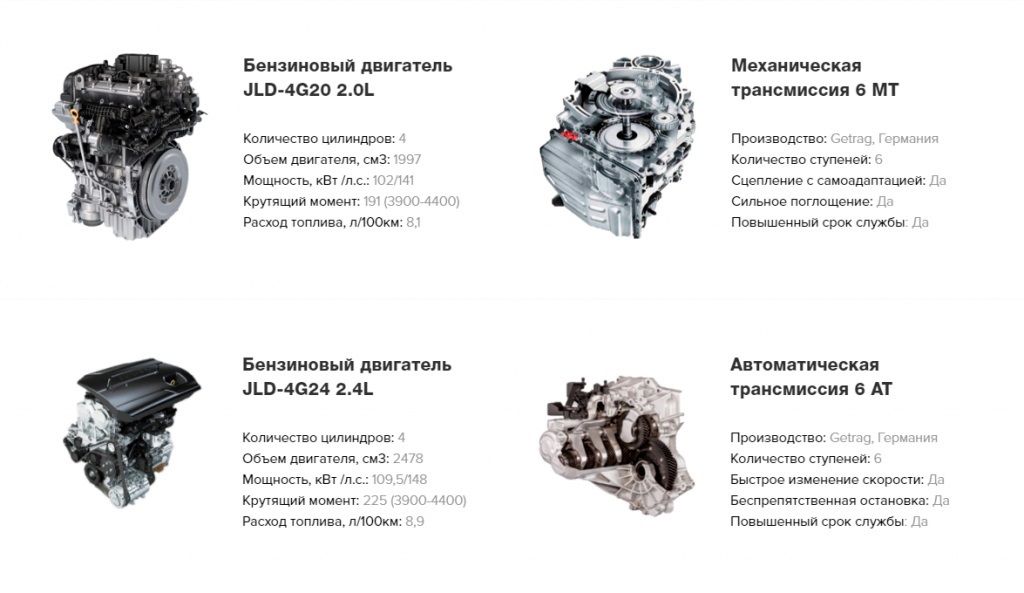
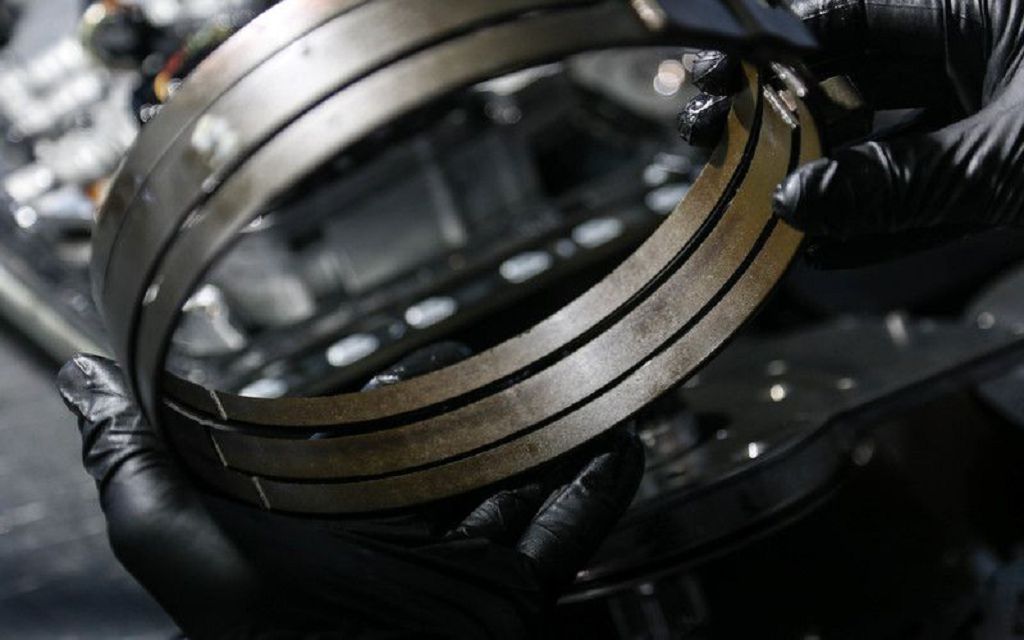
Next, we have the TWO POINT ZERO liter engine. This one is generally considered a bit more robust than the ONE POINT EIGHT liter turbo, but it’s not without its potential problems. One common complaint is excessive oil consumption. This can be caused by a variety of factors, including worn piston rings or valve stem seals. If you notice your oil level dropping significantly between changes, it’s crucial to get it checked out by a mechanic. Another potential issue is with the timing chain. While these are generally designed for long life, premature wear can occur, leading to catastrophic engine damage if not addressed promptly. Listen for any unusual rattling noises from the engine bay – that could be a sign of trouble.
Now, let’s talk about the TWO POINT FOUR liter engine. This is the largest engine option for the Geely Atlas, and while it offers more power, it also presents a few unique challenges. One area of concern is the cooling system. Problems with the thermostat or water pump can lead to overheating, which can cause significant damage to the engine. Keep a close eye on your coolant level and temperature gauge. Another potential issue is with the intake system. Similar to the ONE POINT EIGHT liter turbo, cracks or leaks in the intake manifold can lead to performance problems. And finally, some owners have reported issues with the ignition system, leading to misfires or difficulty starting. Regular maintenance and using high-quality spark plugs can help prevent these problems.
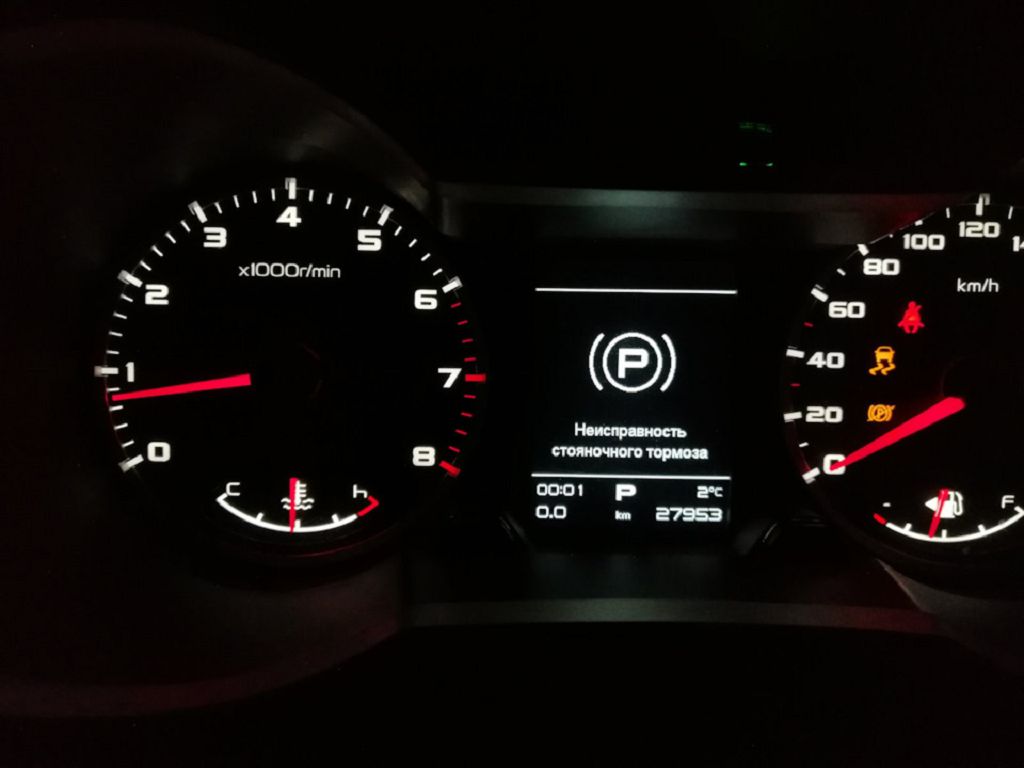
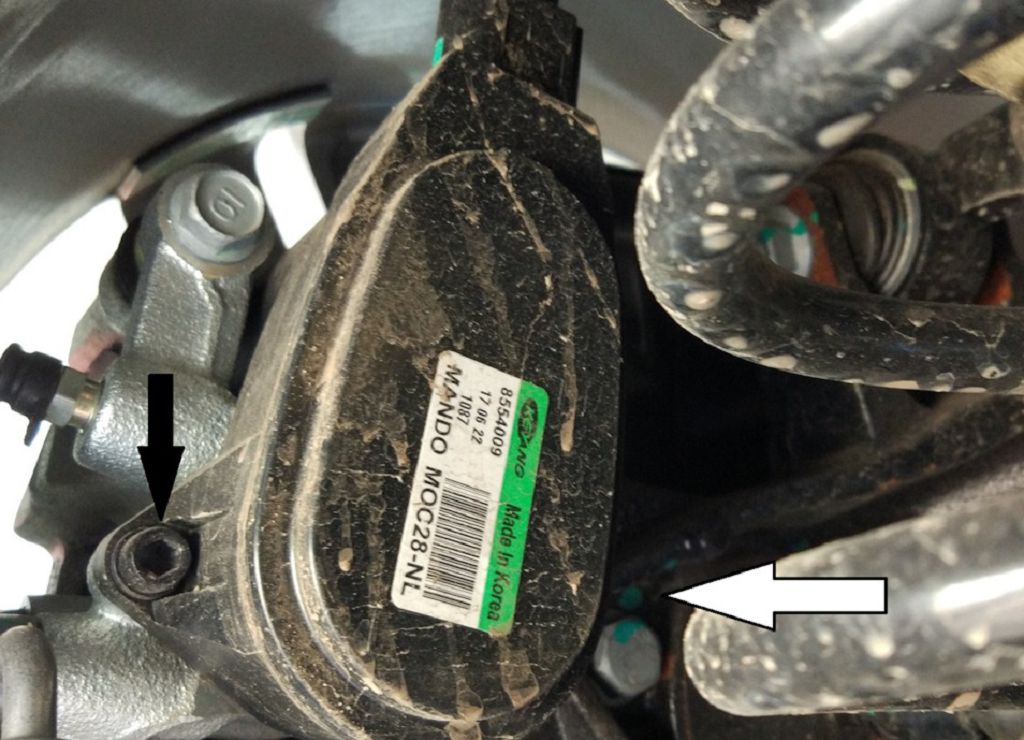
Finally, let’s address the parking brake. Many Geely Atlas owners have reported issues with the automatic parking brake system, often referred to as APA. These issues can range from the brake failing to engage properly to the system malfunctioning and refusing to release. In some cases, this has required professional intervention and repair. It’s important to be aware of these potential problems and to address any issues promptly to avoid more serious complications. Regular checks of the parking brake system are advisable. If you notice anything unusual, don’t hesitate to get it checked out.
Okay, let’s dive into some of the common issues people have reported with the Geely Atlas powertrain. Now, I’ve seen a lot of these vehicles come through the shop, and some patterns definitely emerge when it comes to transmission problems.
So, let’s talk about the characteristic disadvantages of the Geely Atlas transmission. One of the most frequently reported issues is a hesitation or sluggishness in acceleration, particularly when shifting between gears. This isn’t always a catastrophic failure, but it’s definitely annoying and can impact your driving experience. Many owners report a noticeable delay between pressing the accelerator and feeling the car respond. This can be especially problematic in city driving or when merging onto a highway. Sometimes, it feels like the transmission is hunting for the right gear, constantly shifting up and down without finding a smooth, efficient setting. We’ve seen this linked to software issues in some cases, and in others, it points to potential problems within the transmission itself. It’s worth noting that the severity of this issue seems to vary from vehicle to vehicle, and some owners report no problems at all.
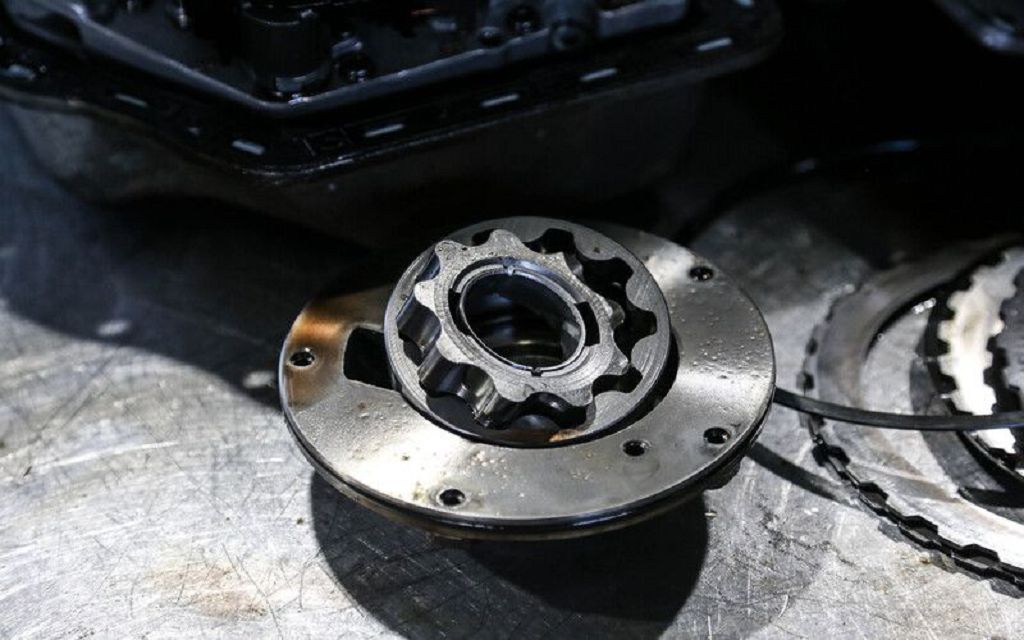
Now, let’s get into the specifics of automatic transmission faults. We’ve seen everything from minor glitches to complete transmission failures. One common problem is rough shifting. Instead of smooth transitions between gears, you might experience jarring shifts that can be quite uncomfortable. This can be caused by a variety of factors, including worn-out clutches, low transmission fluid, or even problems with the transmission control module. Another issue we see is a complete failure to shift. The car might get stuck in a single gear, or it might refuse to shift at all, leaving you stranded. This is obviously a much more serious problem and usually requires a significant repair. We’ve also seen instances of transmission slipping, where the engine revs high but the car doesn’t accelerate properly. This is often a sign of internal damage within the transmission and needs immediate attention. Remember, neglecting these issues can lead to more extensive and costly repairs down the line. Regular maintenance, including timely fluid changes, is crucial for preventing these kinds of problems.
- Читайте также:
Finally, let’s talk about the brakes. Typical faults with the Geely Atlas brakes are, unfortunately, not uncommon. One issue that pops up is a spongy brake pedal. This means the pedal feels soft and doesn’t provide the firm, responsive feel you expect. This can indicate a problem with the brake fluid, a leak in the system, or even worn brake pads. Another problem is brake squealing. While not always indicative of a serious problem, persistent squealing can be annoying and should be investigated. It often points to worn brake pads or a problem with the brake calipers. And, of course, we’ve seen cases of complete brake failure, which is obviously a very serious safety concern. This is a situation where you need to get your vehicle to a mechanic immediately. Regular brake inspections and maintenance are essential for ensuring your safety and preventing costly repairs. Don’t ignore any unusual noises or changes in braking performance.