So, your Geely Atlas air conditioner isn’t working? That’s a real bummer, especially during those hot summer months. Let’s dive into the potential problems and how we can get that cool air flowing again. First up, we need to talk about the air conditioner compressor.
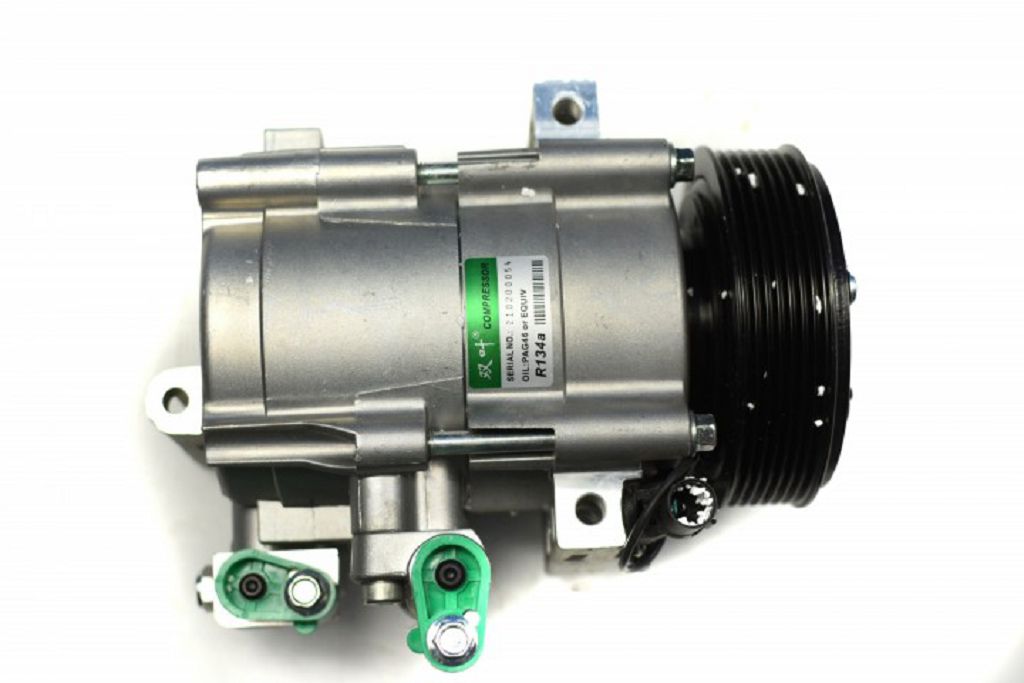
The compressor is the heart of your AC system. It’s the component that circulates the refrigerant, which is what actually cools the air. A faulty compressor can manifest in several ways. You might hear a strange noise coming from it – a clicking, grinding, or whining sound. Sometimes, it might not engage at all, meaning your AC simply won’t turn on. A failing compressor often requires replacement, which can be a significant repair. It’s a good idea to have a mechanic diagnose this properly, as sometimes it’s a simpler issue like a blown fuse or a problem with the compressor clutch. But if the compressor itself is bad, you’re looking at a potentially expensive repair. Remember to always consult your owner’s manual for specific details on your model.
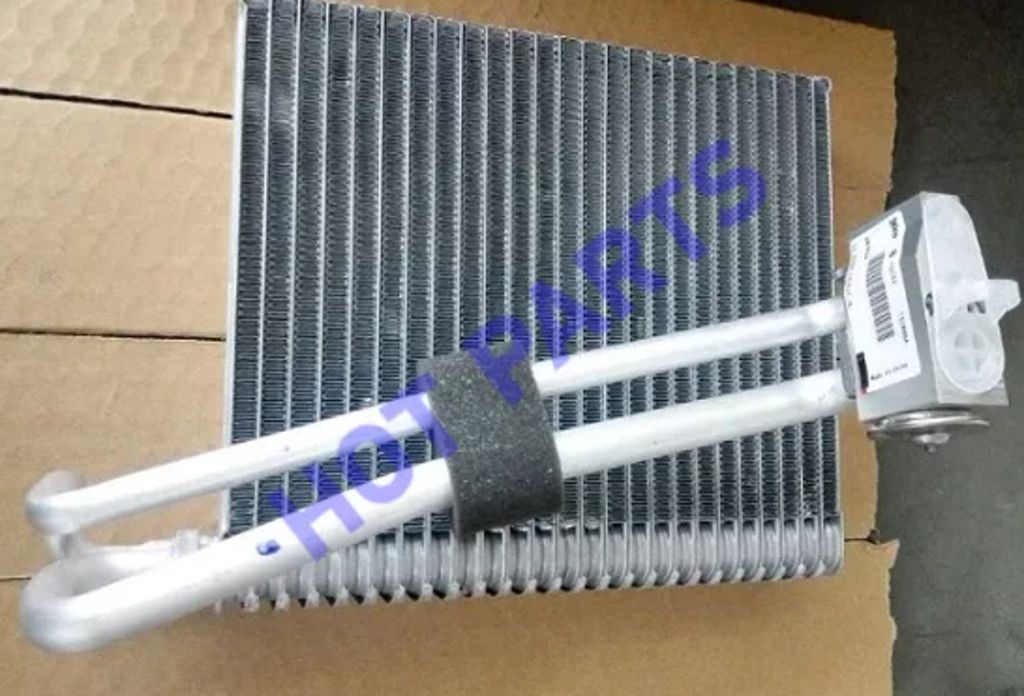
Next, let’s consider the air conditioner evaporator. This is located inside your car, usually behind the dashboard. Its job is to absorb heat from the air blowing into your cabin. If your evaporator is dirty or clogged with debris, it won’t be able to absorb heat efficiently, resulting in weak or ineffective air conditioning. A clogged evaporator can also lead to the growth of mold and bacteria, which can affect the air quality inside your vehicle. Cleaning the evaporator is a more involved process, often requiring professional help, but it’s a crucial step in ensuring your AC system works optimally. A severely damaged evaporator might need replacing, but cleaning is usually the first step.
Now, let’s move on to the air conditioning pipes. These are the arteries of your AC system, responsible for carrying the refrigerant between the compressor, condenser, and evaporator. These pipes can develop leaks over time, especially if they’re damaged or corroded. A leak in the system will cause a significant drop in refrigerant levels, leading to poor cooling performance or a complete failure of the air conditioning. Finding a leak can be tricky, often requiring a pressure test by a mechanic. Repairing a leak involves locating the damaged section of pipe and either patching it or replacing the affected section. This is another area where professional help is often necessary.
Finally, let’s look at the air conditioning system as a whole. Sometimes, the problem isn’t just one single component, but rather a combination of factors or a more complex issue within the entire system. For example, low refrigerant levels can be caused by a leak in the pipes, a faulty compressor, or even a problem with the seals. Electrical problems, such as a blown fuse or a faulty relay, can also prevent the system from working correctly. A thorough diagnostic check by a qualified mechanic is essential to identify the root cause of the problem. They’ll be able to test the system’s pressure, check for leaks, and diagnose any electrical faults. Don’t attempt major repairs yourself unless you have the necessary expertise and tools. A proper diagnosis will save you time, money, and potential further damage to your vehicle’s air conditioning system.
Hey everyone, let’s dive into the world of Geely Atlas air conditioning systems. Specifically, we’re tackling those frustrating situations where your AC just refuses to cooperate. First up, let’s talk about the refrigerant and oil. Knowing the correct amounts is crucial for a properly functioning system. For your Geely Atlas, you’ll need to consult your owner’s manual. It will specify the exact amount of Freon, usually measured in grams, and the amount of compressor oil needed. Getting this wrong can lead to serious problems, from inefficient cooling to compressor damage. Don’t guess; always refer to the official specifications. Improper amounts can lead to a whole host of issues, so accuracy is key. Remember, this information is specific to your Geely Atlas model year, so double-check that manual!
Now, let’s move on to diagnosing and repairing common air conditioning breakdowns. A non-functioning AC can stem from several sources. The most common culprit is a low refrigerant charge. We already discussed the correct amounts, but a leak somewhere in the system is the usual reason for low levels. Finding the leak requires a pressure test and often involves using a specialized dye to pinpoint the source. Another potential problem is a faulty compressor. This is a more serious issue, often requiring replacement. A malfunctioning compressor might not engage at all, or it might make unusual noises. You might also encounter issues with the condenser, evaporator, or expansion valve. These components are integral to the cooling process, and a problem with any of them can lead to poor or no cooling. If you’re not comfortable tackling this yourself, it’s best to take your Geely Atlas to a qualified mechanic specializing in automotive air conditioning systems. They have the tools and expertise to diagnose and fix the problem efficiently.
Next, let’s address a common complaint: weak airflow from the vents. This can be caused by several things. First, check your cabin air filter. A clogged filter restricts airflow, leading to weak or uneven cooling. Replacing it is a simple and inexpensive fix that often solves the problem. Another possibility is a malfunctioning blower motor. This motor is responsible for pushing air through the system. If it’s weak or failing, the airflow will be significantly reduced. Sometimes, the problem lies within the ventilation system itself. There might be obstructions in the ducts, or the control flaps might be malfunctioning, preventing air from reaching certain vents. Again, a professional mechanic can help diagnose and resolve these more complex issues.
Finally, let’s talk about inconsistencies between the selected mode and the actual air temperature. If you’ve set the AC to a specific temperature, but the air coming out is significantly warmer or colder, there’s a problem. This could be due to a faulty temperature sensor, a malfunctioning control module, or even a problem with the blend door actuator. The blend door actuator controls the mix of hot and cold air. If it’s not working correctly, the temperature will be inconsistent. A faulty sensor will provide incorrect readings to the system’s control unit, leading to inaccurate temperature regulation. Again, professional diagnosis is recommended to pinpoint the exact cause and implement the appropriate repair. Remember, always consult your owner’s manual for specific details related to your Geely Atlas model. Proper maintenance and timely repairs will keep your AC system running smoothly for years to come.
- Читайте также: