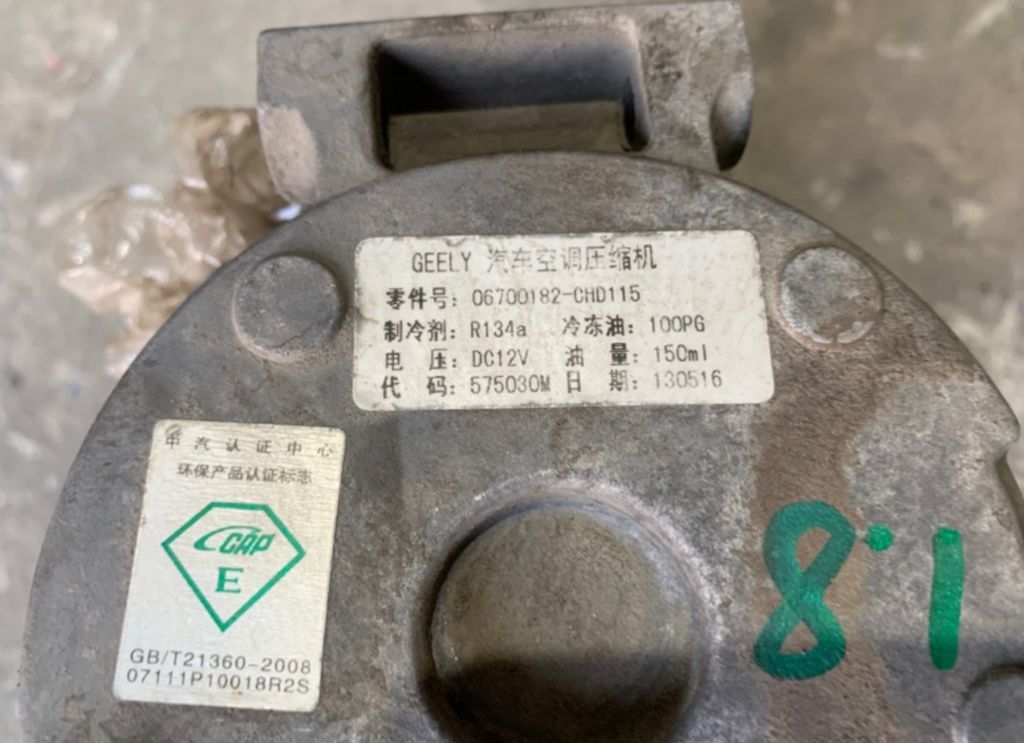
So, let’s dive straight into the heart of your Geely Emgrand EC7’s air conditioning system. First up, the air conditioning compressor. This is the workhorse of the system, the component that actually compresses the refrigerant, raising its pressure and temperature. Think of it as the pump of your AC system. It’s driven by a belt, usually a serpentine belt that also drives other engine components. A faulty compressor can manifest in a few ways: you might hear a loud clicking or grinding noise, the AC might simply stop working altogether, or you might notice a significant drop in engine performance because the compressor is struggling. Regular checks of the compressor’s belt tension and condition are crucial for preventing problems. Make sure that belt isn’t frayed, cracked, or excessively worn. A slipping or broken belt will render your compressor useless. And remember, a failing compressor is a costly repair, so preventative maintenance is key.
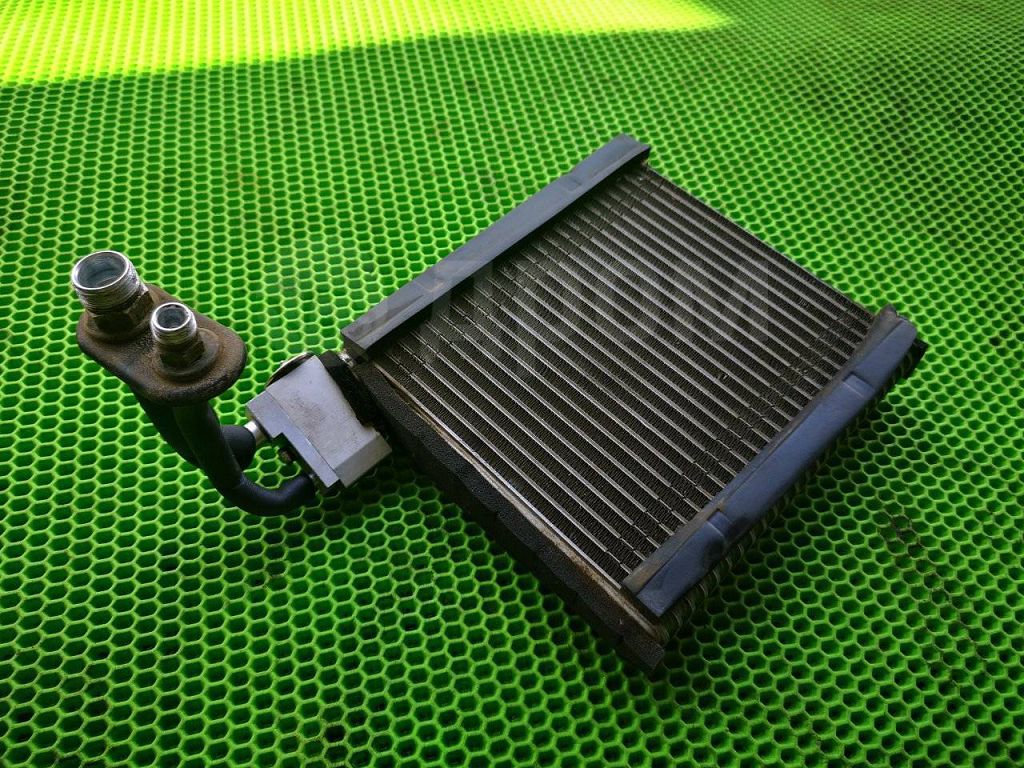
Next, we’ll talk about the evaporator. This is where the magic happens – the cooling magic, that is. The evaporator is located inside your car, usually behind the dashboard. It’s a heat exchanger, and it’s responsible for absorbing heat from the air inside your car. The refrigerant, now a low-pressure, low-temperature gas, flows through the evaporator’s coils. As the warm air from the cabin blows across these cold coils, the heat is transferred to the refrigerant, cooling the air that’s then blown back into your car. If your evaporator is dirty or clogged, it won’t be able to absorb heat effectively, resulting in weak or ineffective air conditioning. Regular cabin air filter changes are essential for keeping the evaporator clean and functioning optimally. A clogged evaporator can also lead to the growth of mold and bacteria, impacting the air quality inside your vehicle.
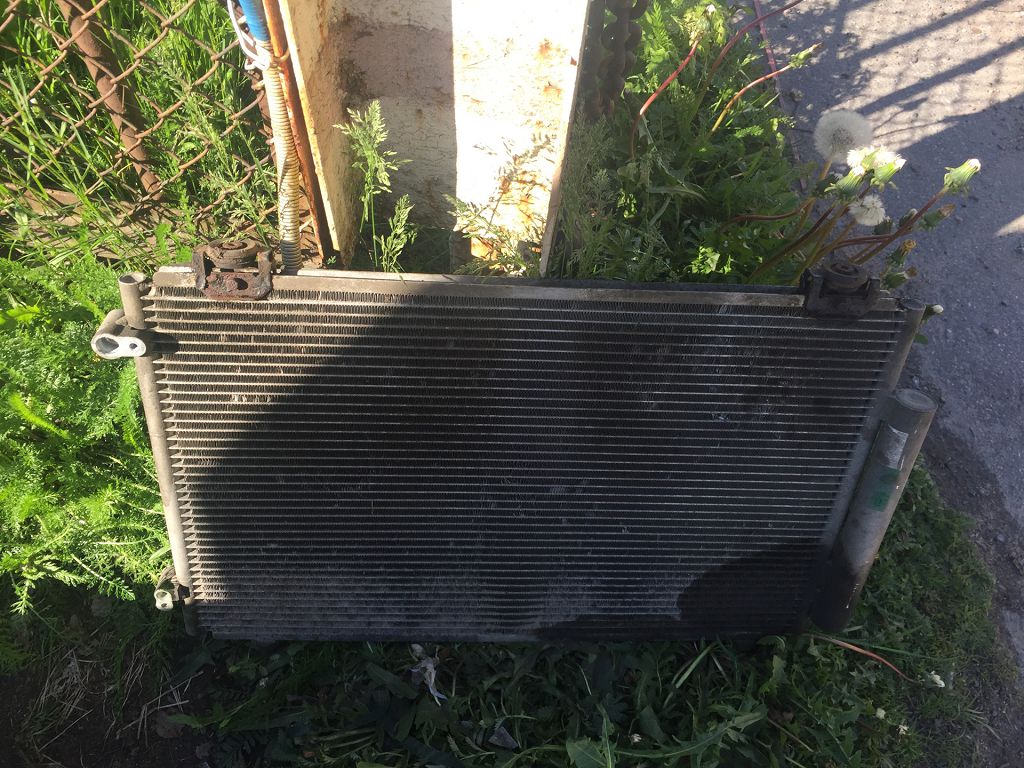
Now, let’s move on to the condenser. This is the opposite of the evaporator. It’s located outside the car, usually in front of the radiator. Its job is to release the heat absorbed by the refrigerant in the evaporator. The high-pressure, high-temperature refrigerant flows through the condenser’s coils, and as air flows across these coils, the heat is dissipated into the atmosphere. Think of it as a radiator for your air conditioning system. A dirty or clogged condenser, much like a dirty evaporator, will significantly reduce the efficiency of your AC. Leaves, debris, and other road grime can accumulate on the condenser fins, hindering heat dissipation. Regular cleaning of the condenser is therefore essential for maintaining optimal performance. You can often clean it with a garden hose, but be careful not to damage the delicate fins.
Finally, let’s discuss the refrigerant and oil filling volumes for your Geely Emgrand EC7. This is crucial information if you’re ever faced with a refrigerant leak or need to recharge your system. The specific amounts of refrigerant and oil required are usually found in your vehicle’s service manual. Improperly charging your system – using too much or too little refrigerant or oil – can severely damage the compressor and other components. The manual will specify the exact amounts, usually expressed in grams or ounces. Remember, working with refrigerant requires specialized equipment and knowledge. Unless you’re a trained professional, it’s best to leave this task to a qualified mechanic. Using the wrong type or amount of refrigerant can lead to serious damage and costly repairs. Always consult your owner’s manual for the correct specifications for your Geely Emgrand EC7. Getting this wrong can be a very expensive mistake.
Hey everyone, let’s talk about air conditioning problems in the Geely Emgrand EC7. It’s a common issue, and I’ve seen it firsthand countless times. We’re going to dive into some of the most frequent failures, how to diagnose them, and what you can do to fix them. Let’s start with the compressor. This is often the culprit when your AC just stops working altogether. You might hear a strange noise, a clicking or grinding sound, coming from the engine bay. That’s a big red flag. Sometimes, the compressor just seizes up completely, and you’ll feel absolutely no cool air coming from the vents. To diagnose this, you’ll need to check the compressor clutch. Is it engaging when you turn the AC on? You can usually hear it and sometimes even feel it. If it’s not engaging, you might have a faulty clutch, a wiring problem, or even a low refrigerant level. A mechanic can help you pinpoint the exact cause. Replacing the compressor itself is a more involved job, often requiring specialized tools and knowledge. Don’t try this at home unless you’re experienced with car repairs.
Next, let’s talk about the pulley and belt. These are crucial components that drive the compressor. A worn-out or slipping belt can prevent the compressor from working correctly, leading to weak or no cooling. Inspect the belt carefully for cracks, fraying, or excessive wear. If it looks damaged, it needs replacing. It’s a relatively simple job, but make sure you get the right size and tension. The pulley itself can also fail. It might seize up, making a loud squealing noise, or it might simply wear down over time. Again, a visual inspection is your first step. Look for any signs of damage or unusual wear. If the pulley is faulty, it’ll need to be replaced. This is a bit more involved than replacing the belt, so it’s best to have a mechanic handle it if you’re not comfortable working on your car’s engine.
Now, let’s move on to a situation where you do get air from the vents, but it’s not cold. This is a common problem, and it often points to a refrigerant leak. Refrigerant is the substance that absorbs heat and cools the air. If there’s a leak, the system won’t be able to cool properly, even if the compressor and other components are working fine. Finding a refrigerant leak can be tricky. It often requires a specialized leak detection machine. A mechanic will use this to pinpoint the location of the leak, which could be anywhere in the system – from the compressor to the condenser, evaporator, or even the hoses. Once the leak is found, it needs to be repaired, and the system needs to be recharged with the correct amount of refrigerant. Don’t attempt this yourself; it requires specialized equipment and knowledge of refrigerant handling procedures.
Finally, let’s address insufficient cooling. This is a broader issue that can stem from several problems. It might be a small refrigerant leak, a partially malfunctioning compressor, a clogged condenser, or even a problem with the blower motor. The blower motor is responsible for pushing the cooled air into the cabin. If it’s weak or failing, you won’t get sufficient airflow, even if the refrigerant levels are fine. Diagnosing insufficient cooling requires a systematic approach. Start by checking the refrigerant level, then inspect the compressor, condenser, and blower motor. If you’re not comfortable doing this yourself, take your car to a qualified mechanic for a proper diagnosis and repair. Remember, a properly functioning air conditioning system is crucial, especially in warmer climates. Ignoring these issues can lead to more significant problems down the line, and potentially expensive repairs.
- Читайте также: