Hey everyone, let’s dive into the world of Geely Atlas tire pressure sensors. We’ll be covering originals, counterparts, technical specifications, how these sensors actually work, and finally, how to replace and program them.
First up: originals versus counterparts. Now, when it comes to replacing your Geely Atlas tire pressure sensors, you’ll find both original equipment manufacturer (OEM) parts and aftermarket counterparts. The OEM sensors are, of course, made by the same company that manufactured your vehicle. They’re designed to perfectly integrate with your car’s system, offering optimal performance and reliability. However, they often come with a higher price tag. Aftermarket sensors, on the other hand, are produced by third-party manufacturers. They can be a more budget-friendly option, but it’s crucial to do your research and ensure you’re getting a high-quality sensor from a reputable brand. Don’t just grab the cheapest one you find – you want something that’s going to be accurate and reliable for your safety. Look for sensors that meet or exceed the OEM specifications. Checking reviews and comparing specifications is key here. Think of it like this: would you rather pay a little more for something you know will work perfectly, or risk a cheaper option that might fail and leave you stranded?
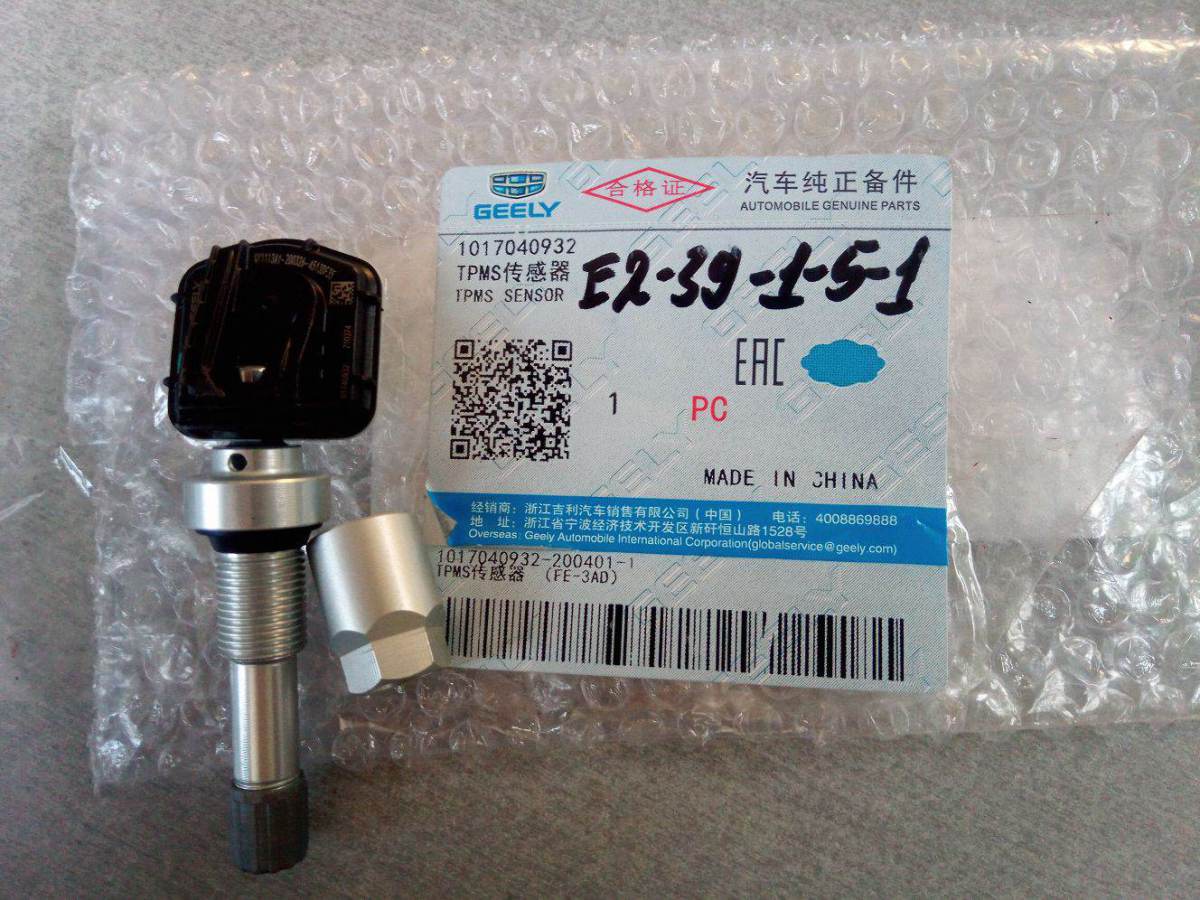
Next, let’s talk technical specifications. These sensors are tiny marvels of engineering, and understanding their specifications can help you make informed decisions. We’re talking about things like operating frequency – typically in the range of THREE HUNDRED to FOUR HUNDRED megahertz – operating temperature range, which needs to withstand extreme heat and cold, and the sensor’s battery life. The battery life varies depending on the manufacturer and model, but you can generally expect several years of reliable service. Also, pay attention to the sensor’s identification number. This number is crucial for programming the sensor to your vehicle’s system. Without the correct ID, your car won’t recognize the new sensor, and your tire pressure monitoring system (TPMS) won’t function correctly. You’ll find this information on the sensor itself, or in the packaging. Make sure to note it down carefully.
Now, let’s get into the nitty-gritty: how these pressure sensors actually work. It’s all about measuring the air pressure inside your tire. Each sensor contains a pressure sensor chip that constantly monitors the pressure. As the pressure changes, the sensor transmits a radio frequency signal to the vehicle’s receiver. This signal contains information about the tire pressure and temperature. The vehicle’s computer then processes this information and displays it on your dashboard. It’s a clever system that helps you maintain optimal tire pressure, improving fuel efficiency, handling, and overall safety. Think of it as a tiny, tireless watchdog constantly monitoring your tires. The accuracy of this system is vital for your safety, so understanding how it works is important.
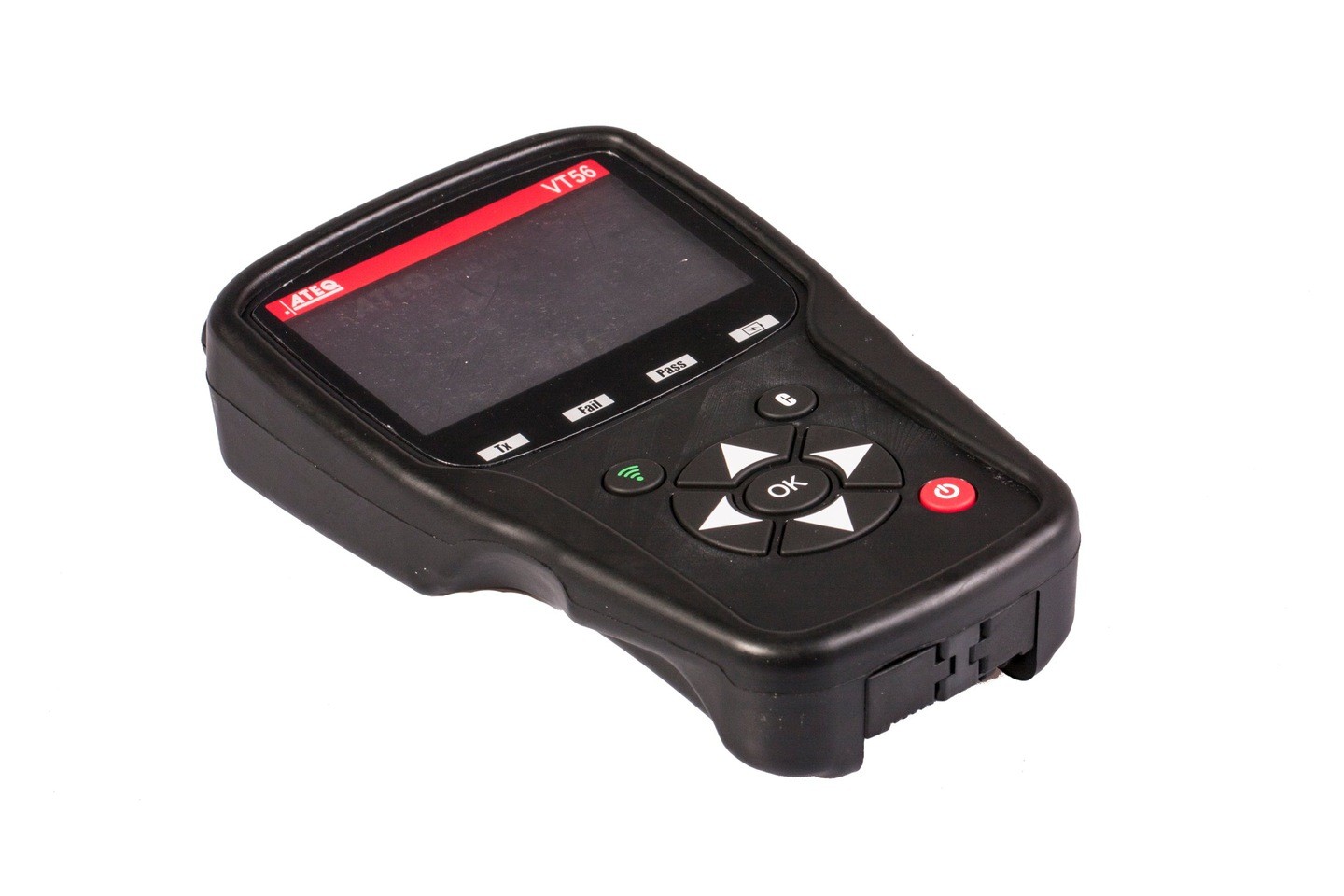
Finally, let’s tackle the replacement and programming process. Replacing a tire pressure sensor isn’t a particularly difficult task, but it does require some mechanical aptitude. You’ll need the right tools, including a tire pressure gauge, a valve core removal tool, and potentially a torque wrench. The process generally involves removing the old sensor, carefully installing the new one, ensuring a tight seal, and then programming the new sensor to your vehicle’s system. This programming process varies depending on the year and model of your Geely Atlas. Some models allow you to program the sensors using the vehicle’s onboard computer, while others may require the use of a specialized TPMS programming tool. Always consult your vehicle’s owner’s manual or a qualified mechanic for detailed instructions. Remember, safety is paramount, so if you’re not comfortable performing this task yourself, it’s always best to seek professional help. Improper installation can lead to inaccurate readings or even damage to your TPMS system.
Okay, let’s dive into those Geely Atlas tire pressure sensors. First up, installing them on your tires. Now, this isn’t something you just slap on willy-nilly. You’ll need the right tools, of course, and a good understanding of how your tire’s valve stem works. You’ll want to make sure the sensor is seated properly, and that there’s a good, airtight seal. A little bit of lubricant can help with this, but don’t overdo it. Remember, we’re talking about something that affects your safety, so precision is key. Take your time, double-check everything, and if you’re not comfortable doing this yourself, definitely take it to a professional. They’ll have the right equipment and expertise to get it done correctly the first time. We don’t want any leaks!
Next, let’s talk about how to tie these sensors into your Geely Atlas’s system. This is where things get a little more technical. You’ll likely need a specialized tool, or access to the vehicle’s diagnostic port. Many mechanics use a scan tool to register the new sensors. The process involves essentially «teaching» the car’s computer to recognize the unique ID of each sensor. This ID is crucial because it allows the system to track the pressure in each individual tire. The exact procedure can vary slightly depending on the year and model of your Geely Atlas, so it’s always a good idea to consult your owner’s manual or a reputable online resource specific to your vehicle. Don’t just follow a generic tutorial – make sure it’s tailored to your specific Geely Atlas. Getting this wrong can lead to inaccurate readings or even system errors.
Now, what about disconnecting and resetting these sensors? Maybe you’re replacing a tire, or perhaps you’re selling your car. Knowing how to disconnect and reset these sensors is important. Again, this often involves using a scan tool to remove the sensor IDs from the vehicle’s computer. The process is usually the reverse of the initial programming. But, be warned, improperly disconnecting or resetting the sensors can cause problems, so proceed with caution. If you’re unsure, it’s always best to seek professional help. It’s better to be safe than sorry, especially when it comes to your vehicle’s safety systems.
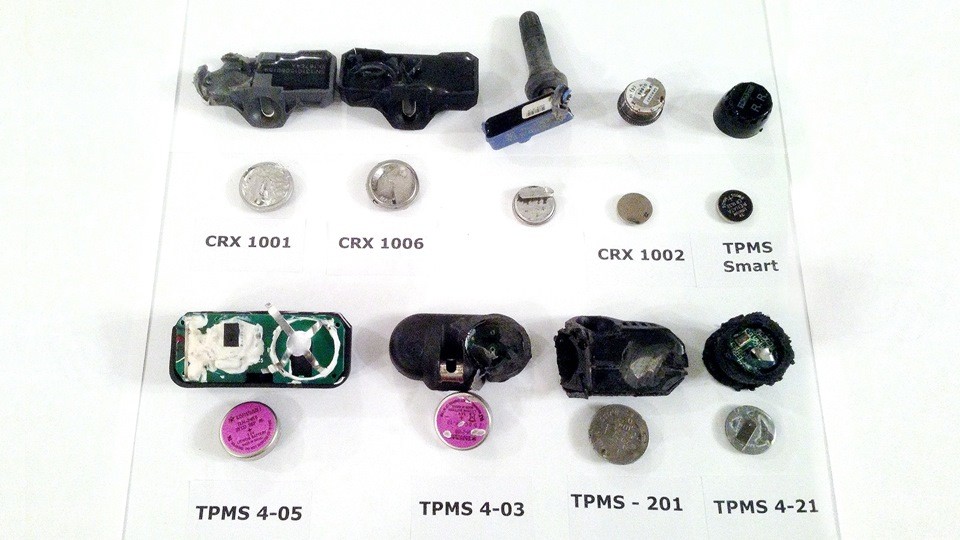
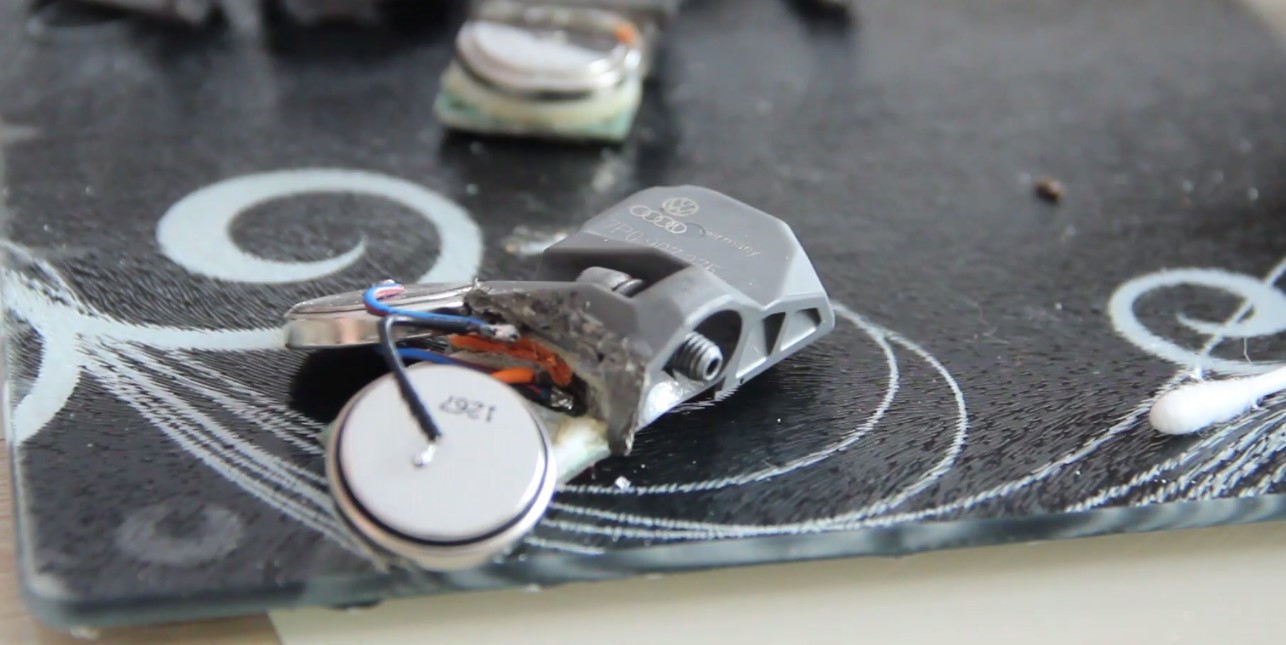
Finally, let’s address some frequent problems and errors you might encounter with your Geely Atlas’s tire pressure sensors. One common issue is a faulty sensor. These sensors are small and delicate, and they can be damaged by impacts or extreme temperatures. A faulty sensor will often trigger a warning light on your dashboard, and it might provide inaccurate pressure readings. Another common problem is a low battery in the sensor. These sensors are battery-powered, and the batteries have a limited lifespan. Replacing the battery might be possible, but often it’s easier and more cost-effective to simply replace the entire sensor. Sometimes, the problem isn’t with the sensor itself, but with the system’s wiring or the vehicle’s computer. If you’re experiencing persistent problems, it’s a good idea to have a mechanic diagnose the issue to pinpoint the exact cause. Don’t just assume it’s the sensor; there could be other underlying problems. Remember, regular maintenance and careful attention to your tire pressure are crucial for your safety and the longevity of your tires.
- Читайте также: