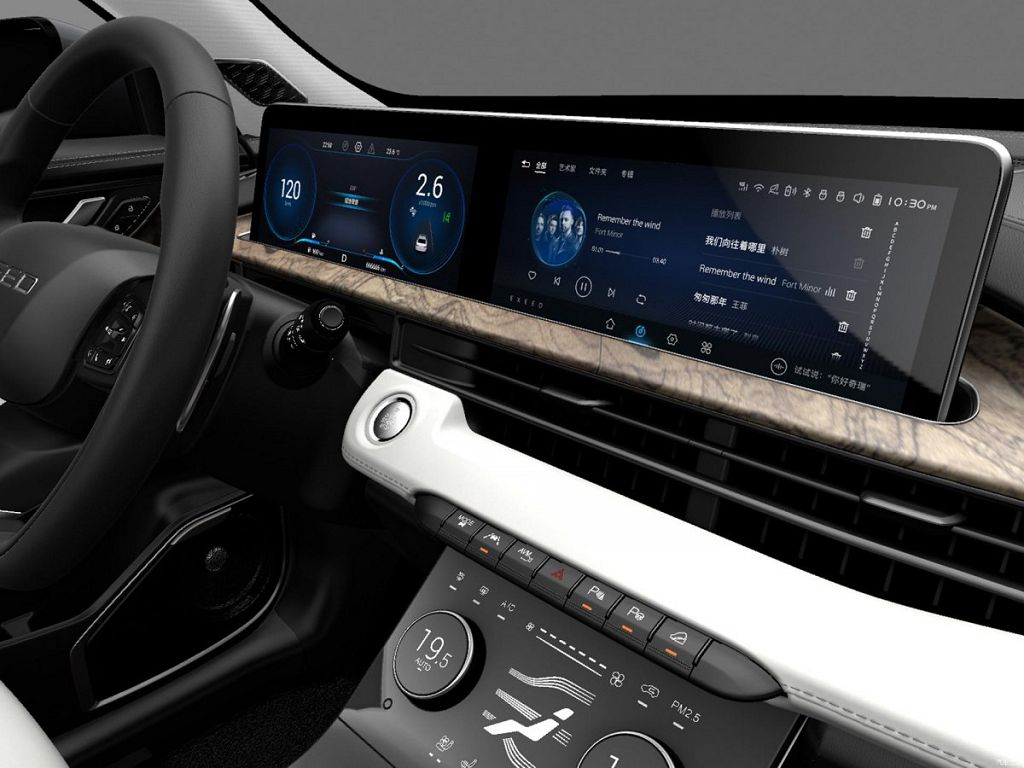
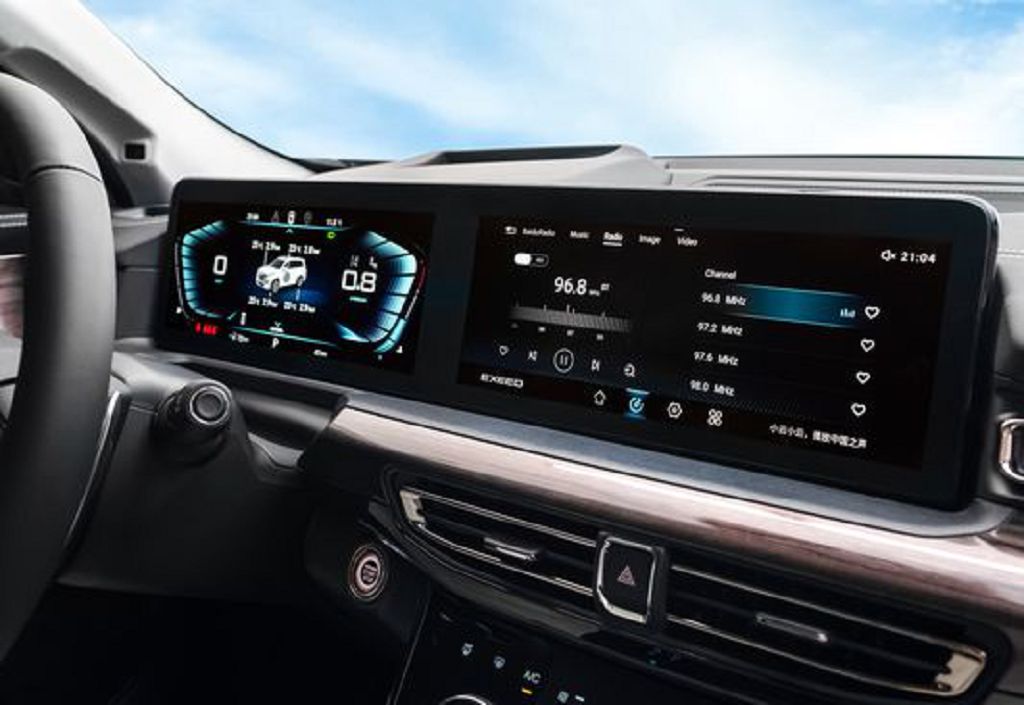
So, let’s dive straight into the configurations of this EXEED VX OEM stereo. First off, the screen resolution. It’s advertised as high-definition, but honestly, it feels a little underwhelming. The colors aren’t particularly vibrant, and viewing angles aren’t great. You really have to be looking directly at the screen to get a clear picture. And the responsiveness? Let’s just say it’s not the snappiest system I’ve ever encountered. There’s a noticeable lag between tapping the screen and seeing a response, which is frustrating when you’re trying to quickly change a setting while driving. Then there’s the menu system itself. It’s… convoluted. Finding simple things like adjusting the equalizer settings feels like navigating a maze. The icons aren’t intuitive, and the overall design feels cluttered and unrefined. I spent a good TEN minutes just trying to figure out how to change the clock display! And don’t even get me started on the Bluetooth connectivity. Pairing my phone was a hassle, and the audio quality during calls is… well, let’s just say it leaves a lot to be desired. There’s a noticeable amount of static, and the other person on the call often complains about my voice sounding muffled. I’ve tried different phones, different Bluetooth versions, and the problem persists. It’s a real letdown, especially considering the price point of the vehicle.
Now, let’s talk about the review of the EXEED VX OEM stereo itself. The headline here is: premium disappointment. The system boasts a lot of features on paper – Apple CarPlay, Android Auto, navigation – but the execution is severely lacking. The sound quality, while not terrible, is certainly not what I’d expect from a vehicle in this price range. The bass is weak, the highs are a little harsh, and the overall soundstage feels flat. I’ve tried adjusting the equalizer settings, but even with extensive tweaking, I haven’t been able to achieve a truly satisfying listening experience. It’s a real shame, because the potential is there, but the software and hardware just don’t seem to be working in harmony. The overall user experience is clunky and frustrating. The buttons feel cheap, the screen is unresponsive, and the menu system is a nightmare to navigate. It’s the kind of system that makes you want to just reach for your phone and use that instead, which defeats the purpose of having a built-in infotainment system.
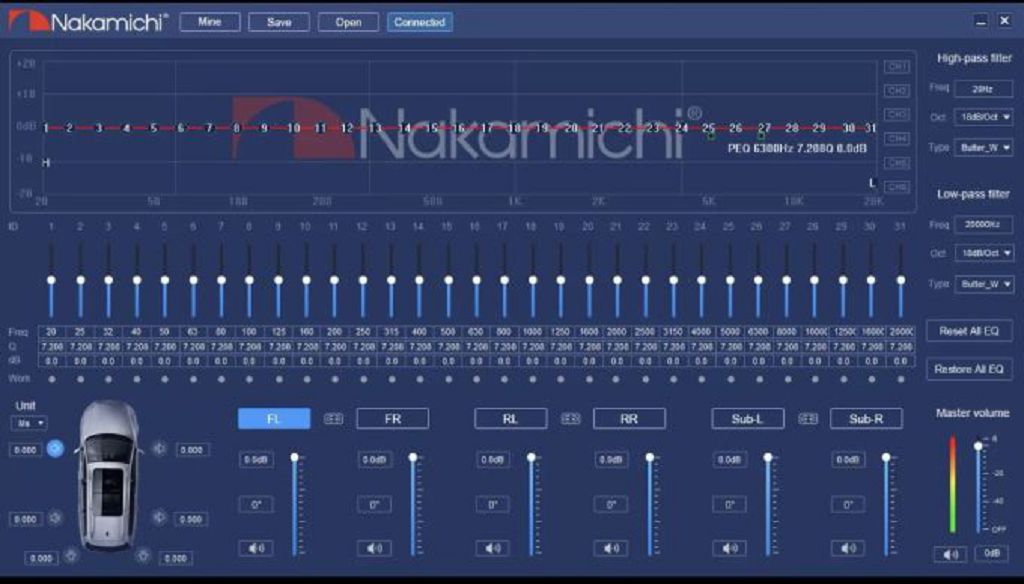
Finally, let’s delve into the settings. As I mentioned earlier, navigating the settings menu is a challenge in itself. But even when you manage to find what you’re looking for, the options are limited. There’s not much in the way of customization. You can adjust the brightness, the volume, and a few other basic settings, but that’s about it. There’s no real ability to personalize the audio experience beyond the basic equalizer, which, as I’ve already mentioned, isn’t particularly effective. And the lack of detailed audio settings is a major drawback for audiophiles. There’s no way to adjust things like crossovers or time alignment, which are crucial for achieving optimal sound quality. Overall, the settings menu is a reflection of the entire system: underwhelming and lacking in sophistication. It’s a far cry from the intuitive and customizable infotainment systems found in many competing vehicles.
So, let’s dive straight into the audio experience of the EXEED VX’s OEM stereo. Honestly, for a car supposedly boasting premium features, the sound quality is a major letdown. It’s not just a little underwhelming; it’s actively disappointing. The highs are harsh and tinny, lacking any real clarity or detail. The mids are muddy and indistinct, making vocals sound muffled and lacking presence. And the bass? Forget about it. There’s virtually no bass response to speak of, leaving the overall sound incredibly thin and lifeless. It feels like listening to music through a cheap, plastic speaker. You wouldn’t expect this kind of audio performance in a car at this price point, especially one marketed as offering a premium experience. The lack of depth and dynamic range is particularly noticeable when listening to more complex musical pieces. Even simple tracks sound compressed and lifeless. It’s a real shame, because it significantly detracts from the overall enjoyment of driving the vehicle. I’ve tried adjusting the equalizer settings, but honestly, it only marginally improves things. The fundamental issues with the speaker quality and the amplifier’s limitations remain.
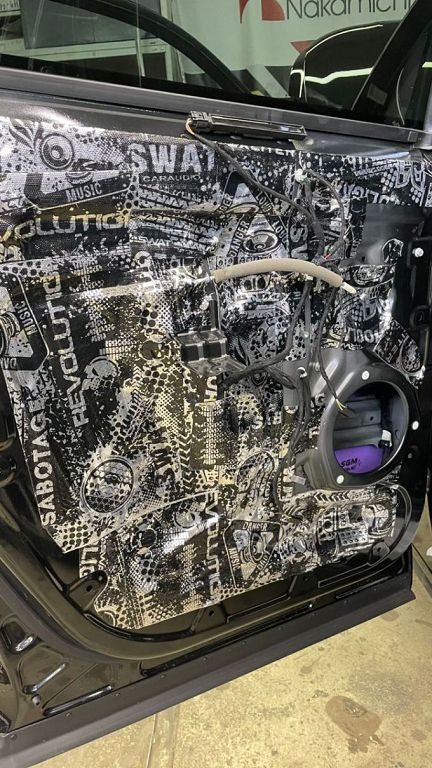
Now, let’s talk about the cost of upgrading the sound system. This is where things get a little more complex, and potentially expensive. A complete overhaul, replacing the head unit, speakers, and possibly even the amplifier, could easily cost you between FIVE HUNDRED and TWO THOUSAND DOLLARS, depending on the quality of components you choose. If you’re aiming for a truly significant improvement, you’ll likely be on the higher end of that spectrum. You’re looking at high-end speakers, a powerful amplifier, and potentially sound deadening materials to further enhance the audio experience. This isn’t a cheap fix, and it’s a significant investment to consider. However, if you’re an audiophile or simply value a good listening experience, it might be a worthwhile upgrade. There are several options available, from simple speaker upgrades to a full-blown custom installation. It’s worth researching different options and getting quotes from reputable car audio installers to get a better understanding of the costs involved. You could also consider a more budget-friendly approach, focusing on upgrading just the speakers initially, and then adding an amplifier later if needed. This phased approach allows you to gradually improve the sound quality without breaking the bank. But remember, even a modest upgrade will likely still set you back several hundred dollars.