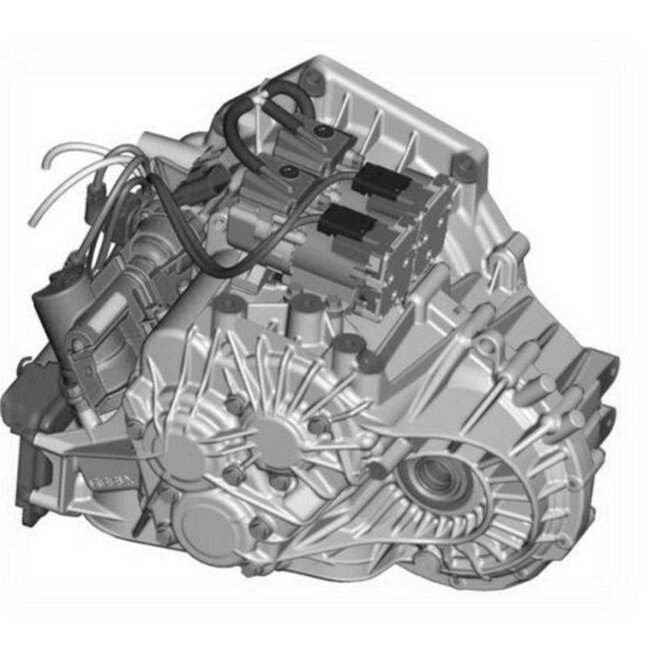
Hey everyone, let’s dive into the fascinating world of Geely Coolray gearboxes. Specifically, we’re going to unpack the intricacies of the SEVEN-G-DCT transmission, the most common type you’ll find in this popular vehicle. This isn’t just about knowing what’s under the hood; it’s about understanding how it works, how to maintain it, and what to look out for.
First off, let’s talk about the general characteristics of this SEVEN-G-DCT. It’s a dual-clutch transmission, meaning it uses TWO separate clutches to manage odd and even gears. This allows for incredibly fast gear changes, contributing to that sporty feel many Coolray owners love. But it’s not just about speed; this system is designed for efficiency too. By intelligently selecting the right gear at the right time, it helps optimize fuel consumption. Think of it as a sophisticated dance between power and economy. We’re talking about a system with SEVEN forward gears and ONE reverse gear, offering a wide range of ratios to handle everything from city driving to highway cruising. It’s a complex piece of engineering, but understanding its basic principles is key to proper maintenance and troubleshooting. We’ll be looking at some common issues and how to address them later on. One thing to keep in mind is that this transmission, while advanced, is still susceptible to wear and tear, just like any other mechanical component. Regular maintenance is crucial for its longevity.
Now, let’s shift our focus to transmission control. This is where things get really interesting. The SEVEN-G-DCT isn’t just a simple set of gears; it’s a highly sophisticated system controlled by a complex electronic brain. This control unit constantly monitors various parameters – engine speed, vehicle speed, throttle position, and even driving style – to determine the optimal gear selection. It’s constantly adapting to your driving habits, aiming for the best possible balance of performance and efficiency. Think of it as a highly skilled driver, always making subtle adjustments to ensure a smooth and responsive ride. Understanding how this control system works can help you diagnose potential problems. For example, if you experience jerky shifts or unusual noises, it could indicate a problem with the control unit itself or a sensor providing inaccurate data. We’ll explore some diagnostic techniques later in the video. Remember, this isn’t a system you can easily tinker with yourself; professional diagnosis and repair are usually necessary.
Finally, let’s talk about the transmission oil. The lifeblood of your SEVEN-G-DCT is the transmission fluid. This specialized oil lubricates the moving parts, dissipates heat, and helps maintain the overall health of the transmission. Using the wrong type of oil can lead to premature wear and tear, potentially causing costly repairs down the line. Always consult your owner’s manual to determine the correct type and specification of transmission fluid for your Geely Coolray. Regular oil changes are also vital. The frequency of these changes will depend on your driving habits and the manufacturer’s recommendations, but generally, it’s a good idea to have the transmission fluid checked and potentially replaced at regular intervals. Neglecting this crucial maintenance step can significantly shorten the lifespan of your transmission. Remember, preventative maintenance is always cheaper than reactive repairs. We’ll show you how to check your transmission fluid level and how to perform a proper oil change in the next segment.
Hey everyone, let’s dive into the world of Geely Coolray transmissions! We’re going to talk about the different types of gearboxes you might find in your Coolray, how they operate, and what kind of oil they need. We’ll also cover the important topic of transmission fluid replacement.
First off, let’s talk about transmission operating rules. Now, this isn’t about some strict set of laws, but rather best practices to keep your transmission happy and healthy for a long time. Think of it like this: your transmission is a complex piece of machinery, and just like any machine, it needs to be treated right. Avoid harsh acceleration and braking – those sudden jolts and jerks put a lot of stress on the system. Similarly, avoid idling for extended periods, especially in hot weather. Prolonged idling can lead to overheating, which is a major enemy of transmissions. And finally, pay attention to your vehicle’s behavior. If you notice anything unusual – slipping gears, strange noises, difficulty shifting – get it checked out by a mechanic immediately. Ignoring these warning signs can lead to costly repairs down the line. Think of it as preventative maintenance; it’s always better to catch a small problem before it becomes a big one.
Next, let’s get into the nitty-gritty of how these transmissions actually work. The Geely Coolray, depending on the model year and trim level, typically comes equipped with either a manual transmission or an automatic transmission. The manual transmission is a pretty straightforward system – you use the clutch and gearshift to manually select the gear ratio. It’s a classic system, and while it requires more driver input, it can be very rewarding and efficient if you know how to drive it properly. Automatic transmissions, on the other hand, are much more complex. They use a sophisticated system of hydraulics and electronics to automatically select the optimal gear ratio based on your speed and throttle input. These systems are designed for convenience and ease of use, but they’re also more susceptible to problems if not properly maintained. Understanding the basics of how your specific transmission works will help you understand what kind of care it needs.
Now, let’s talk about transmission fluid. The type of transmission fluid you need depends entirely on the type of transmission your Geely Coolray has. For manual transmissions, you’ll typically need a GL-FOUR or GL-FIVE rated gear oil. The exact specifications will be detailed in your owner’s manual, so always refer to that for the most accurate information. Don’t just grab any gear oil off the shelf; using the wrong type can seriously damage your transmission. For automatic transmissions, you’ll need a specific type of automatic transmission fluid (ATF). Again, your owner’s manual will specify the exact type and grade of ATF required for your vehicle. Using the wrong ATF can lead to poor shifting, overheating, and ultimately, transmission failure. So, always double-check your owner’s manual before you even think about changing your transmission fluid.
Finally, let’s discuss transmission fluid replacement. This is a crucial maintenance task that should be performed according to the schedule outlined in your owner’s manual. Neglecting transmission fluid changes can lead to premature wear and tear on your transmission, resulting in costly repairs or even complete failure. The frequency of transmission fluid changes varies depending on the type of transmission and driving conditions. However, it’s generally recommended to have your transmission fluid changed every SIXTY THOUSAND to ONE HUNDRED THOUSAND kilometers, or as specified in your owner’s manual. During a transmission fluid change, the old fluid is drained and replaced with fresh, clean fluid. This helps to remove contaminants and debris that can build up over time and negatively impact the performance and longevity of your transmission. Remember, regular maintenance is key to keeping your Geely Coolray’s transmission running smoothly for years to come. So, don’t skip those fluid changes!
- Читайте также: