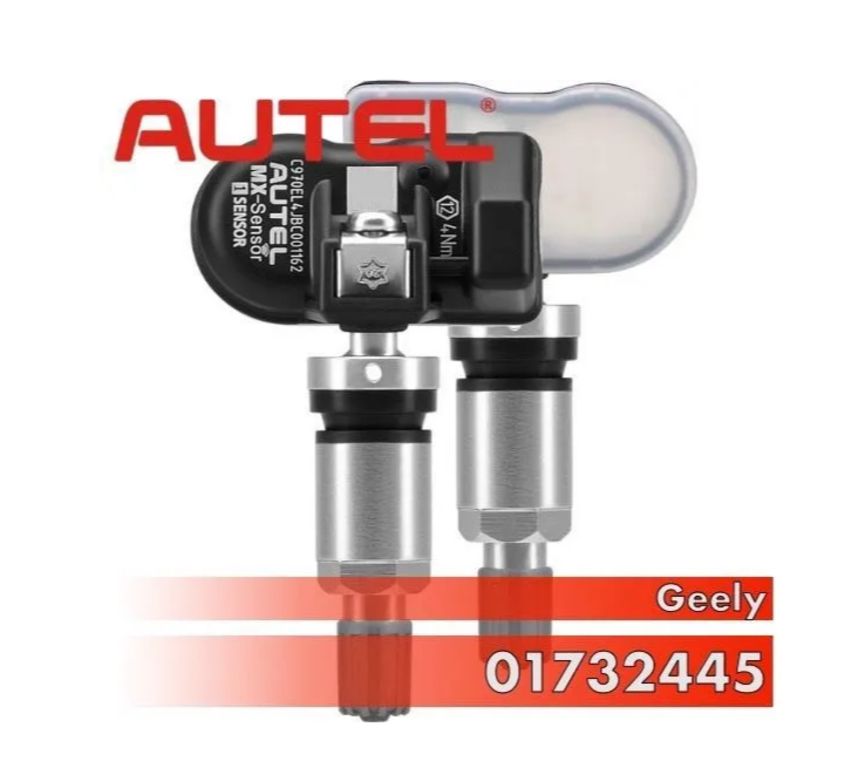
Okay, let’s dive into the world of tire pressure sensors on the Geely Tugella. First up, we’re talking about the original sensors. These are the sensors that came with your car from the factory. They’re specifically designed for the Tugella, and that means they’re perfectly calibrated to work seamlessly with your vehicle’s system. Now, you might be wondering about the quality. Generally, original equipment sensors are known for their reliability and longevity. They often use higher-quality components and undergo rigorous testing, leading to a longer lifespan and more accurate readings compared to some aftermarket options. However, they also tend to be more expensive. It’s a trade-off between cost and performance, something you’ll need to consider. Remember to check your owner’s manual for the specific part numbers for your Geely Tugella’s original sensors – this will help you avoid any compatibility issues if you ever need replacements.
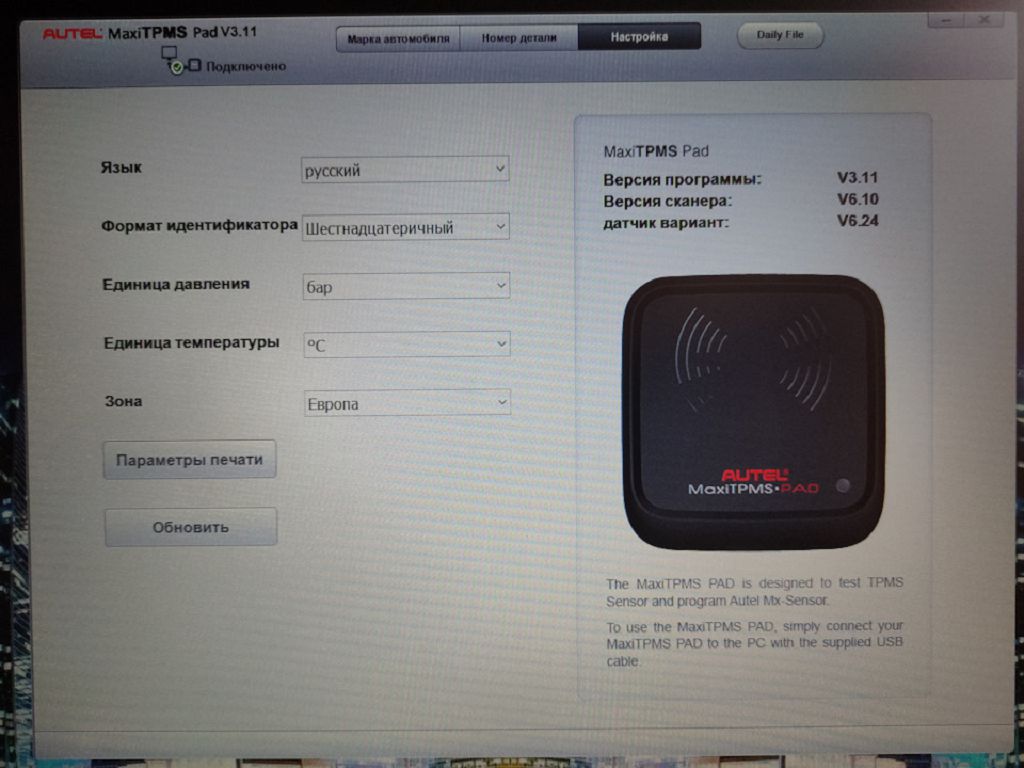
Next, let’s talk about how you bind these TPMS sensors, both original and aftermarket, to your Geely Tugella. This is often done through the OBDII port, that little connector usually located under your dashboard. You’ll need a suitable OBDII scanner or diagnostic tool that’s compatible with your vehicle. Many of these tools allow you to register new sensors, essentially teaching the car’s computer system to recognize the unique ID of each sensor. The process usually involves turning the ignition on, connecting the scanner, and following the prompts on the scanner’s screen. It’s crucial to follow the instructions carefully, as incorrect procedures could lead to errors or even damage to your vehicle’s system. There are plenty of videos online demonstrating this process, so if you’re feeling unsure, I highly recommend checking those out before attempting it yourself. Remember, if you’re not comfortable working with car electronics, it’s always best to take your car to a qualified mechanic.
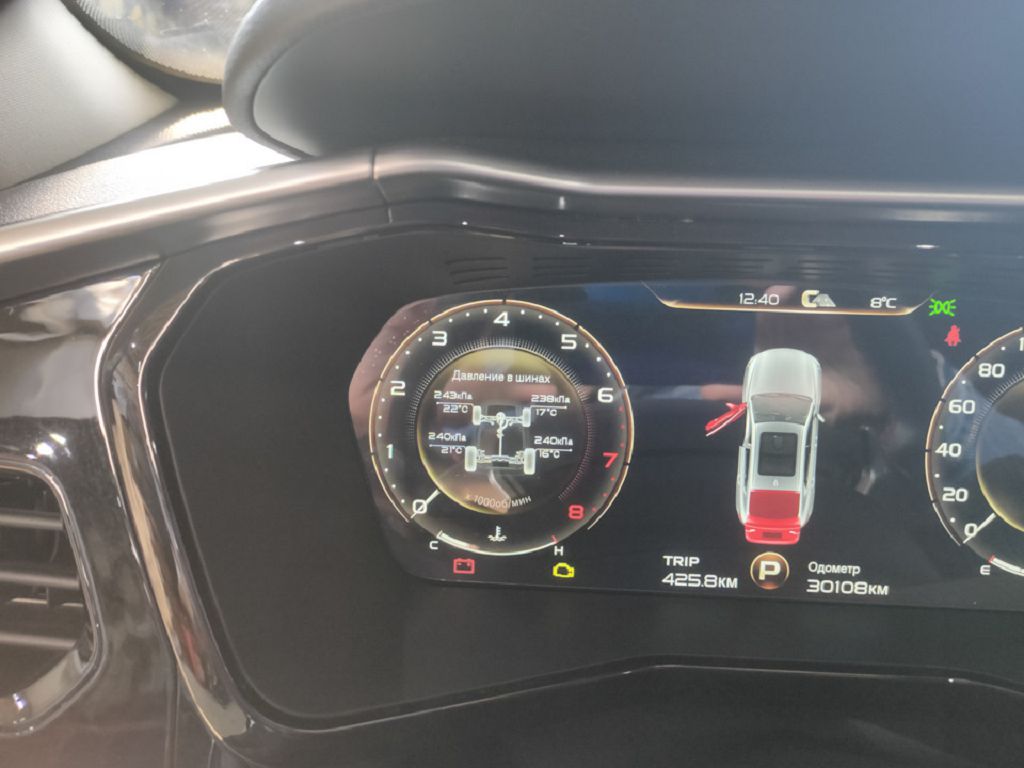
Finally, let’s look at how the TPMS system itself works on the Geely Tugella. The sensors, located inside your tires, constantly monitor the air pressure. They transmit this data wirelessly to a receiver, usually integrated into the car’s computer system. This receiver then processes the information and displays it on your dashboard. You’ll typically see a visual indication of the pressure in each tire, and a warning light will illuminate if the pressure falls below a pre-set threshold. This is a crucial safety feature, as under-inflated tires can significantly impact your vehicle’s handling, fuel efficiency, and even increase the risk of a blowout. Regularly checking your tire pressure, and understanding how your TPMS system works, is essential for safe and efficient driving. Remember to consult your owner’s manual for specific details about your Geely Tugella’s TPMS system, including recommended tire pressures and how to interpret the warning lights.
So, let’s dive straight into the world of tire pressure sensors on the Geely Tugella. One of the first things you’ll notice is the low and high tire pressure alarm system. This isn’t just a simple light; it’s a sophisticated system that monitors each tire individually. It’ll alert you if the pressure drops below a safe threshold, potentially indicating a puncture or slow leak. But it also warns you if the pressure gets too HIGH, which can be just as dangerous, leading to uneven tire wear and potentially a blowout. The system is pretty sensitive, so you’ll get a warning well before things become critically unsafe. It’s worth noting that the sensitivity might vary slightly depending on the ambient temperature, so don’t be alarmed by a minor fluctuation on a particularly hot or cold day. Always check your tire pressure regularly, even if the alarm hasn’t triggered.
Now, what happens if a sensor malfunctions? Well, that’s a bit more complicated. You might get a general tire pressure monitoring system (TPMS) fault, or it might pinpoint a specific sensor. If one sensor goes bad, you’ll likely see a warning light on your dashboard, and the system might not accurately reflect the pressure in that particular tire. This is where things can get a little tricky. Sometimes, a simple reset might solve the problem, but other times, you’ll need to replace the faulty sensor. And that’s where the cost can vary quite a bit, depending on whether you go for original Geely parts or explore some analogue options. We’ll talk more about that in a bit. But remember, a malfunctioning sensor means you’re losing a crucial safety feature, so don’t ignore it. Get it checked out as soon as possible.
Beyond the low and high pressure warnings, you might encounter other alarm messages related to the TPMS. These could be things like a communication error between the sensors and the vehicle’s computer, or a problem with the system’s power supply. These messages are usually displayed on your dashboard, and they can be a bit cryptic. Your owner’s manual is your best friend here. It should provide a detailed explanation of all the possible TPMS error codes and what they mean. Don’t hesitate to consult it if you’re unsure about what a particular message indicates. Understanding these codes can help you diagnose the problem more effectively and save you time and money in the long run.
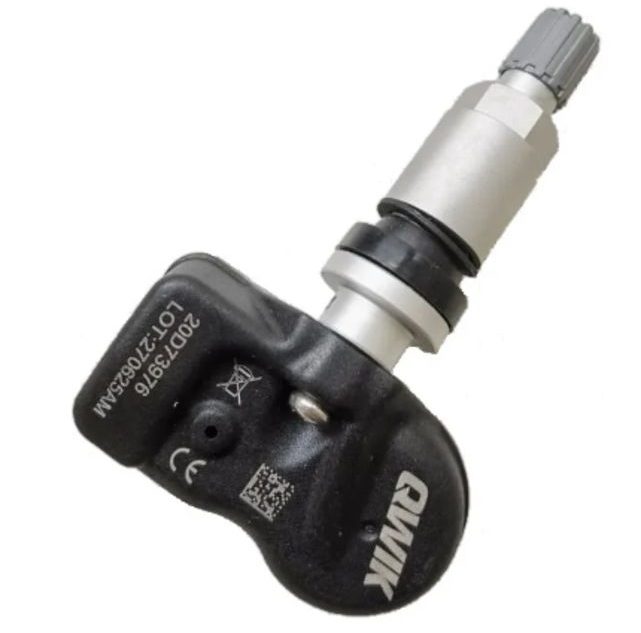
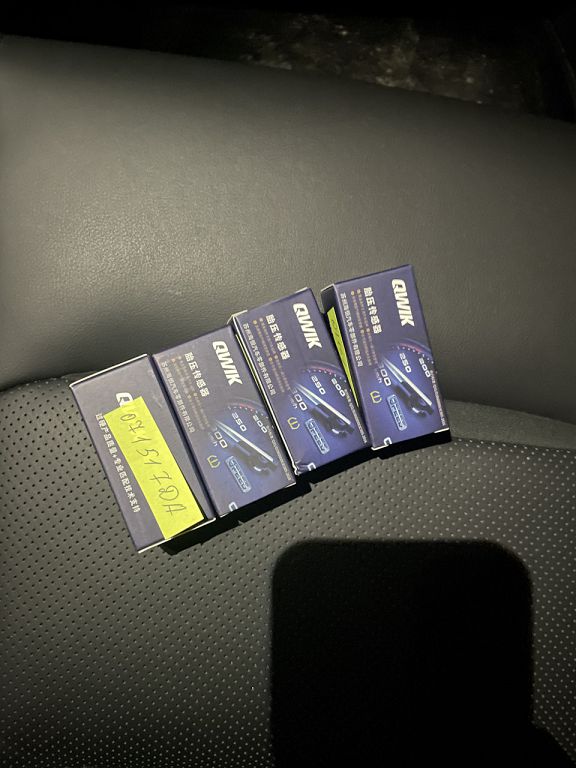
Now, let’s talk about the analogue options. If you’re looking for a more budget-friendly alternative to replacing a faulty original Geely sensor, you can explore analogue options. These are sensors from third-party manufacturers that are designed to be compatible with your Geely Tugella. However, it’s crucial to do your research and choose reputable brands. Not all analogue sensors are created equal, and some might not be as reliable or accurate as the original Geely parts. Before you buy, check reviews and make sure the sensor is specifically designed for your vehicle’s year and model. A poorly chosen analogue sensor could lead to inaccurate readings, potentially compromising your safety. Consider the long-term cost versus the initial savings when making your decision. Sometimes, investing in the original part is the smarter choice in the long run. The quality and reliability are usually worth the extra expense. Remember, your safety is paramount.
Finally, the question of «registration.» Many people wonder if the TPMS sensors need to be «registered» with the vehicle’s computer after installation. The answer is: it depends. With original Geely sensors, registration is often automatic. The vehicle’s system recognizes them immediately. However, with analogue sensors, registration might be necessary. This usually involves using a specialized tool to program the sensors to your vehicle’s system. Some garages offer this service, but you might also find instructions online, depending on the specific sensor you’ve purchased. Always check the manufacturer’s instructions to see if registration is required for your chosen analogue sensor. Failing to register them properly could lead to inaccurate readings or error messages. So, always double-check the instructions and ensure the process is completed correctly.
- Читайте также: