So, what does «adaptive» actually mean when we’re talking about cruise control? It’s not just about setting a speed and letting the car do the driving; it’s about the car intelligently adjusting its speed to match the traffic conditions. Think of it like having a co-pilot who’s constantly monitoring the road ahead and making subtle adjustments to keep you safe and comfortable. With adaptive cruise control, or ACC as it’s often called, the system uses sensors – usually radar and sometimes cameras – to detect vehicles in front of you. If the car in front slows down, your Chery Tiggo Pro Max SEVEN will automatically slow down too, maintaining a safe following distance. And when the road clears, it’ll smoothly accelerate back to your set speed. It’s a huge leap forward from traditional cruise control, offering a much more relaxed and safer driving experience, especially in stop-and-go traffic. It’s important to remember though, that even with adaptive cruise control, you should always remain vigilant and be ready to take over at any moment. It’s a driver-assistance system, not a self-driving system.
Now, let’s dive into the specifics of the ACC system in the Chery Tiggo Pro Max SEVEN. First off, the radar system is key. This is usually located behind the front grille, and it constantly scans the road ahead, measuring the distance and relative speed of vehicles in front of you. The system is incredibly sophisticated; it can differentiate between cars, trucks, and even larger objects. The sensitivity of this radar system can sometimes be adjusted, allowing you to fine-tune the following distance to your preference. You’ll usually find this setting within the car’s infotainment system, often represented by a series of bars or icons indicating the distance gap. Experiment with these settings to find what feels most comfortable for you. Remember, a larger gap means more space between you and the car in front, offering greater safety but potentially leading to slightly less efficient driving.
Beyond the radar, the Chery Tiggo Pro Max SEVEN’s ACC system likely incorporates other elements to enhance its functionality. For example, it might use the car’s braking system to smoothly decelerate when necessary, and it might even integrate with the lane-keeping assist system to help maintain your position within your lane. Understanding how all these systems work together is crucial to getting the most out of your adaptive cruise control. Pay close attention to the on-screen displays and the car’s behavior as you use the ACC; this will help you become more familiar with its nuances and limitations. Remember to consult your owner’s manual for detailed information specific to your vehicle. It’s a valuable resource that can answer many questions and help you fully understand all the features and capabilities of your Chery Tiggo Pro Max SEVEN’s adaptive cruise control. Don’t hesitate to explore all the settings and options available to you – you might discover some hidden gems that make your driving experience even better.
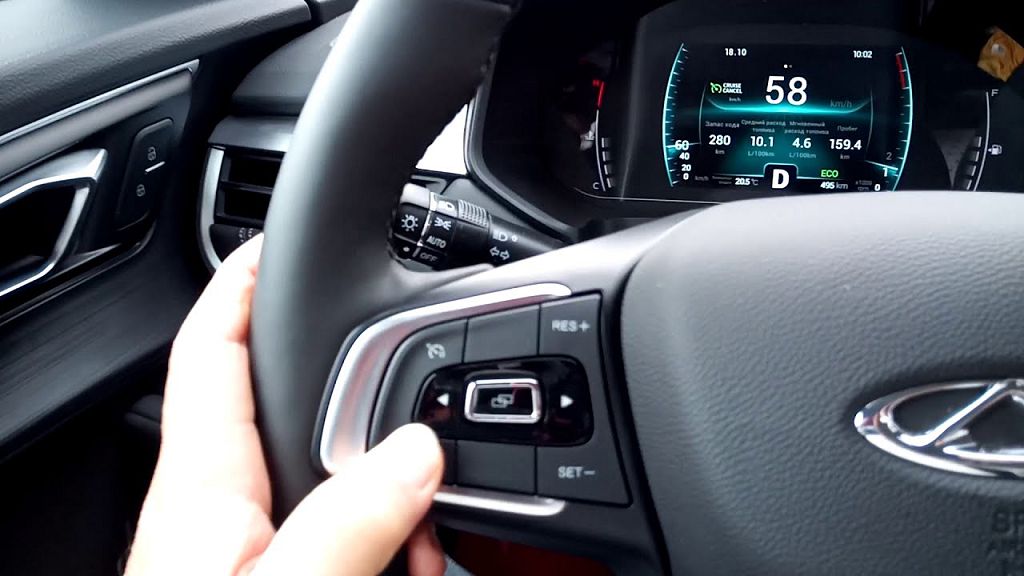
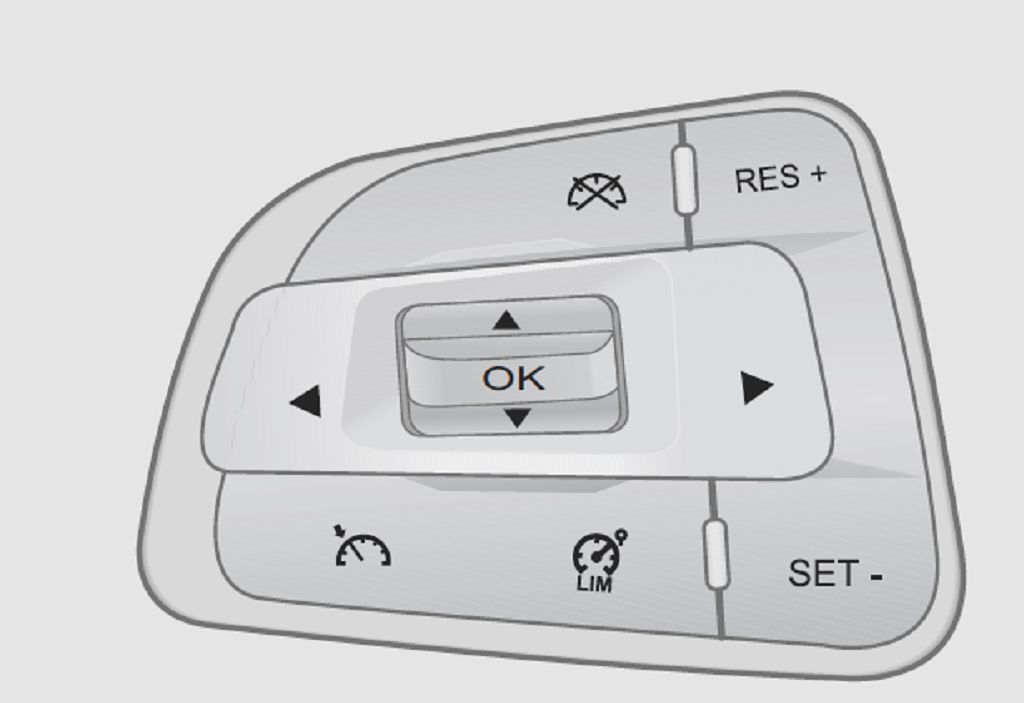
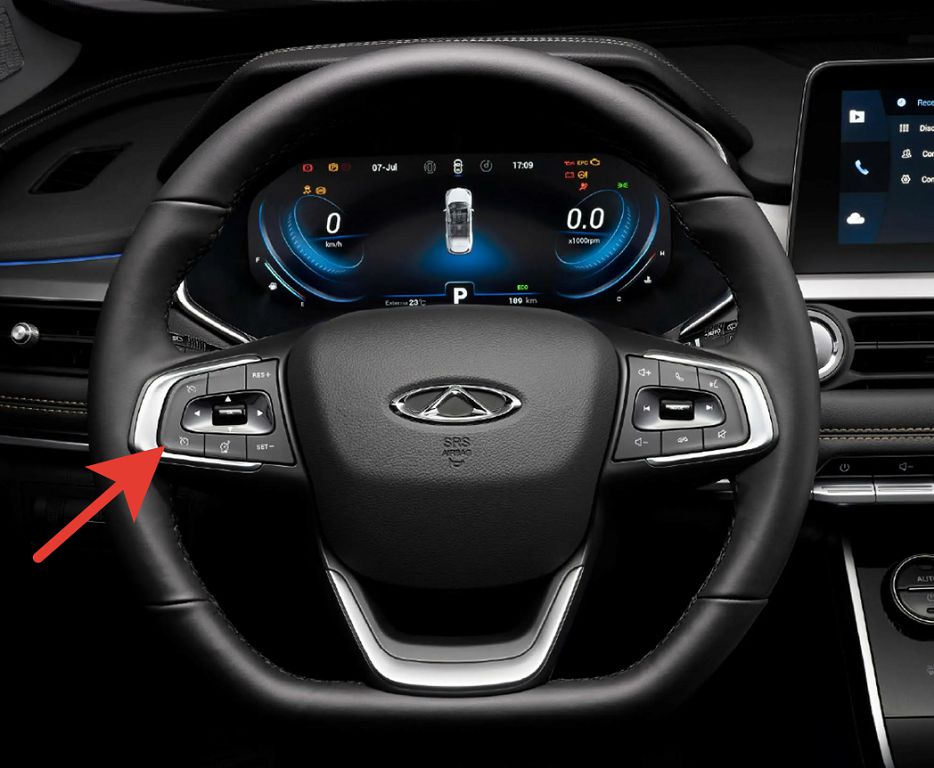
Okay, let’s dive into the cruise control on my Chery Tiggo Pro Max SEVEN. First off, the basic operation. It’s pretty straightforward, really. You’ll find the controls on the steering wheel – usually a little stalk on the left. To engage the cruise control, you first need to be moving at a speed of at least THIRTY kilometers per hour. Then, you press the «SET» button. The system will remember your current speed, and you’ll see it displayed on your dashboard. From there, you can use the «+» and «-» buttons to increase or decrease the set speed. Simple enough, right?
Now, turning the cruise control on and off is just as easy. To turn it off completely, you just press the «CANCEL» button. This will immediately disengage the cruise control, and you’ll need to reactivate it if you want to use it again. There’s also a «RESUME» button. This is handy if you briefly disengage the cruise control – say, for overtaking – you can simply press «RESUME» and it’ll pick up where you left off at the previously set speed. It’s a really convenient feature for long drives. Remember, always be aware of your surroundings and ready to take control of the vehicle at any time, even when using cruise control. Safety first, people!
And now, the star of the show: the adaptive cruise control system. This is where things get interesting. Unlike regular cruise control, which simply maintains a constant speed, the adaptive system uses sensors to monitor the distance between your Tiggo and the vehicle in front. It automatically adjusts your speed to maintain a safe following distance. This is incredibly helpful in heavy traffic or when following closely behind another car. The system uses radar or lidar technology – I haven’t checked which one Chery uses, but it’s definitely one of those – to detect the car ahead and automatically slow down or speed up to maintain that pre-set distance. You can usually adjust the sensitivity of this system, allowing you to choose how close you want to follow the car in front. It’s a fantastic safety feature, and it really takes the stress out of driving in congested areas. You’ll find the settings for adjusting the following distance usually within the vehicle’s infotainment system. Take some time to familiarize yourself with those settings – it’s worth it! Remember, though, adaptive cruise control is a driver-assistance system, not a self-driving system. You still need to pay attention and be ready to take over at any moment. It’s a great help, but it’s not a replacement for your own driving skills and awareness.