Let’s dive straight into comparing the Chery Tiggo 7 Pro Max with some of its key rivals: the Haval F7, the Jili Atlas, the Tiggo 8 Pro Max, and the Haval Jolyon. We’ll be looking at the exterior styling, the interior features, and finally, the powertrains under the hood.
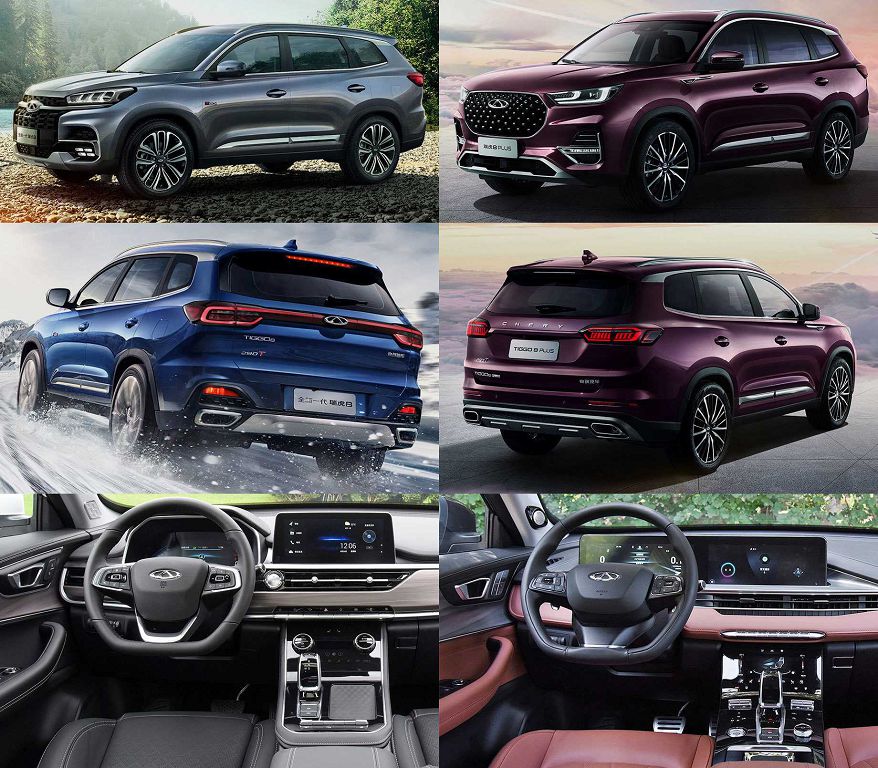
First up, the exteriors. The Tiggo 7 Pro Max boasts a pretty aggressive and modern design. Sharp lines, a prominent grille, and sleek LED headlights give it a really sporty look. Now, the Haval F7 takes a slightly different approach, opting for a more refined and elegant aesthetic. It’s a bit more understated, but still undeniably stylish. The Jili Atlas, on the other hand, presents a bolder, more rugged appearance. Think more substantial lines and a more imposing stance. It’s definitely a head-turner. Comparing it to its bigger brother, the Tiggo 8 Pro Max, you’ll immediately notice the increased size and presence. The 8 Pro Max is a larger SUV, and that translates to a more commanding road presence. Finally, the Haval Jolyon offers a more compact and youthful design. It’s sleek and modern, but with a slightly softer edge compared to the Tiggo 7 Pro Max’s sharper lines. It really comes down to personal preference, but each of these SUVs offers a distinct and appealing exterior design.
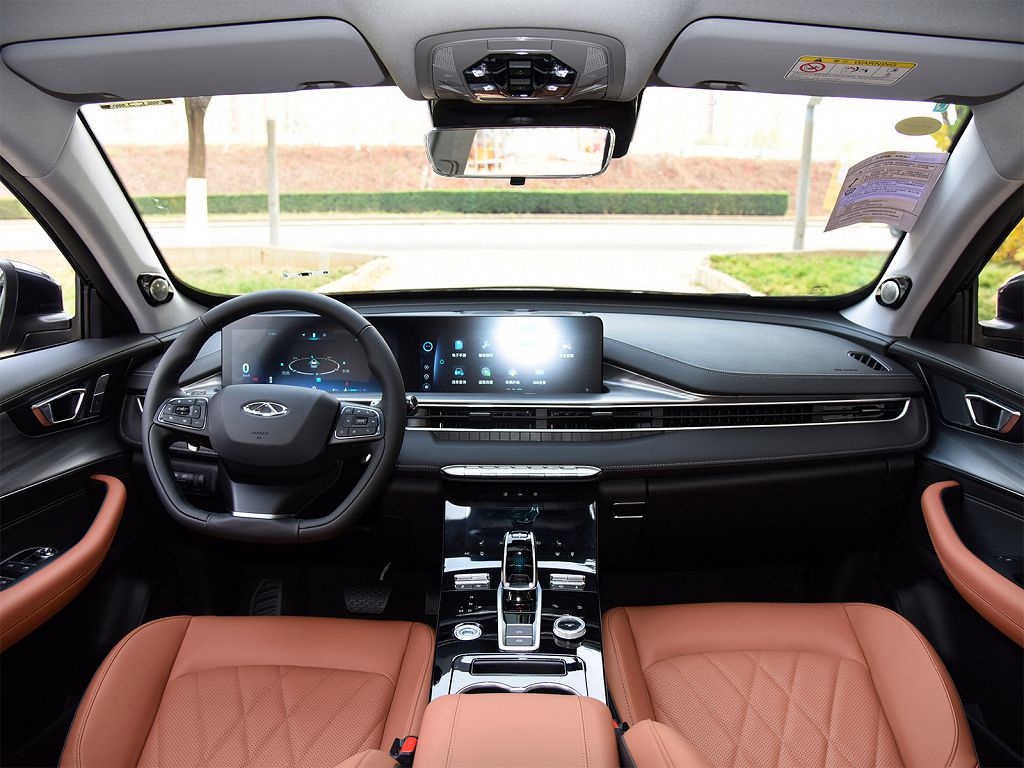
Moving on to the interiors. The Tiggo 7 Pro Max features a really modern and tech-focused cabin. You’ll find a large touchscreen infotainment system, usually a TEN-inch or larger display, high-quality materials, and a generally comfortable and spacious feel. The Haval F7 also offers a comfortable interior, but perhaps with a slightly more traditional layout. The materials are generally good, but maybe not quite as premium as what you find in the Tiggo 7 Pro Max. The Jili Atlas provides a similarly comfortable interior, but with a slightly more upmarket feel in some trims. It often features a more luxurious feel with higher-quality materials. Stepping up to the Tiggo 8 Pro Max, you get even more space, thanks to its larger size. This translates to more legroom and headroom for passengers in both the front and rear. The Haval Jolyon, being the smallest of the bunch, offers a surprisingly spacious interior for its size. It’s well-designed and comfortable, but naturally, doesn’t offer the same amount of space as the larger SUVs. The overall quality of materials and the level of technology varies across these models, so it’s worth checking out individual trim levels to get a better understanding of what you’re getting.
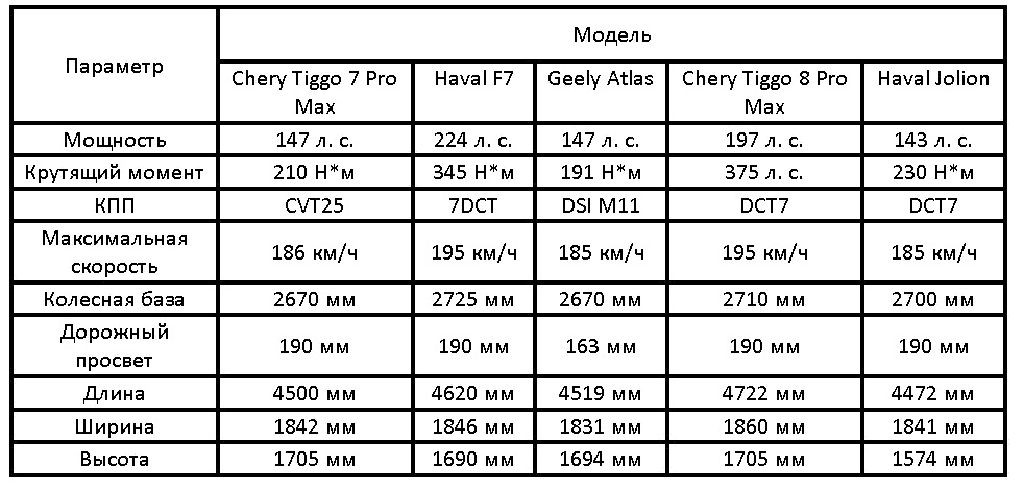
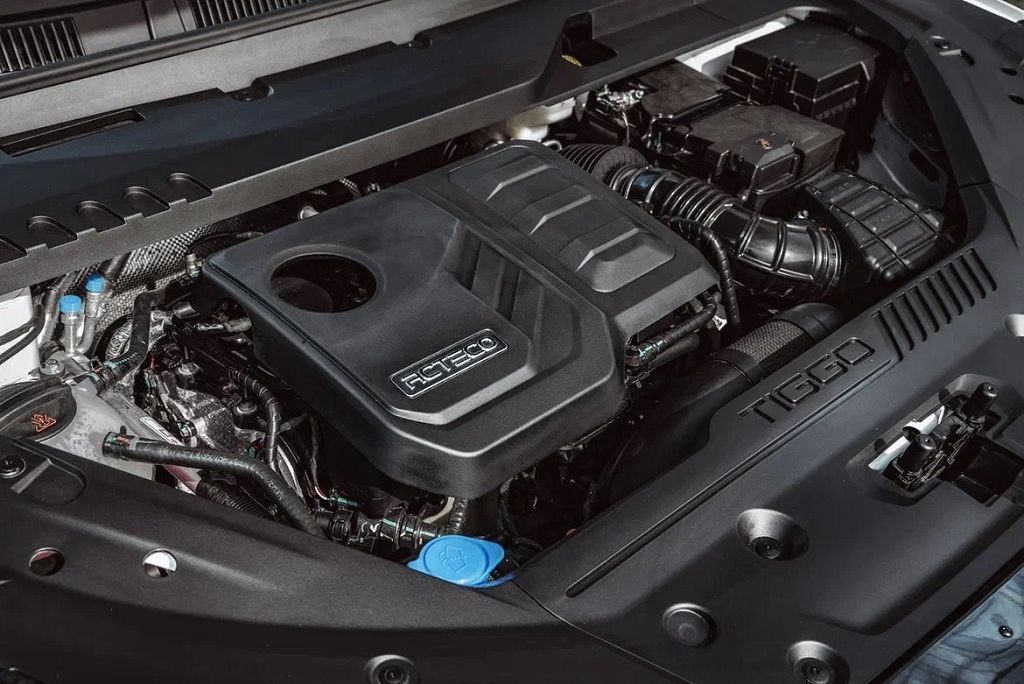
Finally, let’s talk powertrains. The Chery Tiggo 7 Pro Max typically offers a range of turbocharged engines, usually around ONE POINT FIVE to TWO LITERS in displacement. These engines generally offer a good balance of power and fuel efficiency. The Haval F7 also offers a range of turbocharged engines, with similar displacement and power outputs. The Jili Atlas also usually features turbocharged engines, often with a focus on providing strong acceleration. The Tiggo 8 Pro Max, being the larger vehicle, often comes with slightly larger displacement engines to handle the extra weight. You might find TWO-LITER or even larger engines available. The Haval Jolyon usually offers smaller, more fuel-efficient engines, reflecting its smaller size and target market. Remember to check the specific engine options and specifications for each model and trim level, as these can vary depending on the region and year of manufacture. Things like horsepower, torque, and fuel economy will all play a significant role in your final decision. Each of these SUVs offers a different driving experience, so consider your priorities when making your choice.
Okay, let’s dive straight into comparing the Chery Tiggo 7 Pro Max against some of its key rivals: the Haval F7, the Jili Atlas, the Tiggo EIGHT Pro Max, and the Haval Jolyon. We’re going to look at some crucial areas to help you decide which SUV best fits your needs.
First up: road behavior and suspension. Now, the Tiggo SEVEN Pro Max offers a surprisingly comfortable ride. Its suspension does a good job of soaking up bumps and imperfections in the road, making it a relaxing cruiser, even on less-than-perfect surfaces. The Haval F7, on the other hand, feels a bit firmer, offering more responsive handling but potentially a slightly less comfortable ride on rougher roads. The Jili Atlas sits somewhere in the middle; it’s not quite as plush as the Tiggo SEVEN Pro Max, but it’s not as stiff as the Haval F7 either. The Tiggo EIGHT Pro Max, being a larger vehicle, naturally has a different feel – it’s more composed at higher speeds but can feel a bit less agile in tight corners compared to the SEVEN Pro Max. Finally, the Haval Jolyon, being a smaller SUV, offers a more nimble and responsive driving experience, but it might not be as comfortable on longer journeys or rougher terrains. It really comes down to your priorities – comfort versus handling. Think about how you typically drive and the types of roads you usually travel on.
Next, let’s talk about the cost of a new car. Prices vary depending on the trim level and specific features, of course, but generally speaking, the Chery Tiggo SEVEN Pro Max sits in a competitive price bracket. You’re looking at a starting price somewhere in the range of TWENTY-FIVE THOUSAND to THIRTY THOUSAND dollars, depending on your region and the dealer. The Haval F7 is usually priced similarly, sometimes slightly lower, sometimes slightly higher, depending on the specific model and deals available. The Jili Atlas tends to be a bit more affordable, often coming in at the lower end of that price range. The Tiggo EIGHT Pro Max, being the larger vehicle, commands a higher price, typically starting around THIRTY-FIVE THOUSAND dollars and going up from there. The Haval Jolyon, as the smaller option, usually sits at the lower end of the price spectrum, often under TWENTY-FIVE THOUSAND dollars. Remember to check current prices in your area, as these are just general estimates.
Finally, let’s consider maintenance costs. This is a crucial factor in the long-term ownership of any vehicle. Generally, the Chery Tiggo SEVEN Pro Max has a reputation for being relatively inexpensive to maintain. Parts are readily available, and servicing costs are generally in line with other vehicles in its class. The Haval F7 and Jili Atlas are also generally considered to have reasonable maintenance costs. The Tiggo EIGHT Pro Max, due to its size and potentially more complex systems, might have slightly higher maintenance costs. Similarly, the Haval Jolyon, while generally affordable, might have slightly higher costs per mile driven compared to larger vehicles due to the smaller size and potentially less robust components. It’s always a good idea to check with your local mechanic or dealership for specific maintenance cost estimates for each model you’re considering. Remember to factor in the cost of regular servicing, potential repairs, and the price of parts when making your decision. This is a long-term investment, so it’s important to consider all the costs involved.

- Читайте также: