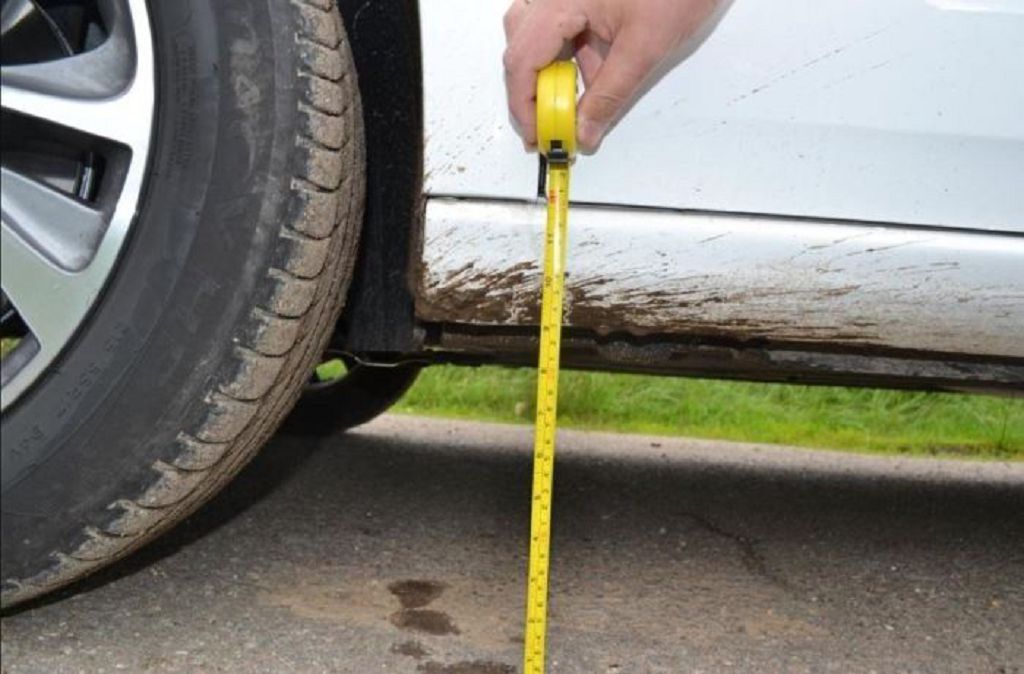
So, we’re tackling a question that’s been popping up a lot: What’s the REAL ground clearance of the Chery Tiggo SEVEN/Pro/Max? You see a lot of conflicting information online – ONE HUNDRED AND NINETY millimeters here, ONE HUNDRED AND SIXTY-THREE millimeters there. It’s enough to make your head spin! Let’s clear this up once and for all. We’re going to dive into the specifics, looking at the differences between these figures and what they actually mean for your driving experience. We’ll even touch on how these numbers relate to the Tiggo’s overall geometric walkability.
Now, the discrepancy between ONE HUNDRED AND NINETY millimeters and ONE HUNDRED AND SIXTY-THREE millimeters isn’t just some random error. It often comes down to the specific trim level, the year of manufacture, and even slight variations in measurement techniques. Some manufacturers quote the ground clearance at the lowest point of the vehicle, which might be the undercarriage or even a specific part of the suspension. Others might use a different methodology, leading to these discrepancies. It’s crucial to understand that a difference of TWENTY-SEVEN millimeters can be significant, especially when tackling rough terrain or speed bumps. Think about it – that’s almost THREE centimeters! That’s a noticeable difference that could mean the difference between smoothly navigating a pothole and scraping your undercarriage. We’ll be showing you real-world measurements in this video, so you can see exactly what to expect.
Let’s talk about geometric walkability. This isn’t just about the ground clearance number itself; it’s about the overall design of the vehicle’s underbody. A high ground clearance is only part of the equation. Geometric walkability considers the approach angle, the departure angle, and the breakover angle. The approach angle is the angle formed by the ground and a line from the front tire contact patch to the lowest point of the front bumper. The departure angle is similar, but at the rear of the vehicle. The breakover angle is the angle formed by the ground and a line connecting the front and rear axles, essentially measuring the vehicle’s ability to clear obstacles between the wheels. A vehicle with good geometric walkability will have larger approach, departure, and breakover angles, allowing it to handle uneven terrain more effectively, even with a relatively lower ground clearance. We’ll be visually demonstrating these angles on the Tiggo SEVEN/Pro/Max in this video, so you can get a better understanding of how they contribute to its off-road capabilities. We’ll be showing you exactly what to look for when assessing a vehicle’s suitability for different driving conditions. Remember, a higher ground clearance number doesn’t automatically translate to superior off-road performance. The overall geometry plays a crucial role. We’ll be showing you exactly how these factors interact to determine the Tiggo’s real-world capabilities.
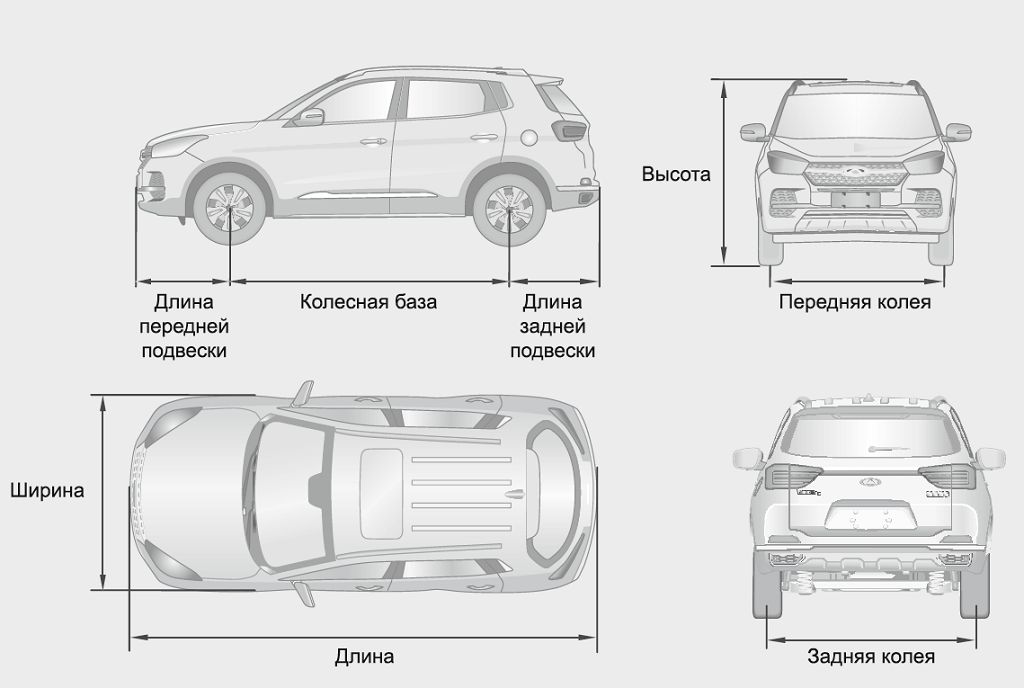
So, we’re tackling a question that pops up a lot regarding the Chery Tiggo 7, Pro, and Max: What’s the actual ground clearance? You see figures like ONE HUNDRED AND NINETY millimeters and ONE HUNDRED AND SIXTY-THREE millimeters thrown around, and it can get confusing. Let’s dive into the overall dimensions to get a clearer picture.
When we talk about overall dimensions, we’re not just looking at the ground clearance number in isolation. We need to consider the wheelbase, the overall length, width, and height of the vehicle. These dimensions all play a role in how the car feels on the road and, importantly, how it handles different terrains. Think about it – a longer wheelbase might offer a smoother ride, but it could also mean a slightly less maneuverable vehicle in tight spaces. Similarly, a wider vehicle might feel more stable at higher speeds, but parking could become a bit more challenging. We’ll be showing you exact measurements on screen now, so you can compare them to your own experiences and see how these dimensions translate into real-world driving. We’ll also be showing close-up shots of the undercarriage to give you a better idea of what contributes to the ground clearance.
Now, let’s get to the practical value of ground clearance. ONE HUNDRED AND NINETY millimeters versus ONE HUNDRED AND SIXTY-THREE millimeters – that’s a difference of TWENTY-SEVEN millimeters! That might not sound like much, but in reality, it can make a significant difference, especially when you’re driving on uneven roads, going over speed bumps, or tackling slightly rougher terrain. Think about those unexpected potholes or those steep driveways you sometimes encounter. That extra clearance can be the difference between a smooth ride and scraping the undercarriage. We’ll be demonstrating this practically in the video, showing you how the Tiggo 7, Pro, and Max handle various obstacles with their respective ground clearances. We’ll be driving over some typical obstacles you might encounter in everyday driving, and you’ll be able to see firsthand the impact of that difference in ground clearance. We’ll also be paying close attention to the approach and departure angles, which are equally important for navigating challenging terrain. We’ll be measuring these angles and explaining how they contribute to the overall off-road capability, or lack thereof, of these vehicles. We’ll also be looking at the suspension system and how it interacts with the ground clearance to provide a comfortable and safe ride. We’ll be showing you slow-motion footage to highlight the suspension’s movement and how it absorbs bumps and irregularities in the road surface. This will give you a much better understanding of how the ground clearance translates into real-world driving dynamics.