So, let’s dive straight into the heart of the matter: gearboxes in the Haval M6. This is a topic that sparks a lot of questions, so I’m going to break down everything you need to know about the transmission options available in this popular SUV.
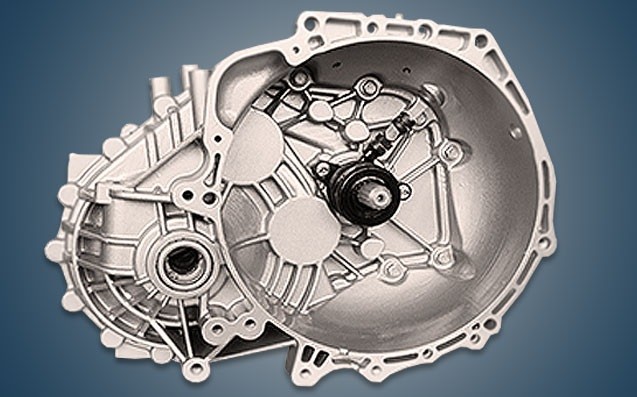
First up, we have the manual transmission. Specifically, the Haval M6 offers TWO different SIX-speed manual gearboxes: the CS12 and the CS14. Now, these might seem similar at first glance, but there are subtle differences. The CS12, for instance, might be found in earlier models, and some owners report slightly different shift feel compared to the CS14. We’re talking about things like throw length – how far you need to move the shifter – and the overall precision of the shifts. It’s not a huge difference, but it’s something experienced drivers might notice. I’ve personally driven both, and I’ll show you some footage comparing the two in action later in the video. We’ll look at some real-world driving scenarios to highlight the nuances between these two manual options. We’ll also touch upon common maintenance points, like clutch life and the frequency of gearbox oil changes. Remember, proper maintenance is key to extending the lifespan of any manual transmission.
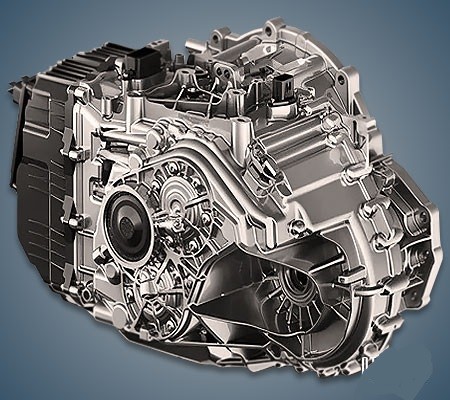
Next, we move on to the automated option: the SEVEN-speed robotized transmission, officially known as the GWM 7DCT450. This is a completely different beast compared to the manual boxes. It’s a dual-clutch transmission, which means it uses TWO separate clutches to handle odd and even gears. This allows for faster shifts than a traditional automatic transmission, offering a sportier driving experience. However, robotized transmissions can sometimes be a bit jerky, especially at low speeds or during heavy acceleration. We’ll examine this in detail, looking at how the 7DCT450 performs in various driving conditions. We’ll also discuss common issues reported by Haval M6 owners with this gearbox, such as potential hesitation during shifts or occasional rough engagement. We’ll cover troubleshooting tips and preventative maintenance strategies to keep your 7DCT450 running smoothly for years to come. And of course, we’ll talk about the cost and process of replacing either the manual or robotized gearbox should the worst happen. We’ll look at the average cost of parts and labor, and offer some advice on finding reputable mechanics. Replacing a gearbox is a significant undertaking, so understanding the process and potential costs is crucial.
Okay, let’s dive straight into the world of Haval M6 gearboxes. First up, something super important: when to change the oil in your Haval H6’s gearbox. Now, this isn’t something you can just guess at. You need to consult your owner’s manual. Seriously, it’s in there, and it’s crucial. The recommended interval varies depending on your driving conditions – city driving versus highway driving, for example, will impact how often you need to change that oil. Harsh conditions, like frequently towing heavy loads or driving on rough terrain, will also shorten the interval. Ignoring the recommended schedule can lead to premature wear and tear on your gearbox, potentially resulting in costly repairs down the line. Think of it like this: regular oil changes are like giving your gearbox a spa day – it keeps everything running smoothly and extends its lifespan. So, check that manual, folks! It’s your best friend when it comes to gearbox maintenance.
Next, let’s talk about the manual transmission, specifically the SIX MF TWENTY-TWO B. This is a pretty robust gearbox, known for its reliability. However, even the toughest gearboxes need proper care. Smooth shifting is key – avoid harsh gear changes, especially when starting off or accelerating quickly. Regular checks for leaks are also essential. A small leak can quickly become a big problem, so keep an eye out for any signs of oil around the gearbox casing. And remember, using the correct type and amount of transmission oil is absolutely vital. Again, your owner’s manual is your go-to resource for this information. Don’t just guess! Using the wrong oil can seriously damage the gearbox’s internal components.
Now, let’s move on to the SEVEN DCT FOUR FIFTY, another manual transmission option found in some Haval M6 models. This one’s a bit more technologically advanced, incorporating a dual-clutch system. While generally reliable, these gearboxes can be more sensitive to harsh driving conditions. Aggressive acceleration and frequent stop-and-go traffic can put extra stress on the clutch system. Smooth, controlled driving is even more important with this type of gearbox. Regular servicing, including oil changes at the recommended intervals, is crucial for maintaining its performance and longevity. And just like with the SIX MF TWENTY-TWO B, always use the correct type of transmission oil. This information, you guessed it, is in your owner’s manual.
Finally, let’s address the dreaded topic of manual transmission breakdowns in the Haval H6. While these gearboxes are generally reliable, problems can occur. Common issues can include worn-out synchromesh, damaged bearings, or problems with the clutch system. Symptoms can range from difficulty shifting gears to grinding noises, or even complete gearbox failure. If you experience any of these issues, it’s crucial to get your vehicle checked by a qualified mechanic as soon as possible. Ignoring a problem will only make it worse and potentially lead to more extensive and costly repairs. Prevention is always better than cure, so remember those regular oil changes, smooth driving techniques, and always consult your owner’s manual for specific maintenance recommendations. Taking care of your gearbox is an investment in the longevity and reliability of your Haval M6.