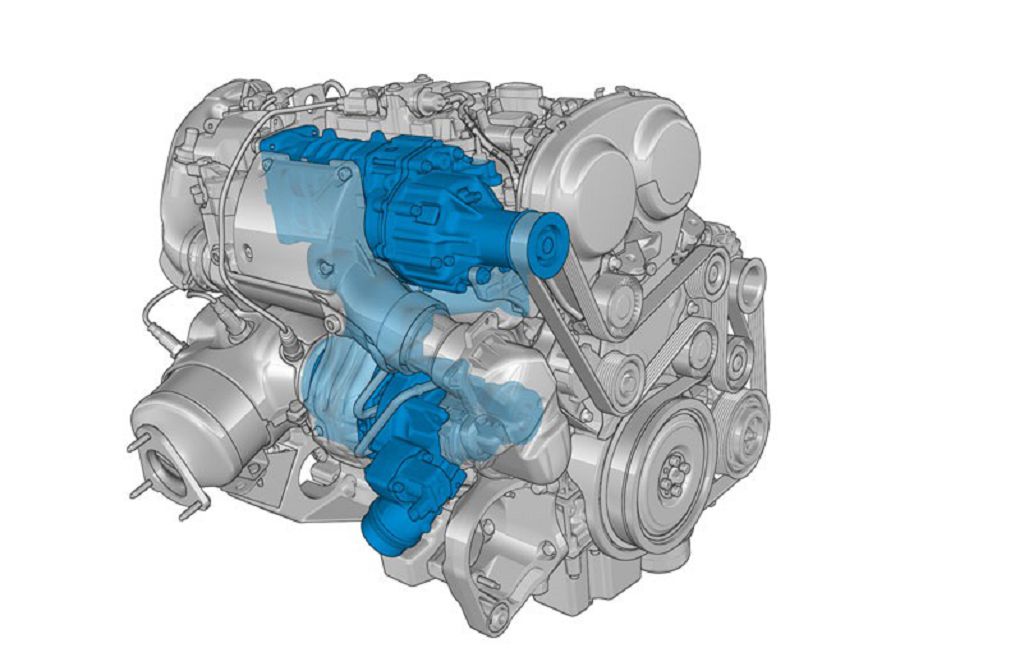
So, let’s dive straight into this Geely Monjaro engine. A lot of people are asking – is this a genuine Volvo unit? The short answer is… it’s complicated. While Geely owns Volvo, and there’s definitely a strong Volvo influence in the design and technology, it’s not a direct, off-the-shelf Volvo engine. Think of it more like a collaborative effort, a sharing of expertise and technology. Geely has leveraged Volvo’s extensive engine development knowledge, incorporating many of their best practices and design philosophies. You’ll see similarities, undoubtedly, but it’s not simply a rebadged Volvo powerplant. It’s been adapted and optimized for the Monjaro, reflecting Geely’s own engineering prowess and understanding of the Chinese market. There are key differences in components and calibrations, tailored specifically for the Monjaro’s performance characteristics and fuel efficiency targets. So, while it benefits from Volvo’s heritage, it’s distinctly a Geely engine.
Now, let’s talk specifics. We’re looking at the JLH-FOUR G TWENTY TDB engine. That’s a mouthful, I know! But this designation tells us a lot. The «JLH» likely refers to Geely’s internal engine family code. The «FOUR G TWENTY» clearly indicates a TWO-LITER, FOUR-cylinder engine. And the «TDB» likely points to specific internal modifications or features, perhaps relating to turbocharging or emissions standards. This is a turbocharged gasoline engine, offering a good balance of power and fuel economy – something crucial in today’s market. We’re talking about a relatively modern engine design, incorporating advanced technologies to maximize efficiency and minimize emissions. This isn’t your grandfather’s engine; it’s a sophisticated piece of engineering.
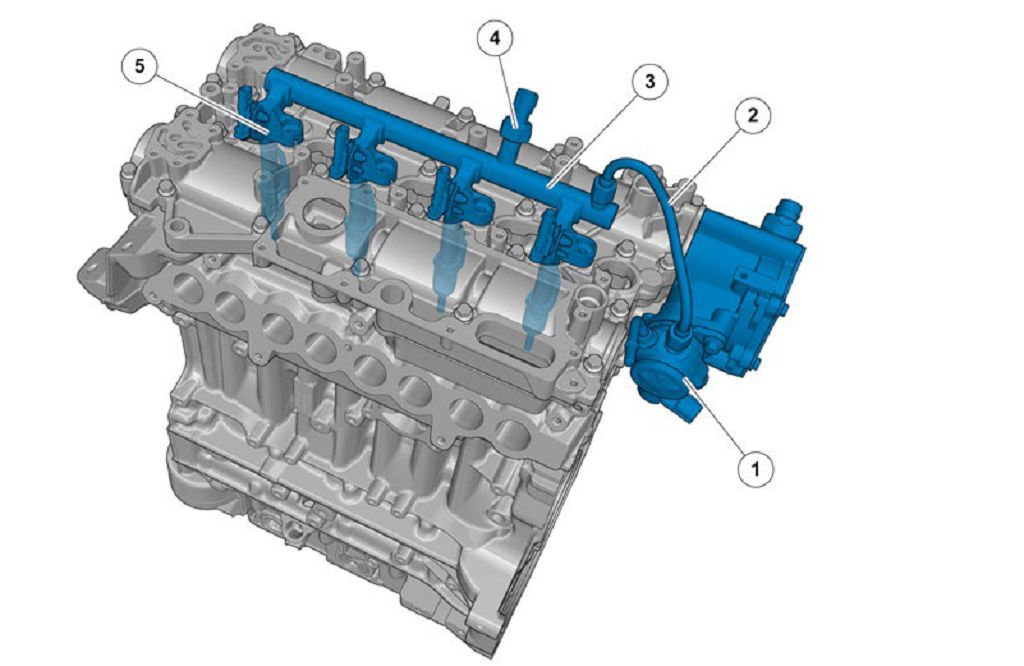
Let’s take a closer look at the engine’s design. Visually, you’ll notice a clean and efficient layout. Geely has clearly prioritized ease of maintenance and serviceability. The components are well-organized, making access for routine checks and repairs straightforward. The engine block itself is likely constructed from high-strength aluminum alloy, contributing to its lightweight nature and overall performance. You’ll probably see features like integrated oil coolers and advanced cooling systems designed to maintain optimal operating temperatures under various driving conditions. The turbocharger is likely strategically positioned for efficient airflow and minimal lag. The intake and exhaust manifolds are designed for optimal gas flow, maximizing power output and minimizing emissions. Pay close attention to the details – the quality of the castings, the precision of the machining, the overall robustness of the construction. These are all indicators of the engineering effort that has gone into this engine. It’s not just about power; it’s about reliability and longevity. And that’s where the «Swedish reliability» part of the equation comes in. The design principles and manufacturing processes are clearly influenced by Volvo’s long-standing reputation for building durable and dependable engines. But remember, it’s the «Chinese calculation» that brings it all together – the cost-effectiveness, the market-specific optimizations, and the overall value proposition that makes this engine so compelling.
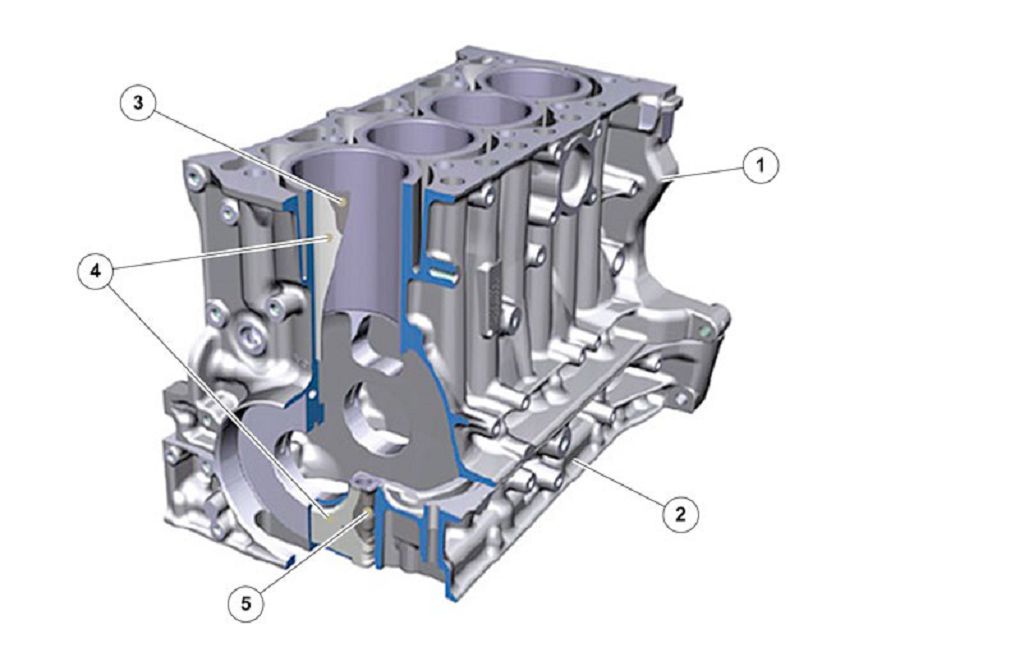
Let’s dive right into the heart of the Geely Monjaro – its TWO-POINT-ZERO gasoline engine. First off, we’re talking about the cylinder block. This isn’t just any old block; Geely has put a lot of thought into its design. It’s constructed from high-strength aluminum alloy, which is lighter than cast iron, contributing to better fuel efficiency. The bore and stroke dimensions are carefully optimized for a balance of power and torque, and the overall design is incredibly rigid, minimizing vibrations and ensuring longevity. You’ll notice the precision machining – everything is incredibly tight and well-made. This is where the «Swedish reliability» part of the equation really comes into play. Geely collaborated with Volvo engineers on this engine, and that expertise is evident in the quality of the components and the overall build. We’re not just talking about a pretty face; this is a robust, well-engineered foundation for the entire powertrain.
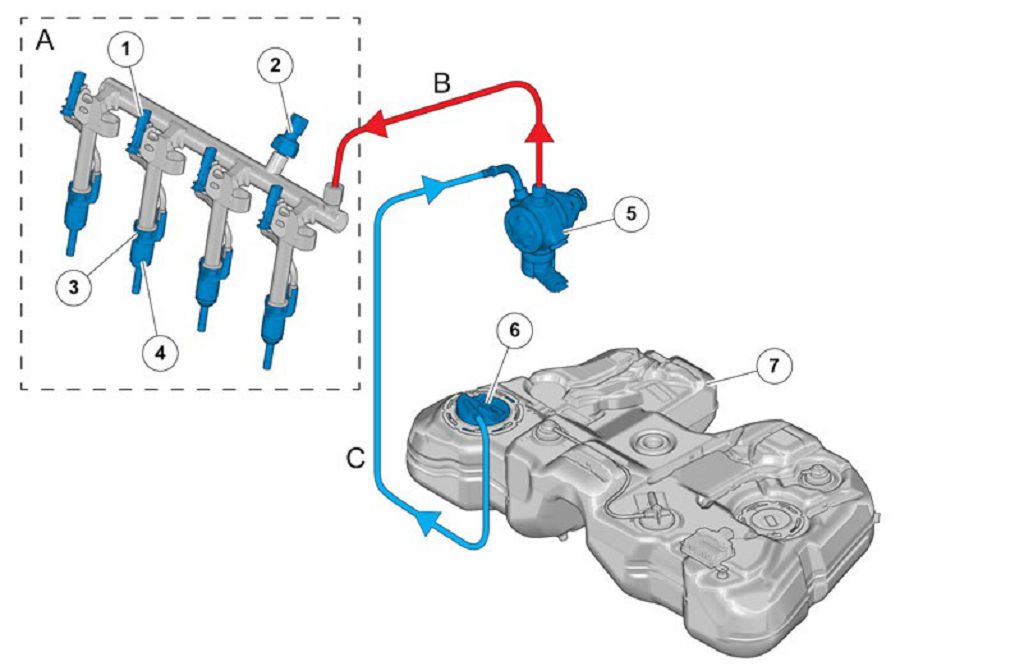
Next up is the direct injection system. This is crucial for both performance and efficiency. Instead of spraying fuel into the intake manifold, the direct injection system precisely injects fuel directly into the combustion chamber. This allows for a more efficient burn, leading to better fuel economy and reduced emissions. The system uses high-pressure fuel injectors, capable of delivering fuel with incredible accuracy. This precise control over fuel delivery is key to optimizing power output across the rev range. You’ll feel the responsiveness of the engine, the smooth acceleration, and the overall refined driving experience – all thanks to this sophisticated direct injection system. It’s a testament to Geely’s commitment to using cutting-edge technology.
Now, let’s talk about the supercharging system. This is where the «Chinese calculation» comes in – a clever way to boost performance without sacrificing efficiency. The supercharger uses a belt-driven compressor to force more air into the combustion chamber, increasing the amount of fuel that can be burned. This results in a significant increase in horsepower and torque, giving the Monjaro impressive acceleration and pulling power. But here’s the smart part: Geely has carefully calibrated the supercharger to work seamlessly with the direct injection system. The result is a powerful engine that’s also surprisingly fuel-efficient. It’s a perfect example of how Geely is combining advanced technology with a focus on practicality.
Finally, let’s address the reliability and potential problems of the Monjaro engine. Based on early reports and data, the engine seems quite robust. The use of high-quality components and the collaboration with Volvo engineers suggest a high level of reliability. However, like any engine, there’s always a possibility of issues. Regular maintenance is crucial, including timely oil changes and adherence to the manufacturer’s recommended service schedule. Potential problems could include issues with the turbocharger, fuel injectors, or other components over extended periods of high-stress use. But, with proper care and maintenance, the Monjaro engine should provide years of reliable service. Remember, preventative maintenance is key to maximizing the lifespan of any engine. Keeping an eye on things like oil levels, coolant levels, and any unusual noises will help you catch potential problems early.