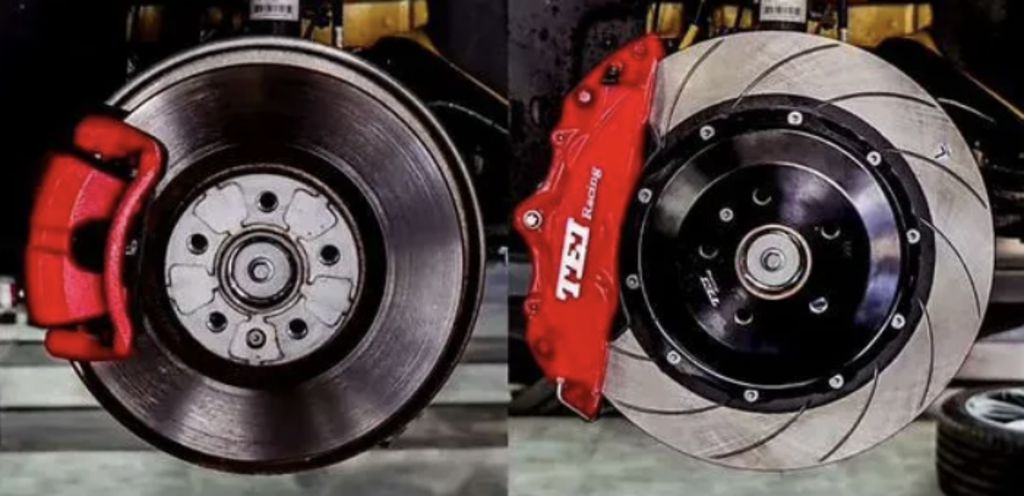
So, we’re diving into the world of Geely Monjaro brake pads today. Specifically, we’re looking at whether those pricey original manufacturer pads are truly worth the investment, or if there are some equally good, maybe even better, alternatives out there. Let’s start by looking at what Geely themselves offer.
Finding the right brake pads for your Geely Monjaro from the original manufacturer’s catalog can seem like a bit of a minefield. There’s a lot of part numbers to sift through, and it’s easy to get confused. But don’t worry, I’ve done the legwork for you. I’ve looked at the official Geely parts catalog, and I’ll walk you through the key things to look for when ordering directly from them. One thing I noticed is that they often categorize pads by vehicle year and sometimes even specific trim levels. So, make absolutely sure you’re selecting the correct part number for YOUR specific Monjaro. Don’t just rely on the model year; double-check the VIN number to be completely certain. The catalog itself usually provides detailed specifications, including the pad material composition – things like ceramic, semi-metallic, or organic – and the expected lifespan. Pay close attention to these details; they’ll give you a good idea of what to expect in terms of braking performance and longevity. And remember, even with original equipment pads, there can be variations in quality depending on the supplier Geely uses at any given time. So, while you’re getting the «official» part, it’s not always a guarantee of consistent performance across different batches.
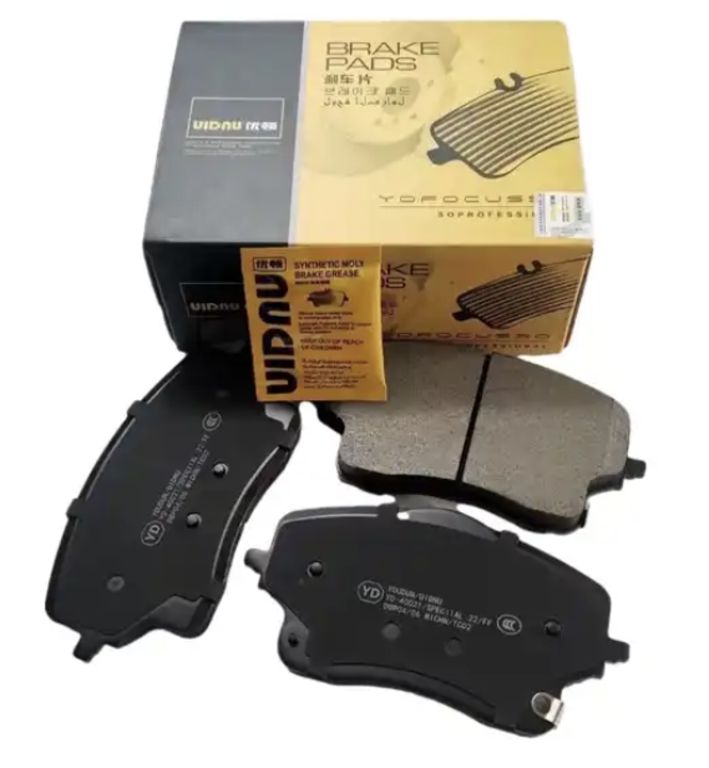
Now, let’s talk about the front brake pads. These are the ones that do the lion’s share of the braking work, especially during hard stops. The original Geely Monjaro front pads are generally designed for a balance between performance and longevity. They’re usually not the most aggressive pads on the market, but they’re reliable and offer decent stopping power. However, the price can be a significant factor. We’ll be comparing these to some aftermarket options shortly, looking at factors like price, material composition, and performance reviews. One thing to consider with front pads is the wear rate. Depending on your driving style and conditions, you might find yourself replacing them more frequently than the rear pads. Aggressive driving, frequent hard braking, and mountainous terrain will all contribute to faster wear. Keep an eye on your brake pad wear indicators – those little metal tabs that make a squealing noise when your pads are getting low – to avoid damaging your rotors.
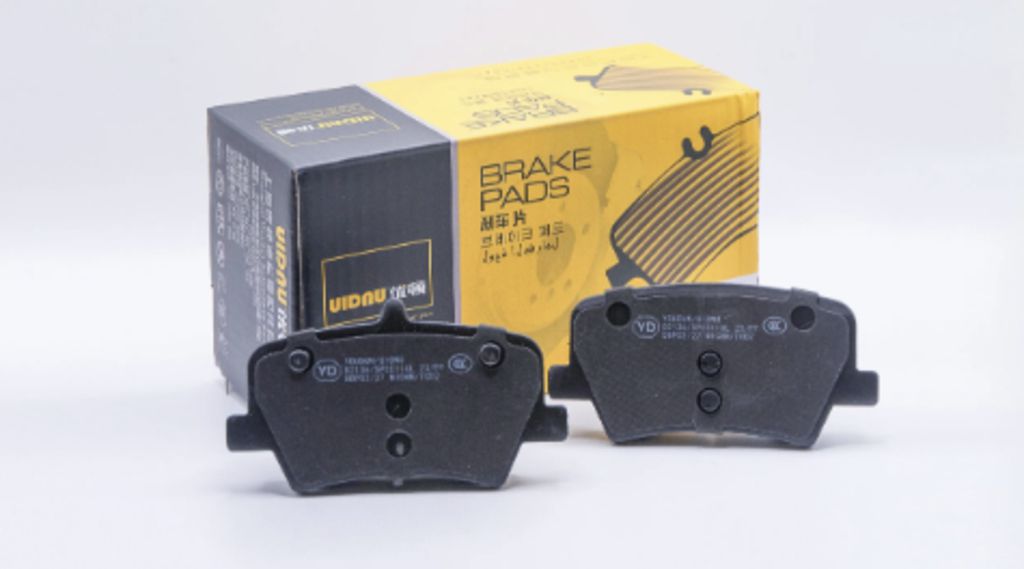
Finally, let’s move on to the rear brake pads. The rear pads generally wear more slowly than the front pads, simply because they don’t bear as much of the braking load. This means they often last longer, potentially saving you money in the long run. The original Geely Monjaro rear pads, similar to the front ones, aim for a good balance of performance and longevity. Again, the material composition is key here. You’ll want to pay attention to the type of material used, as this will impact braking feel, noise levels, and dust production. While the rear pads might not be as critical as the front ones in terms of immediate stopping power, neglecting them can still lead to braking imbalances and reduced overall braking efficiency. So, regular inspection and timely replacement are just as important for the rear pads as they are for the front. We’ll also be comparing the original rear pads to some aftermarket alternatives, looking at the same key factors: price, material, and performance reviews from other Monjaro owners.
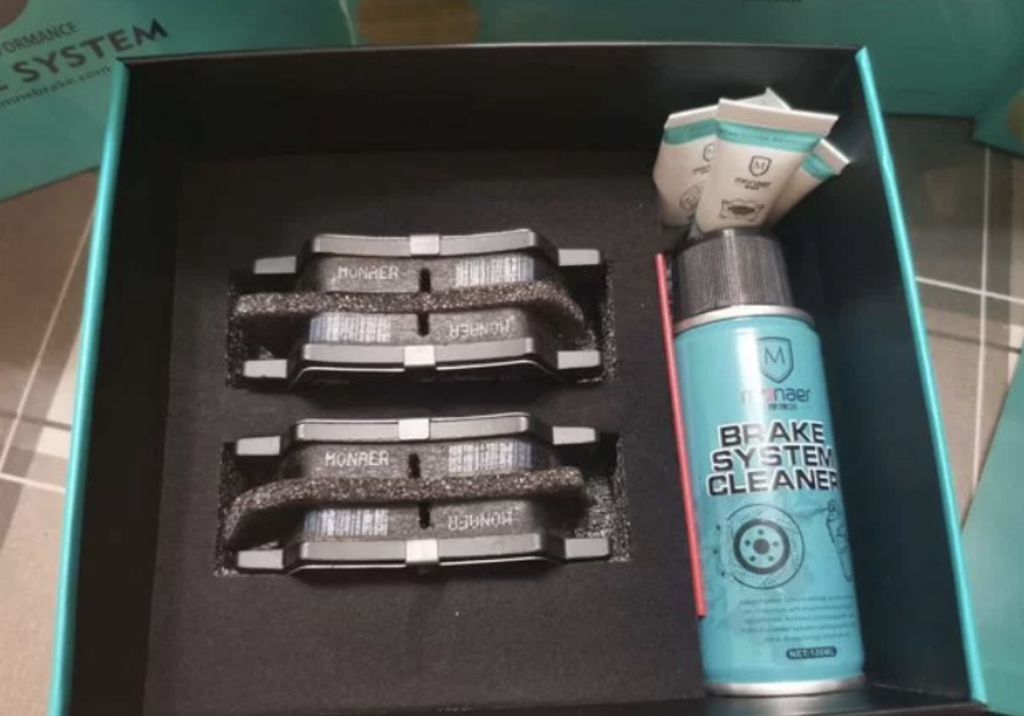
So, let’s dive straight into finding worthy alternatives for those Geely Monjaro brake pads. Finding the right replacement isn’t always straightforward, and you want to make sure you’re getting something that performs just as well, if not better, than the originals. We’ll explore some reputable brands and what to look for when comparing options. We’ll talk about things like material composition – ceramic, semi-metallic, or organic – and how that affects braking performance, noise levels, and even dust production. Remember, different materials have different strengths and weaknesses, so understanding those differences is key to making an informed decision. We’ll also discuss price points, because let’s face it, budget is a factor for most of us. Finding a balance between quality and affordability is crucial. I’ll share some of my personal experiences and recommendations based on my research and what I’ve seen work well for other Monjaro owners. We’ll look at specific brands and models, comparing their specifications and user reviews to help you make the best choice for your vehicle.
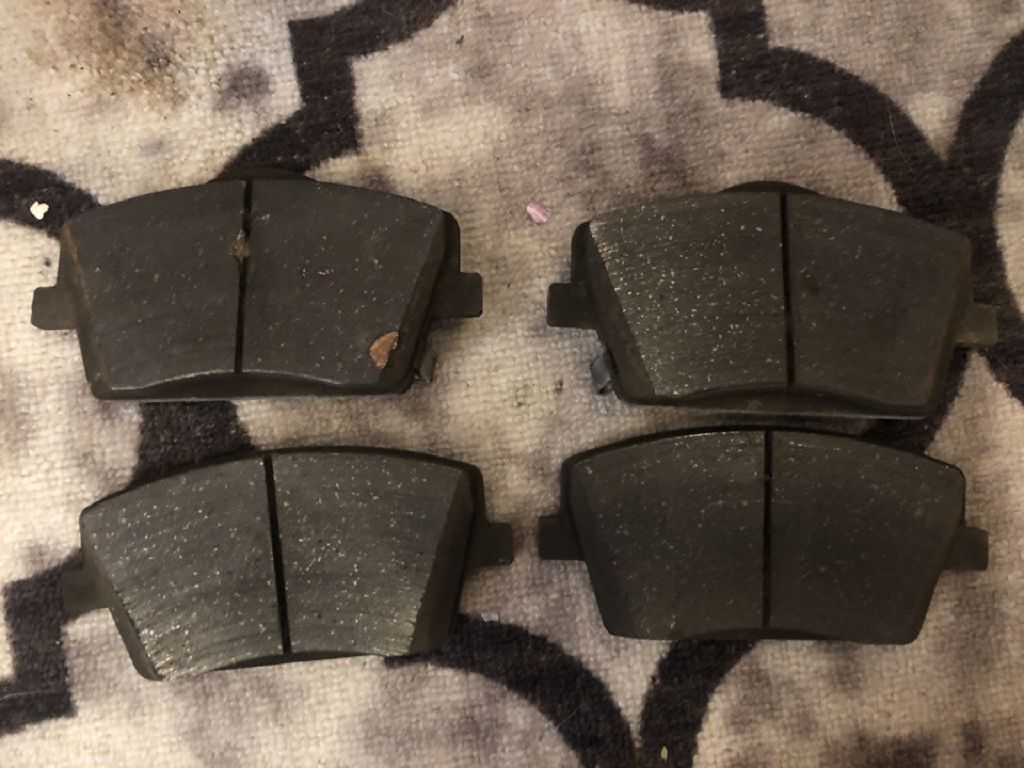
Now, let’s move on to the front brake pads specifically. The front brakes do the lion’s share of the braking work, so getting the right pads here is absolutely critical. We’ll examine the differences in pad thickness, friction coefficient, and the overall design. We’ll also discuss the importance of proper pad bedding-in after installation. This process helps to ensure optimal performance and longevity of your new pads. I’ll show you some visual examples of what to look for when inspecting your old pads and comparing them to the new ones. We’ll also talk about the potential warning signs of worn-out pads, such as squealing noises or a spongy brake pedal. Knowing these signs can help you avoid potential brake failure and keep you safe on the road. We’ll cover the importance of checking your brake fluid levels and the overall condition of your braking system.
Finally, let’s tackle the replacement procedure for both front and rear brake pads. Now, I’m not a certified mechanic, so I’m not going to give you step-by-step instructions that would require specialized tools or expertise. However, I can give you a general overview of what’s involved. We’ll discuss the tools you’ll likely need, such as a wrench, socket set, and possibly a caliper compression tool. I’ll emphasize the importance of safety precautions, like using jack stands and wheel chocks to secure your vehicle. We’ll also talk about the importance of carefully following the instructions provided with your chosen brake pads. Remember, if you’re not comfortable performing this task yourself, it’s always best to take your vehicle to a qualified mechanic. Improper installation can lead to serious safety risks, so prioritize safety above all else. We’ll also discuss the importance of a post-installation brake check to ensure everything is working correctly. This is a crucial step to ensure your safety and the proper functioning of your braking system. Remember, your brakes are your most important safety feature, so don’t take any shortcuts.