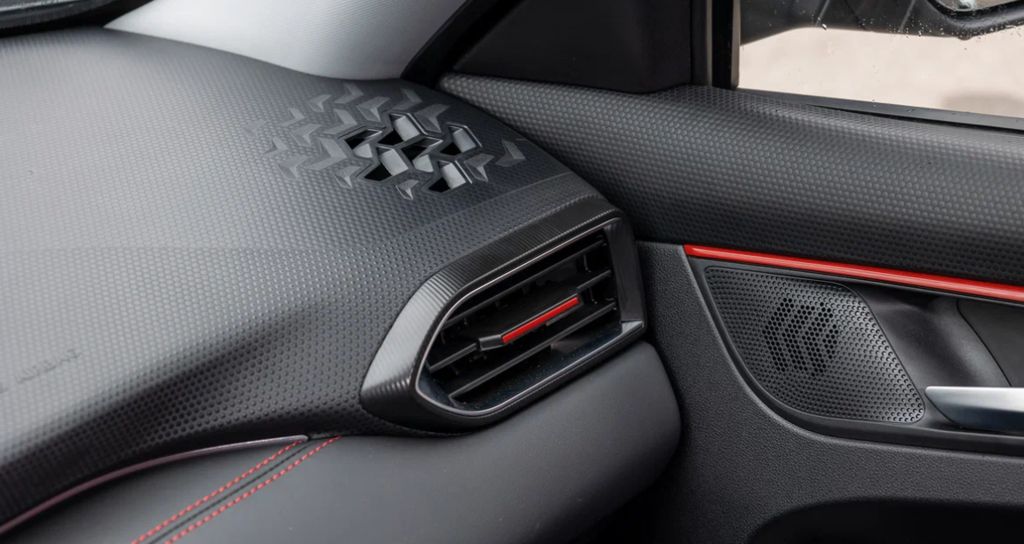
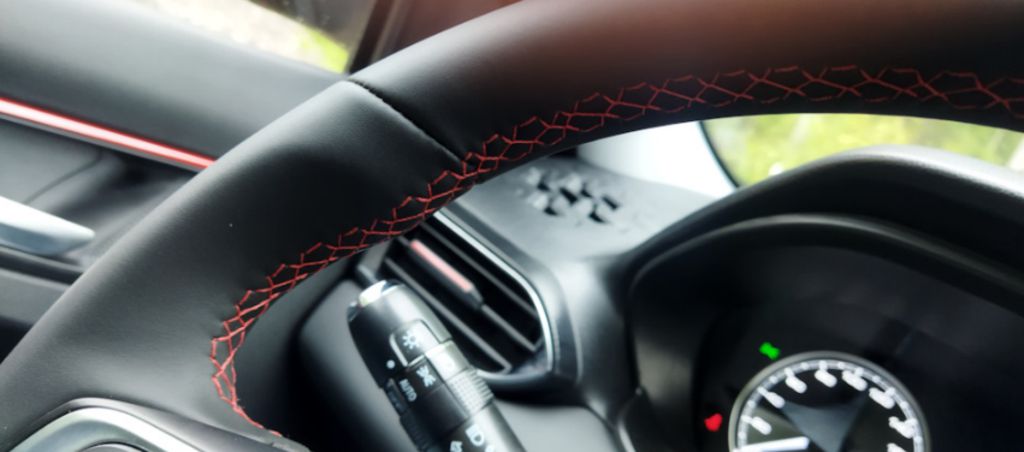
So, let’s dive straight into the things I wasn’t completely thrilled about with the Kaiyi E5. First up, the interior. Now, don’t get me wrong, it’s not terrible, but there are definitely some areas where it could use some improvement. The materials used, especially the plastics, feel a bit…cheap. I mean, a lot of hard plastic is used throughout the cabin, and it doesn’t exactly scream premium quality. You get a noticeable amount of creaking and rattling from various panels, especially on rougher roads. It’s not a deal breaker, but it’s definitely something you’ll notice and it detracts from the overall driving experience. It just lacks that feeling of solidity and refinement you’d expect, even in this price range. You really feel the difference compared to some competitors.
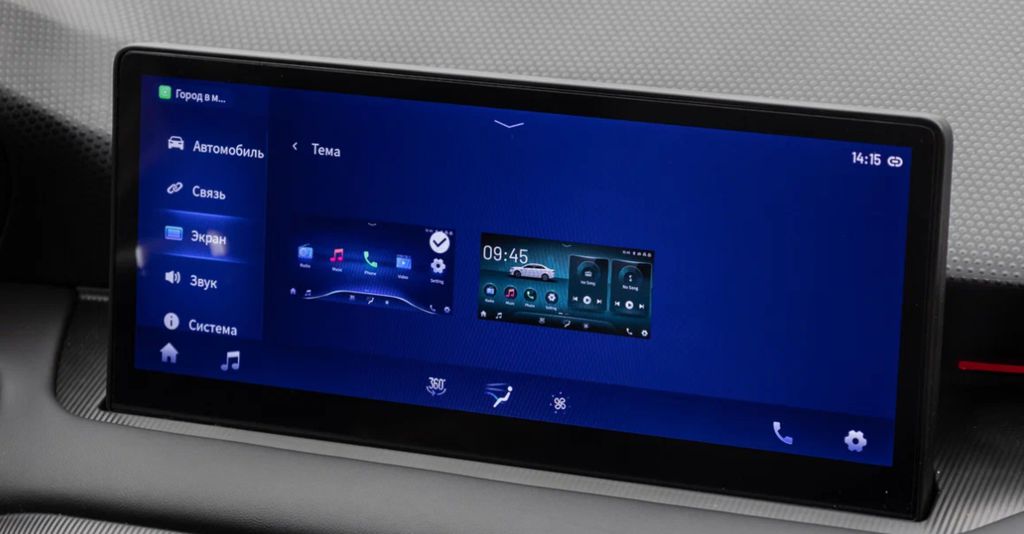
Next, let’s talk about the multimedia system. While it’s generally functional, I experienced a few frustrating glitches. There were a couple of instances where the screen froze completely, requiring a full restart of the system. It’s not something that happened constantly, but it was frequent enough to be annoying. The responsiveness also wasn’t always the best; sometimes there was a noticeable lag between pressing a button and the system reacting. Again, not a major catastrophe, but it’s definitely something to be aware of. It’s not the most intuitive system either, and the menu navigation could be improved for better user-friendliness.
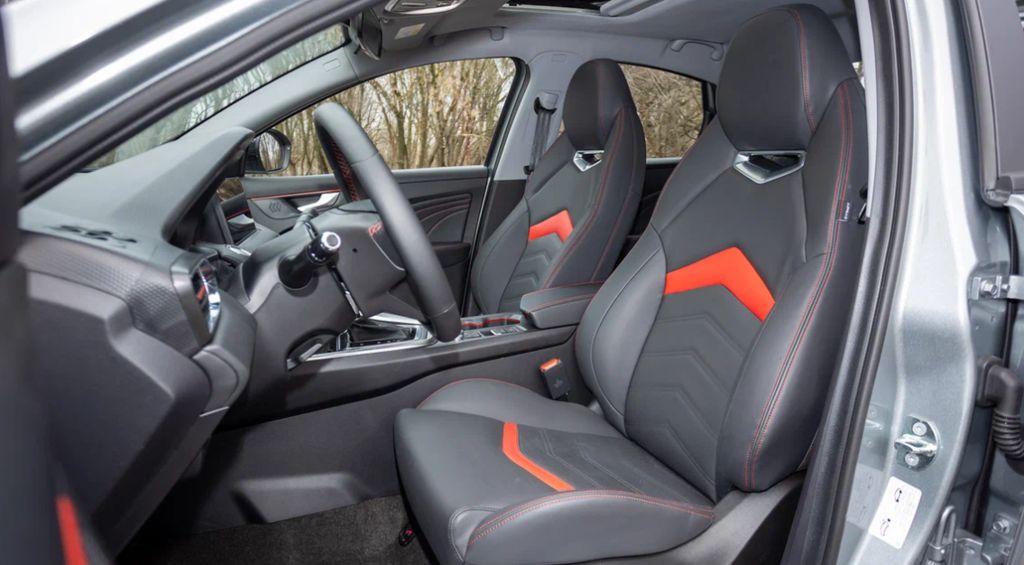
And then there are the seats. Oh, the seats. This is where things get a little more serious for me. The material used on the seats is…well, it’s okay, but it’s not comfortable for long journeys. The cushioning is quite firm, bordering on hard, and after about an hour or so of driving, I started to feel the aches and pains. It’s not the worst I’ve ever experienced, but it’s definitely not something I’d consider comfortable. The lack of lumbar support also didn’t help matters. I found myself constantly adjusting my posture to try and find a comfortable position, which is never ideal while driving. It’s a real shame because the overall design of the seats isn’t bad, but the material choice lets it down significantly.
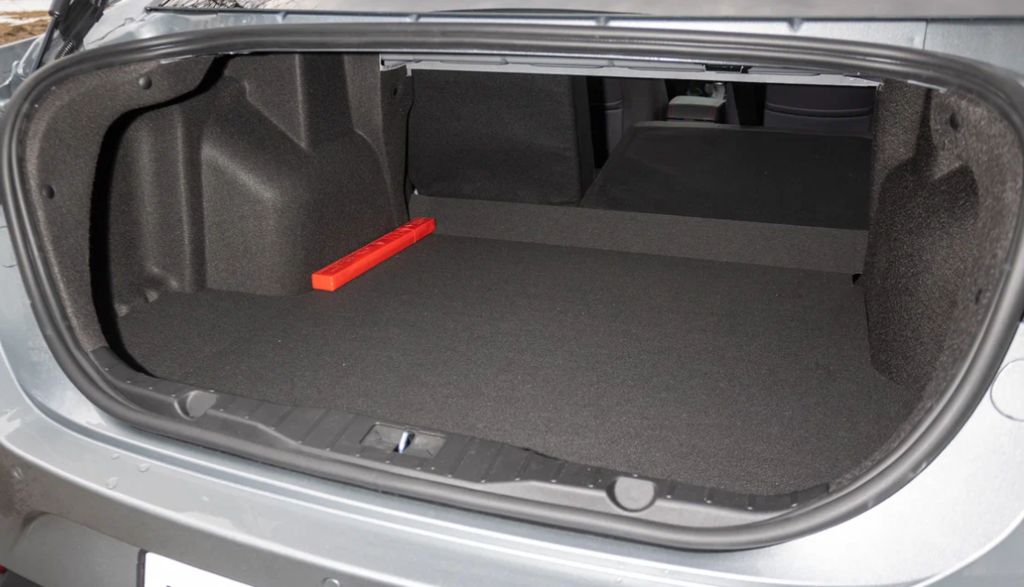
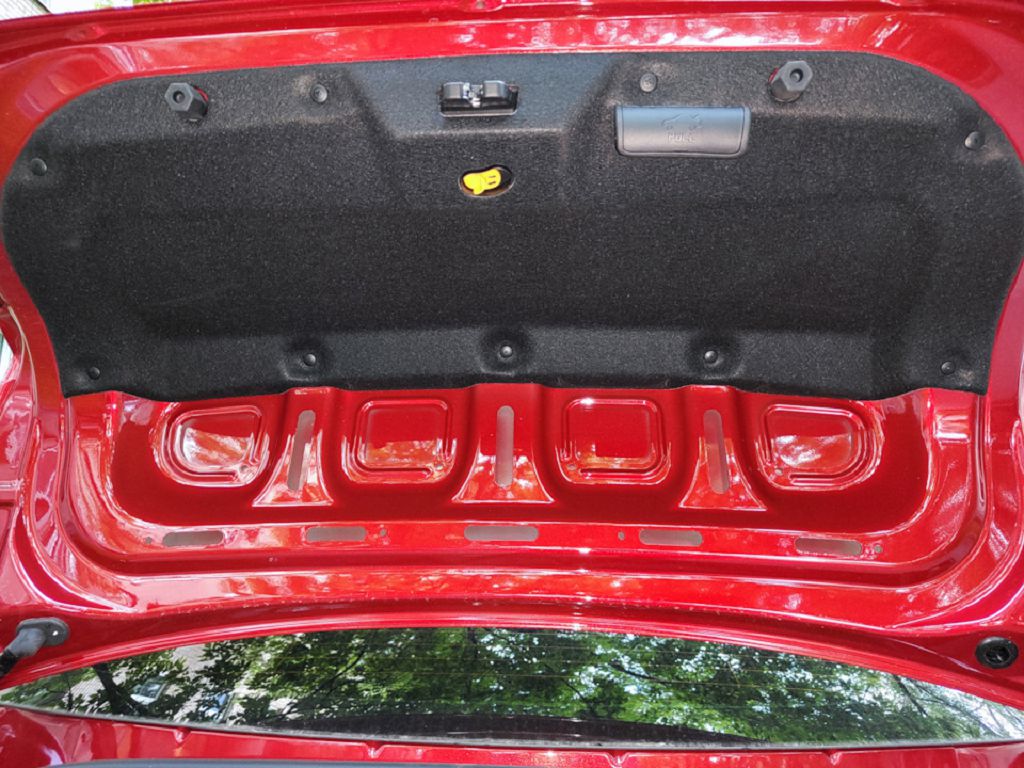
Finally, let’s talk about the trunk lid. Now, this might seem like a minor detail, but the trunk lid is surprisingly heavy and awkward to lift. It feels quite unbalanced, and it requires a fair bit of effort to open and close it. This is especially noticeable if you’re loading or unloading heavier items. It’s not a major issue, but it’s another small detail that adds to the overall feeling that some corners were cut during the design and manufacturing process. It’s just not as refined as it could be. These are the main drawbacks I encountered with the Kaiyi E5. While it has its strengths, these are the areas that could definitely use some improvement.
So, let’s dive straight into the things that didn’t quite impress me about the Kaiyi E5. First up, the cabin noise. Now, I’ve been in plenty of cars, and the Kaiyi E5, while not offensively loud, definitely has more road and wind noise than I’d expect at this price point. It’s not a deal breaker, but it’s noticeable, especially at higher speeds. You’ll find yourself turning up the radio more often than you might like, just to drown out the hum of the tires and the wind whistling past the windows. It’s a subtle thing, but it adds up over a longer drive. You really notice it on rougher roads, where the noise level increases significantly. It’s not a constant, jarring noise, but more of a persistent background hum that can get a bit tiring.
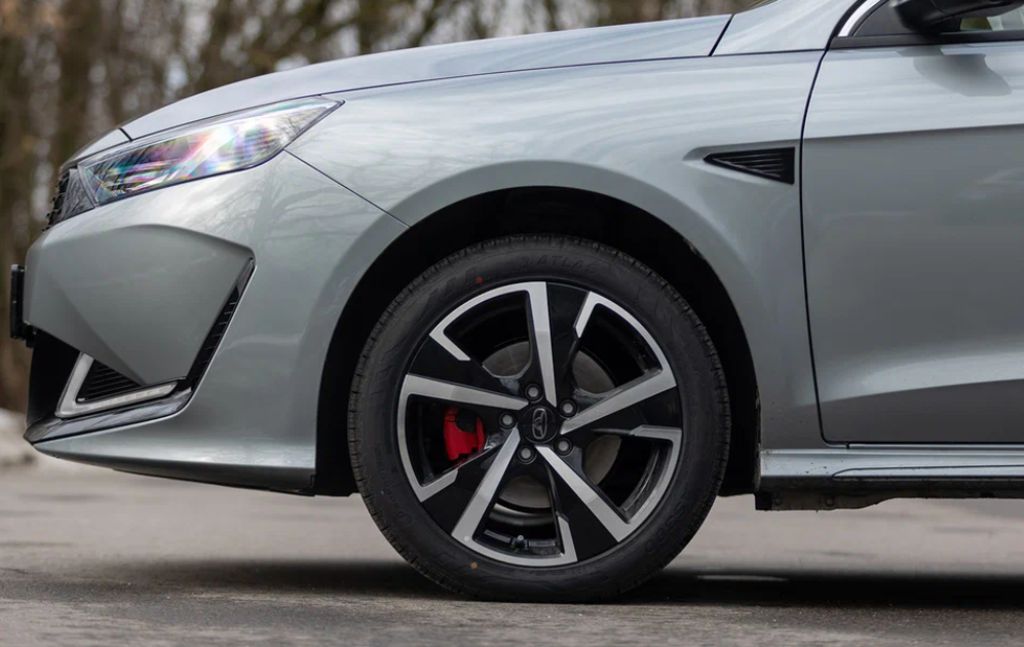
Next, let’s talk about the powertrain and chassis. The combination just doesn’t feel as refined as some competitors. There’s a slight hesitation in acceleration, and the overall driving experience feels a bit…uninspired. It’s not underpowered, per se, but it lacks that smooth, responsive feeling you get in some other electric vehicles. The chassis, too, feels a bit soft. It’s not unstable, but it doesn’t handle corners with the precision or confidence you might hope for. There’s a noticeable amount of body roll, and the overall feeling is one of a bit more give than you’d expect. It’s comfortable for everyday driving, but if you’re looking for a sporty or agile driving experience, you might be disappointed.
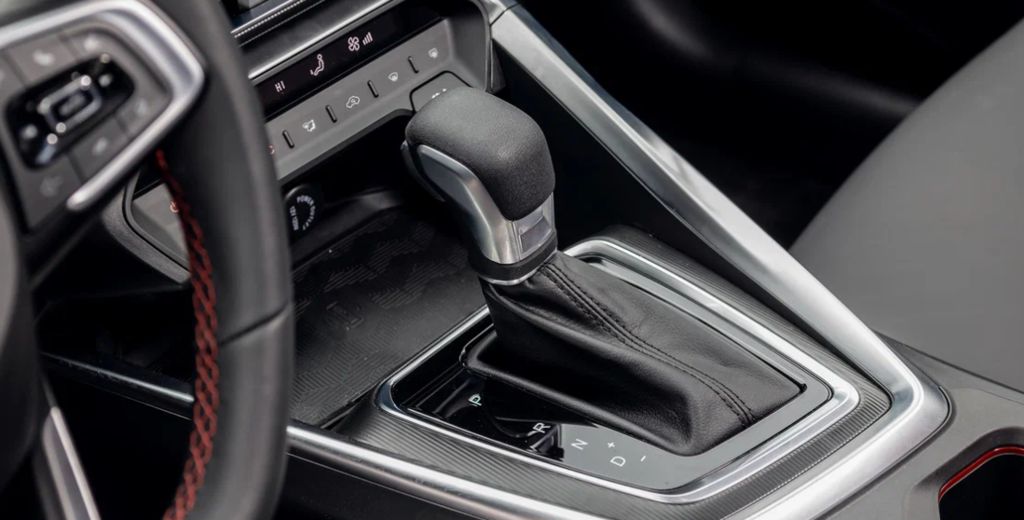
Then there’s the variator. The unevenness is something that really stood out to me. It’s not a smooth, linear transition between speeds. You get these little jumps and hesitations, especially during acceleration. It’s not a major issue, but it’s definitely noticeable and detracts from the overall driving experience. It’s the kind of thing that might not bother some drivers, but it’s something I found myself constantly aware of. It’s not a catastrophic failure, but it’s a noticeable imperfection that could be improved.
And let’s not forget the suspension. The short travel is a real drawback, especially on less-than-perfect roads. Every bump and pothole is felt quite sharply. It’s not unbearable, but it’s definitely not the most comfortable ride, particularly over longer distances. You’ll find yourself bracing for impacts more often than you’d like. It’s a trade-off, I suppose, between handling and comfort, but in this case, I feel the comfort side has been sacrificed a bit too much.
Finally, the steering. It feels incredibly empty. There’s very little feedback from the road, and it lacks the precision and responsiveness you’d expect from a modern vehicle. It’s light, which is good for maneuvering in tight spaces, but it also feels disconnected and vague. You don’t really feel connected to the road, and that lack of feedback can be unsettling, especially at higher speeds or on winding roads. It’s a significant drawback for anyone who values a more engaging driving experience.
- Читайте также: