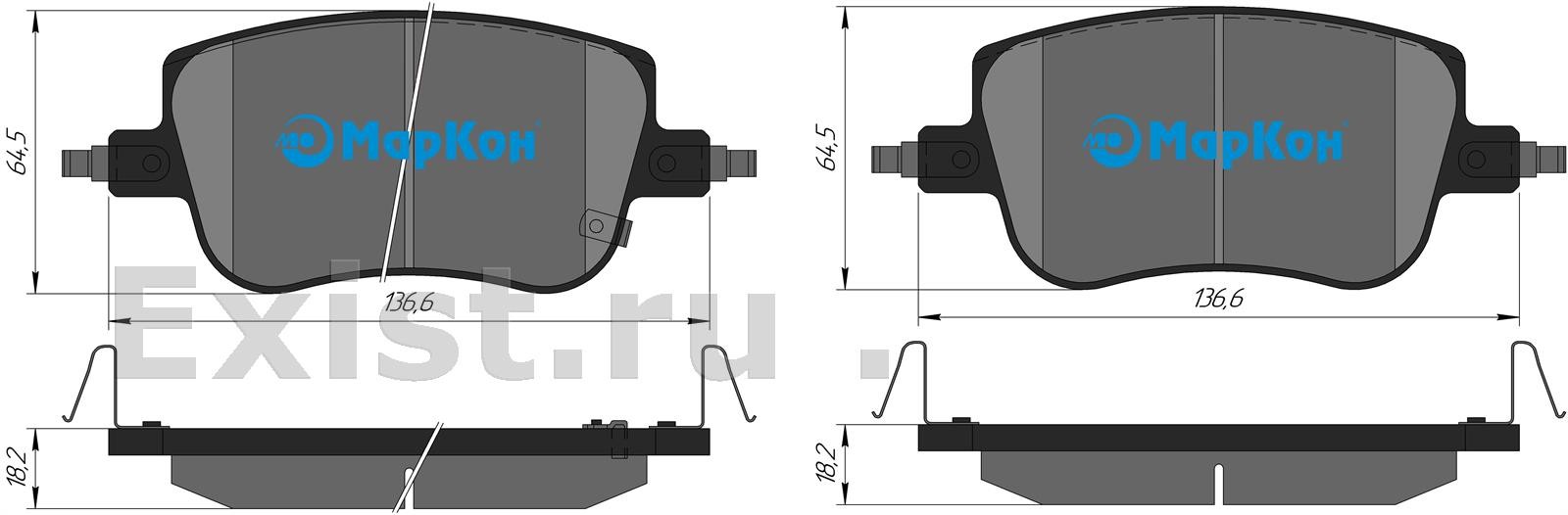
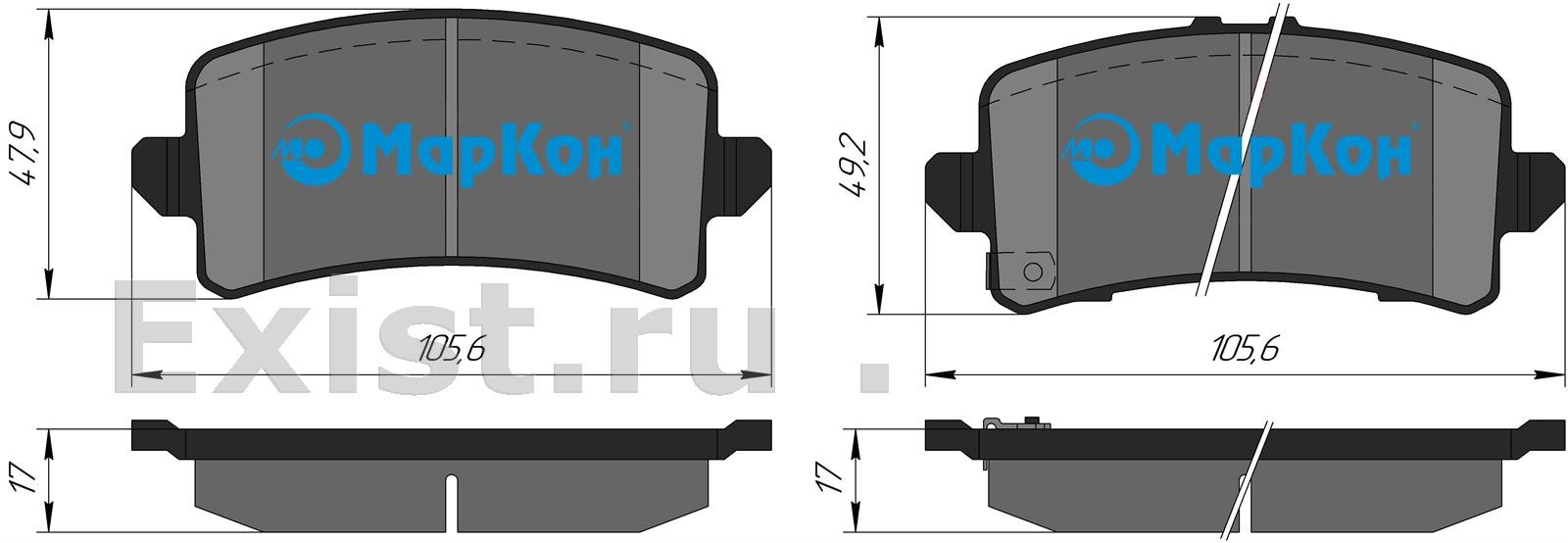
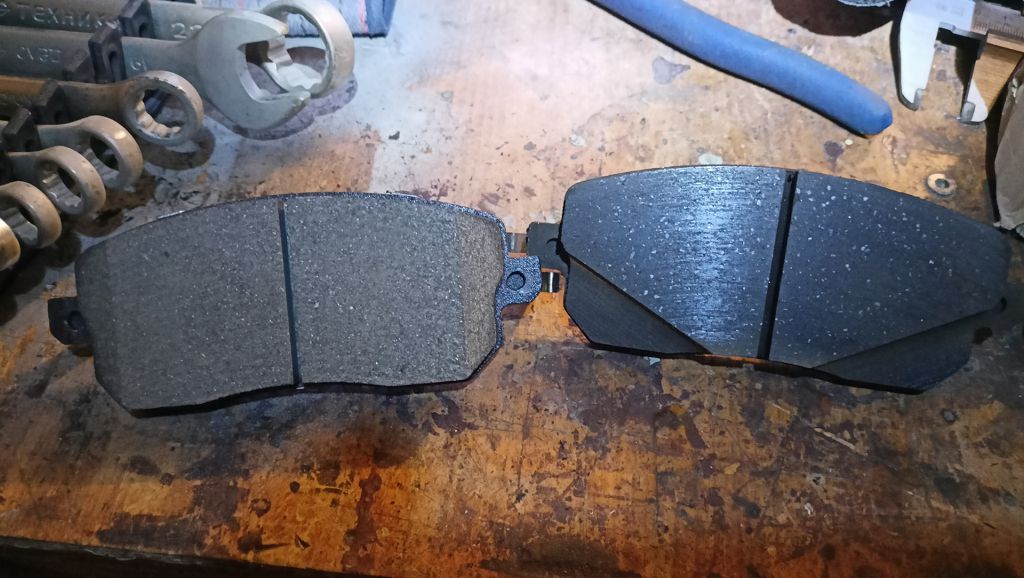
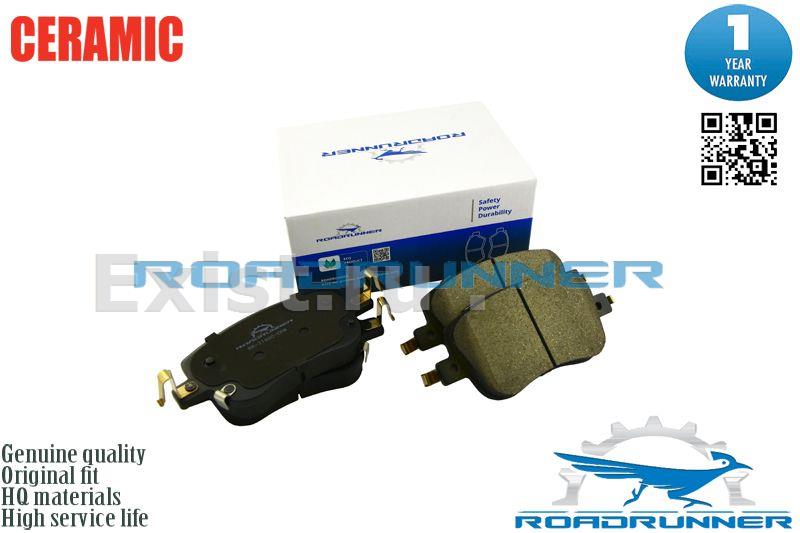
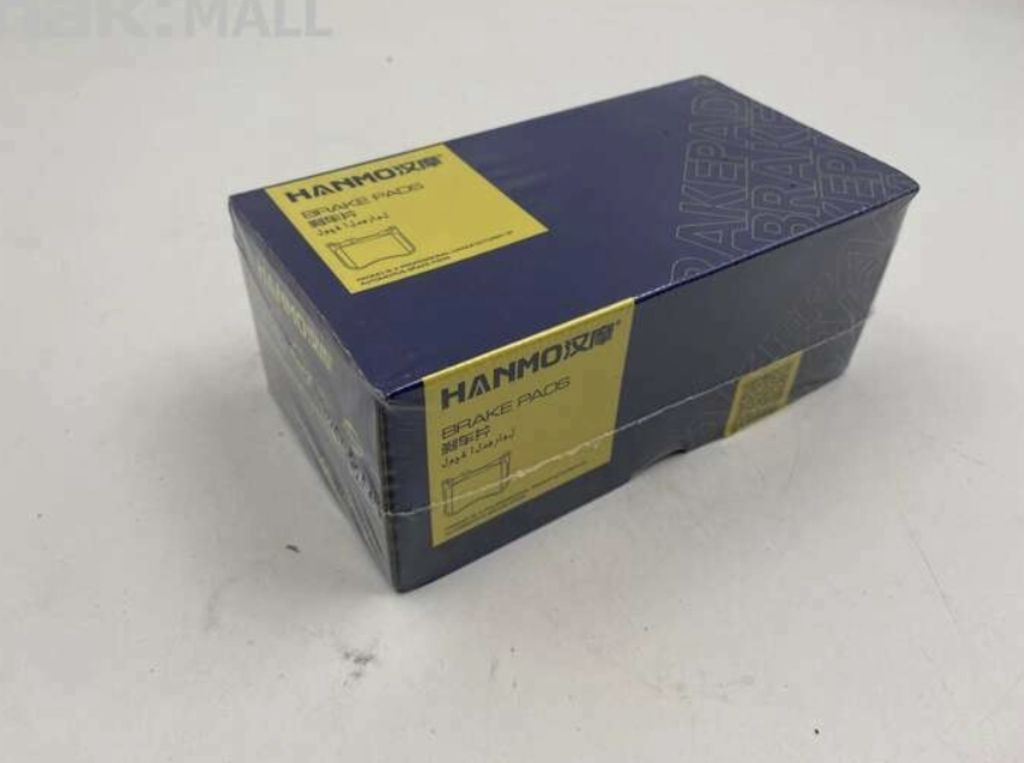
Okay, let’s dive straight into the world of Haval Jolion brake pads. We’re going to be looking at both the original equipment manufacturer’s parts, and some of the popular alternatives you can find on the market. Understanding your options is key to keeping your Jolion safe and on the road.
First up, let’s talk about the brake pads that come directly from Haval’s own catalog. These are the original parts, designed specifically for your Jolion. Now, you might be thinking, «Why would I pay more for the original parts?» Well, there are a few key reasons. These pads are engineered to meet Haval’s exact specifications, ensuring optimal performance and longevity. They’ve been rigorously tested to work seamlessly with your Jolion’s braking system, providing consistent stopping power and a predictable feel at the pedal. You’re also getting the peace of mind that comes with knowing you’re using parts that Haval themselves have approved. Think of it as an insurance policy for your safety. Of course, they’re usually more expensive, but that often translates to a longer lifespan and less frequent replacements, potentially saving you money in the long run. We’ll be taking a closer look at the materials used, the manufacturing process, and even the part numbers, so you know exactly what you’re getting.
Now, let’s shift our focus to the front brake pads. These are the workhorses of your braking system, taking the brunt of the stopping force. Because of this, they tend to wear out faster than the rear pads. We’ll be examining the differences in material composition between the original Haval front pads and some of the leading aftermarket options. We’ll discuss the friction coefficient, the pad’s thickness, and the overall construction. We’ll also be looking at how these differences might affect braking performance, stopping distance, and even brake dust generation. It’s crucial to understand these nuances, as choosing the wrong pads can have a significant impact on your driving experience and safety. We’ll be comparing several different brands and models, highlighting their strengths and weaknesses.
Finally, let’s discuss the analogues, the aftermarket brake pads. There’s a huge range of options available, from budget-friendly choices to premium alternatives that claim to outperform the originals. We’ll be looking at some of the most popular brands and models, comparing their specifications and performance characteristics to the original Haval pads. We’ll be focusing on factors like material composition, friction coefficient, dust generation, and noise levels. We’ll also discuss the price differences and the potential trade-offs involved in choosing a cheaper alternative. Remember, while saving money is tempting, compromising on safety shouldn’t be an option. We’ll help you navigate this complex landscape and make an informed decision based on your needs and budget. We’ll also touch on the installation process, highlighting any potential challenges or considerations you might encounter when fitting aftermarket pads. And of course, we’ll show you exactly what to look for when buying brake pads to ensure you’re getting a quality product. We’ll even show you how to check the pads for wear and tear, so you can stay ahead of any potential problems.
Okay, let’s dive straight into the world of Haval Jolion brake pads. We’re going to be looking at both the original equipment manufacturer (OEM) pads and some popular analog options, focusing on the front and rear pads for both TWO-WHEEL DRIVE and FOUR-WHEEL DRIVE models.
First up, we’ll tackle the front brake pads for TWO-WHEEL DRIVE Haval Jolions. Now, the OEM pads are designed to provide a specific balance of stopping power, longevity, and noise reduction. They’re usually made from a semi-metallic compound, offering a good compromise between performance and comfort. You’ll notice a certain level of dust generation, which is typical for this type of pad. The wear indicators are usually quite visible, making it easy to monitor their condition. We’ll show you exactly what those look like, so you can check your own pads. Replacing them is a relatively straightforward job, but if you’re not comfortable working on your car yourself, it’s always best to take it to a professional. We’ll also be looking at some popular analog options, comparing their material composition, performance characteristics, and of course, the price. Some analogs might offer a slightly more aggressive stopping power, while others might prioritize longer lifespan. We’ll discuss the trade-offs involved with each choice. Remember, choosing the right brake pads is crucial for your safety, so we’ll be highlighting the importance of selecting pads that meet or exceed the manufacturer’s specifications.
Next, let’s move on to the front brake pads for FOUR-WHEEL DRIVE Jolions. While the basic principles remain the same, there might be some subtle differences in pad design or material due to the increased weight and braking demands of the FOUR-WHEEL DRIVE system. The OEM pads will likely be slightly more robust, potentially using a higher-performance compound to handle the extra stress. We’ll compare the OEM pads side-by-side with some suitable analog options for FOUR-WHEEL DRIVE models. Again, we’ll be focusing on the key differences in performance, lifespan, and cost. We’ll also discuss the potential impact on braking feel and noise levels. Remember, even small differences in pad composition can significantly affect your driving experience.
Now, let’s shift our attention to the rear brake pads for TWO-WHEEL DRIVE Haval Jolions. Generally, the rear pads wear more slowly than the front pads, but regular inspection is still essential. The OEM rear pads will likely use a similar material composition to the front pads, but potentially with a slightly softer compound to optimize braking balance. We’ll examine the OEM pads in detail, showing you their wear indicators and highlighting any unique features. Then, we’ll compare them to a selection of analog options, again focusing on the key differences in performance, longevity, and price. We’ll also discuss the importance of matching front and rear pads, particularly if you’re mixing OEM and analog components. Using mismatched pads can lead to uneven braking and potentially compromise your safety.
And that covers the main points regarding Haval Jolion brake pads – front and rear for both TWO-WHEEL DRIVE and FOUR-WHEEL DRIVE models. We’ve explored the OEM options and compared them to several popular analogs, highlighting the key differences and considerations for each. Remember, safety is paramount, so always choose brake pads that meet the required specifications for your vehicle.
- Читайте также: