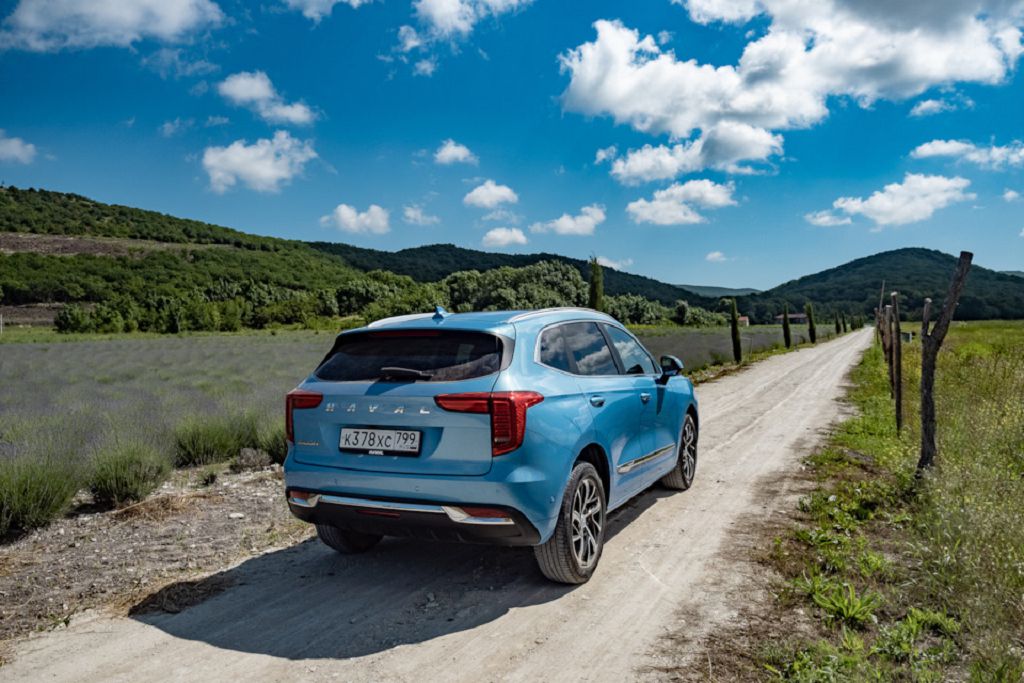
So, let’s dive straight into the heart of the matter: the all-wheel-drive system in the Haval Jolion. It’s a clever system, but like any complex piece of technology, it has its quirks. The devil, as they say, is in the details. And boy, are there details! We’re talking about a system that’s constantly adapting, reacting to the conditions of the road and your driving style. It’s not just a simple on/off switch; it’s a sophisticated dance of sensors, actuators, and a whole lot of clever software. And that software, my friends, is where some of the interesting – and sometimes frustrating – issues arise. We’ve heard reports of glitches, unexpected behavior, and the occasional head-scratching moment. We’ll explore those in detail, but first, let’s look at how this system actually works.
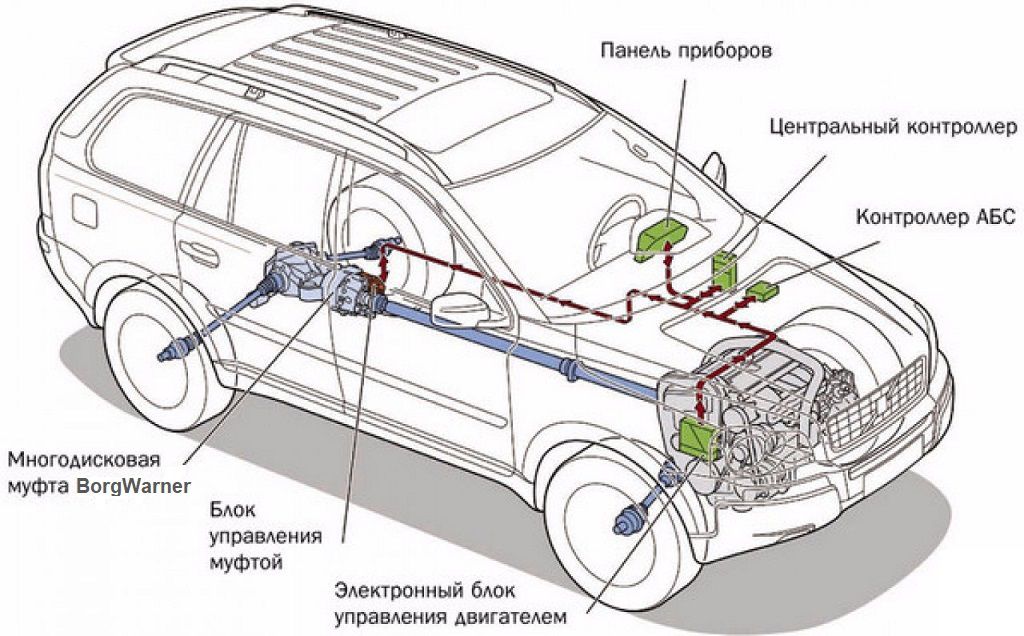
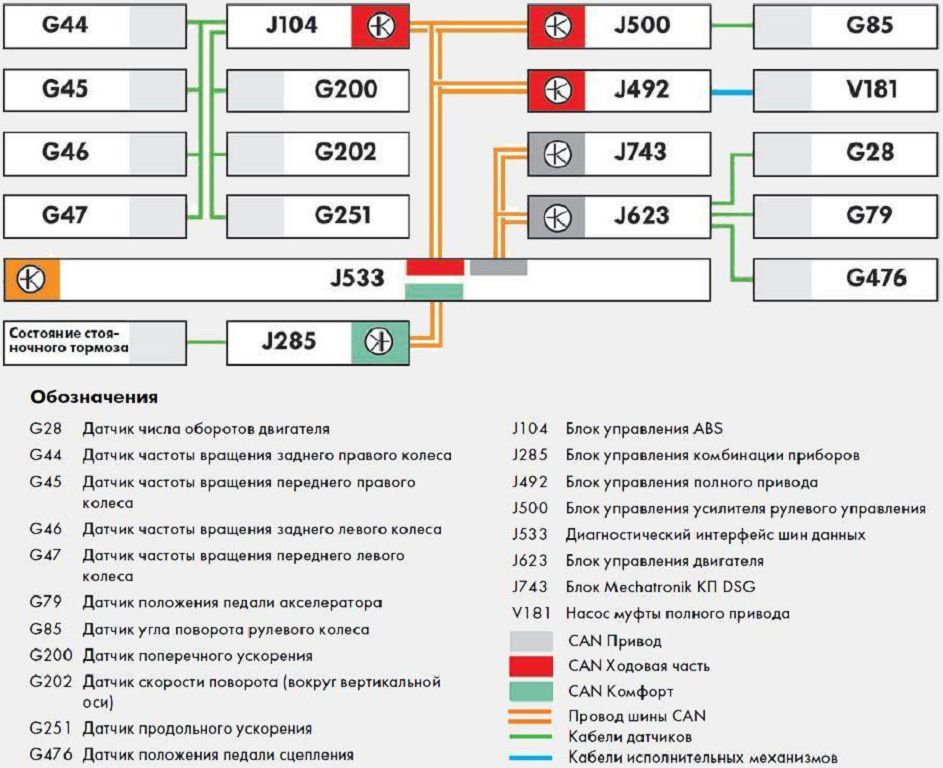
The Jolion’s all-wheel-drive system relies on a BorgWarner electronic control system. Think of it as the brain of the operation. This system constantly monitors a multitude of inputs – wheel speed sensors, steering angle sensors, throttle position, even the outside temperature! Based on this information, the system decides how much power to send to the rear wheels. It does this using an electronically controlled clutch. This isn’t your grandpappy’s viscous coupling; this is a sophisticated piece of engineering that can vary the amount of torque sent to the rear axle almost instantaneously. It’s incredibly responsive, allowing for seamless transitions between TWO-WHEEL DRIVE and ALL-WHEEL DRIVE, depending on the situation. This means better traction in slippery conditions, improved stability during cornering, and a more confident driving experience overall. But, and this is a big but, the sophistication of this system also means there’s more that can go wrong.
Now, let’s get into the nitty-gritty of how the system manages this power distribution. The key component here is the dynamic clutch control model. This model isn’t just some pre-programmed set of rules; it’s a constantly evolving algorithm that learns and adapts based on your driving habits and the conditions you encounter. The system is constantly «pumping» data – gathering information from all those sensors – and using this data to «calibrate» its response. It’s a continuous process of learning and refinement. Think of it like a highly skilled driver, constantly adjusting their driving style to match the road conditions. The system is constantly making micro-adjustments, ensuring optimal power distribution at all times. This calibration process is crucial for the system’s performance. If there’s a problem with the data acquisition, or if the algorithm itself has a flaw, you can end up with unexpected behavior. This is where those software glitches come into play. We’ve seen instances where the system hesitates to engage ALL-WHEEL DRIVE when it should, or where it engages it unnecessarily, leading to a slightly less efficient driving experience. We’ve also seen reports of the system behaving erratically in certain conditions, which can be quite concerning. Understanding this «pumping and calibration» process is key to understanding the potential sources of these glitches. It’s a complex system, and even small errors in the software can have significant consequences. We’ll be exploring some specific examples of these glitches in the next section.
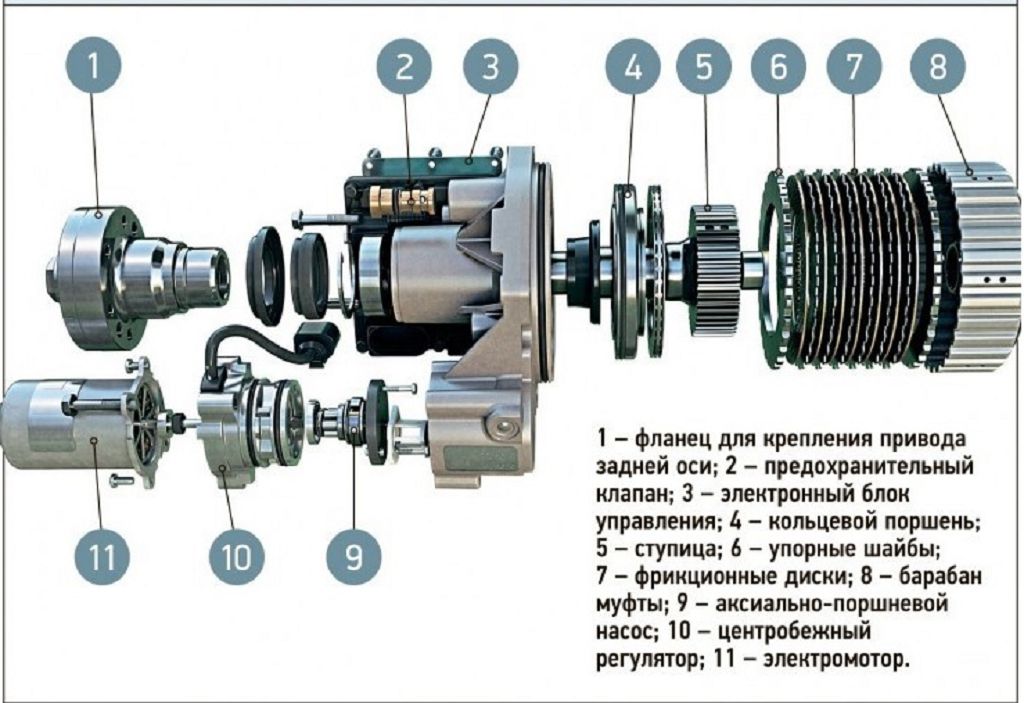
Okay, let’s dive into the heart of the Haval Jolion’s all-wheel-drive system. First, we need to understand the electronic clutch control. Think of it as the brain of the operation, the decision-maker that determines how much power goes to the rear wheels. It’s not a simple on/off switch; it’s a sophisticated system constantly monitoring various factors like wheel speed, engine load, and even the road surface. Sensors feed this information to the electronic control unit (ECU), which then precisely adjusts the engagement of the electromagnetic clutch. This clutch is the key component; it’s responsible for connecting and disconnecting the rear axle, allowing for seamless transitions between front-wheel drive and all-wheel drive. The ECU’s algorithms are crucial here; they determine the optimal power distribution for any given situation. A slight slip on the front wheels? The ECU instantly sends more power to the rear. Driving uphill on a slippery surface? The system proactively engages the rear wheels to maintain traction. It’s all happening incredibly fast, often before you even notice any wheelspin. We’ve seen some reports of software glitches affecting this precise control, leading to unexpected behavior. Sometimes the system hesitates to engage the rear wheels when needed, and in other instances, it might engage them unnecessarily, impacting fuel efficiency. It’s a complex system, and software updates are vital for optimizing its performance and ironing out these glitches. We’ll explore some of those reported glitches in more detail later in the video.
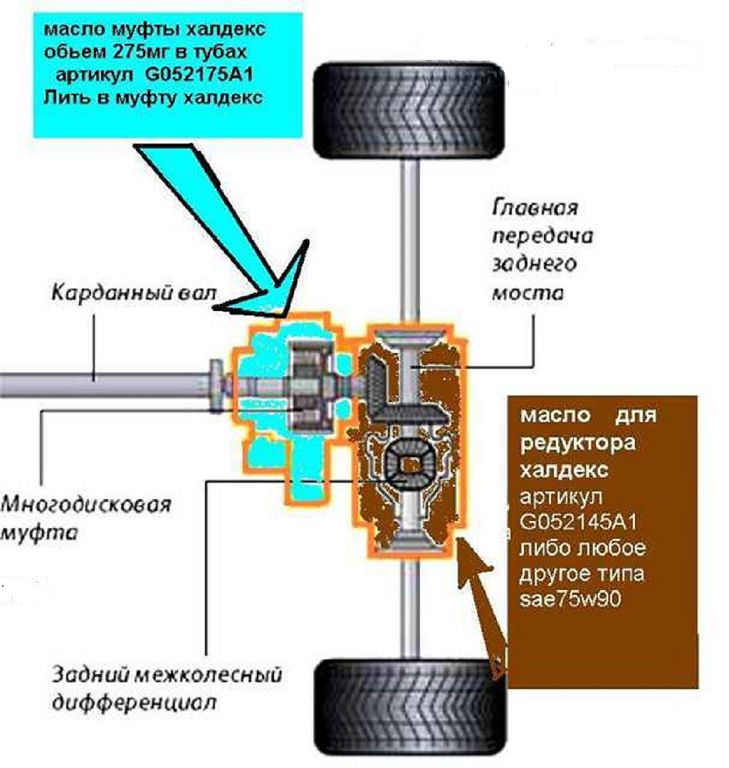
Now, let’s talk about the «hardware» that makes this all-wheel-drive system possible. Beyond the electronic clutch, there are several key mechanical components. The system uses a sophisticated multi-plate clutch, which is designed for quick engagement and disengagement. This is crucial for the seamless transition between front-wheel drive and all-wheel drive. The driveshaft is another critical component, responsible for transferring power from the front differential to the rear differential. It’s a robust piece of engineering, designed to withstand the stresses of transferring power under various conditions. Then, of course, you have the rear differential itself, which distributes power to the rear wheels. The quality and precision of these mechanical components are just as important as the software controlling them. A malfunction in any of these parts can significantly impact the performance and reliability of the all-wheel-drive system. We’ve seen some cases where issues with the driveshaft or the rear differential have contributed to problems with the all-wheel-drive system, often manifesting as unusual noises or a complete lack of rear-wheel engagement. It’s important to remember that this is a relatively complex system, and proper maintenance is key to ensuring its longevity and optimal performance.
As a bottom line, the Haval Jolion’s all-wheel-drive system is a fascinating blend of sophisticated software and robust hardware. While it offers significant advantages in terms of traction and stability, it’s not without its potential pitfalls. The software glitches we’ve discussed highlight the importance of ongoing software development and updates. Regular maintenance of the mechanical components is equally crucial. Understanding how this system works, both the software and the hardware, allows you to better appreciate its capabilities and potential limitations. Remember to stay informed about software updates and to address any mechanical issues promptly to ensure the best possible performance from your Jolion’s all-wheel-drive system.