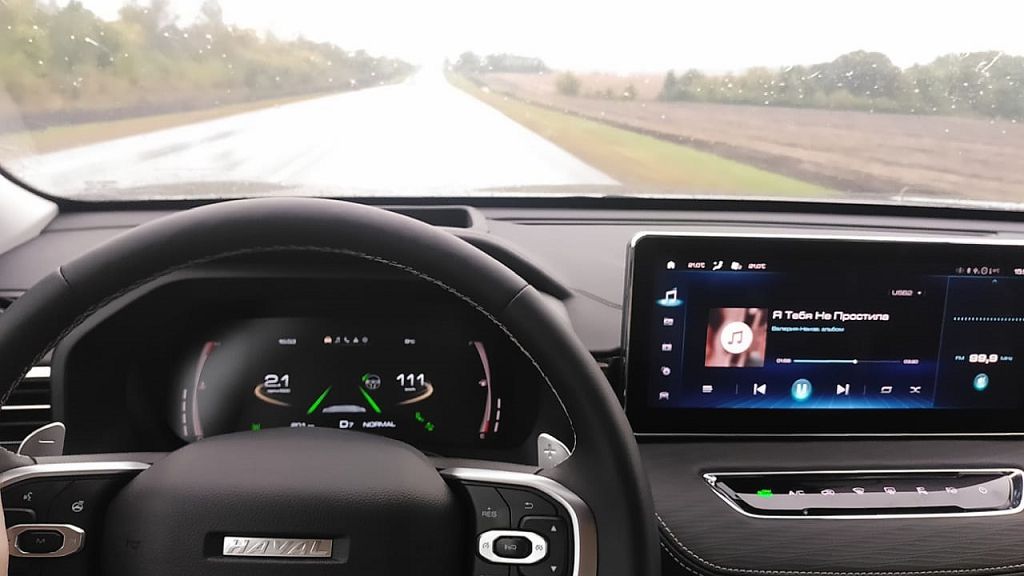
So, let’s dive right into why I chose the Haval Jolion, specifically the Premium FOUR-WHEEL-DRIVE model. It wasn’t a spur-of-the-moment decision, I’ll tell you that. I spent MONTHS researching compact SUVs, comparing features, fuel economy, and of course, the all-important price tag. What ultimately swayed me towards the Jolion was the incredible value for money it offered, especially in the Premium FOUR-WHEEL-DRIVE trim. The features list was extensive – panoramic sunroof, leather seats, a really impressive infotainment system with a HUGE touchscreen, and advanced driver-assistance systems that I genuinely use and appreciate every day. Things like adaptive cruise control and lane-keeping assist make long drives significantly less stressful. And let’s not forget the safety features; SIX airbags, electronic stability control – the whole shebang. I felt like I was getting a premium experience without the premium price tag of some of its competitors. It really ticked all the boxes for me.
Now, the FOUR-WHEEL-DRIVE system. That’s a big part of why I might be considered to have «overpaid,» but for me, it was absolutely worth it. Living where I do, we get some pretty nasty winters. Think heavy snow, icy patches, and the occasional unexpected blizzard. Before the Jolion, I was constantly stressed about driving in these conditions. My old car was a front-wheel-drive, and let me tell you, it was a white-knuckle experience every time the snow fell. The difference with the Jolion’s FOUR-WHEEL-DRIVE is night and day. The grip is phenomenal. I feel so much more confident and secure on slippery roads. I’ve driven through snow that would have completely stopped my old car, and the Jolion just powered through. It’s given me a newfound peace of mind, and that’s priceless. Beyond the winter months, the FOUR-WHEEL-DRIVE has also proven useful on unpaved roads and during unexpected downpours. The added traction makes a real difference in those situations too.
Let’s talk about the main pros. First off, the fuel economy is surprisingly good for an SUV, especially one with FOUR-WHEEL-DRIVE. I’m consistently getting around EIGHT to NINE liters per ONE HUNDRED kilometers, which is better than I expected. Secondly, the comfort is exceptional. The seats are incredibly supportive, even on long journeys. The ride is smooth and quiet, even on rougher roads. The infotainment system is intuitive and easy to use, and the sound system is surprisingly good. Thirdly, the space is fantastic. There’s plenty of room in the back for passengers, and the boot is surprisingly large. We’ve managed to fit a surprising amount of luggage in there for family trips. And finally, the styling. I personally think the Jolion looks fantastic. It’s modern, stylish, and stands out from the crowd. It’s a head-turner, and I get compliments on it all the time. So, while some might argue I overpaid for the FOUR-WHEEL-DRIVE, for me, the peace of mind, the added safety, and the overall driving experience make it a worthwhile investment. It’s more than just a car; it’s a reliable and enjoyable companion on every journey.
So, let’s dive straight into the downsides of owning a Haval Jolion with all-wheel drive. I’ve had mine for about SIX MONTHS now, and while there are things I genuinely love, there are also some significant drawbacks that I think are important to discuss, especially considering the price point. One of the biggest issues for me has been the fuel economy. I was expecting something a bit better, especially given the size of the vehicle. I’m averaging around EIGHT liters per ONE HUNDRED kilometers in combined city and highway driving, which is higher than I’d hoped for, and noticeably higher than some of the advertised figures. This is a significant ongoing expense, and something potential buyers should seriously consider.
Another area where the Jolion falls short, in my opinion, is the infotainment system. While it looks modern and sleek, the responsiveness is frustratingly slow at times. Navigating the menus can be a bit clunky, and the overall user experience isn’t as intuitive as some competing systems I’ve used in vehicles of a similar price range. There have been several occasions where the system has frozen completely, requiring a full restart of the car. This is a major inconvenience, especially when you’re relying on the navigation system or trying to play music. The sound quality itself isn’t terrible, but it’s not exactly exceptional either. It’s adequate, but nothing to write home about.
Now, let’s talk about the driving experience. While the all-wheel drive is a definite plus, particularly in challenging weather conditions, the handling isn’t as sharp as I’d hoped. It feels a bit soft and somewhat unresponsive at times, especially when cornering at higher speeds. It’s not dangerous, but it certainly lacks the precision and agility you might find in some other vehicles in this class. The suspension is also on the softer side, which leads to a bit of body roll in corners. This isn’t a deal breaker for everyone, but it’s something to be aware of if you prefer a more sporty driving experience.
Finally, let’s address the elephant in the room: the price. The all-wheel-drive version of the Haval Jolion is positioned at a premium price point. While the features are nice, I’m not entirely convinced that the added cost is fully justified. Considering the fuel consumption, the infotainment quirks, and the somewhat underwhelming handling, I’m left wondering if I overpaid. There are other vehicles on the market offering similar features and a potentially better overall driving experience for a comparable or even lower price. This is a crucial point to consider before making a purchase. Weighing the pros and cons carefully is essential to ensure you’re getting the best value for your money. Ultimately, the decision of whether or not to buy the Haval Jolion with all-wheel drive is a personal one, but I felt it was important to share my experiences and highlight these key areas where I feel the vehicle falls short.