Okay, let’s dive straight into the Jetour Dashing, specifically its downsides. We’re going to be brutally honest here, folks, because you deserve the full picture before you even think about buying one. Let’s start with something everyone cares about: price and equipment.
For the price point, you’d expect a certain level of features, right? And while the Dashing might boast some impressive specs on paper, the reality is often a bit different. I’ve seen inconsistencies in the equipment levels across different models and even within the same model year. Some cars come with features others lack, and it’s not always clear why. You might find yourself comparing two seemingly identical Dashings, only to discover one has a crucial feature the other lacks – a frustrating experience to say the least. It feels like a bit of a lottery, and that’s not ideal when you’re spending a significant amount of money. You really need to do your homework and meticulously check the specifications of each individual car before you commit.
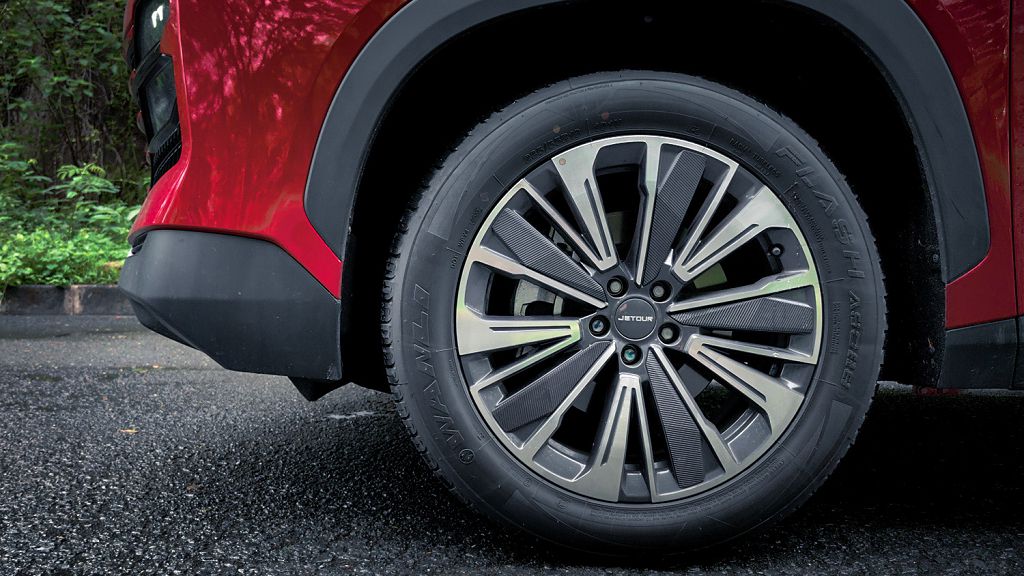
Next up: the tires. This is where things get a little…unlucky. The rubber used on the Dashing, from what I’ve experienced and gathered from other owners, leaves a lot to be desired. The grip isn’t great, especially in wet conditions. I’ve heard reports of hydroplaning at surprisingly low speeds, which is incredibly concerning. The wear rate also seems faster than average, meaning you might be looking at replacing them sooner than expected, adding an unexpected cost to your ownership. It’s a significant safety concern, and something you absolutely need to consider.
Now, let’s talk about the bodywork. While the Dashing boasts a stylish design, the quality of the materials and the overall build feel…cheap. The paint job, in my experience, feels thin and prone to chipping. I’ve seen several examples with minor scratches and blemishes appearing after only a short period of use. This isn’t just about aesthetics; it’s about the car’s long-term durability and its ability to withstand the wear and tear of daily driving. It’s a disappointment, especially considering the price point.
And speaking of build quality, let’s move on to the body joints. This is where things get really concerning. I’ve noticed inconsistent panel gaps across various Dashings I’ve examined. Some are barely noticeable, while others are quite significant, suggesting a lack of precision in the manufacturing process. These uneven gaps aren’t just an eyesore; they can also indicate potential issues with water ingress and overall structural integrity. It’s a sign that corners might have been cut during production, which is never a good thing.
Finally, we have the engine. While the engine itself might seem powerful enough on paper, there have been reports of various problems. Some owners have experienced issues with reliability, including unexpected stalling and rough idling. Others have reported concerning noises emanating from the engine bay, suggesting potential mechanical problems. These reports, coupled with the lack of readily available and affordable parts in some regions, paint a worrying picture of long-term ownership costs. It’s crucial to remember that engine problems can be incredibly expensive to fix, potentially outweighing any initial savings from the purchase price. Before you buy, make sure you’re prepared for the possibility of significant repair bills down the line.
So, let’s dive straight into the Jetour Dashing, and let’s be honest, some things just didn’t quite hit the mark. First up, the engine protection. Or rather, the lack thereof. I’ve seen flimsy engine undertrays on cars before, but this one takes the cake. It feels incredibly thin, almost like a piece of corrugated cardboard. I’m genuinely concerned about its ability to protect the engine from even minor impacts, like a rock kicked up from the road. You’re talking about potentially expensive repairs if something were to puncture that flimsy shield. It’s just not robust enough for the kind of driving you might expect to do, even on relatively smooth roads. You really get the feeling that some corners were cut here to save costs, and it shows. This isn’t the kind of protection you’d expect from a vehicle that’s trying to project this image of robust reliability.
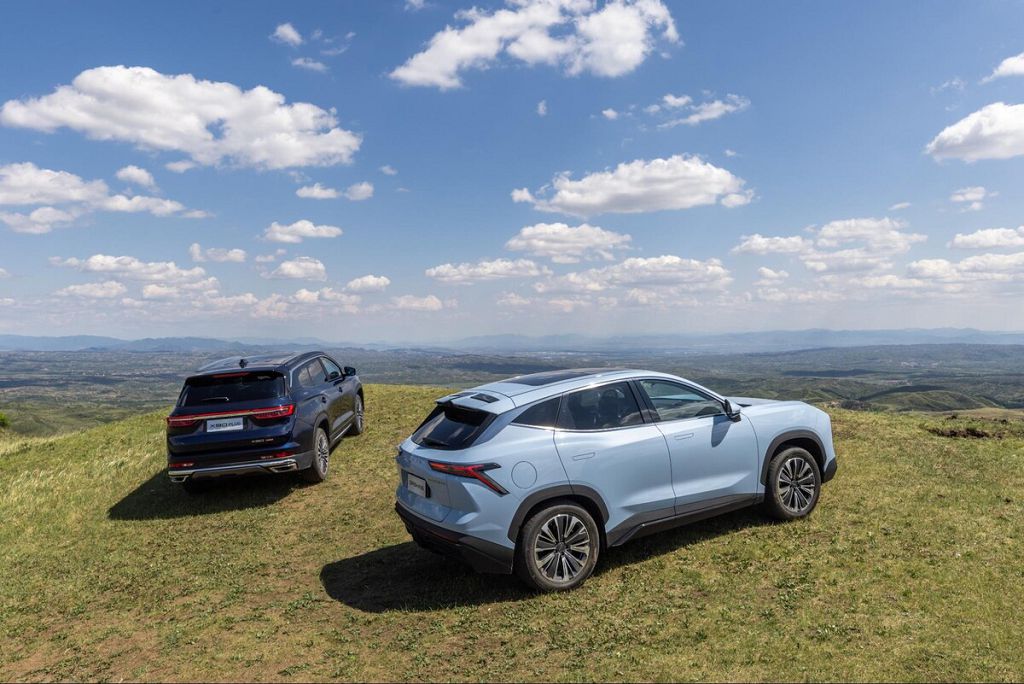
Next, we have the box – the rear of the car, to be precise. This is a significant weak point in the Dashing’s design. The way the tailgate is integrated, the way the panels fit together… it just feels…off. There’s a noticeable lack of rigidity. It feels like it could flex and creak under even moderate pressure. I’m not talking about extreme off-roading here; I’m talking about everyday use. Loading a bit of luggage, a slight bump in the road – these things seem to cause more stress on this area than they should. And that’s worrying. It’s not just an aesthetic issue; it points to potential structural weaknesses that could have long-term consequences. It leaves you with a feeling of insecurity, a sense that the whole rear end isn’t as solid as it should be.
Then there’s the firmware. Oh boy, the firmware. We’re talking about glitches, bugs, and inconsistencies that just shouldn’t be present in a car of this supposed caliber. From the infotainment system freezing up at random moments to unexpected shutdowns of various features, it’s a frustrating experience. I experienced several instances where the navigation system simply stopped working mid-journey, leaving me stranded and relying on my phone. And don’t even get me started on the inconsistent responses from the touch screen. Sometimes it’s responsive, other times it’s like talking to a brick wall. It’s clear that the software needs a serious overhaul, and it’s a major letdown considering how much technology is packed into this vehicle. It’s a clear indication that proper testing and quality control were lacking.
- Читайте также:
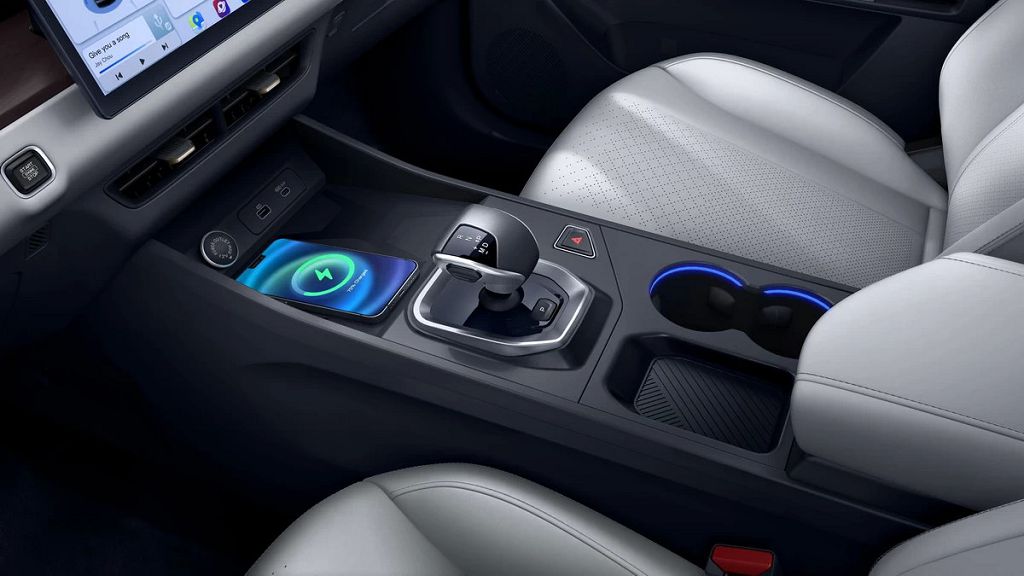
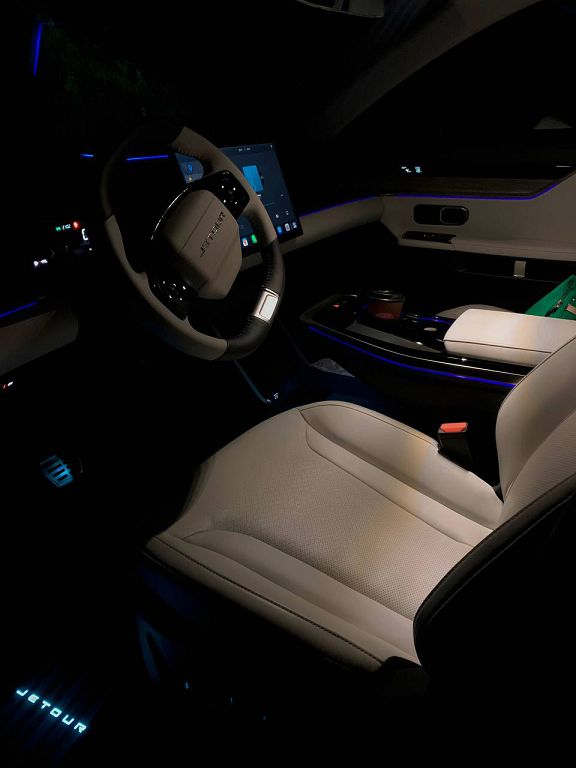
Finally, let’s talk about the interior. While the design might look appealing at first glance, the reality is a bit different. The materials used feel cheap and plasticky. The fit and finish aren’t consistent throughout the cabin. You’ll find gaps and inconsistencies in the panel alignment, which is simply unacceptable for a car at this price point. And some of the controls feel flimsy and unresponsive. It’s the kind of interior that leaves you with a feeling of disappointment, a sense that the overall quality doesn’t match the exterior styling. It’s a shame, really, because the design has potential, but the execution falls far short of expectations. The overall impression is one of a car that prioritizes looks over substance in the interior.