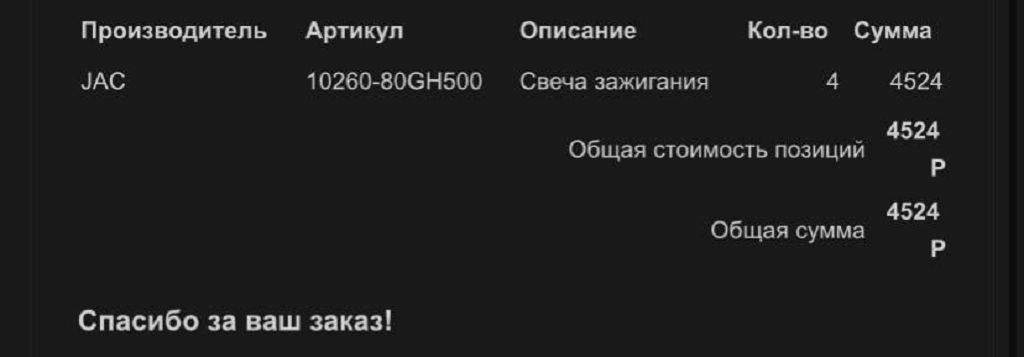
Hey everyone, let’s talk about those tiny but mighty components in your Jac J7 – the spark plugs! We’re diving deep into everything you need to know about them, from identifying problems to finding the right replacements.
First up: particles and regulations. You know, keeping your engine running smoothly isn’t just about performance; it’s about emissions too. Modern engines, and the Jac J7 is no exception, are subject to increasingly stringent emission regulations. These regulations are designed to minimize harmful pollutants released into the atmosphere. Your spark plugs play a crucial role in this. A worn-out or improperly gapped spark plug can lead to incomplete combustion, resulting in higher emissions of unburnt hydrocarbons, carbon monoxide, and other nasty stuff. Think of it like this: a perfectly functioning spark plug ensures a clean, efficient burn, minimizing those harmful emissions and keeping your engine, and the environment, happy. The size and design of the spark plug itself are carefully engineered to meet these regulations, so using the correct part number is absolutely vital.
Now, let’s talk about something equally important: fuel quality! You might think your spark plugs are the sole culprits when things go wrong, but the fuel you put in your Jac J7 plays a HUGE role. Low-quality fuel, with excessive impurities or a lower octane rating than recommended, can lead to premature spark plug wear and even damage. These impurities can foul the plugs, leading to misfires and reduced engine performance. Always use fuel that meets the manufacturer’s specifications for your Jac J7. It’s a small investment that can save you a lot of headaches – and money – in the long run. Think of it as preventative maintenance for your spark plugs, and ultimately, your engine.
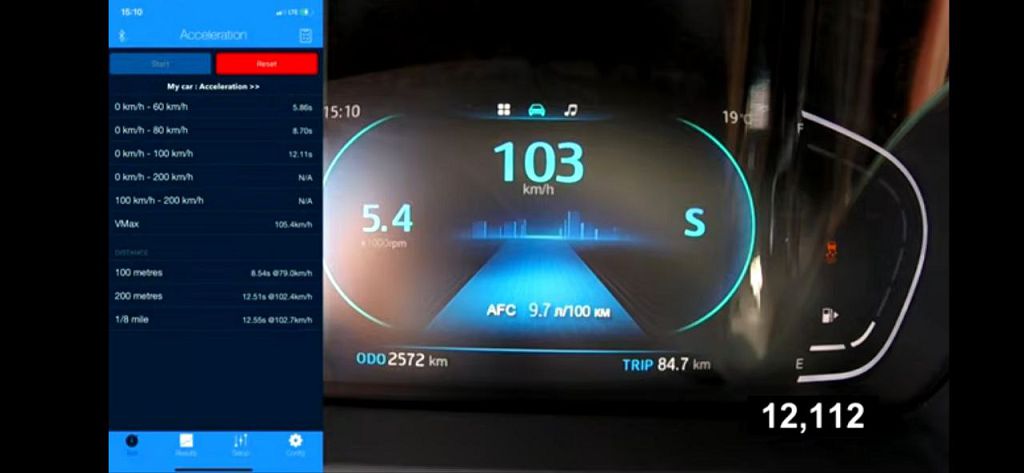
So, how do you know if your spark plugs are on their way out? Let’s look at some common symptoms of faulty spark plugs. One of the most obvious signs is a rough idle. Your engine might stumble or hesitate when you start it, or it might run unevenly at low speeds. You might also notice a decrease in fuel efficiency. Your Jac J7 might be guzzling more gas than usual, which is a clear indication that something isn’t right. Another telltale sign is a loss of power. You might find that your car is slower to accelerate, or that it struggles to climb hills. And finally, you might even hear a misfire – a sputtering or popping sound from the engine. If you experience any of these symptoms, it’s time to investigate your spark plugs.
Now, let’s say you’ve noticed some of these symptoms. Before you automatically jump to replacing the spark plugs, it’s crucial to rule out other potential problems. Sometimes, the issue isn’t the spark plugs themselves, but the ignition coils. These coils deliver the high voltage needed to create the spark. A faulty ignition coil can prevent a spark from reaching a particular cylinder, mimicking the symptoms of a bad spark plug. Diagnosing a coil problem often requires a multimeter to check for voltage and continuity. If you’re not comfortable doing this yourself, it’s best to take your Jac J7 to a qualified mechanic. They have the tools and expertise to accurately diagnose the problem and ensure you’re not replacing perfectly good spark plugs unnecessarily. Remember, proper diagnosis saves you time and money! Replacing the wrong part is never a good solution.
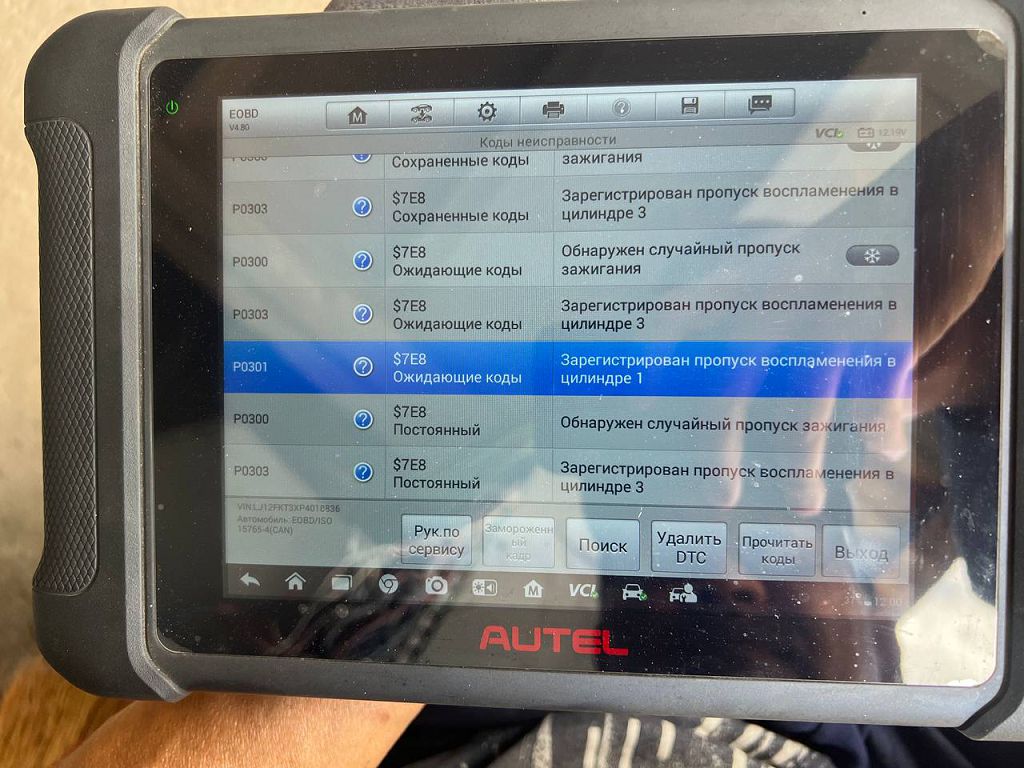
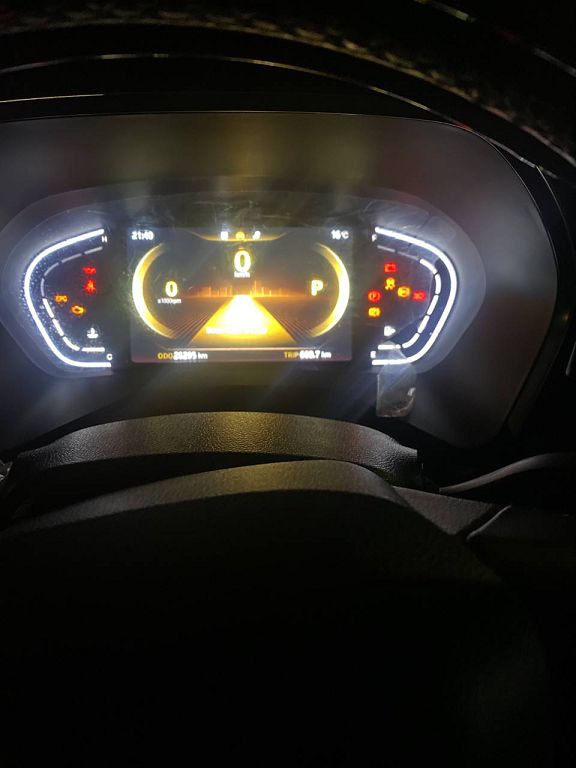
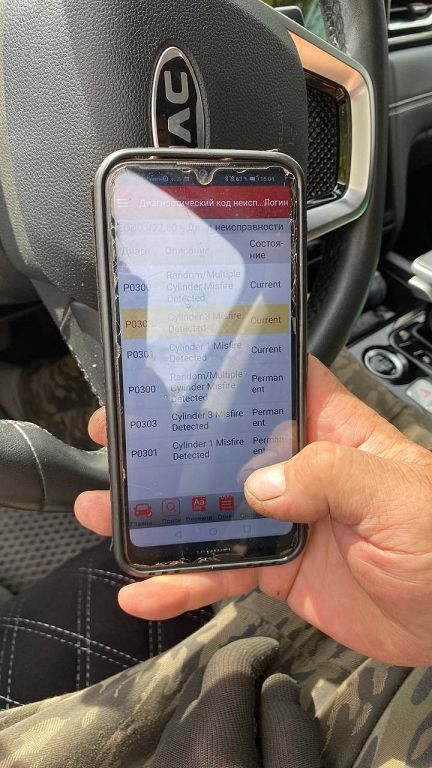
Okay, let’s dive straight into those Jac J7 spark plugs. First up, we’re talking error codes. You know, that dreaded engine light? It can be a real pain, but often, faulty spark plugs are a major culprit. Now, different error codes point to different problems, so you’ll need your OBD-II scanner to get the specifics. Common codes associated with spark plug issues might include things like a misfire in cylinder ONE, TWO, THREE, or FOUR – or even across multiple cylinders. Don’t just dismiss the code; it’s your car’s way of telling you something’s wrong. Investigate it properly. Sometimes, a simple code read can save you a LOT of time and money compared to guessing what’s wrong.
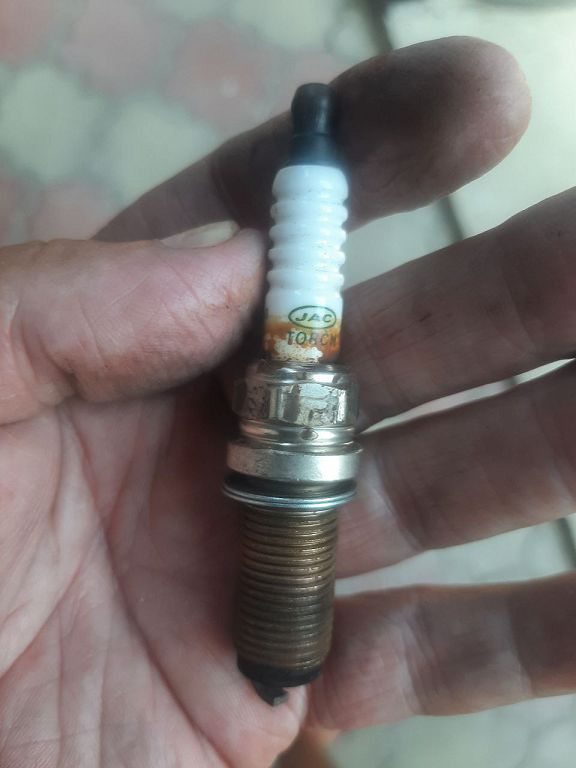
Next, let’s talk about diagnosing those plugs themselves. Before you even think about replacing them, you need to figure out if they’re actually the problem. This involves pulling the plugs – a relatively straightforward job on most cars, but always consult your owner’s manual for specifics on your Jac J7. Once you’ve got them out, carefully inspect them. Look at the color of the insulator. A light tan or grayish color is usually a good sign, indicating proper combustion. However, if you see excessive black soot, that suggests a rich fuel mixture – possibly a problem with your fuel injectors or air intake system. On the other hand, white or very light gray might point to a lean mixture, potentially indicating a problem with your air-fuel ratio sensor. And if you see oil on the plugs, that’s a serious issue, likely indicating worn valve stem seals or piston rings. Don’t ignore these visual clues; they’re crucial for accurate diagnosis. Take pictures of the plugs before you discard them, so you have a record of what you found.
Now, let’s talk about airflow and its relationship to your spark plugs. Your engine needs the right balance of air and fuel for optimal combustion. If your air filter is clogged, it restricts airflow, leading to a lean mixture and potentially damaging your spark plugs. Similarly, problems with your mass airflow sensor (MAF sensor) can throw off the air-fuel ratio, impacting the plugs. A dirty or faulty MAF sensor can cause inaccurate readings, leading to improper fuel delivery and affecting the spark plug’s performance. So, before you replace your spark plugs, make sure your air intake system is clean and functioning correctly. A simple air filter change can sometimes solve a lot of problems. Remember, it’s all about that delicate balance.
Finally, let’s get to the actual replacement process. Again, consult your owner’s manual for the specific torque specifications for your Jac J7. Over-tightening can damage the threads in your cylinder head, while under-tightening can lead to leaks and misfires. Use the correct spark plug socket – usually a THREE-EIGHTS or SEVEN-SIXTEENTHS inch drive, depending on your car. Before you install the new plugs, clean the threads and the spark plug well. Apply a small amount of anti-seize compound to the threads to prevent seizing and corrosion. Then, carefully screw the new plugs in by hand until they’re snug. Then, use your socket and torque wrench to tighten them to the manufacturer’s specifications. Don’t force anything; if you encounter resistance, stop and investigate. Once you’ve installed all the plugs, reconnect everything, and start your engine. Listen carefully for any unusual sounds or rough running. If everything seems okay, you’ve successfully replaced your spark plugs. Remember, always double-check your work and consult your owner’s manual for specific instructions and torque values. And if you’re not comfortable doing this yourself, take it to a qualified mechanic. It’s better to be safe than sorry.
- Читайте также: