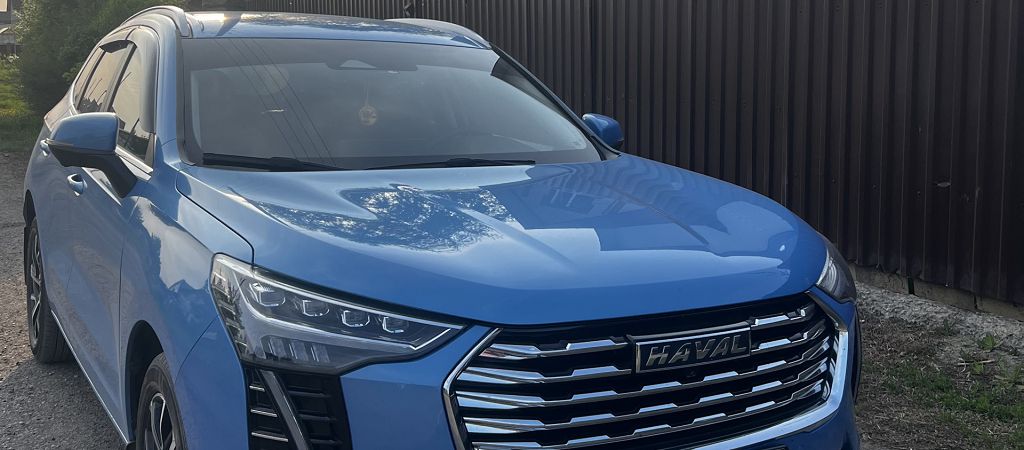
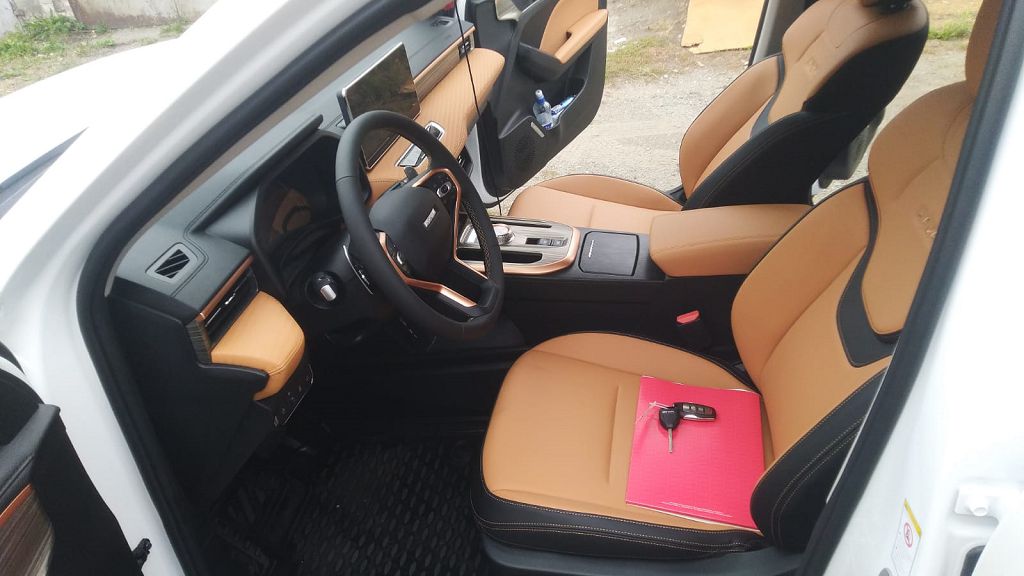
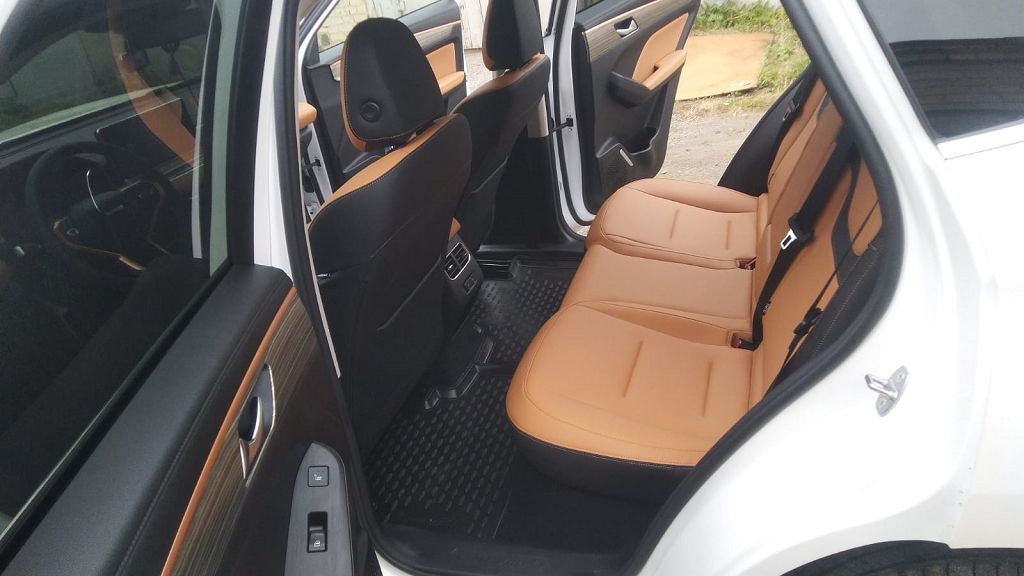
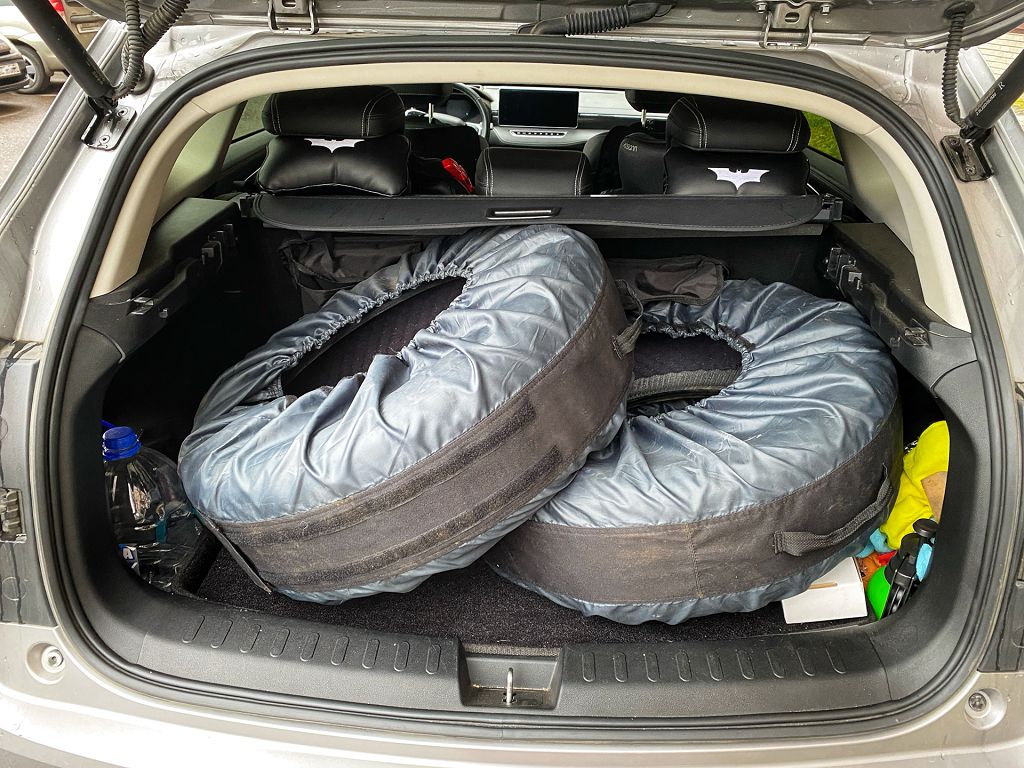
So, the Haval Jolion. We’ve all seen the glossy brochures, the slick advertising. But what about the reality? What are real owners saying about their experience with this popular SUV? Let’s dive into some of the modifications many owners have reported needing, and then we’ll tackle some of the more frustrating technical issues and attention to detail problems.
It wasn’t without modifications, you see. Many owners have reported needing to make adjustments, sometimes significant ones, to get their Jolion to perform exactly how they want. This isn’t necessarily a bad thing – many car owners personalize their vehicles – but the sheer volume of reported modifications is noteworthy. We’re talking about everything from minor tweaks to the infotainment system, to more substantial upgrades to the suspension. Some owners have even reported needing aftermarket solutions for things you’d expect to be standard, like improved sound insulation. One owner I spoke with mentioned spending nearly FIVE HUNDRED DOLLARS on sound dampening materials just to get rid of the road noise that was driving him crazy. Another reported needing to replace the factory-fitted tires after only TEN THOUSAND miles due to uneven wear. These aren’t isolated incidents; these are recurring themes in online forums and owner reviews. It paints a picture of a vehicle that, while functional, might require more owner intervention than some competitors. It makes you wonder about the quality control during the manufacturing process. Were these issues overlooked, or are there inherent design flaws that necessitate these aftermarket fixes? It’s a question that deserves further investigation.
Then there are the technical faults and attention to detail issues. These are perhaps even more concerning than the modifications. We’re not talking about minor cosmetic imperfections here. We’re talking about things that impact the functionality and safety of the vehicle. Several owners have reported problems with the infotainment system freezing or crashing, leaving them without access to navigation, music, or even basic vehicle information. Imagine being stranded on a long road trip with a non-functional navigation system. That’s a serious issue. Others have reported problems with the electrical systems, including intermittent failures of lights, power windows, and even the central locking system. These are not minor inconveniences; these are potential safety hazards. And then there’s the attention to detail. Many owners have pointed out seemingly small things, like inconsistent panel gaps, poorly fitted trim pieces, and rattles and squeaks from various parts of the interior. These might seem trivial on their own, but collectively, they contribute to a feeling of lower overall quality. It’s the kind of thing that can really erode your confidence in the vehicle over time. You start to wonder, if they cut corners on these small details, what else might they have compromised? It’s a valid concern, and one that many Jolion owners seem to share. The winter performance, or rather the lack thereof, is another significant area of concern. Many owners have reported significant issues with traction and handling in snowy or icy conditions. This is a serious safety concern, especially in regions with harsh winters. The reports suggest that the all-wheel-drive system, when equipped, doesn’t always perform as expected, leaving owners feeling vulnerable on slippery roads. This is something that needs to be addressed by Haval, as it directly impacts the safety and reliability of the vehicle in challenging conditions. The combination of these reported issues – the modifications needed, the technical faults, the attention-to-detail problems, and the winter performance concerns – paints a complex picture of the Haval Jolion. It’s a vehicle with potential, but one that clearly needs some improvement.
So, let’s dive straight into the heart of the matter: how does the Haval Jolion actually perform in winter? This is a crucial aspect for many buyers, and honestly, the reviews are…mixed. We’re going to unpack some of those contradictions today, looking at real-world experiences from Jolion owners. Winter operation really acts as a fantastic indicator of a car’s overall build quality and design choices. It’s where many flaws become painfully obvious.
Now, the Haval Jolion is marketed as being fit for winter conditions. You see the glossy brochures, the pictures of it navigating snowy landscapes, and you naturally assume it’ll handle the cold and snow with ease. But the reality, as many owners have discovered, is a bit more nuanced. We’ve seen reports of everything from surprisingly good traction in moderate snow to complete struggles on even lightly icy patches. This inconsistency is what makes it so interesting to analyze. Some owners rave about the all-wheel-drive system’s effectiveness, describing how it confidently pulled them through challenging situations. They highlight the heated seats and steering wheel as absolute lifesavers on those freezing mornings. They talk about the ease of clearing snow from the car, thanks to its relatively compact size. These are the positive experiences that fuel the initial positive perception of the Jolion’s winter capabilities.
However, the other side of the coin reveals a different story. Many owners have reported significant issues with the Jolion’s winter performance. The most common complaint centers around the tires. Many feel the factory-fitted tires are simply inadequate for truly challenging winter conditions. They lack sufficient grip on ice and packed snow, leading to dangerous situations. Several owners have reported near-misses and accidents due to this perceived lack of winter-appropriate tires. Beyond the tires, some have also voiced concerns about the all-wheel-drive system’s responsiveness. While it might work well in certain scenarios, some owners feel it’s not as quick or effective as they’d hoped, leading to moments of anxiety and near-misses. We’ve also seen reports of issues with the car’s electronics in extreme cold, with some experiencing glitches in the infotainment system or problems with the power windows. These are the kinds of issues that can quickly turn a pleasant ownership experience into a frustrating one.
So, what’s the takeaway? The Haval Jolion’s winter performance is a bit of a gamble. While some owners have had overwhelmingly positive experiences, others have faced significant challenges. It seems that the car’s success in winter heavily depends on factors like tire choice, driving style, and the severity of the winter conditions. It’s clear that relying solely on the marketing materials might be misleading. The reality is far more complex and depends heavily on individual experiences. The inconsistencies highlight the importance of thorough research and perhaps even considering winter tires as an essential upgrade for anyone living in an area with harsh winters. The Jolion’s winter «scoring,» therefore, isn’t a simple pass or fail; it’s a complex equation with many variables at play. And understanding those variables is key to making an informed decision.