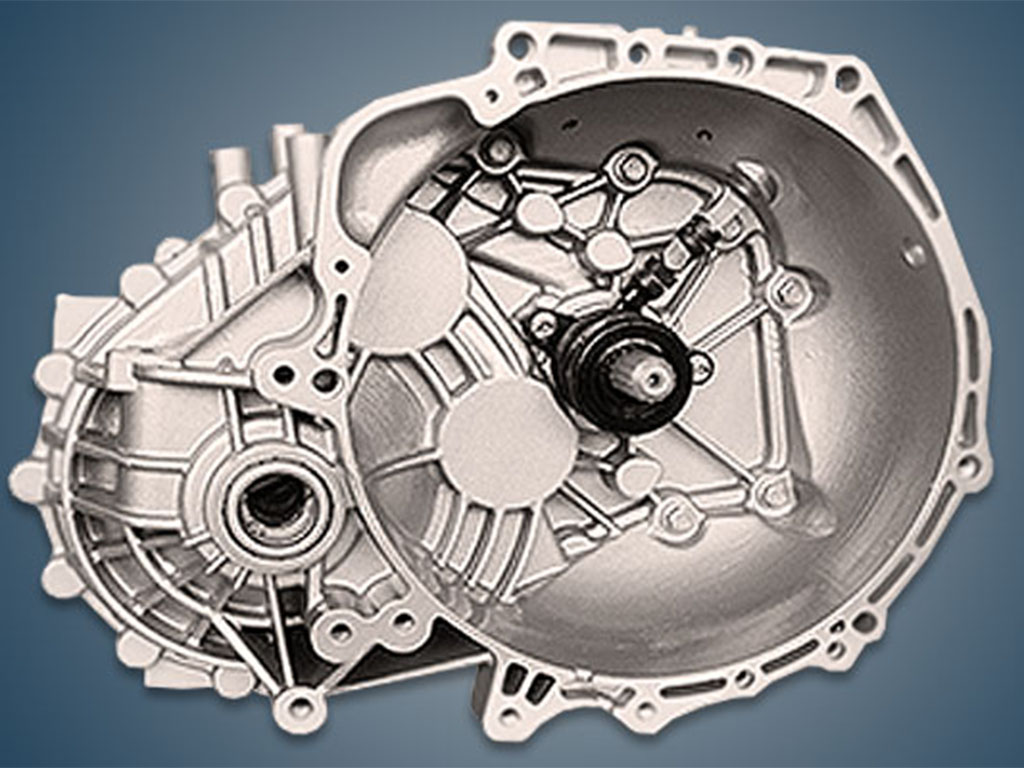
So, you’re curious about the gearbox in your Haval Jolion, huh? Let’s dive right in and explore how this crucial component works. The Jolion, depending on the trim level and year of manufacture, typically uses a SEVEN-SPEED dual-clutch transmission, often referred to as a DCT. Now, a DCT is a bit different from your standard automatic. Instead of a single unit controlling all the gears, it uses TWO separate clutches – one for odd-numbered gears and one for even-numbered gears. This allows for incredibly fast gear changes, as the next gear is already pre-selected and engaged almost instantaneously. Think of it like having TWO gearboxes working in perfect harmony. This system contributes significantly to the Jolion’s fuel efficiency and peppy acceleration. However, it’s worth noting that this sophisticated system can sometimes be a little sensitive, especially in stop-and-go traffic. You might experience a slight jerk or hesitation when the transmission shifts, particularly if you’re not gentle with the accelerator.
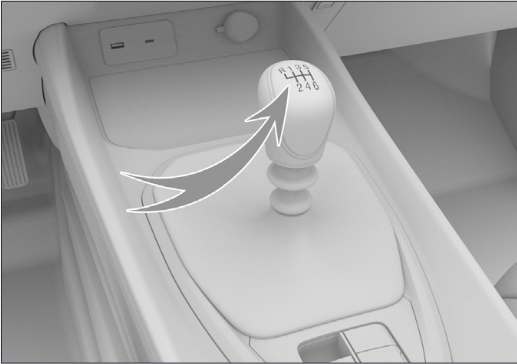
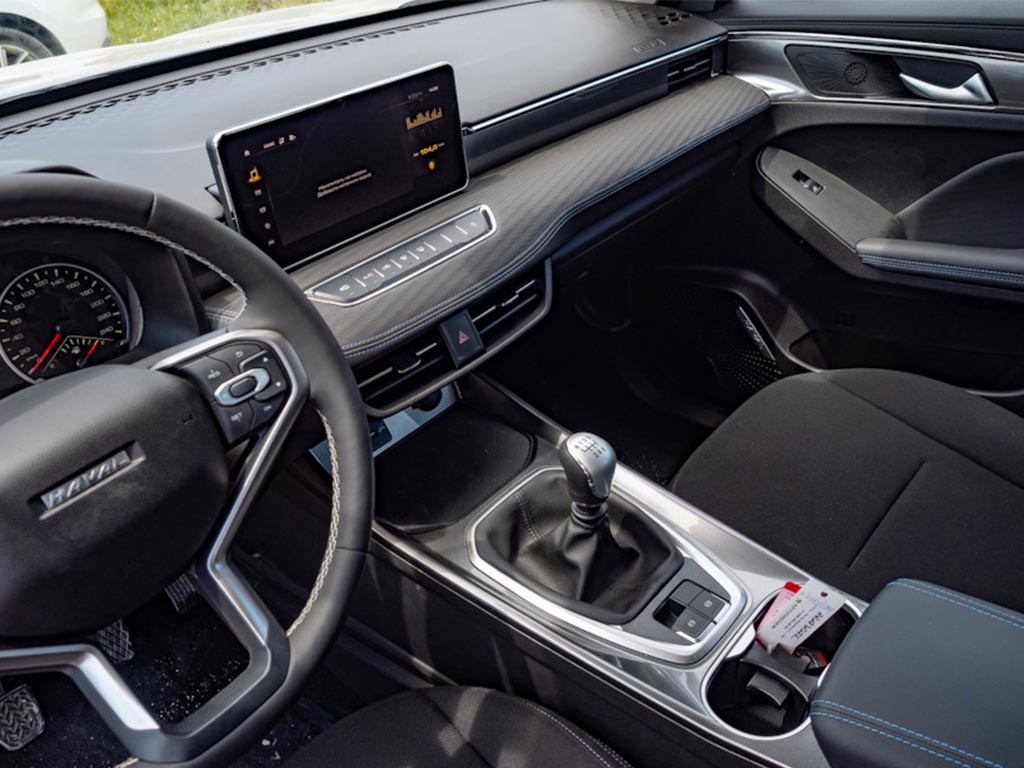
Let’s talk about the control features. The Jolion’s gearbox is controlled primarily through the electronic gear selector, a sleek and modern system that replaces the traditional gear lever. You’ll find options for Drive (D), Reverse (R), Neutral (N), and Park (P), just like in most automatics. However, you might also have access to a manual mode, often denoted by a «+» and «-» symbol. This allows you to take control of the gear selection yourself, giving you a more engaging driving experience. This manual mode is particularly useful when you need more control, such as when navigating winding roads or overtaking. Remember, though, that even in manual mode, the system will prevent you from damaging the engine by automatically shifting up or down if you exceed the engine’s rev limit or try to select a gear that’s not appropriate for the current speed. There’s also usually an «ECO» mode, which optimizes the gear shifting strategy for maximum fuel economy. This mode prioritizes smoother shifts and higher gears at lower speeds, resulting in a more relaxed and fuel-efficient driving experience. Experiment with these different modes to find what best suits your driving style and preferences.
Now, let’s touch upon maintenance. Regular maintenance is key to ensuring your Jolion’s gearbox operates smoothly and reliably for years to come. The most important aspect is adhering to the manufacturer’s recommended service intervals, which are usually detailed in your owner’s manual. This typically involves regular oil changes, using the specific type of transmission fluid recommended by Haval. Using the wrong fluid can severely damage the gearbox, leading to costly repairs. Beyond oil changes, it’s crucial to avoid harsh driving habits, such as aggressive acceleration and braking, which can put extra stress on the transmission. Smooth and consistent driving will significantly extend the life of your gearbox. Also, be mindful of your driving style in stop-and-go traffic. Try to avoid prolonged periods of idling with your foot on the brake, as this can lead to overheating and potential damage. Finally, if you notice any unusual noises, vibrations, or shifting problems, don’t hesitate to take your Jolion to a qualified mechanic for inspection. Early detection and intervention can prevent minor issues from escalating into major, and expensive, repairs. Remember, preventative maintenance is always cheaper than reactive repairs.
So, you’re curious about the gearbox in your Haval Jolion, huh? Let’s dive into the specifics. We’ll cover typical malfunctions, some rarer malfunctions, the service life you can expect, and how to best maintain it.
First off, let’s talk about the typical malfunctions you might encounter. One common issue is rough shifting. This can manifest as jerky changes between gears, especially noticeable during low-speed maneuvers or acceleration. This often points towards a problem with the transmission fluid. Old, dirty, or low fluid is a major culprit. Another common complaint is a whining or humming noise emanating from the gearbox, particularly under load. This could indicate worn bearings or gears within the transmission itself, and it’s definitely something you don’t want to ignore. Sometimes, you might experience difficulty selecting a gear, a feeling of resistance or a complete inability to shift. This could be due to a variety of issues, from linkage problems to internal transmission failures. Finally, slipping gears are a serious issue. If you notice the engine revving without a corresponding increase in speed, it’s a clear sign that the transmission isn’t engaging properly. This often requires professional attention.
Now, let’s move on to some less common, but still potentially serious malfunctions. One is a complete transmission failure, which is obviously a major problem requiring a significant repair or replacement. This is often preceded by other symptoms, so paying attention to early warning signs is crucial. Another less frequent issue is internal leaks within the transmission. These can be tricky to detect, often manifesting as low transmission fluid levels without any visible external leaks. Regular checks of your fluid levels are essential to catch this early. You might also encounter electrical problems related to the transmission control unit, or TCU. This is the «brain» of the automatic transmission, and malfunctions here can lead to a range of erratic behaviors. A faulty TCU often requires professional diagnosis and repair.
The service life of your Haval Jolion’s gearbox is heavily dependent on several factors. Driving style plays a huge role. Aggressive driving, frequent hard acceleration, and towing heavy loads all put extra stress on the transmission, shortening its lifespan. Regular maintenance is also key. Following the manufacturer’s recommended service intervals for transmission fluid changes is absolutely crucial. Neglecting these changes can lead to premature wear and tear, significantly reducing the overall lifespan of your gearbox. Environmental conditions also matter. Extreme temperatures, both hot and cold, can put extra strain on the transmission components. In ideal conditions, with proper maintenance and a moderate driving style, you can reasonably expect a service life of at least ONE HUNDRED FIFTY THOUSAND to TWO HUNDRED THOUSAND kilometers. However, this is just an estimate, and individual experiences can vary.
Finally, let’s discuss maintenance. The most important aspect is regular transmission fluid changes. Consult your owner’s manual for the recommended intervals, but generally, a change every SIXTY THOUSAND to EIGHTY THOUSAND kilometers is a good guideline. During these changes, the mechanic should also inspect the transmission for any leaks, unusual noises, or other signs of wear. Beyond fluid changes, ensure you’re driving smoothly and avoiding harsh acceleration or braking. Regularly check your transmission fluid level, and if you notice any unusual smells, noises, or shifting problems, get it checked by a professional mechanic immediately. Don’t delay – catching problems early can save you a lot of money and hassle in the long run.

- Читайте также: