Hey everyone, let’s dive into the world of Haval H9 maintenance. We’re going to cover the consumables, fluids, and the recommended maintenance schedule, so you can keep your H9 running smoothly for years to come.
First up, let’s talk consumables. These are the parts that wear out and need replacing regularly. Think things like your air filter – that’s crucial for keeping your engine clean and running efficiently. You’ll want to replace that every SIX MONTHS or TEN THOUSAND kilometers, whichever comes first. Then there’s the cabin air filter; this one keeps the air inside your car fresh and clean, so you’re breathing easy. A good rule of thumb is to change this one every TWELVE MONTHS or TWENTY THOUSAND kilometers. Don’t forget your spark plugs; these are vital for ignition, and typically need replacing every FORTY THOUSAND to SIXTY THOUSAND kilometers, depending on your driving style and fuel quality. And finally, your wiper blades – these are essential for visibility, especially in bad weather. Replace these every SIX MONTHS to a YEAR, or whenever you notice streaks or smearing. Keeping these consumables fresh will ensure your H9 performs at its best.
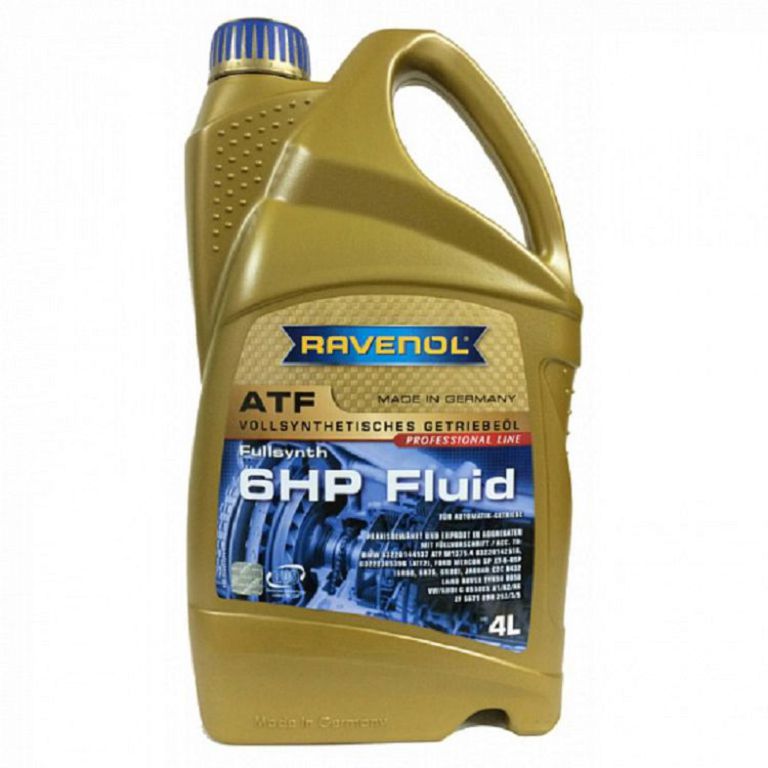
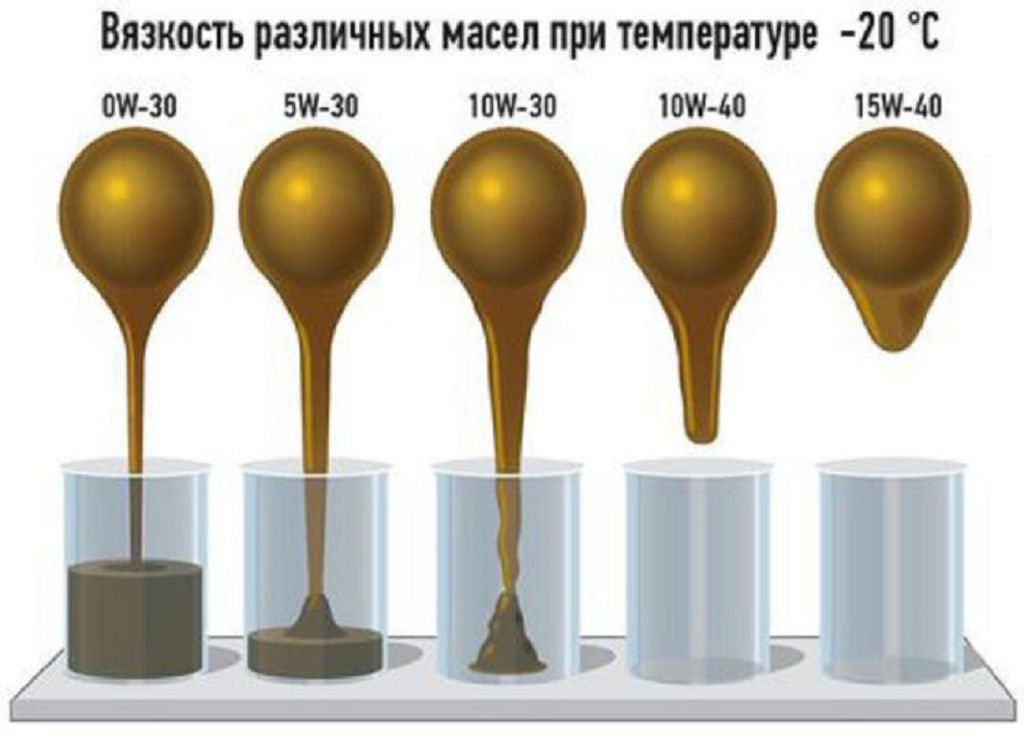
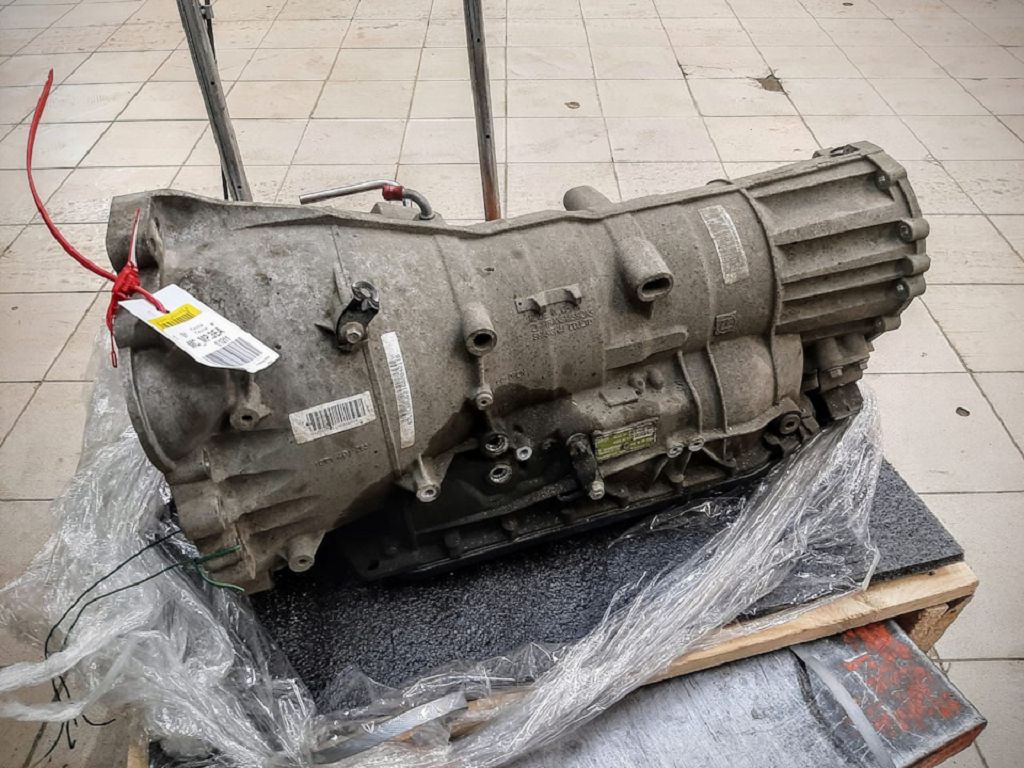
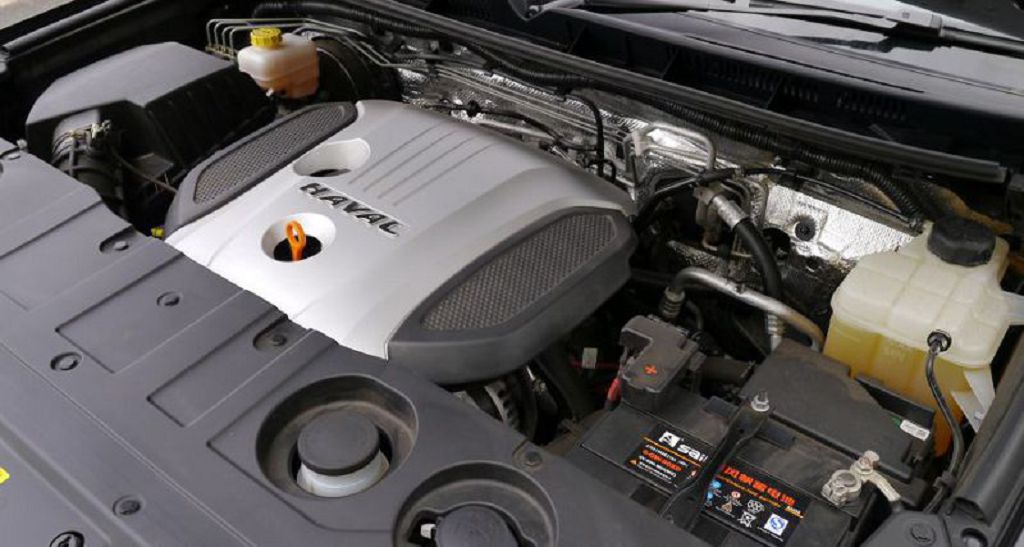
Now, let’s move on to the fluids. Proper fluid levels and regular changes are absolutely essential for the longevity of your Haval H9. We’ll go through each one individually, covering the recommended filling volumes. Let’s start with engine oil. The recommended oil type will be specified in your owner’s manual, but generally, you’ll need around SIX to SEVEN LITERS, depending on the specific engine variant. Change this every FIVE THOUSAND to SEVEN THOUSAND FIVE HUNDRED kilometers, or as recommended in your owner’s manual. Next is the transmission fluid. The exact volume and change interval will again depend on your specific transmission type – check your manual for the precise details. However, it’s generally recommended to have this checked and potentially changed every THIRTY THOUSAND to FORTY THOUSAND kilometers. Then we have coolant. This keeps your engine from overheating, and typically requires around EIGHT to TEN LITERS. Coolant usually needs changing every TWO YEARS or FORTY THOUSAND kilometers, depending on the conditions you drive in. Finally, brake fluid. This is crucial for your braking system, and should be flushed and replaced every TWO YEARS or FORTY THOUSAND kilometers. Always refer to your owner’s manual for the exact specifications and recommended intervals for your specific Haval H9 model.
Now, let’s talk about the maintenance schedule itself. Your Haval H9 likely has a «zero maintenance» period, which means there are no scheduled services required for the first few thousand kilometers. This period allows the vehicle to settle in and for any initial wear to occur. After this initial period, your first scheduled maintenance will typically involve an oil change, filter replacements (air, cabin, and possibly fuel), and a general inspection of all major components. This first service is usually around FIVE THOUSAND to TEN THOUSAND kilometers, but again, always refer to your owner’s manual for the exact details specific to your vehicle. Following this first service, you’ll have subsequent services at regular intervals, as outlined in your owner’s manual. These services will typically involve more comprehensive checks and potentially the replacement of other components as needed. Remember, sticking to the recommended maintenance schedule is key to keeping your Haval H9 in top condition and avoiding costly repairs down the line. Regular maintenance is an investment in the longevity and reliability of your vehicle.
Okay, so let’s dive straight into the Haval H9 maintenance schedule. We’re going to break down the key maintenance points for the second, third, fourth, fifth, sixth, and seventh services. Remember, these are guidelines, and always check your owner’s manual for the most accurate and up-to-date information specific to your vehicle and region.
Second Maintenance: This is usually around the TWELVE THOUSAND to FIFTEEN THOUSAND kilometer mark. At this point, we’re primarily focusing on fluid checks and top-ups. Think engine oil, of course – we’re looking at a full oil change here, using the recommended grade specified in your manual. Don’t forget the oil filter; a fresh one is crucial. We’ll also check the coolant levels, topping it off if needed. Brake fluid levels are important too, and a quick visual inspection of the brake pads is a good idea. Finally, a thorough check of all fluid levels, including power steering fluid and transmission fluid (depending on your transmission type), is essential. This service is all about preventative maintenance, catching small issues before they become big problems.
Third Maintenance: Around TWENTY-FIVE THOUSAND to THIRTY THOUSAND kilometers, the third service builds on the second. Again, a full engine oil and filter change is a must. This time, we’ll also be inspecting the air filter. If it’s looking dirty or clogged, it’s time for a replacement. A dirty air filter restricts airflow to the engine, impacting performance and fuel efficiency. We’ll also be checking the spark plugs; depending on their condition, they might need replacing. This is a good time to check the condition of your belts and hoses, looking for any signs of wear and tear. Remember, a small crack in a hose can lead to a major problem down the line.
Fourth Maintenance: This usually falls around THIRTY-FIVE THOUSAND to FORTY THOUSAND kilometers. By now, you’re probably getting the hang of this! Another engine oil and filter change is on the agenda. We’ll also be inspecting the fuel filter. A clogged fuel filter can restrict fuel flow, leading to poor engine performance and potentially damage. We’ll also be checking the condition of your tires, including their tread depth and pressure. Proper tire inflation is crucial for safety and fuel efficiency. This is also a good time for a comprehensive inspection of your suspension components, looking for any signs of wear or damage.
Fifth Maintenance: Around FIFTY THOUSAND to SIXTY THOUSAND kilometers, the fifth service is another significant one. We’re back to the engine oil and filter change, of course. This is a good time for a more thorough inspection of your braking system. We’ll be checking the brake pads and rotors for wear, and potentially replacing them if necessary. We’ll also be checking the brake lines and calipers for any leaks or damage. Don’t forget to check your transmission fluid again, especially if you have an automatic transmission.
- Читайте также:
Sixth Maintenance: Around SEVENTY-FIVE THOUSAND to EIGHTY-FIVE THOUSAND kilometers, the sixth service is similar to the fifth, but with a few additions. Engine oil and filter change, naturally. This is a good time to consider a more in-depth inspection of your cooling system, including a pressure test to check for leaks. We’ll also be checking the timing belt (or chain, depending on your engine) for wear and tear. Depending on the condition and the manufacturer’s recommendations, this might need replacing. This is a crucial component, so don’t skip this check.
Seventh Maintenance: Around ONE HUNDRED THOUSAND kilometers, the seventh service is a comprehensive one. We’re doing everything we’ve done before – engine oil and filter change, brake inspection, cooling system check, and so on. But this is also a good time for a more thorough overall inspection of your vehicle. Think about things like your lights, wipers, and other wear-and-tear items. This is a great opportunity to catch any potential problems before they become major headaches. Remember, preventative maintenance is key to keeping your Haval H9 running smoothly for years to come.