So, let’s dive straight into the heart of the matter: the transmission options in the Haval H9. This is a crucial aspect of the vehicle’s performance and longevity, and understanding the differences is key to owning one happily. You see, the Haval H9 didn’t just come with one type of automatic gearbox; it offered TWO distinct options, each with its own set of characteristics.
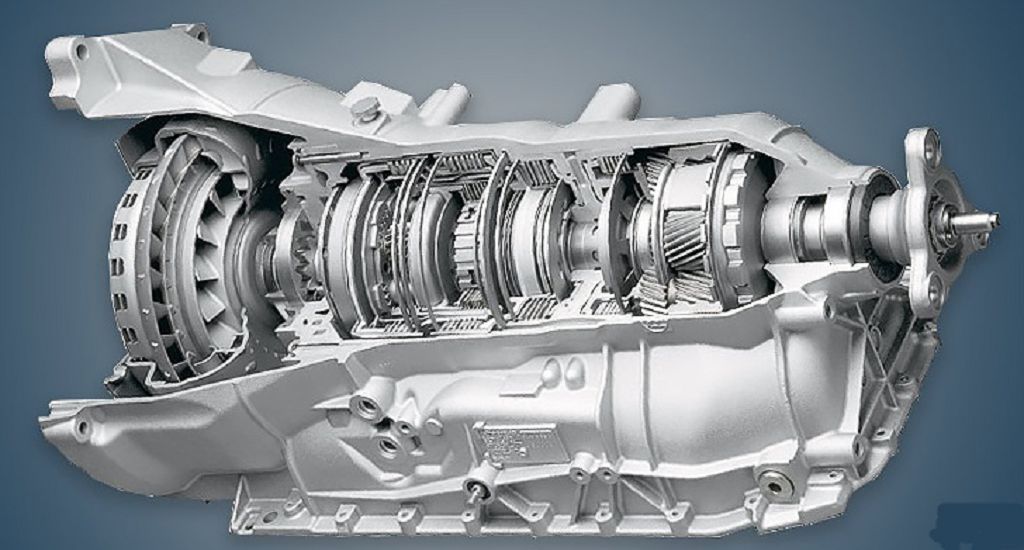
First up, we have the SIX-range automatic transmission, the ZF SIX HP TWENTY-ONE. This is a tried and tested unit, known for its relatively simple design and robust build. It’s a workhorse, really. You’ll find it in many vehicles, and its reliability is generally quite good, especially when properly maintained. However, being an older design, it might not offer the same level of fuel efficiency or smooth shifting as some newer transmissions. Think of it as a reliable friend – maybe not the flashiest, but always there when you need it. We’ll talk more about maintenance in a bit.
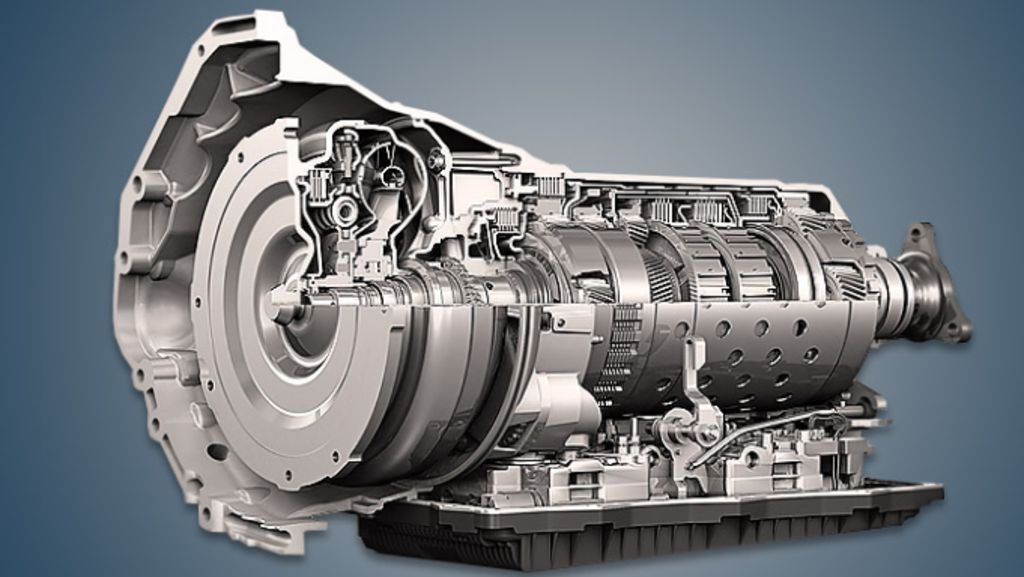
Then there’s the EIGHT-range automatic transmission, the ZF EIGHT HP FORTY-FIVE. This is a significant upgrade. EIGHT gears mean smoother transitions, better fuel economy, and potentially quicker acceleration. It’s a more sophisticated piece of engineering, incorporating advanced technologies to optimize performance. But with that sophistication comes a slightly higher level of complexity, meaning potentially more expensive repairs if something goes wrong. It’s the sportier, more refined option, but it does come with a slightly higher price tag, both initially and potentially down the line in terms of maintenance.
Now, let’s talk about something incredibly important: automatic transmission fluid changes. This isn’t something you can ignore. Regular fluid changes are absolutely vital for the longevity of your Haval H9’s transmission, regardless of whether you have the SIX-speed or the EIGHT-speed unit. Neglecting this can lead to premature wear and tear, costly repairs, and even complete transmission failure. So, how often should you change the fluid? Well, the manufacturer’s recommendations are a good starting point, but many experts suggest a more frequent schedule, especially if you frequently tow heavy loads or drive in harsh conditions. A good rule of thumb is to aim for a fluid change every SIXTY THOUSAND to EIGHTY THOUSAND kilometers, or even sooner if you notice any unusual noises or shifting problems. Remember, prevention is always better than cure, and a timely fluid change is a small price to pay for the peace of mind it provides. And don’t forget to use the correct type of transmission fluid specified by Haval for your particular model and transmission. Using the wrong fluid can seriously damage your transmission. This is not something to take lightly. Proper maintenance is key to keeping your Haval H9’s transmission running smoothly for years to come. We’ll be covering the process of changing the fluid in a future video, so stay tuned for that!
So, let’s dive straight into the heart of the matter: oil change intervals for those automatic transmissions in the Haval H9. We’re talking about TWO major players here: the ZF SIX HP TWENTY-ONE and the ZF EIGHT HP FORTY-FIVE. Now, these aren’t your average transmissions; they’re sophisticated pieces of engineering, and that means their maintenance needs are equally specific. The manufacturer’s recommended oil change intervals are crucial here, and you absolutely shouldn’t deviate from them. Ignoring these recommendations can lead to premature wear and tear, significantly shortening the lifespan of your transmission and potentially costing you a FORTUNE in repairs down the line. We’re talking thousands, not hundreds, of dollars. Always check your owner’s manual for the precise mileage or time-based intervals for your specific model year and transmission type. Remember, preventative maintenance is key with these transmissions. Regular oil changes, using the correct type and quantity of oil specified by the manufacturer, are absolutely non-negotiable. Don’t skimp on this; your transmission will thank you for it.
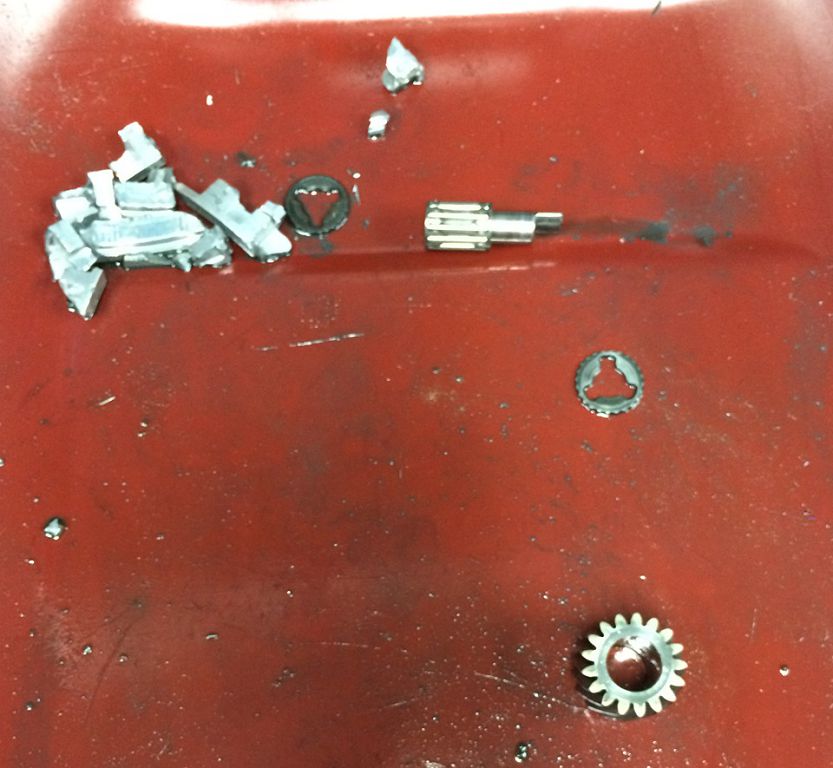
Now, let’s talk about the elephant in the room: automatic transmission failures in the Haval H9. This is a topic that generates a lot of discussion, and unfortunately, there are some recurring issues reported by owners. While not every H9 will experience these problems, it’s vital to be aware of the potential pitfalls. Many of the reported failures seem to be linked to either neglecting the recommended maintenance schedules we just discussed, or perhaps using the wrong type of transmission fluid. This highlights the importance of sticking religiously to the manufacturer’s specifications. Ignoring these guidelines can lead to a cascade of problems, from minor shifting issues to complete transmission failure. And believe me, a complete transmission failure in a vehicle like the H9 is a major, major headache. We’re talking about significant downtime, expensive repairs, and a whole lot of frustration.
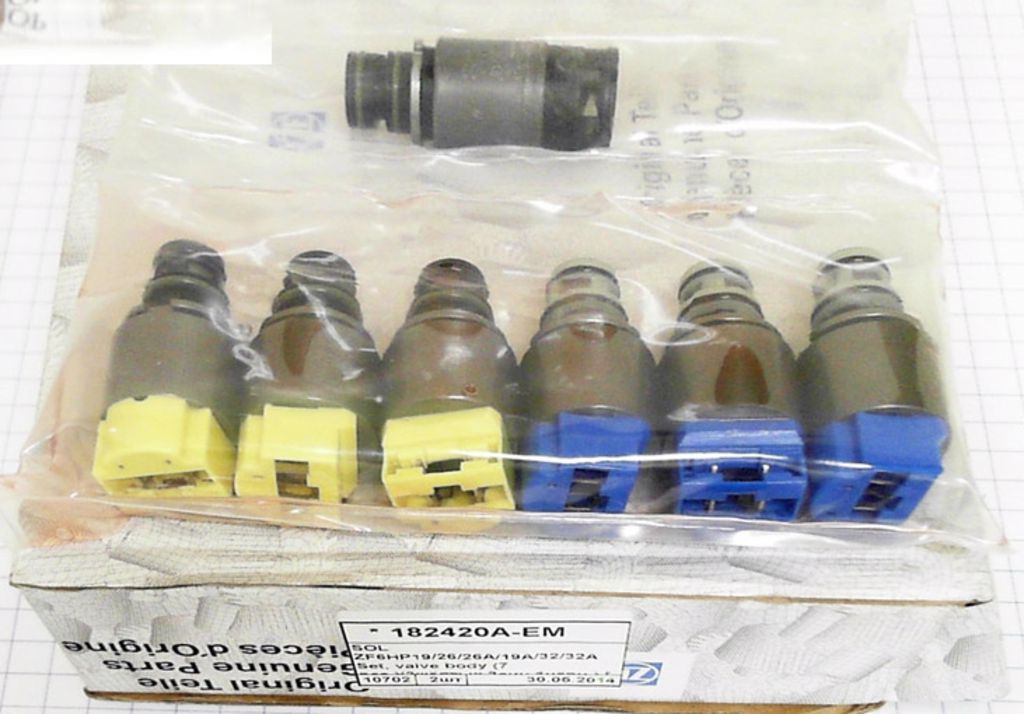
Let’s break down the potential failures a bit more specifically, starting with the ZF SIX HP TWENTY-ONE. This transmission, while generally robust, isn’t immune to problems. Some common issues reported include rough shifting, particularly noticeable during cold starts or under heavy load. There have also been reports of solenoid valve failures, which can manifest as erratic shifting or complete transmission failure. Another potential problem area is the valve body itself, which can suffer from wear and tear over time, especially if the transmission fluid isn’t properly maintained. Remember, regular oil changes and using the correct fluid are absolutely critical in preventing these issues. Ignoring these things can lead to costly repairs, so don’t cut corners.
Now, let’s move on to the ZF EIGHT HP FORTY-FIVE. This transmission is a more modern design, and while generally considered more advanced, it’s not without its own set of potential problems. While less frequently reported than issues with the SIX HP TWENTY-ONE, there are still some concerns. Some owners have reported similar issues to the SIX HP TWENTY-ONE, such as rough shifting and solenoid valve problems. However, the EIGHT HP FORTY-FIVE also has some unique potential weaknesses. One area of concern is the mechatronics unit, a complex electronic control module that manages the transmission’s operation. Failures in this unit can be particularly expensive to repair, so preventative maintenance is even more crucial. Again, sticking to the manufacturer’s recommended maintenance schedule and using the correct transmission fluid is paramount.
In summary, the choice between the SIX HP TWENTY-ONE and the EIGHT HP FORTY-FIVE in the Haval H9 comes down to a careful consideration of reliability, maintenance, and potential repair costs. Both transmissions have their strengths and weaknesses, and understanding these nuances is crucial for making an informed decision. Regular maintenance, using the correct fluids, and adhering to the manufacturer’s recommended service intervals are absolutely vital for maximizing the lifespan and reliability of either transmission. Neglecting these aspects can lead to costly and frustrating repairs down the line. Remember, preventative maintenance is always cheaper than reactive repairs.
- Читайте также: