Okay, let’s dive into the heart of the Haval H6 – its engines. We’ll be looking at the different motors you might find depending on where you bought your H6, whether it’s Russia, China, Kazakhstan, or elsewhere. This will help you understand what to expect in terms of engine life and reliability.
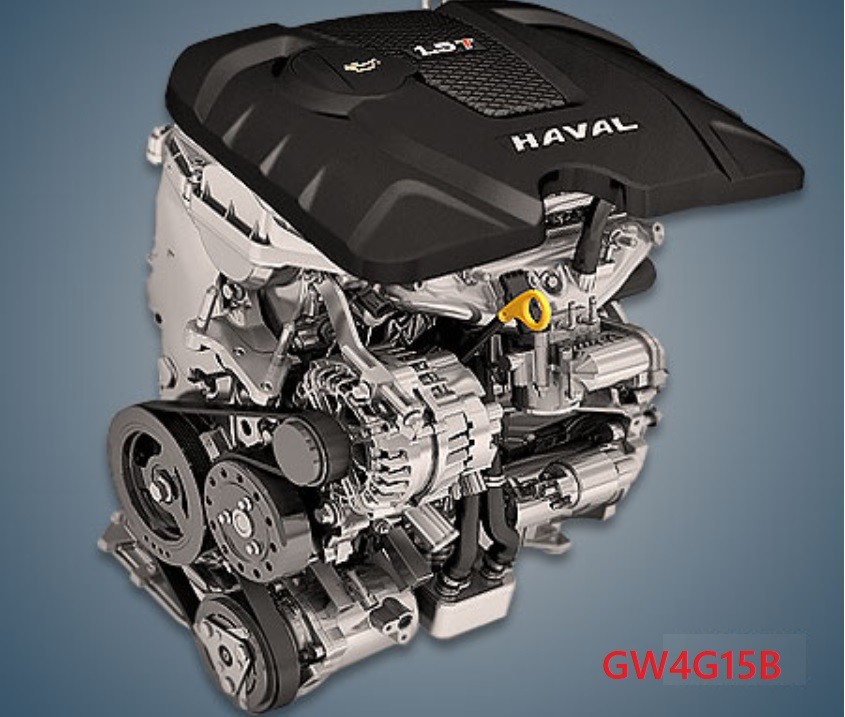
First up, let’s talk about the ONE AND A HALF liter petrol engine. This is the powerplant you’ll typically find in the Russian market Haval H6s. Now, this engine, while relatively small, is designed for fuel efficiency. Many owners report decent reliability, with regular maintenance being key. We’re talking about things like sticking to the recommended oil change intervals – usually every SEVEN THOUSAND to TEN THOUSAND kilometers, depending on driving conditions. Using the correct oil viscosity is also crucial. Check your owner’s manual for the specific recommendations. Neglecting maintenance can significantly shorten the lifespan of any engine, and this ONE AND A HALF liter unit is no exception. Expect a potential lifespan of around TWO HUNDRED THOUSAND kilometers with proper care, but that number can vary greatly depending on driving habits and maintenance schedules. We’ve seen some reports of issues with the timing chain on some models, so keep an eye out for unusual noises from the engine.
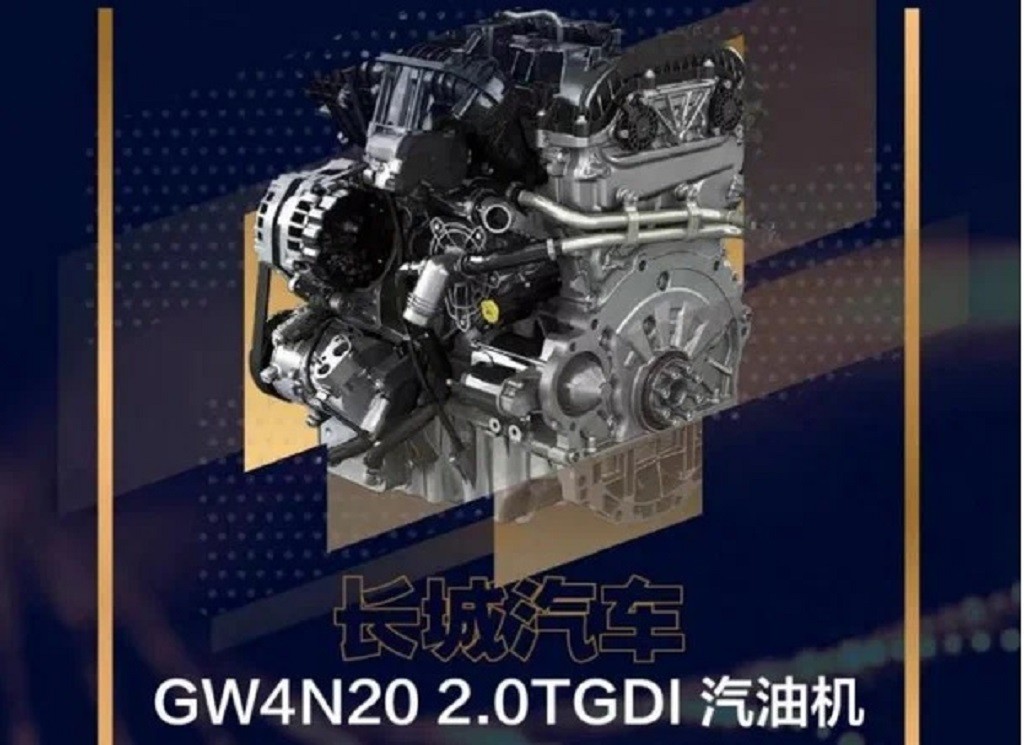
Next, let’s move on to the TWO LITER petrol engine. This is more common in the Chinese and Kazakh versions of the Haval H6. Generally speaking, this engine offers a bit more power and torque than the smaller ONE AND A HALF liter variant. Again, regular maintenance is paramount. We’re talking about the same things – using the correct oil, following the recommended service intervals, and being attentive to any unusual sounds or vibrations. The TWO LITER engine, from what we’ve gathered, tends to be a bit more robust and potentially offers a slightly longer lifespan, potentially reaching TWO HUNDRED AND FIFTY THOUSAND kilometers or even more under ideal conditions. However, remember that this is just an estimate, and individual experiences can vary.
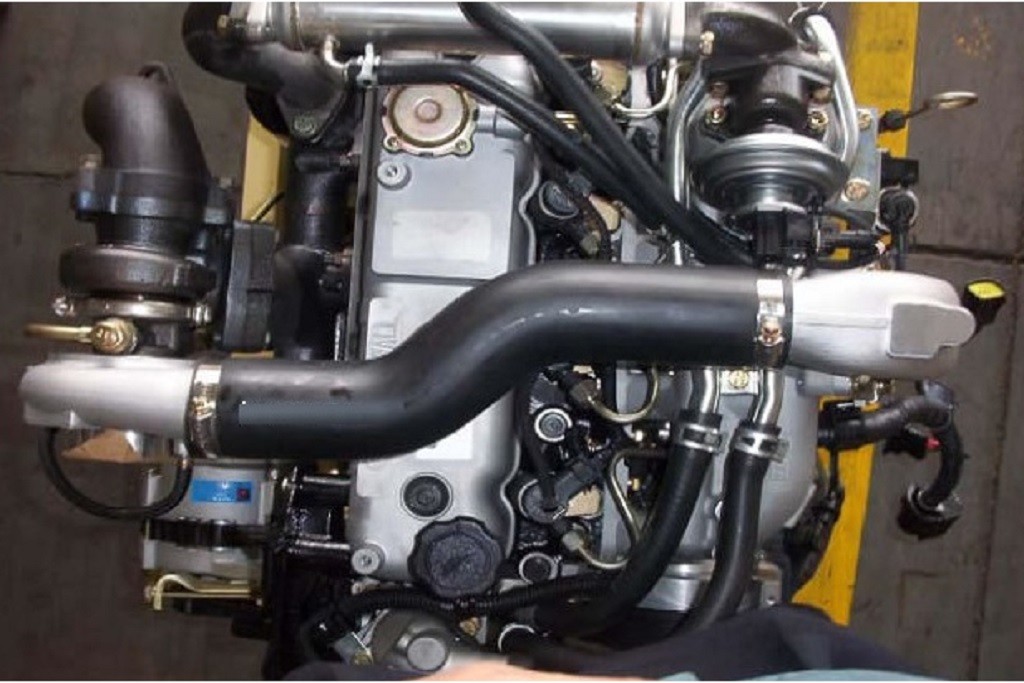
Now, let’s briefly touch on the diesel engine option. Diesel engines, while known for their torque and fuel efficiency, often require more specialized maintenance. The diesel particulate filter (DPF) can be a point of potential concern, requiring regular cleaning or replacement. The fuel system is also more sensitive, so using high-quality diesel fuel is crucial. The lifespan of a diesel engine in a Haval H6, with proper care, could potentially reach THREE HUNDRED THOUSAND kilometers, but this is heavily dependent on the quality of fuel and maintenance.
Finally, we have the Chinese market hybrid Haval H6. Hybrid systems introduce a whole new set of components, including the battery pack and electric motor. The lifespan of these components is a bit more complex to predict. The petrol engine in a hybrid system often sees less wear and tear due to the assistance of the electric motor, potentially leading to a longer lifespan. However, the battery pack has a limited lifespan and will eventually need replacement, which can be a significant expense. The overall lifespan of a hybrid Haval H6 is still relatively unknown due to the newer technology, but early reports suggest a potential for a long service life, provided the battery is well-maintained and eventually replaced when necessary. Keep in mind that hybrid technology is constantly evolving, so future models might have even better longevity.
So, let’s dive straight into the heart of the matter: Haval H6 engines. We’re talking about what kinds of engines you’ll find under the hood, how long they’re expected to last, how reliable they are, and of course, the all-important topic of engine oil.
First off, the comparative characteristics of the motors. The Haval H6, depending on the year and trim level, has seen a few different engine options. You’ll commonly find ONE-POINT-FIVE liter turbocharged petrol engines, TWO-POINT-ZERO liter turbocharged petrol engines, and in some markets, even a ONE-POINT-FIVE liter turbocharged petrol hybrid. The ONE-POINT-FIVE liter engines are generally known for their fuel efficiency, making them a good choice for city driving. However, they might feel a little underpowered for those who frequently tow or carry heavy loads. The TWO-POINT-ZERO liter engines offer significantly more power and torque, making them a better option for those who need more oomph. The hybrid option, where available, provides a good balance of fuel economy and performance. It’s crucial to research the specific engine in the model year you’re considering, as performance and reliability can vary slightly between generations. We’ll be looking at specific examples later in the video, so keep an eye out for those.
Now, let’s talk about engine life and reliability. This is a tricky one, as it depends on so many factors: driving style, maintenance schedule, and even road conditions. Generally speaking, with proper maintenance, you can expect a well-maintained Haval H6 engine to last for at least TWO HUNDRED THOUSAND kilometers, maybe even THREE HUNDRED THOUSAND kilometers or more. However, neglecting regular servicing, using the wrong type of oil, or consistently pushing the engine to its limits will drastically reduce its lifespan. We’ll be discussing the importance of regular maintenance in more detail shortly. Remember, consistent and proper maintenance is key to maximizing the life of your engine. Neglecting this can lead to premature wear and tear, resulting in costly repairs down the line.
Next up: engine oil. This is absolutely crucial for the longevity and performance of your Haval H6’s engine. Using the correct type and grade of oil is non-negotiable. Your owner’s manual will specify the recommended oil type and viscosity for your specific engine. Sticking to this recommendation is vital. Using the wrong oil can lead to increased friction, reduced engine performance, and ultimately, engine damage. We’ll be showing you exactly where to find this information in your manual, and we’ll also be discussing the frequency of oil changes.
- Читайте также:
Speaking of which, let’s talk about engine oil changes and the replacement of other consumables. Haval recommends following a specific maintenance schedule, which usually involves oil changes every FIVE THOUSAND to TEN THOUSAND kilometers, depending on your driving conditions and the type of oil used. Beyond the oil, you’ll also need to replace other consumables like air filters, fuel filters, and spark plugs at regular intervals. Again, your owner’s manual will provide a detailed schedule for these replacements. Failing to replace these consumables on time can lead to reduced engine performance, increased fuel consumption, and potentially, more serious engine problems. We’ll be showing you how to check these components and how to replace them, so stay tuned.
Finally, some recommendations for future Haval H6 owners. The most important piece of advice is to stick religiously to the manufacturer’s recommended maintenance schedule. This is the single most effective way to ensure the longevity and reliability of your engine. Secondly, use the correct type and grade of engine oil. Don’t cut corners here; it’s an investment in your engine’s health. Thirdly, pay attention to any unusual noises or performance issues. Addressing these promptly can prevent minor problems from escalating into major, costly repairs. And lastly, consider purchasing an extended warranty, especially if you’re buying a used Haval H6. This can provide peace of mind and protect you from unexpected repair costs. Remember, preventative maintenance is always cheaper than reactive repairs.