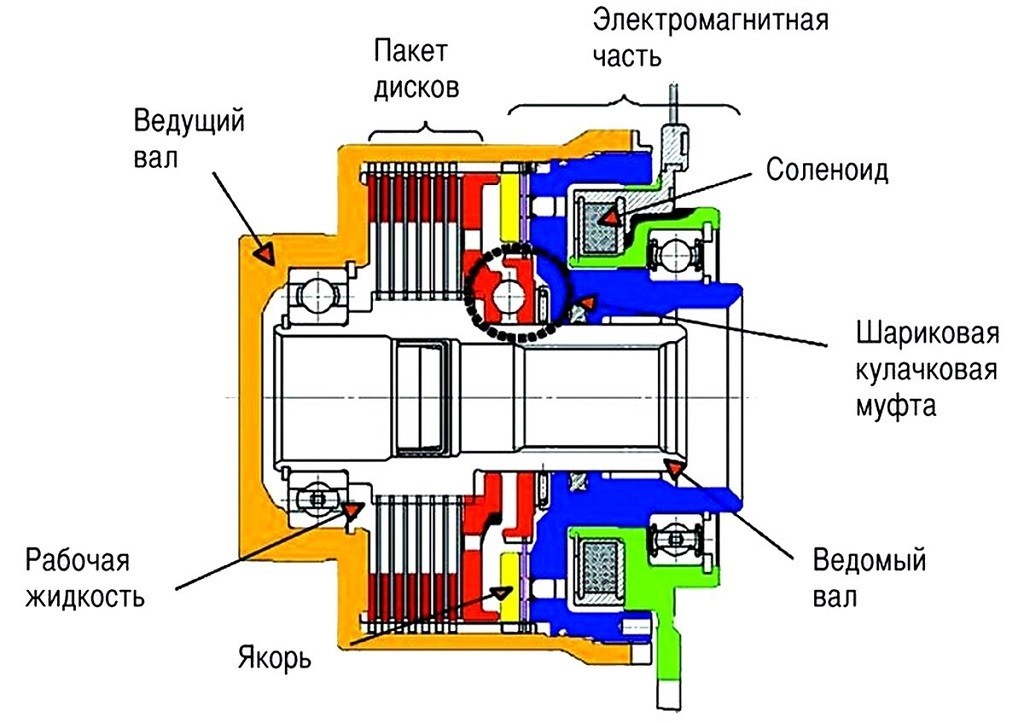
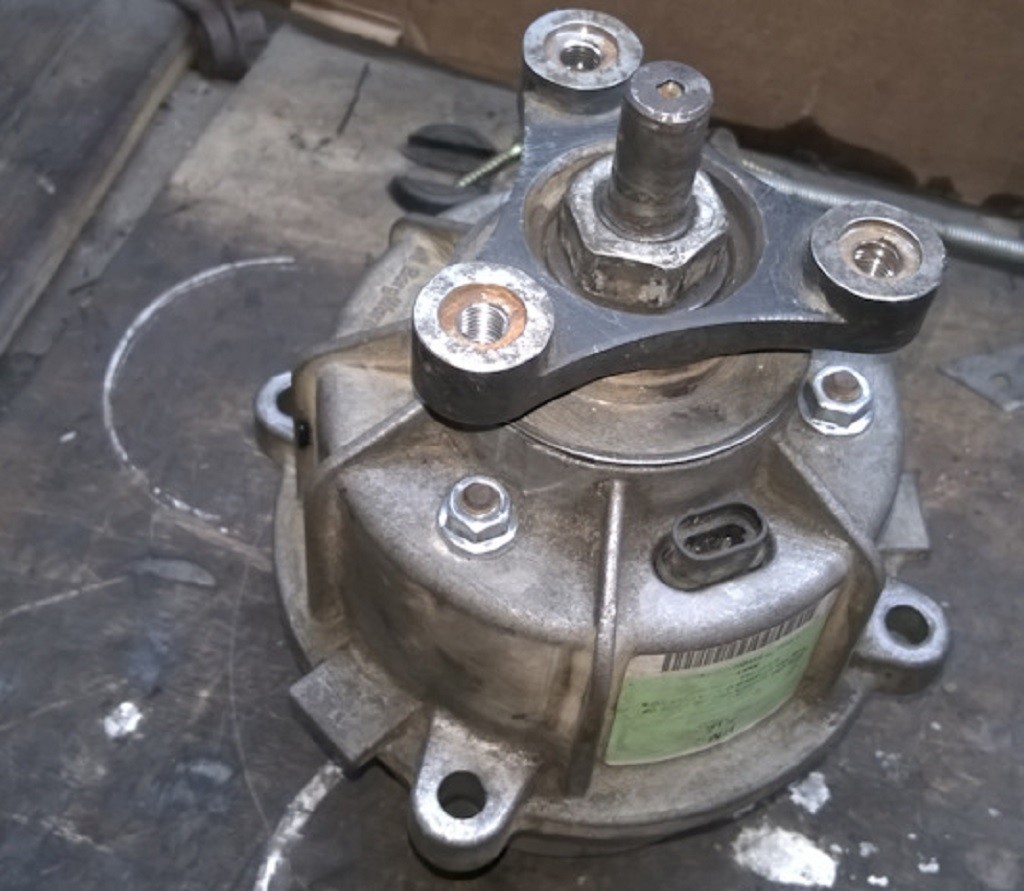
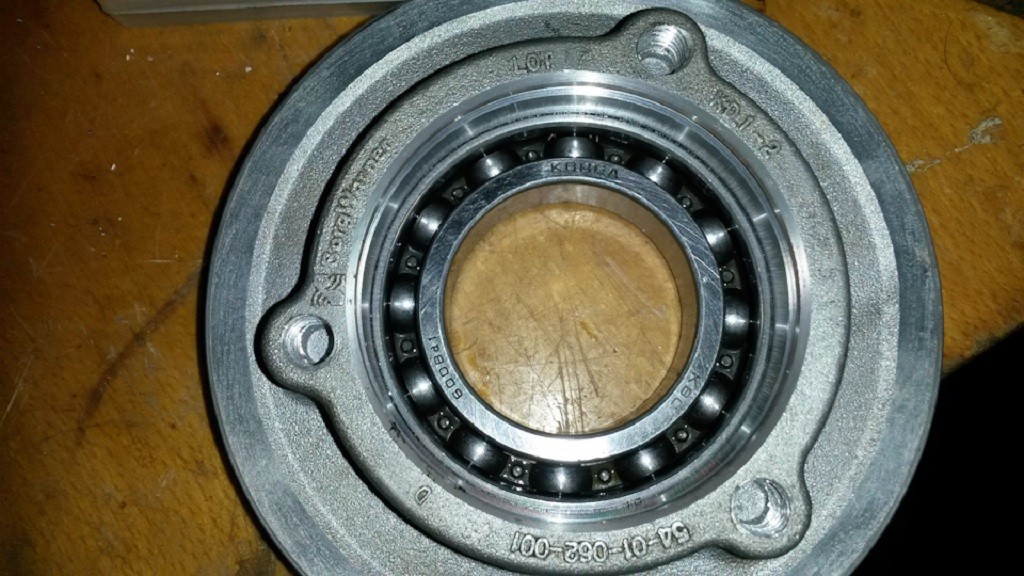
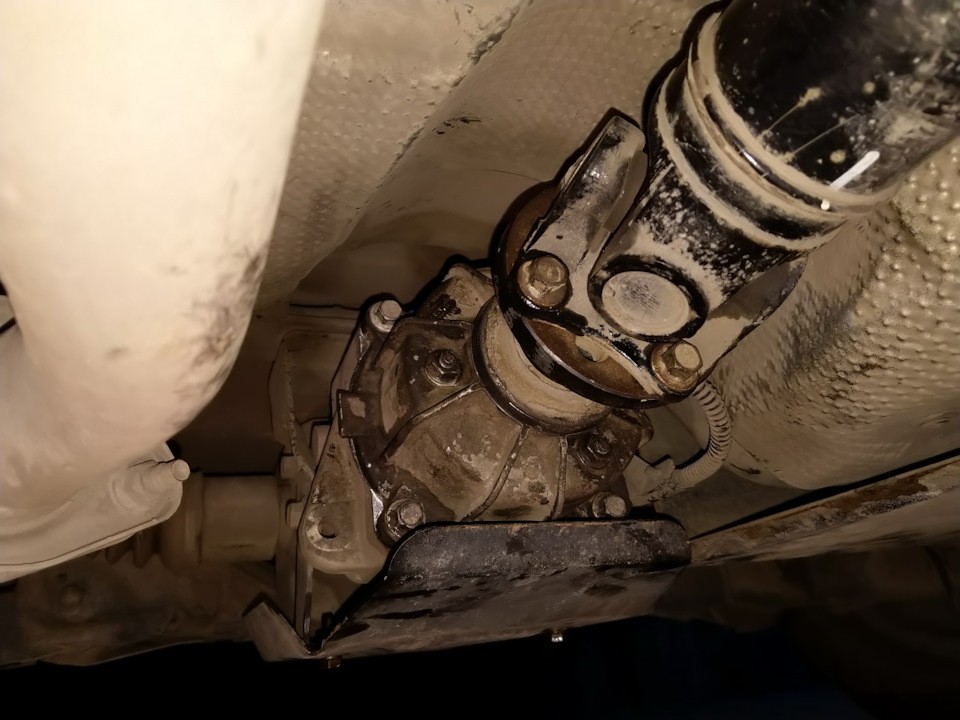
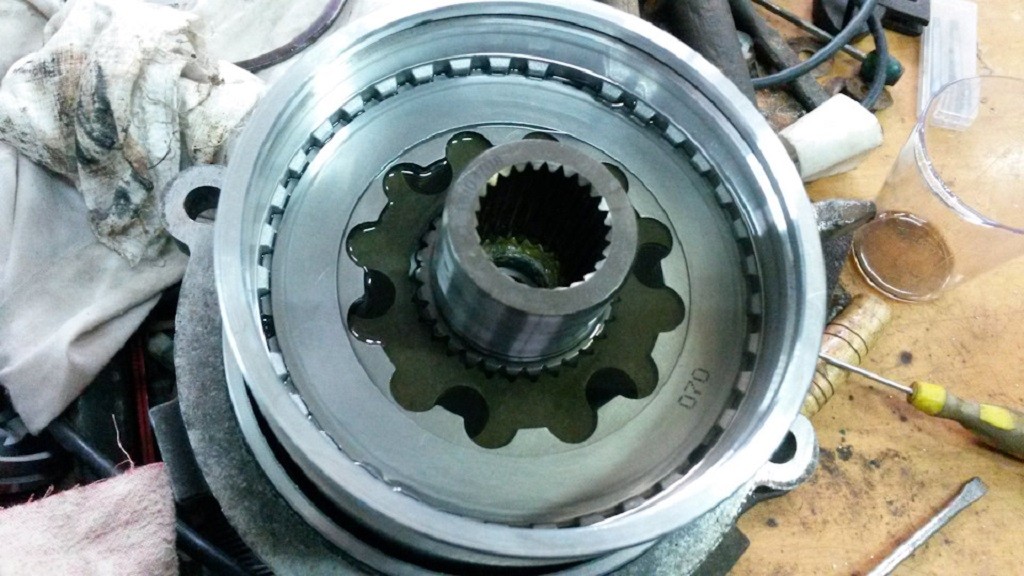
So, let’s dive into the Haval H6’s all-wheel-drive system. It’s a pretty clever setup, and understanding how it works can really help you get the most out of your vehicle. The H6 uses a system called NexTrac, and it’s a multi-plate clutch-based system, meaning power is transferred to the rear wheels via a clutch pack. This isn’t a full-time four-wheel-drive system; it’s an on-demand system, meaning the rear wheels only engage when needed. This helps improve fuel economy when you’re cruising along on dry pavement.
The NexTrac clutch itself is a fascinating piece of engineering. It’s designed to react incredibly quickly to changing road conditions. Think about driving on a slick surface – the system constantly monitors wheel speed and traction. If it detects wheel slip on the front wheels, it instantly engages the rear-wheel drive clutch, sending power to the rear wheels to maintain traction. This happens seamlessly, often before you even realize there’s a loss of grip. The system uses a sophisticated electronic control unit (ECU) to manage all this, analyzing data from various sensors throughout the vehicle. It’s all about providing optimal traction and stability in a variety of driving situations, from light snow to challenging off-road terrain. The beauty of this system is its responsiveness; it’s not just reacting to slippage, it’s proactively anticipating potential loss of traction.
Now, let’s talk about maintenance. The NexTrac clutch, like any mechanical component, requires periodic maintenance. The manufacturer recommends a fluid change every SIXTY THOUSAND to EIGHTY THOUSAND kilometers, depending on your driving conditions. If you frequently drive off-road or in harsh conditions, you might want to consider a more frequent change, perhaps every FIFTY THOUSAND kilometers. Always check your owner’s manual for the most up-to-date and specific recommendations for your vehicle. It’s crucial to use the correct type of fluid; using the wrong fluid can damage the clutch and lead to costly repairs. The recommended fluid is usually a specific type of synthetic gear oil, often specified by its viscosity grade. Again, your owner’s manual will clearly state the exact type and specification of oil required for your Haval H6’s all-wheel-drive system. Don’t try to substitute; using the wrong oil can severely impact the performance and longevity of your all-wheel-drive system. When it comes to the replacement process itself, it’s best left to qualified mechanics. While some DIY enthusiasts might attempt it, it’s a relatively complex procedure involving specialized tools and knowledge. Improper replacement can lead to leaks and further damage to the system. So, it’s generally advisable to have a professional perform the service to ensure everything is done correctly and safely.
So, let’s dive straight into the common problems you might encounter with the all-wheel-drive clutch in your Haval H6. One of the most frequent issues is a whining or howling noise coming from the rear differential area, especially when accelerating or turning. This often points to a problem with the clutch itself, potentially due to low oil levels, worn components, or even damage from driving in harsh conditions. Another common symptom is a lack of engagement of the all-wheel-drive system. You might find yourself stuck in TWO-WHEEL-DRIVE even when the system should be engaging all FOUR wheels. This could be caused by a faulty clutch actuator, a problem with the electronic control unit, or even a simple issue like a blown fuse. Sometimes, you might experience a shudder or vibration when the all-wheel-drive system engages. This is often a sign of wear and tear within the clutch pack itself, indicating it’s time for a service or replacement. Finally, you might notice a burning smell emanating from the rear differential. This is a serious issue and should be addressed immediately, as it suggests significant friction and potential damage to the clutch components. Ignoring this could lead to a complete failure of the all-wheel-drive system.
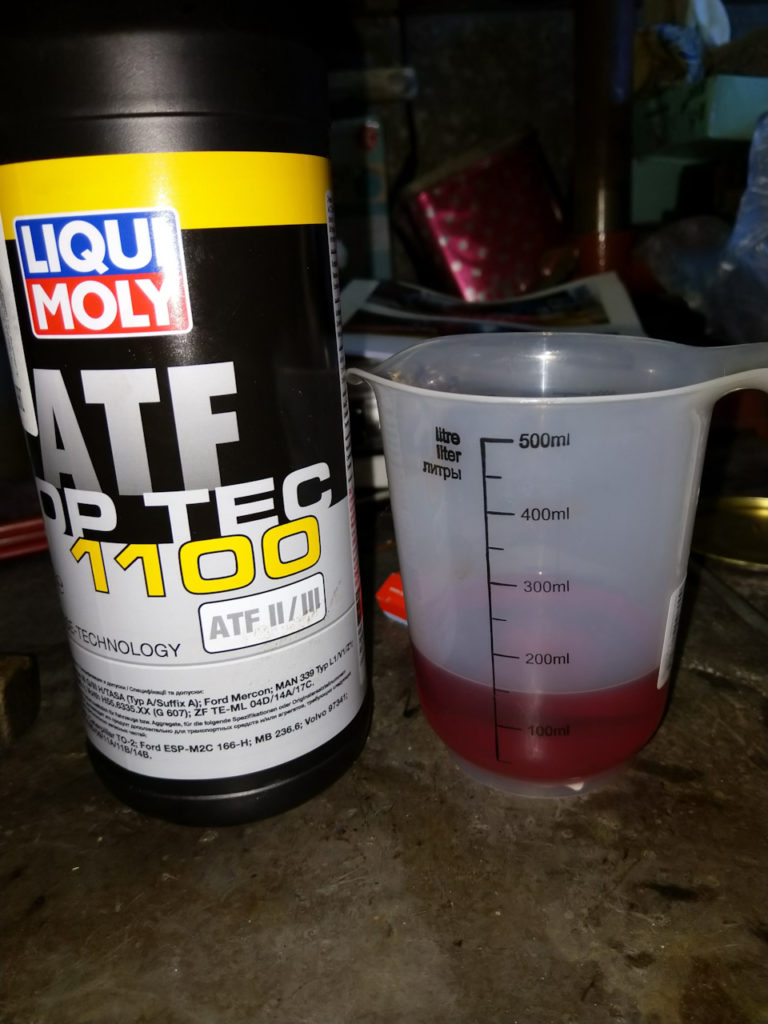
Now, let’s talk about the crucial aspect of servicing your Haval H6’s all-wheel-drive clutch: the oil. First and foremost, it’s absolutely vital to use the correct type of oil. Refer to your owner’s manual; it will specify the exact grade and type recommended by Haval. Using the wrong oil can severely damage the clutch components, leading to premature wear and costly repairs. Typically, you’ll find that a high-quality synthetic gear oil with the correct viscosity is recommended. Don’t even think about using anything else! The manual will also specify the exact quantity of oil needed for your specific model. Using too much or too little oil can both be detrimental to the system’s performance and longevity. Remember, this isn’t just about any oil; it’s about the precise specifications laid out by Haval. Cutting corners here could be very expensive in the long run.
Regarding the replacement schedule, again, your owner’s manual is your bible. It will provide the recommended service intervals for your all-wheel-drive system. However, even if you’re within the recommended timeframe, pay close attention to any unusual noises, vibrations, or smells coming from the rear differential. These are all warning signs that a service might be needed sooner than expected. Regular inspections are key. Think of it like this: preventative maintenance is far cheaper than emergency repairs. A proactive approach will save you money and keep your Haval H6’s all-wheel-drive system running smoothly for years to come. Don’t wait until something breaks; get it serviced according to the schedule, and pay attention to any warning signs. Your wallet will thank you for it.