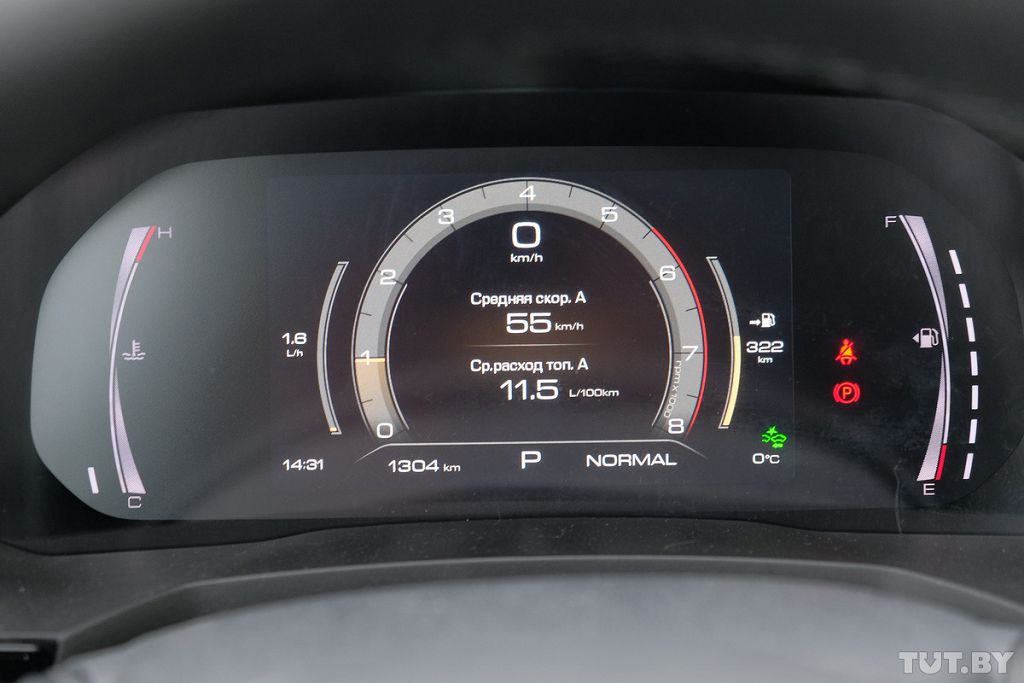
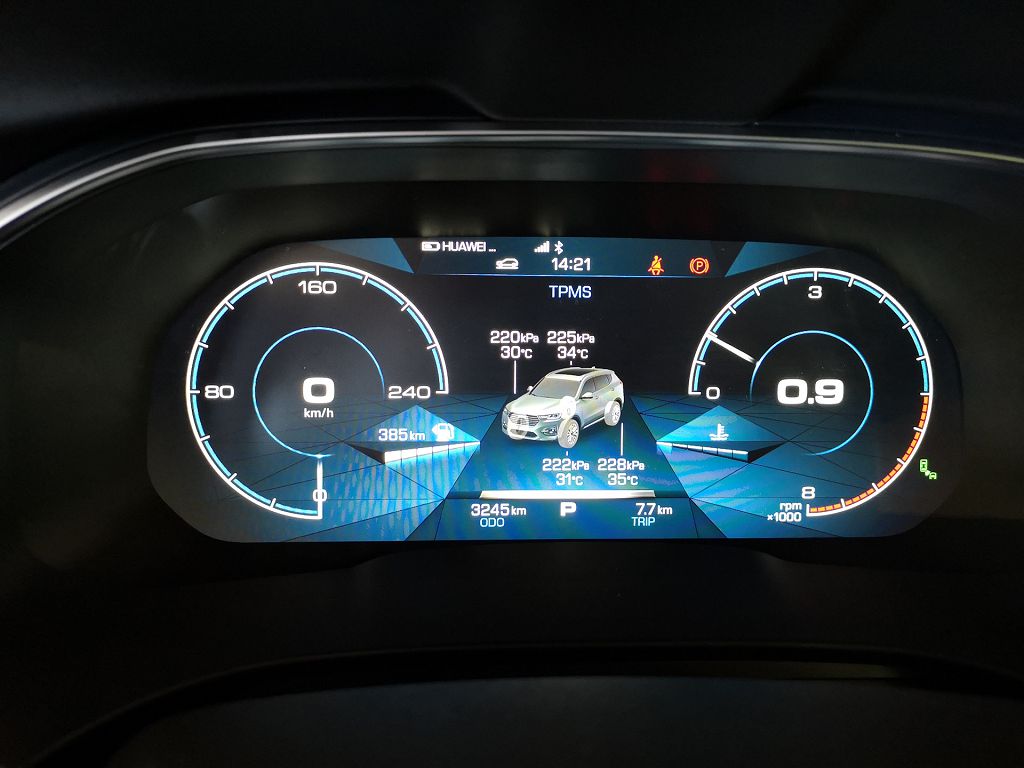
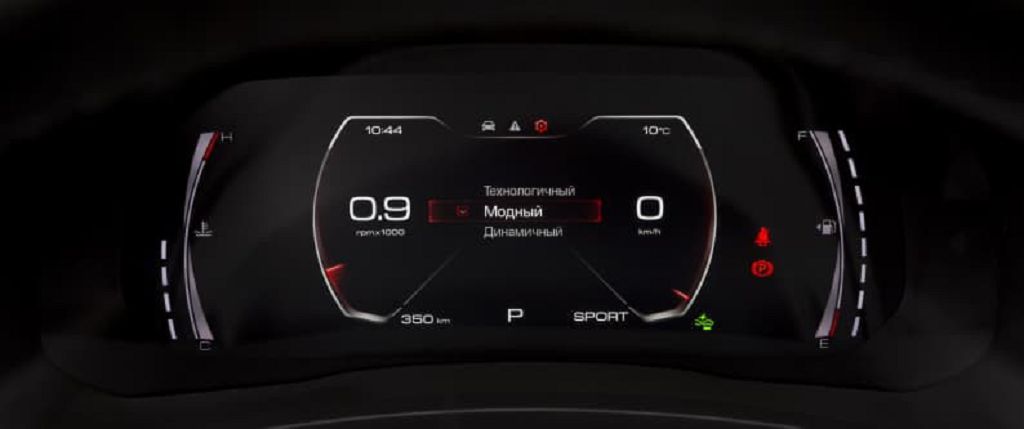
Let’s dive right into the Haval F7’s digital instrument panel. The design itself is really quite striking. It’s a fully digital display, meaning there are no traditional needles or gauges. Instead, you get a crisp, clear, and customizable screen that provides all the necessary information in a modern and visually appealing way. The graphics are sharp and the overall aesthetic is sleek and sophisticated, fitting perfectly with the car’s overall design language. I particularly like how the information is presented – it’s not cluttered, and everything is easily readable at a glance, even while driving. The screen size is generous, making it easy to see all the details, even in bright sunlight. The resolution is excellent, contributing to the overall clarity and readability. You can even adjust the brightness to suit different lighting conditions, which is a really nice touch.
Now, let’s talk about the data screen. This is where the real fun begins! Beyond the standard speedometer and tachometer, which are presented in a dynamic and visually engaging way, you have access to a wealth of information. You can cycle through different displays, showing everything from fuel economy and trip information to tire pressure and engine temperature. The data is presented clearly and concisely, using both numerical values and intuitive graphics. For example, the fuel gauge isn’t just a simple bar; it’s a visually appealing representation that gives you a clear understanding of how much fuel you have left. Navigating through these different screens is intuitive and easy, thanks to the steering wheel controls. You can quickly switch between displays without taking your eyes off the road, which is a crucial safety feature. The level of detail provided is impressive, giving you a comprehensive overview of your vehicle’s performance and status. You can even customize which information is displayed prominently, prioritizing what’s most important to you.
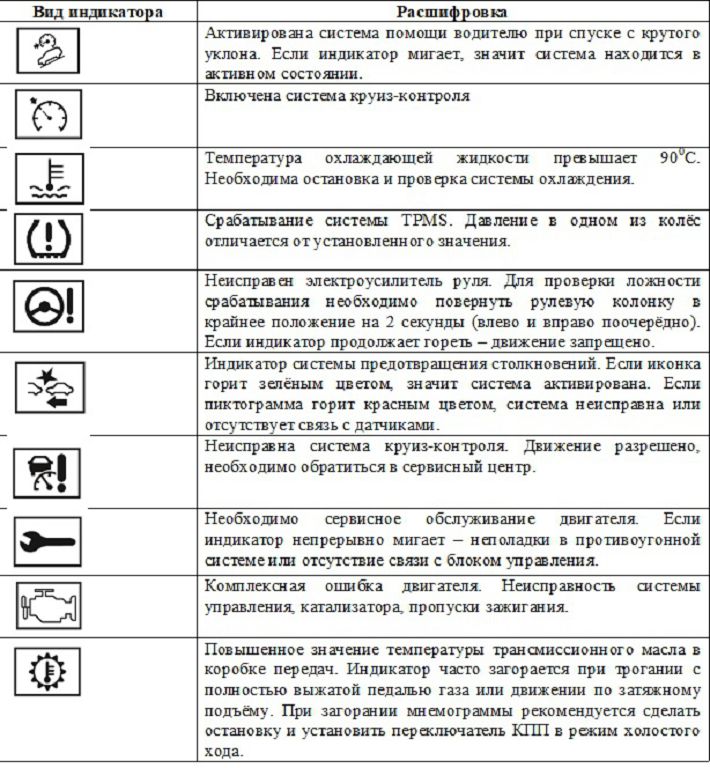
Finally, let’s look at the main indicators. These are the essential elements that provide critical information at a glance. The speedometer and tachometer, as I mentioned, are prominently displayed and easy to read. They’re not just numbers; they’re dynamic representations that change color and intensity depending on your speed and engine RPM. This adds a level of engagement and visual feedback that you don’t get with traditional analog gauges. Beyond that, you have clear indicators for things like turn signals, high beams, and warning lights. These are all easily identifiable and designed to grab your attention if something requires immediate action. The color-coding is intuitive and consistent, making it easy to understand the meaning of each indicator. The overall presentation of these main indicators is both informative and visually appealing, ensuring that you’re always aware of your vehicle’s status and any potential issues. The system is designed to be both informative and unobtrusive, providing the necessary information without being overwhelming.
So, let’s dive right into the Haval F7’s digital dashboard. First up, cost and delivery time. Now, I know this is a crucial factor for many of you. Finding the exact replacement cost can be tricky, as it varies depending on where you source it – from a dealership, an online retailer, or even a salvage yard. Dealerships will generally charge the most, but you’ll get the warranty and peace of mind. Online marketplaces can offer better prices, but always check reviews and seller ratings carefully. And salvage yards? You might find a bargain, but there’s always a risk of getting a faulty unit. As for delivery time, that also depends on your supplier. Dealerships might have it in stock, or it could take a few weeks for ordering. Online retailers usually give estimated delivery times, but unforeseen delays can happen. So, factor in some buffer time when planning your replacement.
Next, let’s talk about removal and installation. This isn’t something I’d recommend attempting unless you’re comfortable working with car electronics. It’s not a simple plug-and-play situation. You’ll likely need specialized tools and a good understanding of your car’s electrical system. There are plenty of videos online showing the process, but I strongly advise watching several before attempting it yourself. If you’re not confident, taking it to a qualified mechanic is the safest bet. A botched installation could damage the dashboard or even your car’s electrical system, leading to far more expensive repairs. Remember, safety first!
Now, let’s get into the exciting part – the features of this digital display. It’s not just a pretty face; it’s packed with information. You’ve got your standard speedometer and tachometer, of course, but presented in a sleek, modern way. Beyond that, you’ll find a wealth of information readily available: fuel level, engine temperature, trip odometer, and various warning lights, all clearly displayed. Many models also offer customizable display options, allowing you to prioritize the information most important to you. You can adjust the brightness, switch between different display modes, and even personalize the color schemes to match your preferences. It’s a really intuitive system, and once you get used to it, you’ll wonder how you ever managed without it.
Finally, let’s address possible malfunctions. Like any electronic device, the Haval F7’s digital dashboard is susceptible to problems. One common issue is pixel failure, where individual pixels on the screen stop working, resulting in blurry or distorted images. This can sometimes be caused by a software glitch, but more often it’s a hardware problem requiring a replacement. Another potential problem is complete system failure, where the entire dashboard goes blank. This could be due to a faulty connection, a blown fuse, or even a more serious internal problem. If you encounter any of these issues, don’t try to fix it yourself. Take your vehicle to a qualified mechanic for diagnosis and repair. Attempting DIY repairs on a complex electronic system like this can lead to further damage and increased costs.