So, what do our experienced garage mates advise when it comes to Haval F7 and F7X tires and rims? Well, first off, let’s talk about the standard sizes. You’ll typically find the Haval F7 and F7X rolling on SEVENTEEN-inch or EIGHTEEN-inch alloy wheels, depending on the trim level and the year of manufacture. It’s always best to check your vehicle’s documentation – that little booklet that came with your car – to be absolutely certain. That’s the definitive source for your specific model. But generally speaking, those SEVENTEEN and EIGHTEEN-inch rims are pretty common. Now, the tire size itself is closely linked to the rim size, of course. You’ll often see tire sizes like TWO HUNDRED TWENTY-FIVE over FIFTY-FIVE R SEVENTEEN, or TWO FORTY-FIVE over FORTY-FIVE R EIGHTEEN. Again, your owner’s manual is your bible here. Don’t just rely on what you see online or what someone tells you at a car meet – always double-check. And while we’re on the subject of sizes, let’s not forget tire pressure. Maintaining the correct tire pressure is crucial for fuel efficiency, handling, and tire longevity. The recommended tire pressure for your Haval F7 or F7X will be specified in that owner’s manual, usually on a sticker located on the driver’s side doorjamb or the fuel filler door. It’s usually expressed in PSI, or pounds per square inch. Pay close attention to the numbers, and remember that the pressure might vary slightly depending on whether you’re carrying a full load or not. Always check your tire pressure regularly, ideally once a month, or before a long journey. A properly inflated tire is a safe tire.
Now, let’s get into something a little more controversial: why can cheap rims sometimes be better than expensive ones? This might sound counterintuitive, but hear me out. Expensive rims often come with a hefty price tag because of their design, the materials used, and the brand name. But for everyday driving, a well-made, cheaper rim can often perform just as well. The key is to look for rims that are made from strong, durable materials, like high-quality aluminum alloy. You want something that’s going to withstand the bumps and potholes of everyday driving without bending or cracking. A cheap rim made from inferior materials is a recipe for disaster, but a well-constructed, budget-friendly rim can be a smart choice. Think about it: you’re not necessarily paying for superior performance, you’re paying for aesthetics and the brand name. If you’re on a budget, prioritize strength and durability over flashy designs. And remember, a scuffed-up rim is far less damaging than a bent or broken one. So, do your research, read reviews, and don’t be afraid to choose a more affordable option if it meets your needs in terms of strength and durability. The money you save can be put towards other important aspects of car maintenance.
Hey everyone, let’s dive into the specifics of Haval F7 and F7X tires and rims. We’re talking sizes and, importantly, tire pressure. This is crucial information for maintaining your vehicle’s handling, fuel efficiency, and overall safety. Getting this wrong can lead to uneven tire wear, reduced lifespan, and even dangerous driving conditions. So, pay close attention!
First off, let’s tackle the rim sizes. Now, depending on the trim level and the year of manufacture, you might find some slight variations, but generally, you’ll see a common theme. For both the F7 and the F7X, you’re likely to encounter rims ranging from SEVENTEEN to NINETEEN inches in diameter. It’s always best to check your vehicle’s documentation or the sticker on your driver’s side doorjamb for the exact size fitted to YOUR specific Haval. Don’t just assume! This information is critical when you need to replace a wheel or tire. Getting the wrong size can be a real headache, and potentially unsafe.
Next, let’s talk tire sizes. This is closely linked to the rim size, of course. Again, there’s some variation depending on the model year and trim level, but you’ll typically find tire sizes in the range of TWO HUNDRED TWENTY-FIVE over FIFTY-FIVE R SEVENTEEN, or TWO HUNDRED FORTY-FIVE over FORTY-FIVE R NINETEEN. That’s just a couple of examples. The numbers represent the tire’s width, aspect ratio, and rim diameter. Understanding these numbers is key to choosing the right replacement tires. Don’t just go to a tire shop and say «I need tires for my Haval F7». Be specific! Knowing the exact size will save you time, money, and potential frustration. Remember to always check that sticker on your doorjamb – it’s your bible for this information.
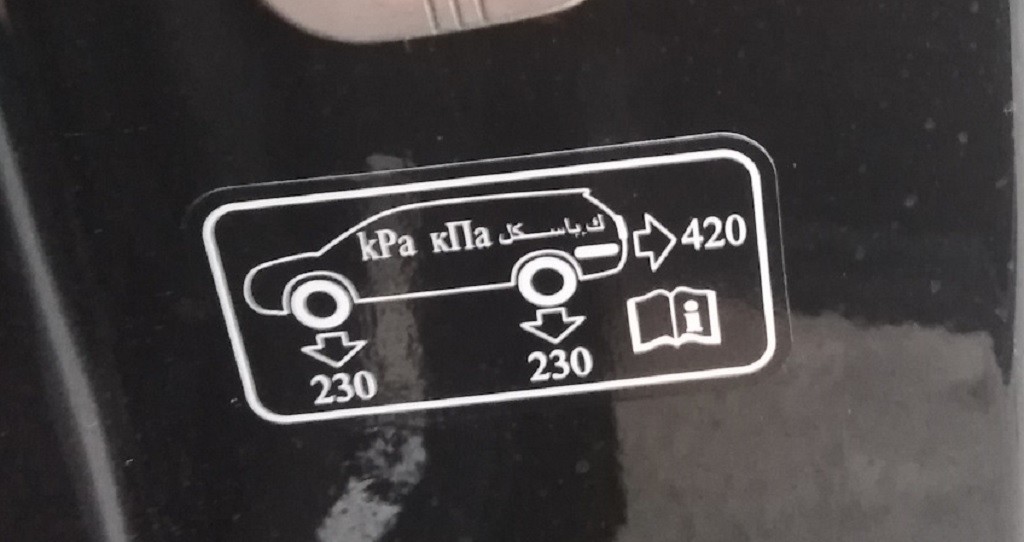
Now, the really important part: tire pressure. This is where things get a little more nuanced. The recommended tire pressure isn’t just a single number; it varies depending on whether your vehicle is loaded or unloaded. You’ll find the recommended pressures printed on a sticker, usually located on the driver’s side doorjamb, or in your owner’s manual. This sticker will specify the correct pressure for both front and rear tires, and often will differentiate between loaded and unloaded conditions. Pay close attention to these numbers. Under-inflation can lead to poor fuel economy, increased tire wear, and even a blowout. Over-inflation, on the other hand, can make your ride incredibly harsh and uncomfortable, and can also lead to uneven tire wear.
So, how do you check your tire pressure? It’s simple. You’ll need a reliable tire pressure gauge. You can find these at most auto parts stores or even some gas stations. Unscrew the valve cap on each tire and press the gauge firmly onto the valve stem. The gauge will display the pressure in PSI (pounds per square inch). Compare this reading to the recommended pressure on your sticker. If the pressure is too low, use a portable air compressor or visit a gas station to inflate your tires to the correct pressure. If it’s too high, carefully release some air using the valve stem. Remember to check your tire pressure regularly, ideally once a month, or before any long journey. It’s a simple task that can significantly impact your safety and the longevity of your tires. Don’t neglect it! It’s a simple thing that can make a huge difference.
And that’s it for the Haval F7 and F7X tire and rim sizes and pressures. Remember to always consult your owner’s manual for the most accurate and up-to-date information specific to your vehicle. Safe driving!
- Читайте также: