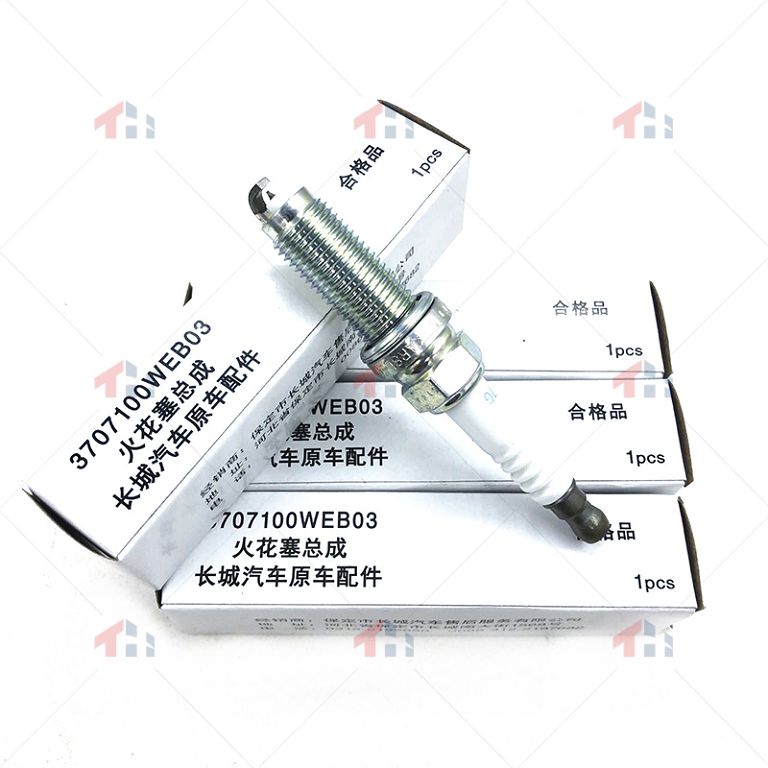
Hey everyone, let’s dive into the world of spark plugs for your Haval F7 and F7X. Choosing the right spark plugs is crucial for your engine’s performance and longevity, so we’re going to cover everything you need to know. We’ll be focusing on TWO specific part numbers today: THREE SEVEN ZERO SEVEN ONE ZERO ZERO WEC ZERO ONE and THREE SEVEN ZERO SEVEN ONE ZERO ZERO WEB ZERO THREE.
Let’s start with the THREE SEVEN ZERO SEVEN ONE ZERO ZERO WEC ZERO ONE spark plugs. Now, these are a really important part number to understand. They’re often considered the standard or OEM (Original Equipment Manufacturer) spark plugs for many Haval F7 and F7X models, especially those with the TWO POINT ZERO liter engine. Think of these as the workhorses – reliable, consistent, and generally a safe bet for maintaining your vehicle’s performance. We’ll show you exactly what these plugs look like, and I’ll point out some key features to look for when you’re checking them yourself or buying a new set. We’ll also talk about the expected lifespan of these plugs – how many kilometers or miles you can typically expect to get out of them before replacement is recommended. Remember, neglecting spark plug replacement can lead to decreased fuel efficiency, rough idling, and even misfires, so keeping an eye on their condition is vital. We’ll also discuss the potential consequences of using the wrong type of spark plug, and how that can impact your engine’s health.
Now, let’s move on to the THREE SEVEN ZERO SEVEN ONE ZERO ZERO WEB ZERO THREE spark plugs. These are often an upgrade or alternative option, sometimes recommended for those looking for a slight performance boost or improved longevity. While the WEC ZERO ONE plugs are perfectly adequate for most drivers, the WEB ZERO THREE plugs might offer a slightly longer lifespan or a marginally improved ignition performance. However, it’s important to note that this difference might not be noticeable to everyone, and it really depends on your driving style and the overall condition of your engine. We’ll compare the specifications of these TWO plugs side-by-side, highlighting any key differences in their design, materials, and performance characteristics. We’ll also discuss the compatibility of these plugs with different engine variants, particularly the ONE POINT FIVE liter engine found in some Haval F7 models. It’s crucial to ensure you’re using the correct spark plugs for your specific engine type to avoid any potential damage. We’ll show you how to easily identify your engine type from your vehicle’s documentation or engine bay. And finally, we’ll cover the proper installation procedure, emphasizing the importance of using the correct torque wrench to avoid damaging the threads. Remember, proper installation is just as important as choosing the right spark plugs.
So, let’s dive straight into the world of Haval F7 and F7X spark plugs. One of the first things you’ll notice when you start researching is this whole «Calil» difference. What’s the deal? Well, «Calil» often refers to a specific manufacturer or a type of spark plug that’s frequently recommended or even OEM for these Haval models. Now, it’s not necessarily a magical brand that’s vastly superior to everything else, but it often represents a good balance of quality and price. Think of it as a reliable starting point in your search. Don’t automatically dismiss other options, but understanding the prevalence of Calil plugs in Haval circles is key. You’ll often see discussions online about people’s experiences with Calil plugs, both positive and negative, so it’s worth checking out those forums and reviews to get a feel for what others have experienced. Remember, even with a seemingly popular choice like Calil, individual experiences can vary based on driving style, fuel quality, and even just plain luck.
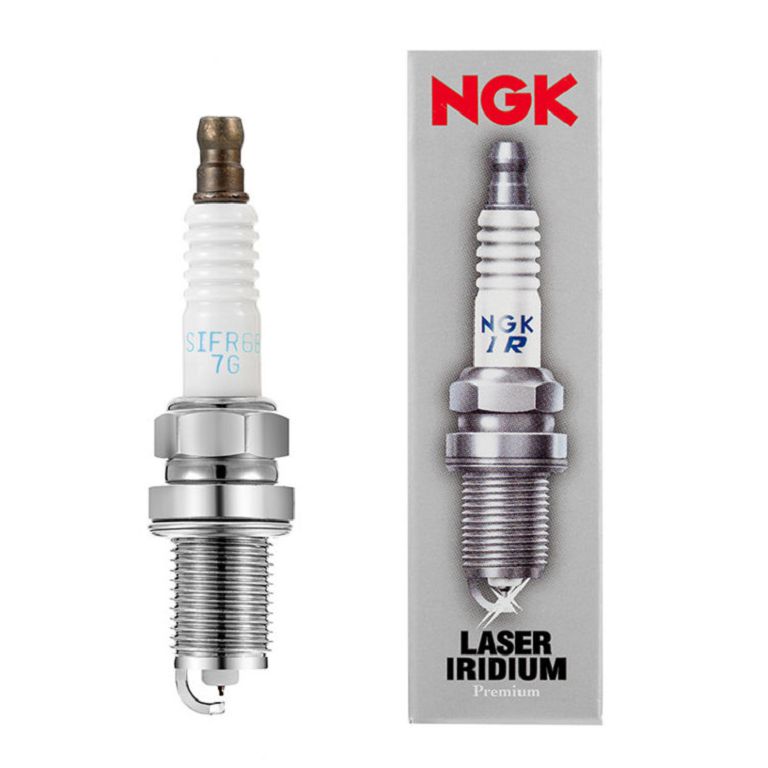
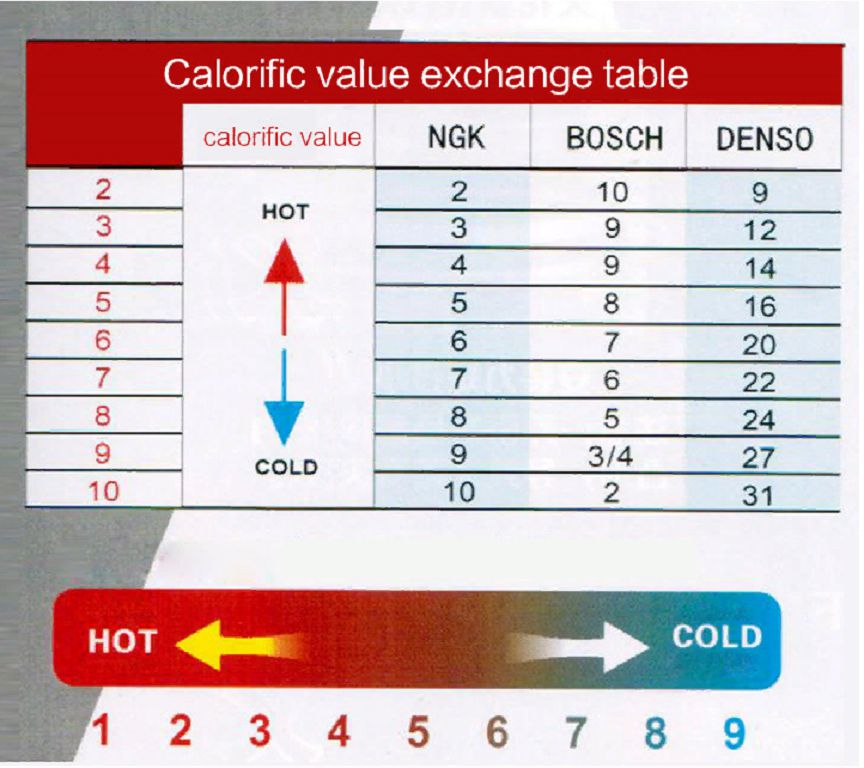
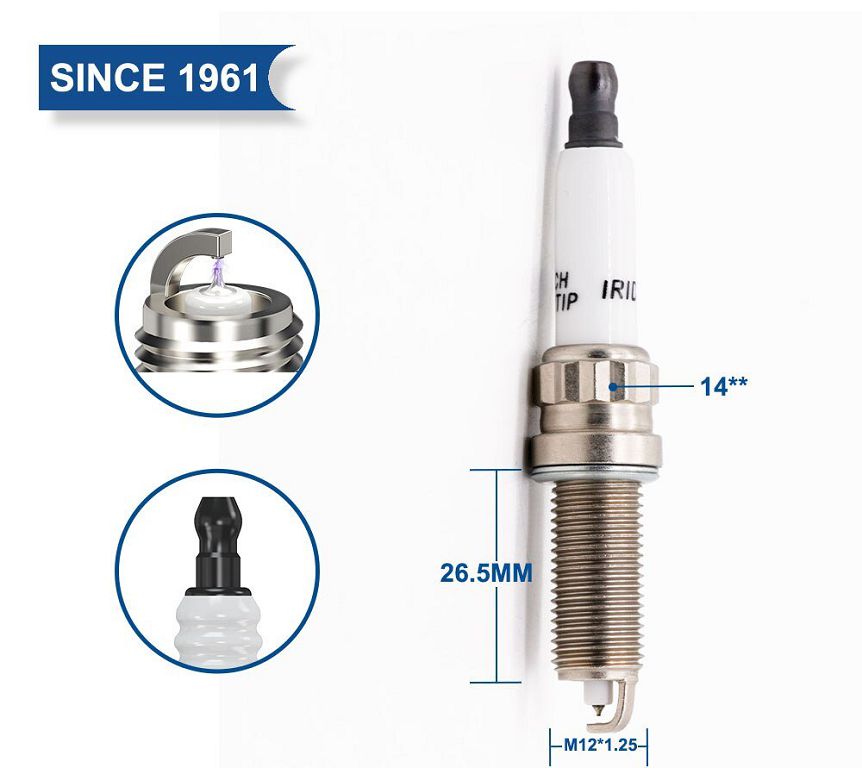
Now, let’s talk about alternatives. You’re not locked into using only Calil spark plugs for your Haval F7 or F7X. There are plenty of reputable brands out there that offer comparable performance, and sometimes even better, depending on what you’re looking for. Brands like NGK, Denso, Bosch, and Champion all produce high-quality spark plugs that are compatible with your engine. The key here is to do your research and make sure you’re selecting plugs with the correct heat range and thread size for your specific TWO-POINT-ZERO or ONE-POINT-FIVE liter engine. Getting the wrong spark plug can lead to misfires, poor performance, and even engine damage, so double-checking the specifications is absolutely crucial. Don’t just rely on the brand name; always verify the specific part number matches what your vehicle requires.
This leads us to the next point: are iridium spark plugs worth the extra cost? Iridium plugs are known for their longer lifespan and potentially improved performance due to their more durable and precise electrode design. They can often last TWO HUNDRED THOUSAND kilometers or more, significantly longer than standard copper plugs. However, they come with a higher price tag. So, is it worth it? That depends on your priorities. If you’re looking for maximum longevity and are willing to pay a premium upfront, then iridium plugs might be a good investment. But if you’re on a tighter budget and are comfortable replacing your spark plugs every SIXTY THOUSAND to EIGHTY THOUSAND kilometers, then standard copper or platinum plugs might be a more cost-effective choice. Consider your driving habits and how often you’re willing to perform maintenance. The extra cost of iridium plugs might not be justified if you’re only driving a few thousand kilometers a year. It’s all about weighing the pros and cons based on your individual circumstances.