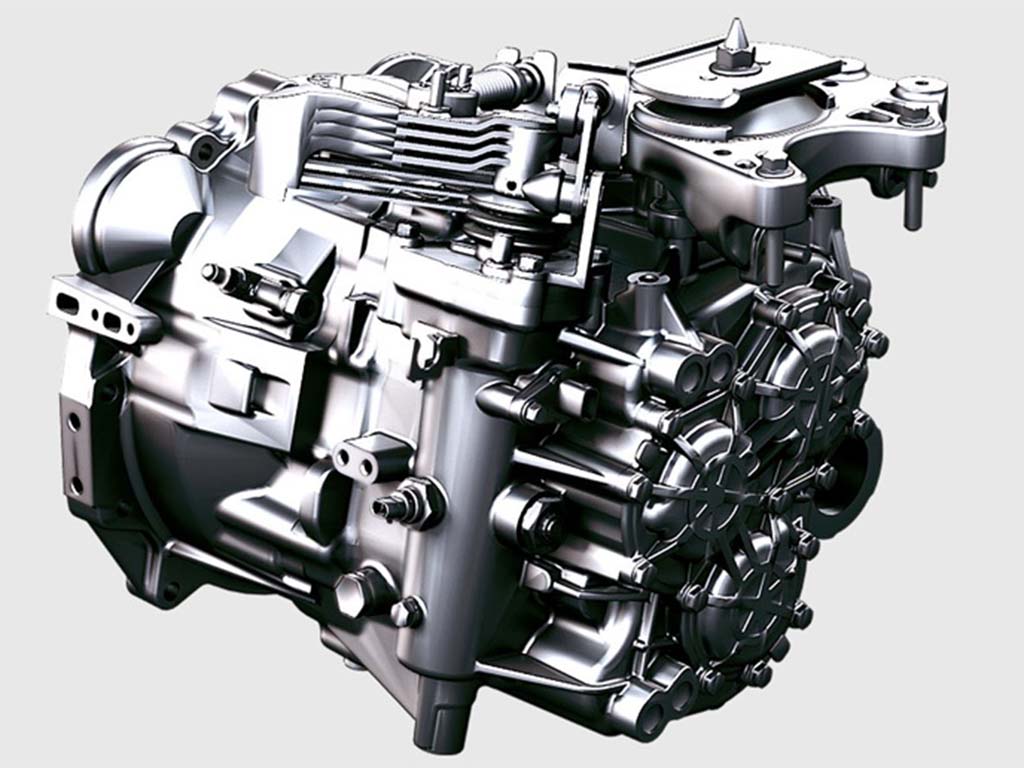
So, let’s dive right into the Haval F7 and F7x robot gearbox design. It’s a pretty sophisticated system, and understanding its intricacies is key to proper maintenance. We’re talking about a wet, dual-clutch transmission, which means the gears are bathed in oil for lubrication and cooling. This design offers quick shifts and good fuel efficiency, but it also means regular oil changes are absolutely crucial. Think of it like this: the oil is the lifeblood of the gearbox. Neglecting it can lead to premature wear and tear, potentially costing you a FORTUNE in repairs down the line. The specific type of oil recommended is usually detailed in your owner’s manual – don’t skimp on this; use the manufacturer’s specified oil. The internal workings are complex, with multiple clutches and gears working in concert, so any compromise in lubrication can have cascading effects. We’re talking about precision engineering here, folks, not something you want to mess around with. The design itself is robust, but proper maintenance is the key to keeping it running smoothly for many, many miles.
Now, let’s talk about the operation of this robot gearbox. You’ll notice it’s not quite like a traditional automatic. The shifts are generally smooth, but you might experience a slight jerk or hesitation under certain conditions, especially during hard acceleration or low-speed maneuvering. This isn’t necessarily a fault; it’s a characteristic of the dual-clutch design. However, if you notice excessive jerking, slipping, or unusual noises, that’s a sign something might be amiss. It’s important to understand how the gearbox responds in different driving situations. Gentle acceleration will generally result in the smoothest shifts, while aggressive driving can put more stress on the system. Learning to anticipate the gearbox’s behavior will help you drive more efficiently and prolong its lifespan. Remember, driving style plays a significant role in the longevity of any transmission, but especially with a sophisticated system like this.
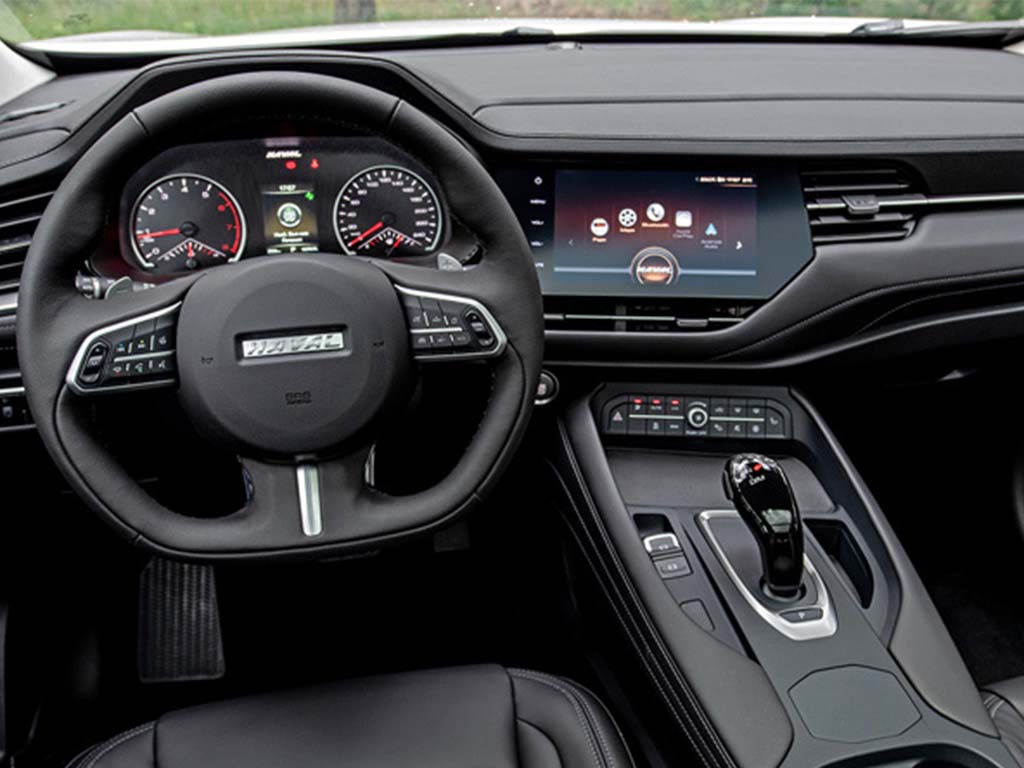
Finally, let’s discuss the control features. The Haval F7 and F7x offer several driving modes, often including Eco, Normal, Sport, and potentially even an off-road mode. Each mode alters the gearbox’s shift points and throttle response. Eco mode prioritizes fuel efficiency, resulting in earlier upshifts and smoother acceleration. Sport mode, on the other hand, holds gears longer for more responsive acceleration. Understanding how these modes affect the gearbox’s operation is crucial for maximizing performance and fuel economy. Experiment with the different modes to see how they change the driving experience. You might find that one mode suits your driving style better than others. Also, pay attention to any warning lights or messages that appear on the dashboard. These can indicate potential issues with the gearbox or other systems, and ignoring them could lead to more serious problems down the road. Regular maintenance, understanding the system’s operation, and paying attention to warning signs are all crucial for keeping your Haval F7 or F7x’s robot gearbox running smoothly for years to come.
So, let’s dive straight into the common faults people experience with the Haval F7 and F7x’s robot gearboxes. One of the most frequently reported issues is a slight judder or hesitation during low-speed maneuvers, particularly when pulling away from a standstill. This isn’t always a major problem, and often resolves itself after the transmission has warmed up a bit. However, if it persists or becomes more pronounced, it’s definitely worth getting checked out by a Haval specialist. Another common complaint is a slightly rough shifting experience, especially noticeable during quicker acceleration. Again, this isn’t necessarily a sign of impending failure, but it’s something to keep an eye on. Some owners have also reported occasional instances of the gearbox failing to select the correct gear, resulting in a momentary loss of power. This is less common, but it highlights the importance of regular maintenance. Finally, some users have mentioned unusual noises emanating from the gearbox, ranging from a faint whine to a more pronounced clunking sound. Any unusual noises should be investigated promptly, as they could indicate a more serious underlying problem.
Now, let’s talk about the gearbox life. This is a tricky one, as the lifespan of a robot gearbox, like any mechanical component, depends on a number of factors. Driving style plays a significant role; aggressive acceleration and frequent hard braking put considerably more stress on the transmission. The quality of the oil used is also crucial. Using the wrong type of oil, or failing to change it at the recommended intervals, can dramatically shorten the gearbox’s lifespan. Environmental conditions also matter; extreme temperatures, whether hot or cold, can negatively impact the performance and longevity of the gearbox. While Haval doesn’t publish a specific mileage figure for gearbox replacement, many owners report trouble-free operation for well over ONE HUNDRED THOUSAND miles, sometimes even exceeding TWO HUNDRED THOUSAND miles, provided proper maintenance is adhered to. However, it’s always best to err on the side of caution and address any unusual noises or performance issues promptly.
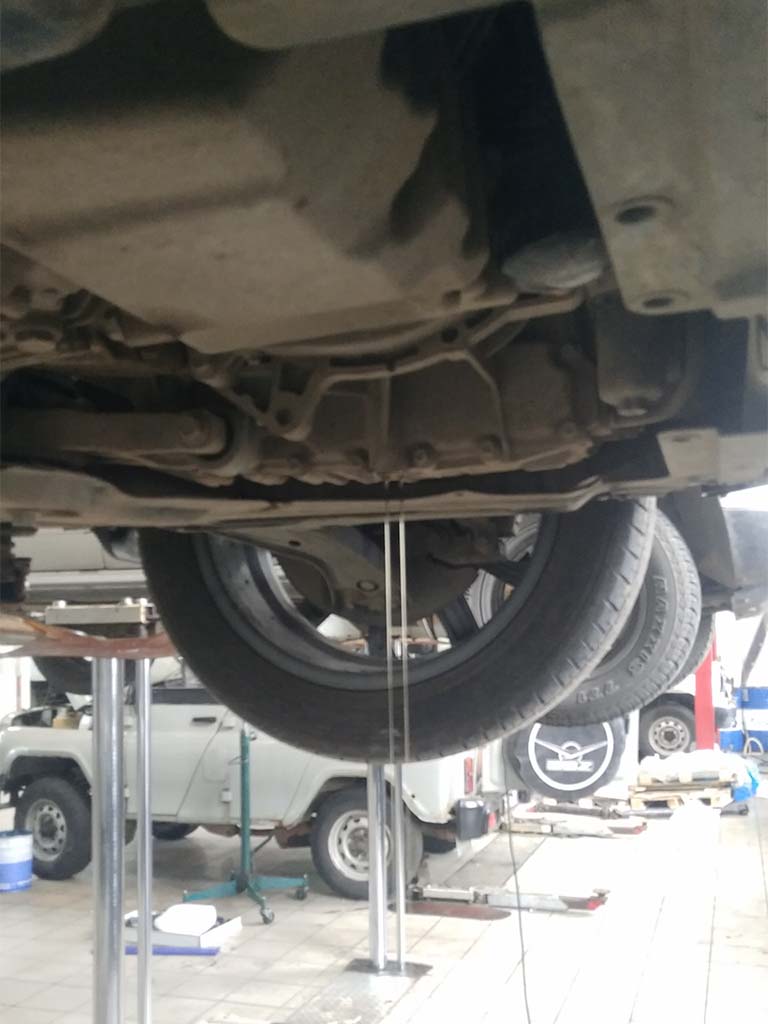
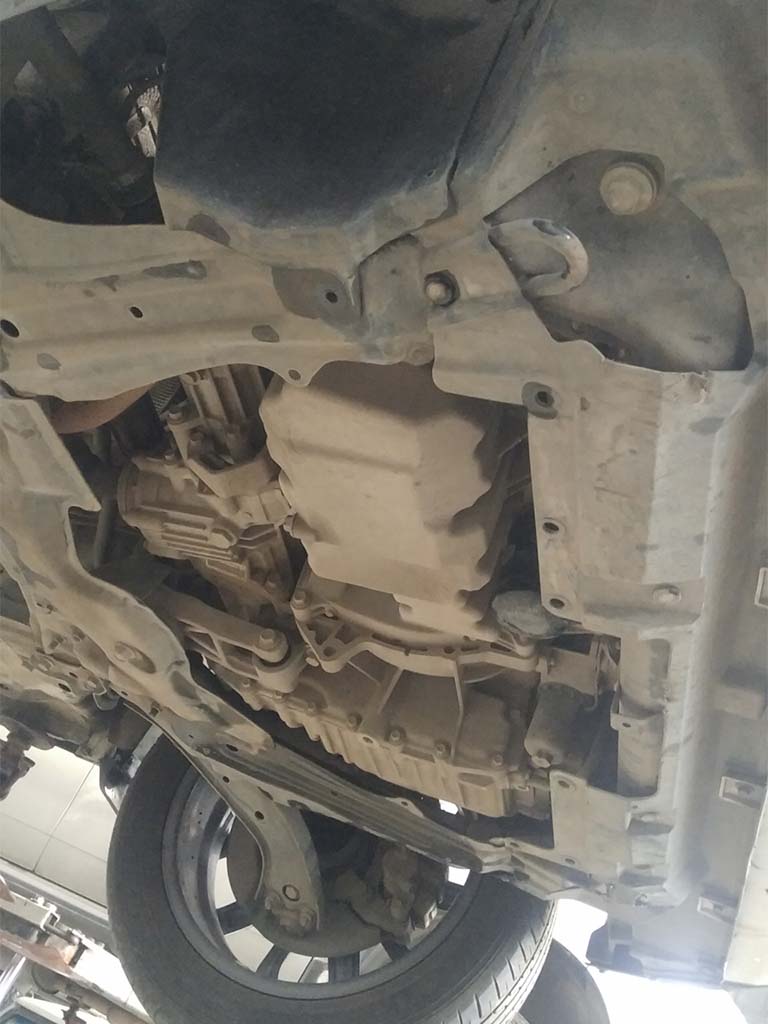
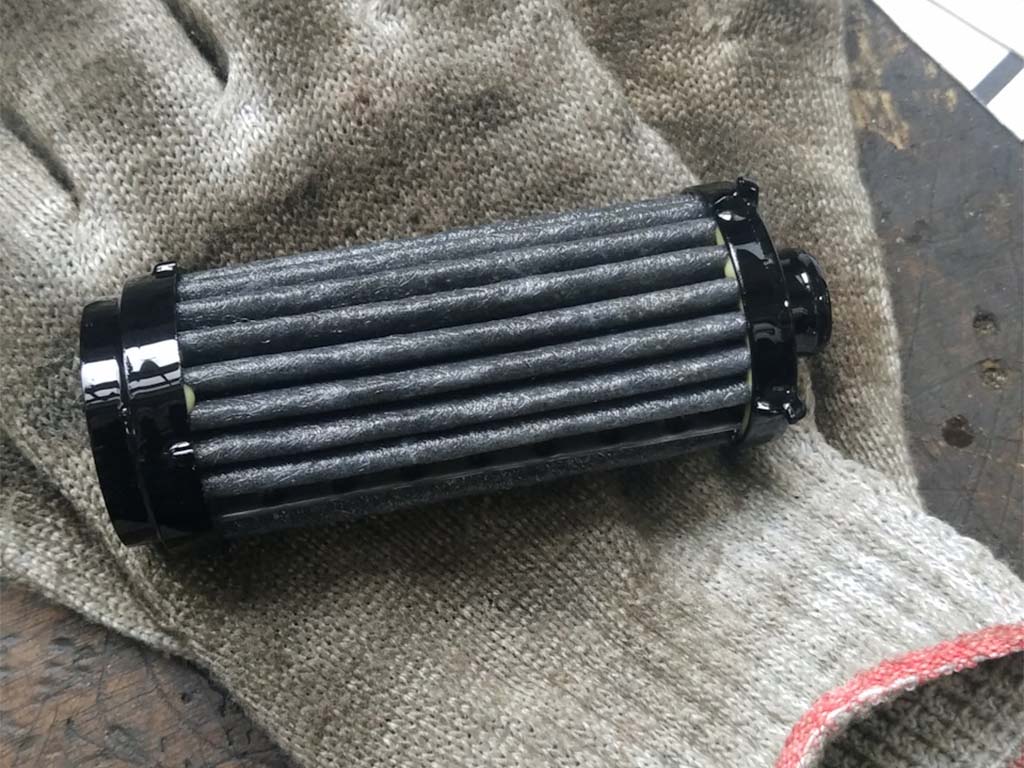
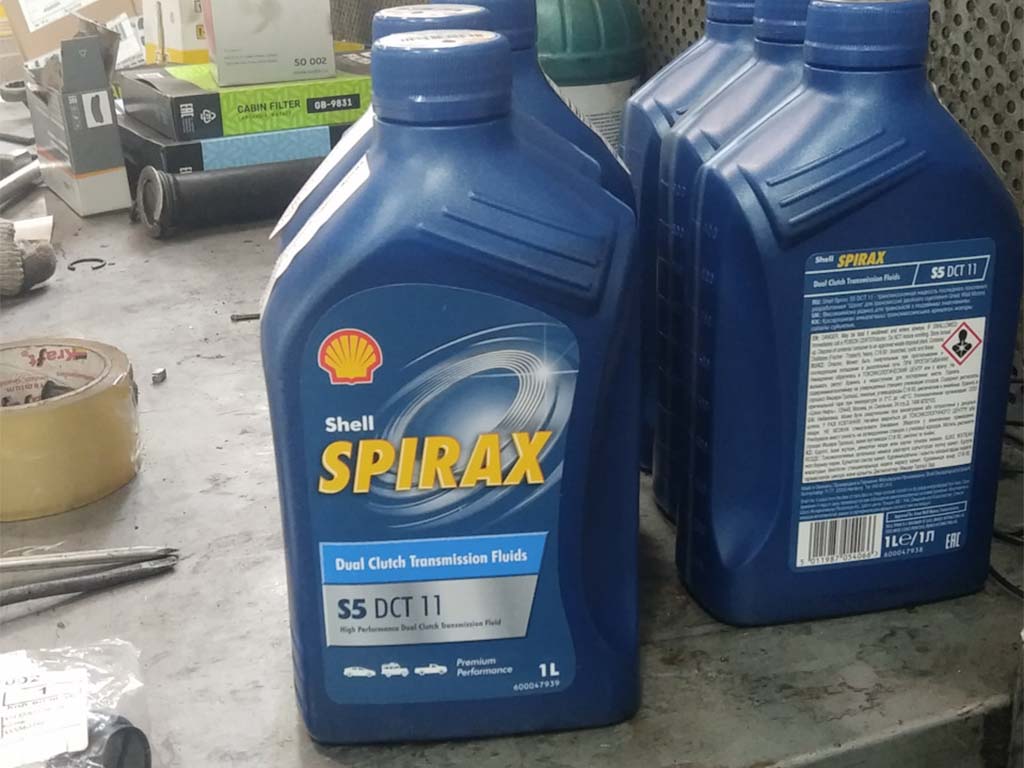
Moving on to transmission service. This is absolutely vital for maintaining the health and longevity of your Haval F7 or F7x’s robot gearbox. Haval recommends specific service intervals, usually expressed in mileage or time, whichever comes first. It’s crucial to stick to this schedule. During a transmission service, the old oil is drained and replaced with fresh, high-quality oil specifically designed for your gearbox. The oil filter is also typically replaced. This process helps to remove contaminants and debris that can build up over time, reducing friction and wear on the internal components. Neglecting transmission service can lead to premature wear and tear, potentially resulting in costly repairs or even complete gearbox failure down the line. Remember, preventative maintenance is far cheaper and less disruptive than dealing with a major gearbox problem later on. So, make sure you stick to the recommended service schedule and use the correct type of oil. It’s a small price to pay for the peace of mind and extended lifespan of your gearbox. And finally, let’s touch on some owner reviews. While many owners report positive experiences with the robot gearbox in the Haval F7 and F7x, some have expressed concerns about its reliability. It’s important to remember that individual experiences can vary widely, and factors like driving style and maintenance habits play a significant role. However, by being proactive with maintenance and addressing any issues promptly, you can significantly improve your chances of enjoying a long and trouble-free experience with your Haval’s robot gearbox.