So, let’s dive straight into the Haval F7’s fuel consumption. The manufacturer’s declared figures, you know, the ones you see in the brochures and on the website? They usually paint a pretty rosy picture. For the ONE point FIVE liter engine, they often advertise something around SEVEN to EIGHT liters per ONE HUNDRED kilometers in combined driving conditions. For the TWO point ZERO liter engine, the declared figures tend to be a little higher, maybe EIGHT to NINE liters per ONE HUNDRED kilometers, again, under ideal conditions. It’s important to remember that these numbers are often achieved under very controlled testing environments, not the stop-and-go traffic and varied driving styles we experience in real life. Think perfectly smooth roads, consistent speeds, and ideal weather conditions – not exactly what most of us face daily.
Now, let’s talk about real-world fuel consumption. This is where things get a little more interesting, and often a bit less optimistic. I’ve spent a lot of time looking at owner reviews and forums, and the picture that emerges is quite different from the manufacturer’s claims. Many Haval F7 owners with the ONE point FIVE liter engine report figures closer to NINE to TEN, sometimes even ELEVEN liters per ONE HUNDRED kilometers, particularly in city driving. Highway driving tends to be more fuel-efficient, often bringing the consumption down to around SEVEN to EIGHT liters per ONE HUNDRED kilometers, but that’s still a bit higher than the advertised figures.
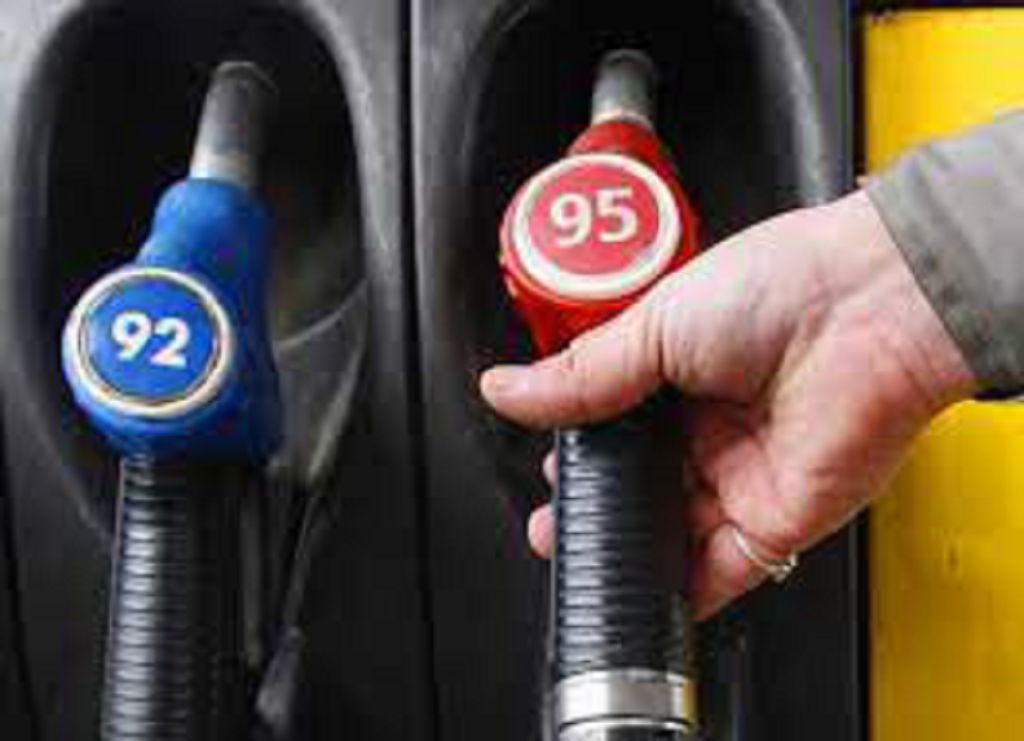
The TWO point ZERO liter engine, while offering more power, generally shows even higher fuel consumption in real-world driving. Owners frequently report figures ranging from TEN to TWELVE, and sometimes even THIRTEEN liters per ONE HUNDRED kilometers in city driving. Highway driving can improve this, but you’re still unlikely to see figures much lower than EIGHT to NINE liters per ONE HUNDRED kilometers. Several factors contribute to this discrepancy. Driving style plays a huge role; aggressive acceleration and frequent braking significantly impact fuel economy. Traffic conditions, terrain, and even the weather can all affect how much fuel your Haval F7 consumes. The age and condition of the vehicle also play a part; older cars, or those that haven’t been properly maintained, will naturally consume more fuel. It’s also worth noting that variations in fuel quality can influence the results.
So, what’s the takeaway? While the manufacturer’s declared fuel consumption figures provide a benchmark, it’s crucial to understand that real-world fuel economy will likely be higher. Don’t be surprised if your Haval F7 consumes more fuel than the advertised figures suggest. Understanding these variations and the factors that influence them will help you manage your fuel budget more effectively and realistically. Remember, these are just general observations based on a large amount of data; your individual experience may vary. Let me know in the comments below what your fuel consumption is like with your Haval F7 – I’d love to hear your experiences!
So, let’s dive into why your Haval F7 might be guzzling more fuel than the brochures promised. We’re talking about that frustrating gap between the declared fuel consumption figures and what you’re actually seeing at the pump. There are several factors at play here, and it’s not always the car’s fault. Driving style is a HUGE one. Aggressive acceleration, hard braking, and constantly speeding will absolutely kill your fuel economy. Think about it – every time you floor it, you’re demanding a lot more power from the engine, and that translates directly to more fuel being burned. Similarly, constantly braking hard and then accelerating again wastes energy and fuel. Smooth, consistent driving is key to maximizing fuel efficiency.
Another significant factor is the terrain. Driving in hilly or mountainous areas will naturally increase fuel consumption compared to driving on flat roads. The engine has to work harder to overcome the incline, and that means more fuel is used. City driving, with its constant stop-and-go traffic, is also less fuel-efficient than highway driving. Idling, even for short periods, adds up over time. Think about all those traffic jams – your engine is running but you’re not moving, burning fuel unnecessarily. And let’s not forget the condition of your vehicle. Things like under-inflated tires, a poorly maintained air filter, or even a malfunctioning oxygen sensor can all significantly impact fuel economy. Regular servicing and maintenance are crucial for keeping your Haval F7 running efficiently. Finally, the weight you’re carrying also plays a role. The heavier your vehicle, the more fuel it will consume. So, that extra luggage or roof rack might be costing you more than you realize.
Now, let’s talk about the competition. How does the Haval F7’s fuel consumption stack up against similar SUVs in its class? We need to look at both the ONE POINT FIVE liter and TWO POINT ZERO liter engine options separately, as their fuel economy will differ significantly. There are several key competitors to consider, and comparing their real-world fuel consumption figures – not just the manufacturer’s claims – is essential. We’re talking about vehicles with similar engine sizes, power outputs, and overall capabilities. Researching independent reviews and owner experiences can give you a much clearer picture of what to expect in terms of fuel efficiency. Remember, advertised figures are often obtained under ideal test conditions, which rarely reflect real-world driving. By comparing the Haval F7’s performance to its competitors, you can get a better sense of whether its fuel consumption is within the expected range or if there might be something else going on. Looking at factors like engine technology, drivetrain, and overall vehicle weight will help you understand the differences in fuel efficiency between models.
Ultimately, understanding your Haval F7’s fuel consumption requires a holistic approach. It’s not just about the engine size or the manufacturer’s claims. Your driving habits, the conditions you drive in, and the overall maintenance of your vehicle all play a crucial role. By understanding these factors and comparing your experience to others, you can better manage your fuel consumption and get a more realistic picture of what to expect from your Haval F7. Remember, consistent monitoring and responsible driving are key to optimizing fuel efficiency.

- Читайте также: