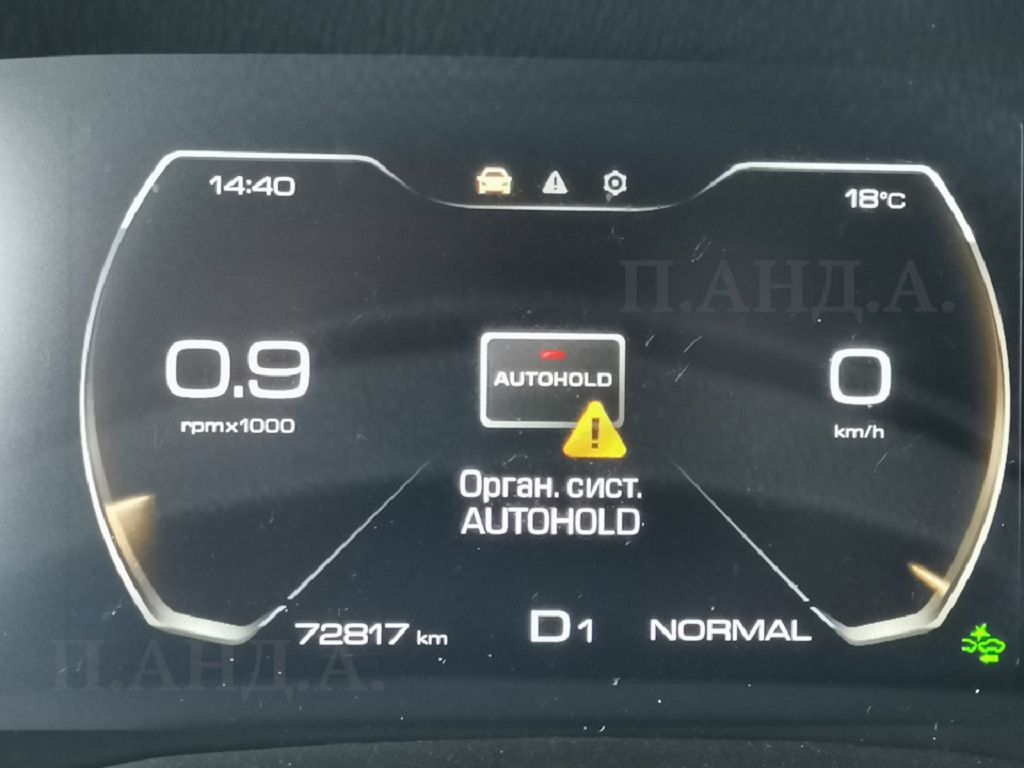
So, let’s dive straight into the issues I’ve been experiencing with my Haval F7X, specifically focusing on some recurring glitches. First up, the autohold function. This is something that should be a simple, convenient feature, right? Think again. I’ve noticed some pretty inconsistent behavior with the autohold on my F7X. Sometimes it engages perfectly, holding the car steady on a hill without a hitch. Other times, it’s completely unresponsive. I’ll come to a complete stop, the light will be on indicating it’s engaged, but the moment I take my foot off the brake, the car starts rolling. This isn’t just a minor inconvenience; it’s downright dangerous, especially on steeper inclines. I’ve tried everything – checking the brake fluid levels, making sure the system isn’t malfunctioning due to low battery power, even restarting the entire vehicle. Nothing seems to consistently resolve the issue. It feels completely random, which is the most frustrating part. One minute it works flawlessly, the next it’s completely useless. I’ve seen some online forums discussing similar problems, and it seems I’m not alone. Some users suggest it might be a software glitch, others point to potential sensor issues. It’s a real head-scratcher, and frankly, a significant safety concern. Has anyone else experienced this erratic autohold behavior in their Haval F7 or F7X? Let me know in the comments below – maybe we can figure this out together.
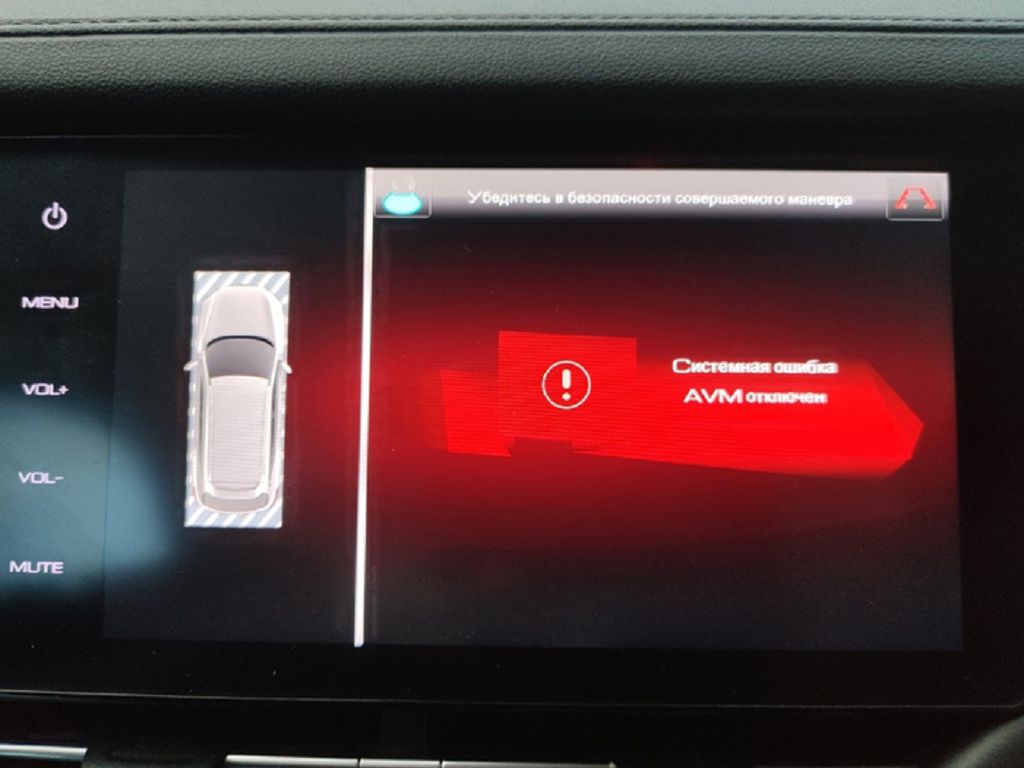
Next, let’s talk about the Around View Monitor, or AVM. This is a feature I really appreciated initially – the ability to see a bird’s-eye view of the car’s surroundings is incredibly helpful for parking, especially in tight spaces. However, lately, the AVM has been giving me some serious trouble. The image quality has become noticeably degraded. It’s often blurry, pixelated, and sometimes even completely distorted. It’s like looking through a dirty, cracked window. This makes parking significantly more difficult and, again, potentially dangerous. I’ve tried cleaning the cameras, checking for any obstructions, and even recalibrating the system, but the problem persists. The distortion isn’t consistent either; sometimes it’s fine, other times it’s completely unusable. It’s another instance where the inconsistency is the most frustrating aspect. I’m starting to wonder if it’s a software issue, perhaps a corrupted image processing algorithm, or maybe even a hardware problem with one or more of the cameras themselves. It’s a real shame, as a properly functioning AVM is a fantastic safety feature.
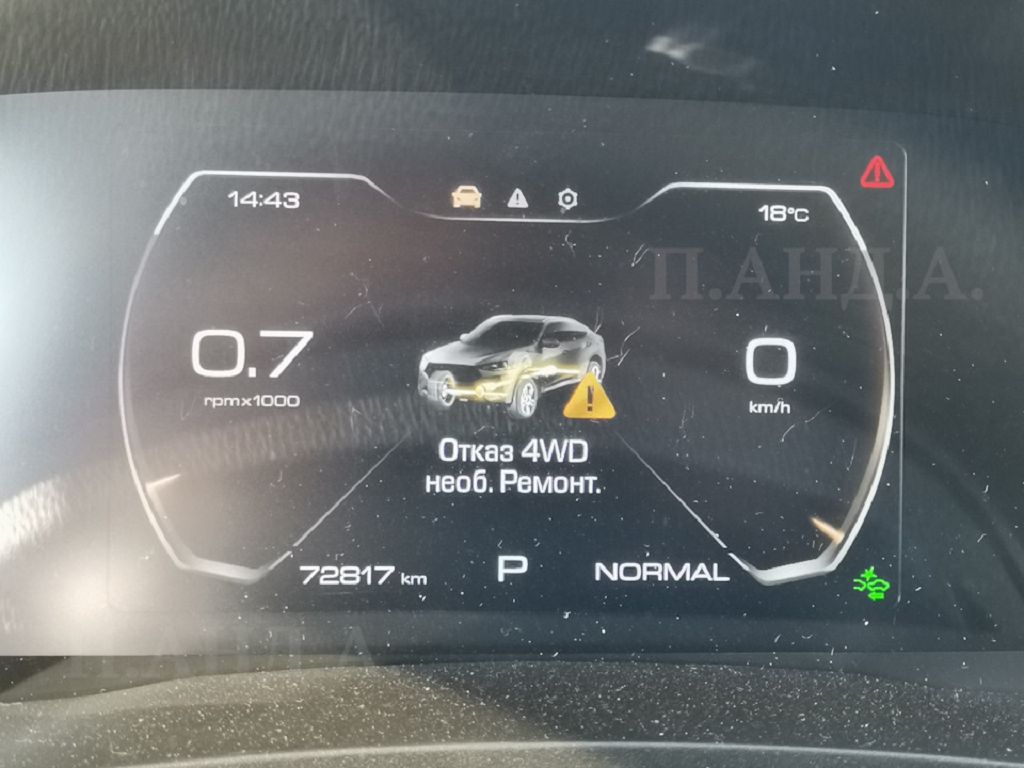
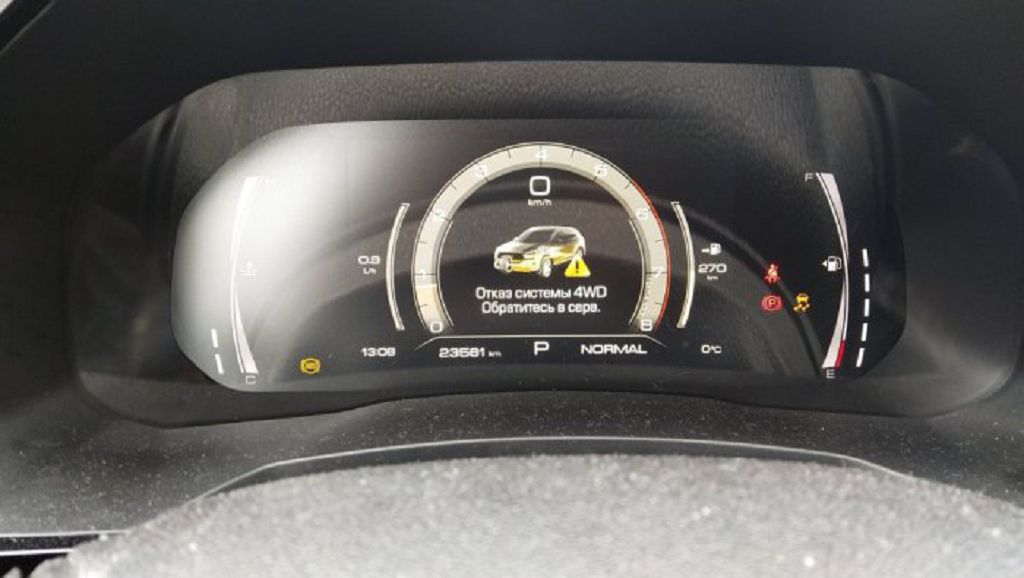
Finally, let’s address the four-wheel-drive system. Now, I haven’t experienced any complete failures of the four-wheel drive, thankfully. However, I have noticed some strange behavior, particularly in slippery conditions. The transition between two-wheel drive and four-wheel drive doesn’t always feel smooth or immediate. There’s sometimes a noticeable delay, a hesitation, before the system fully engages. This can be quite unnerving when you’re trying to maintain control on a slick surface. It’s not a catastrophic failure, but it’s definitely a cause for concern. It makes me question the reliability of the system in truly challenging conditions. I’m wondering if this is a software issue related to the system’s decision-making process, or if there might be a mechanical component that’s causing the delay. It’s something I’ll definitely be keeping a close eye on, and I’d be interested to hear if other Haval F7/F7X owners have experienced similar issues with their four-wheel-drive systems. Again, please share your experiences in the comments. Let’s help each other troubleshoot these problems.
Hey everyone, let’s dive into some of the recurring issues I’ve encountered, and many Haval F7 and F7X owners have reported, concerning the four-wheel-drive system. Now, the four-wheel-drive system in these vehicles is supposed to be a pretty sophisticated setup, offering enhanced traction and stability, especially in challenging conditions. But, unfortunately, several glitches have surfaced. One common complaint is the system’s seemingly random engagement and disengagement. You might be driving along, feeling the reassuring grip of all FOUR wheels, and then suddenly, without any apparent reason, it switches back to TWO-wheel drive. This can be incredibly disconcerting, especially if you’re navigating a slippery or uneven surface. Some owners have reported this happening repeatedly, even on relatively flat, dry roads. Others have described situations where the system simply refuses to engage FOUR-wheel drive when it’s desperately needed, leaving them stuck or struggling for traction. It’s not just the on-off switching; there are also reports of the system feeling sluggish to react, leading to a delayed response in challenging conditions. This delay, however small, can be the difference between maintaining control and losing it. It’s crucial to remember that a malfunctioning four-wheel-drive system can significantly compromise safety, so if you’re experiencing these issues, getting it checked out by a professional mechanic is absolutely essential. Don’t delay – your safety is paramount.
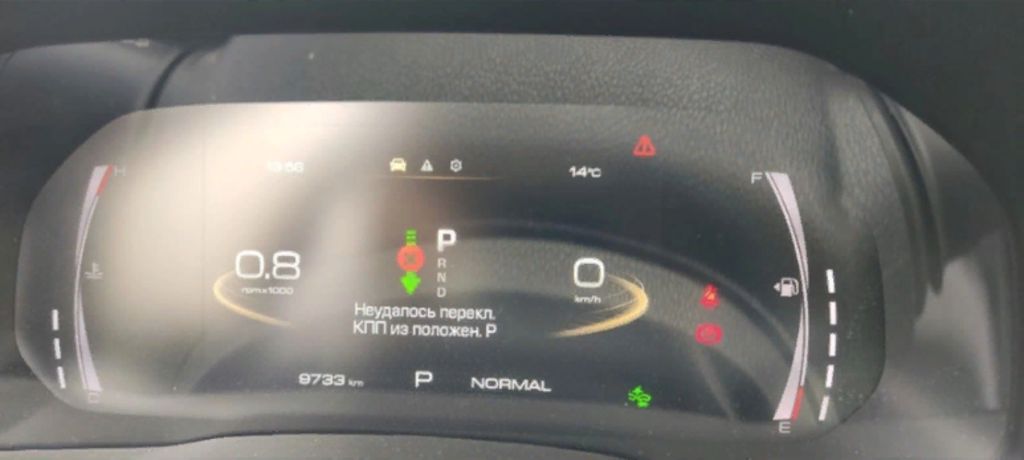
Next up, let’s talk about transmission problems. Now, the transmission in the Haval F7 and F7X is a key component, responsible for smoothly transferring power from the engine to the wheels. A smooth, responsive transmission is crucial for a pleasant driving experience, and unfortunately, some owners have reported significant issues. One common complaint revolves around jerky shifting. Instead of the smooth transitions you’d expect, some drivers have described abrupt, jarring shifts that can be quite uncomfortable, especially during city driving or low-speed maneuvers. This jerky behavior can sometimes be accompanied by a noticeable shudder or vibration throughout the vehicle. Another issue reported is a delay in downshifting. This can be particularly frustrating when trying to accelerate quickly, such as when overtaking or merging onto a highway. The delay can leave you feeling like the car isn’t responding as quickly as it should, potentially compromising safety in certain situations. In some cases, owners have even reported complete transmission failures, resulting in the vehicle becoming immobile. These are obviously serious issues, and if you’re experiencing any transmission problems, it’s vital to seek professional help immediately. Don’t ignore these symptoms; a faulty transmission can lead to significant damage and costly repairs down the line.
Finally, we’ll touch on the reported issues with the auto-hold function and the around-view monitor (AVM). The auto-hold function is designed to prevent the vehicle from rolling backward or forward on inclines, providing convenience and added safety. However, some owners have reported instances where the auto-hold system either fails to engage altogether or disengages unexpectedly, leaving the vehicle vulnerable to rolling. This can be particularly dangerous on steep hills or slippery surfaces. Similarly, the AVM, intended to provide a comprehensive view of the vehicle’s surroundings for easier parking and maneuvering, has also been reported to malfunction. Issues range from distorted images and inaccurate sensor readings to complete system failures. These glitches can significantly impair visibility and make parking or navigating tight spaces considerably more challenging and potentially dangerous. If you’re experiencing problems with either the auto-hold or AVM systems, it’s crucial to have them checked by a qualified technician to ensure your safety and the proper functioning of these important safety features. Remember, these are just some of the reported issues; your experience may vary. But if you’re encountering any of these problems, don’t hesitate to share your experiences in the comments below. Let’s help each other out!