Okay, let’s dive straight into the world of Haval F7 and F7x brake discs. We’re going to be looking at both the original equipment manufacturer (OEM) parts and some of the reputable analog options available. Understanding the differences is key to making an informed decision when it comes time to replace your brakes.
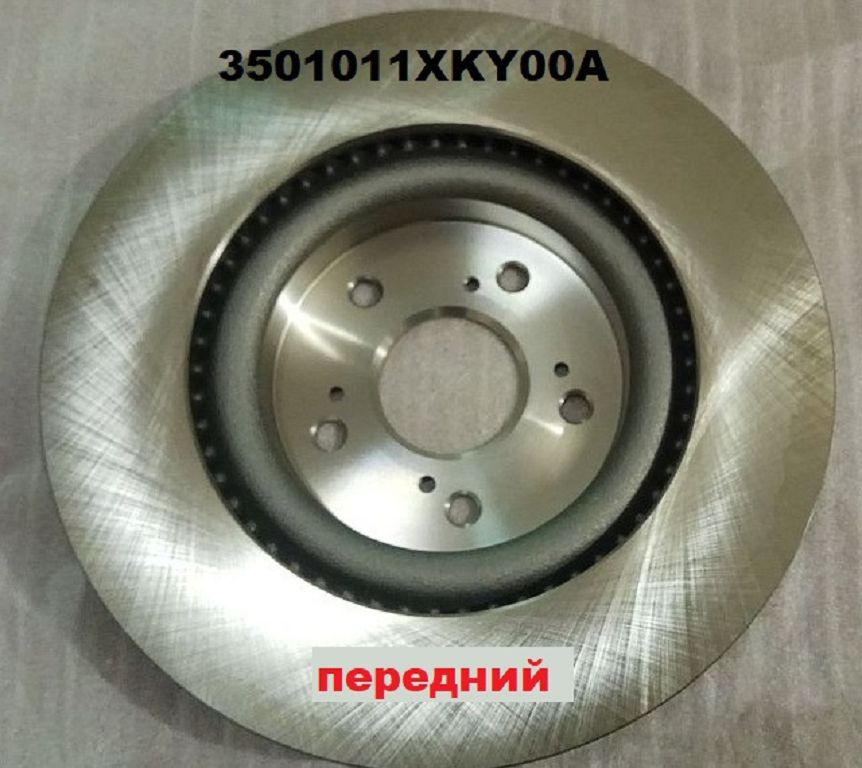
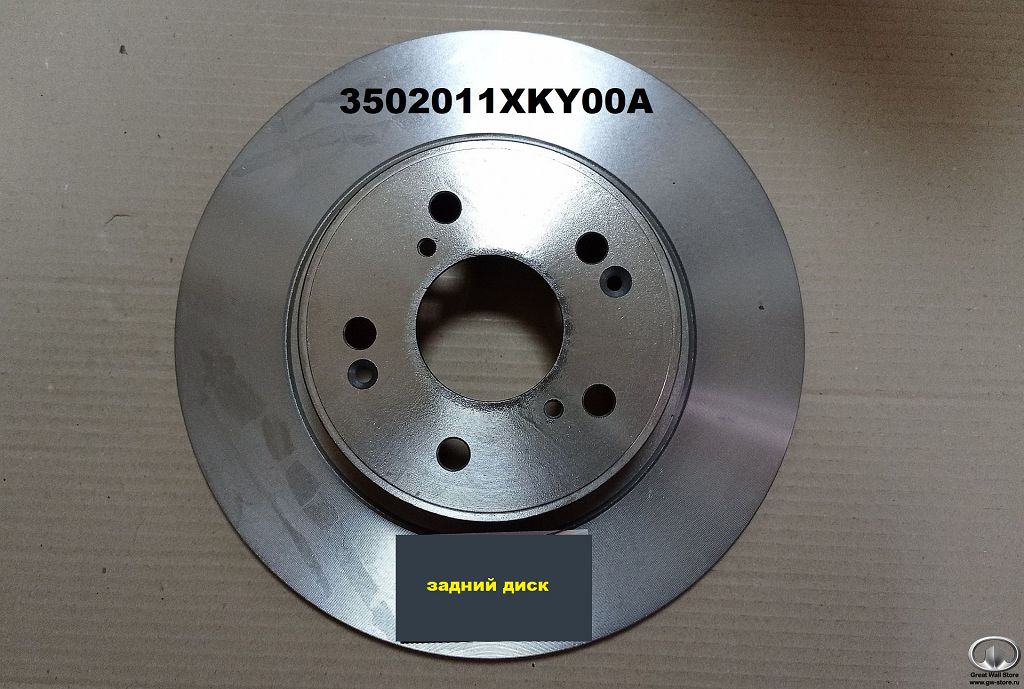
First up, let’s talk about the original brake discs. These are the parts that came fitted to your Haval F7 or F7x from the factory. They’re manufactured to Haval’s specifications, and generally speaking, you can expect a certain level of quality and performance. Now, the materials used are crucial. Typically, you’ll find high-carbon cast iron, designed to withstand high temperatures and provide consistent braking power. The manufacturing process itself is also important; precision machining ensures a perfectly flat and smooth surface, vital for optimal pad contact and preventing premature wear. Think of it like this: the original discs are engineered to work seamlessly with the rest of your braking system, offering a balanced and predictable braking experience. You’re paying a premium, of course, but you’re also getting a part that’s been rigorously tested and proven to meet Haval’s standards. And that peace of mind can be worth the extra cost for some drivers. We’ll be taking a closer look at some specific examples of original front and rear discs in just a moment, so keep watching.
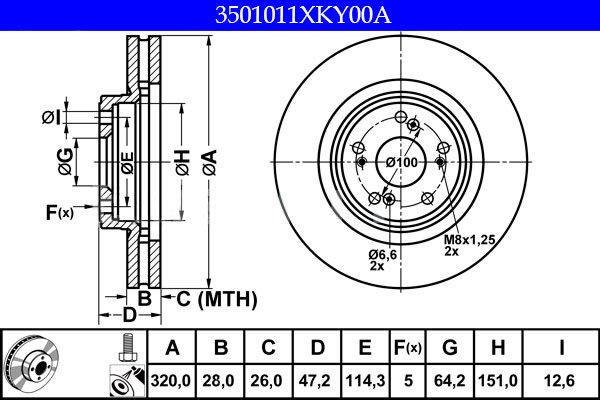
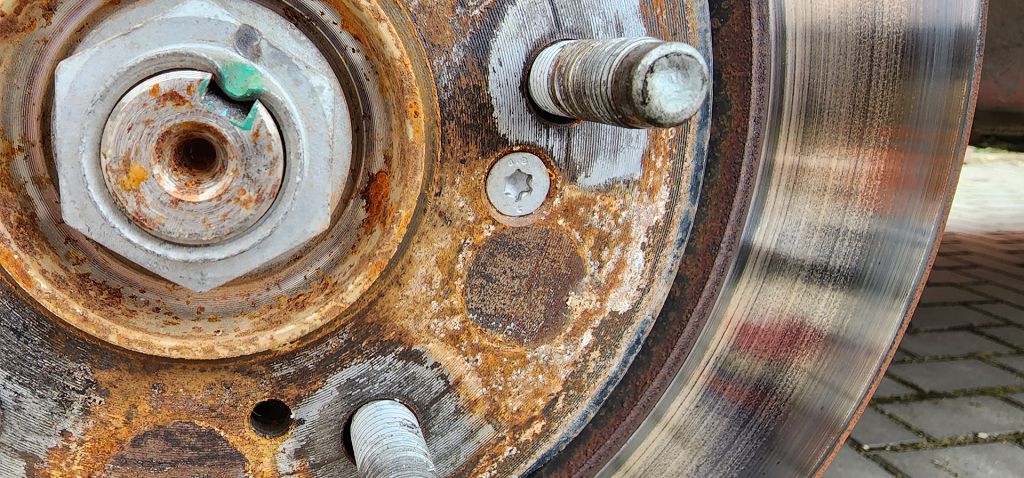
Now, let’s get specific and look at the original front brake discs. These are typically larger in diameter than the rear discs, reflecting the greater braking force required at the front of the vehicle. The size will vary slightly depending on the specific model year and trim level of your Haval F7 or F7x, but you’ll find the specifications clearly listed in your owner’s manual or online. Beyond the size, pay close attention to the thickness. The minimum thickness is usually stamped on the disc itself, and exceeding that minimum can lead to reduced braking performance and potentially dangerous situations. Also, check for any signs of warping, scoring, or excessive wear. These are all indicators that it’s time for a replacement. We’ll show you exactly what to look for in the visual portion of this video. Remember, neglecting worn front brake discs can compromise your safety, so regular inspection is absolutely vital.
Moving on to the original rear brake discs. These generally follow the same principles as the front discs, but they are usually smaller in diameter and thinner. They still play a crucial role in braking, providing stability and helping to prevent skidding, especially during hard braking. Again, the material is typically high-carbon cast iron, chosen for its durability and heat resistance. The manufacturing process is just as precise as with the front discs, ensuring a smooth, flat surface for optimal pad contact. While they might not experience the same level of wear and tear as the front discs, regular inspection is still essential. Look for the same signs of wear and tear as we discussed with the front discs: warping, scoring, or exceeding the minimum thickness. Remember, even seemingly minor issues with your rear brakes can significantly impact your vehicle’s handling and overall safety. We’ll be showing you close-up shots of both the front and rear original discs so you can get a good visual understanding of what to look for.
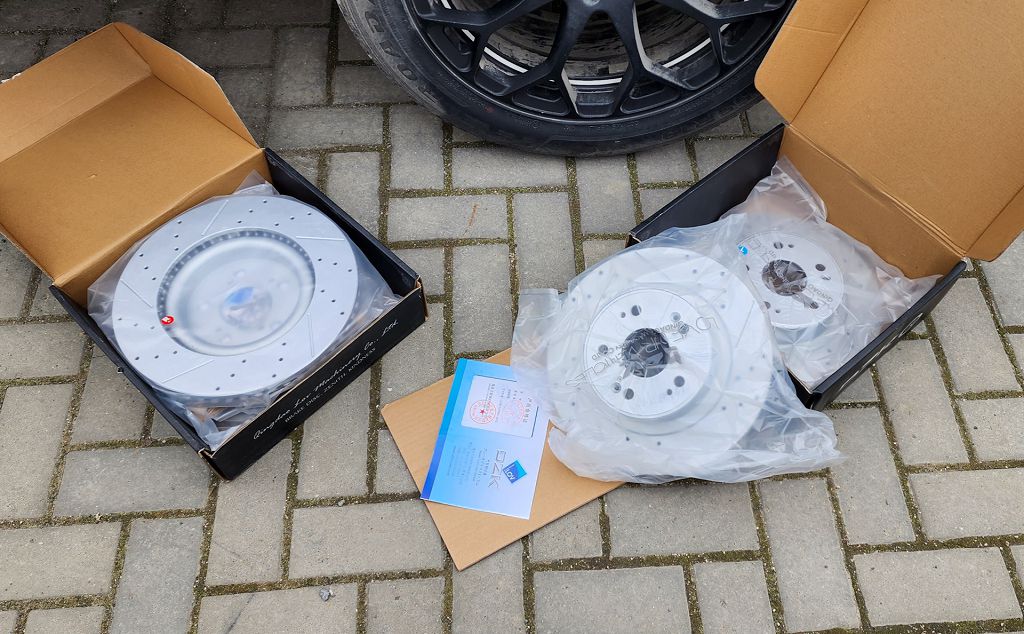
Now, let’s shift our focus to the analog options available for your Haval F7 and F7x brake discs. There are many aftermarket manufacturers producing brake discs designed to fit these vehicles. The price point is usually significantly lower than the OEM parts, making them an attractive option for those on a budget. However, it’s crucial to do your research and choose reputable brands with a proven track record of quality. Don’t just go for the cheapest option; you’re compromising your safety if you choose a low-quality part. Look for brands that specify the materials used, the manufacturing process, and any relevant certifications. Some analogs might use slightly different materials or manufacturing techniques, which could affect the lifespan or performance of the discs. It’s important to weigh the cost savings against the potential risks. We’ll be showcasing some popular analog options in this video, highlighting their features and comparing them to the original Haval parts. Remember, always prioritize safety when choosing replacement brake components.
So, let’s dive straight into the world of Haval F7 and F7X brake discs. We’re going to be looking at both the original equipment manufacturer (OEM) parts and some of the reputable analogue options available. Understanding your choices is key to keeping your braking system performing at its best.
First up, let’s talk about analogue front brake discs. Now, when you’re looking for replacements for your Haval F7 or F7X, you’ll find a whole range of options beyond the official Haval parts. Some of these analogues are manufactured to incredibly high standards, often using similar materials and manufacturing processes to the OEM discs. This means you can often get excellent performance at a more affordable price. However, it’s crucial to do your research. Look for brands with a good reputation and positive customer reviews. Pay close attention to specifications – things like disc thickness, diameter, and the overall quality of the materials used. Don’t just go for the cheapest option; a poorly made analogue disc can compromise your braking performance and even be a safety hazard. We’ll be showing you some examples of good quality analogues later in the video, highlighting the key features to look for when making your choice. Remember to always check the compatibility with your specific Haval F7 or F7X model year, as specifications can vary slightly. We’ll also be showing you how to visually inspect the discs for wear and tear, so you can make an informed decision about when it’s time for a replacement.
Now, let’s move on to the rear brake discs. Similar to the front discs, you’ll find a variety of analogue options available for the rear brakes of your Haval F7 or F7X. Again, the key is to find a reputable brand that meets or exceeds the quality standards of the OEM parts. While the rear brakes don’t experience the same level of stress as the front brakes, they’re still a vital part of your braking system. Neglecting their maintenance can lead to uneven braking and reduced stopping power. When choosing analogue rear brake discs, pay attention to the same specifications as with the front discs: thickness, diameter, and material quality. We’ll be showing you some close-up comparisons of OEM and high-quality analogue rear discs, highlighting the subtle but important differences. We’ll also discuss the importance of proper installation and the potential consequences of using incorrectly fitted or low-quality parts. Remember, a properly functioning braking system is paramount for your safety and the safety of others on the road. Choosing the right brake discs is a crucial part of maintaining that system.

- Читайте также: