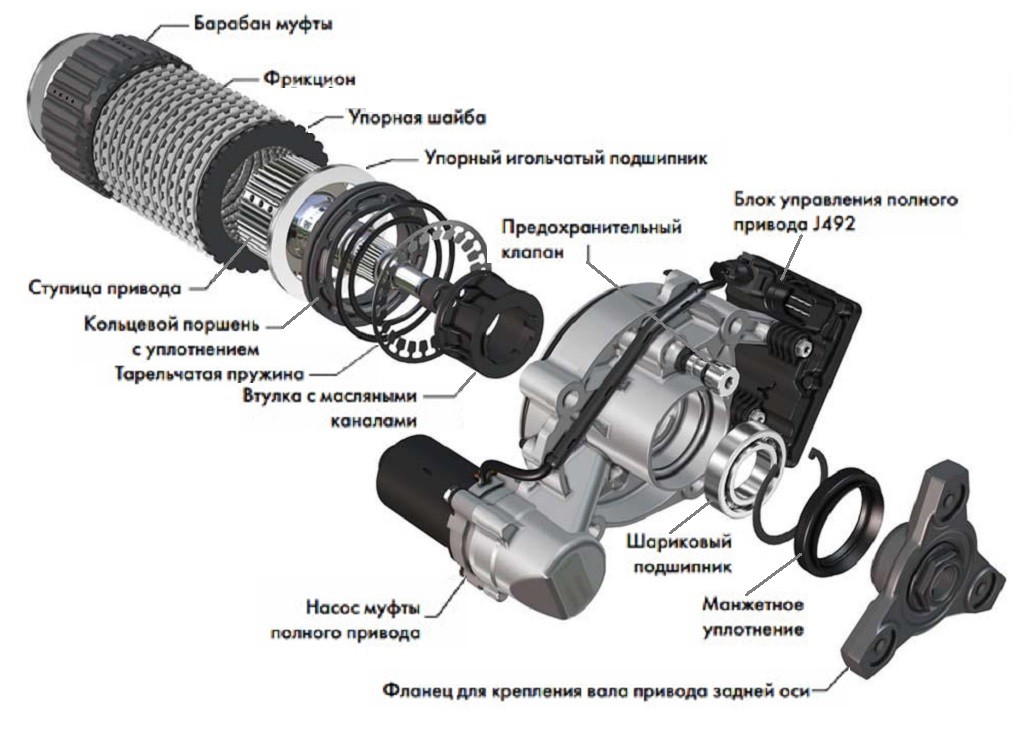
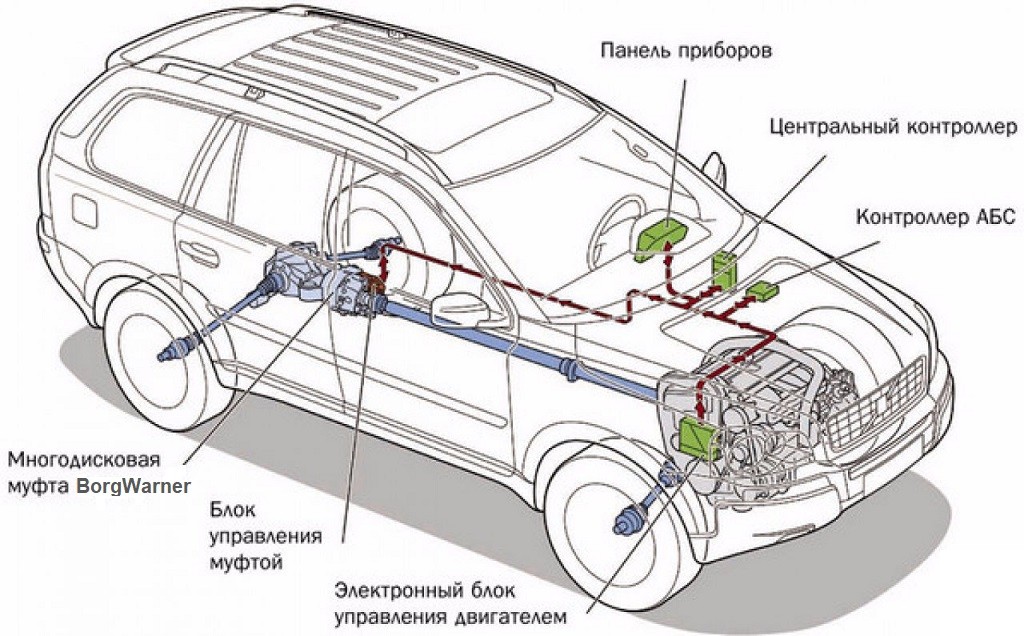
So, let’s dive into the all-wheel-drive system of the Haval F7 and F7X. A common question I get is about the clutch. People hear «clutch» and immediately think of a manual transmission, but that’s not the case here. We’re talking about a different kind of clutch entirely, a crucial component in this sophisticated all-wheel-drive system. Think of it more as a sophisticated coupling mechanism than the clutch you’d find in a stick-shift car. This clutch is responsible for intelligently distributing power between the front and rear axles, depending on the driving conditions. It’s not something you manually control; it’s all automated, working seamlessly in the background to optimize traction and handling. The design itself is quite clever, using a multi-plate system to engage and disengage the rear axle as needed. This allows for a smooth transition between front-wheel drive and all-wheel drive, ensuring a seamless driving experience. You won’t feel any jarring shifts or sudden changes in power delivery. It’s all very smooth and refined.
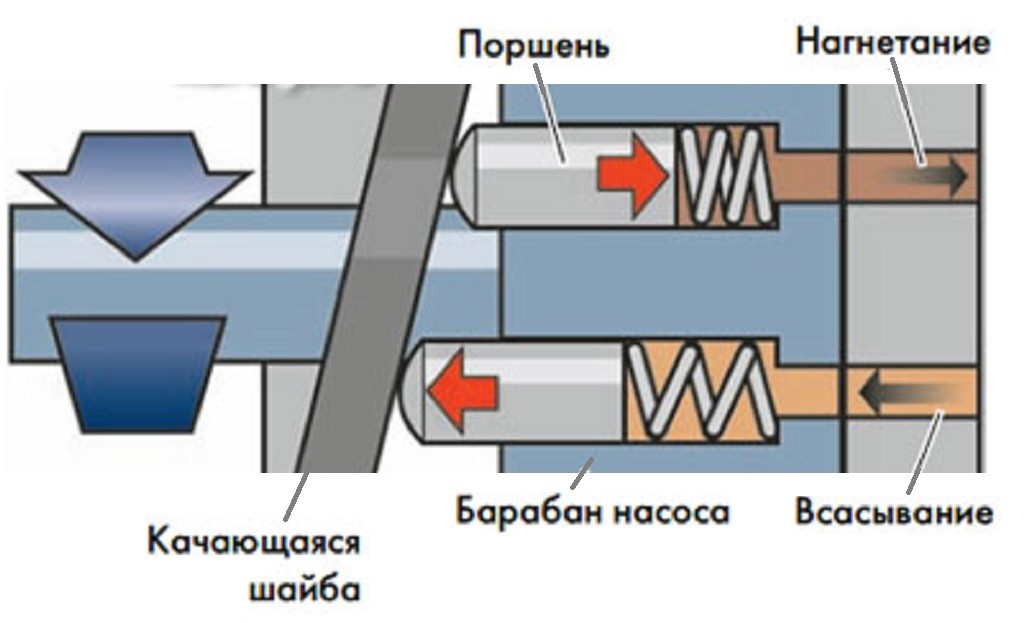
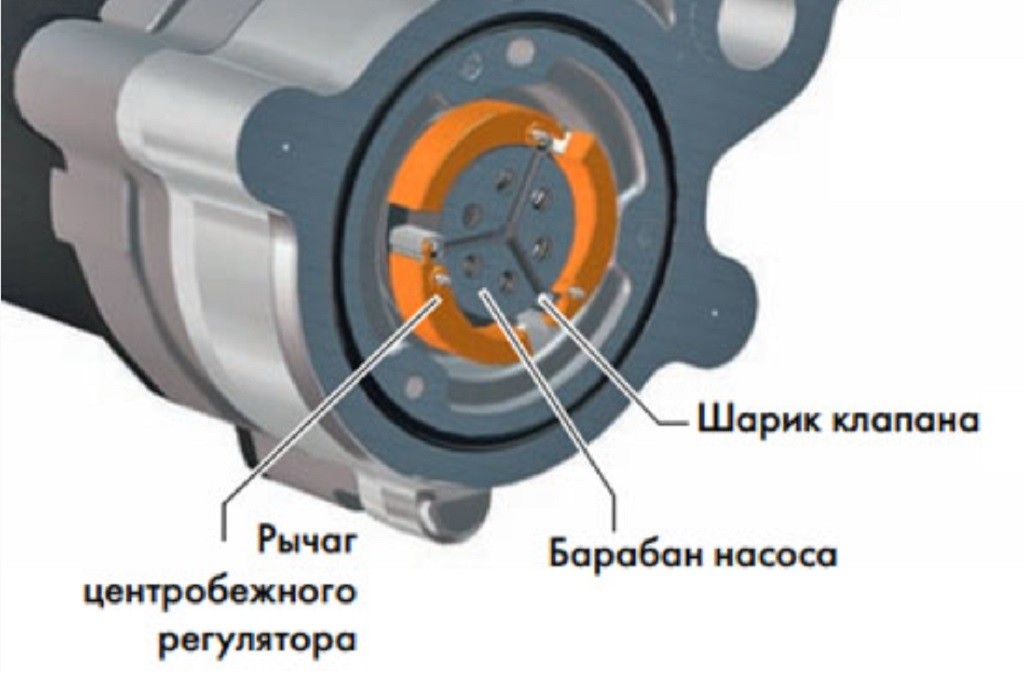
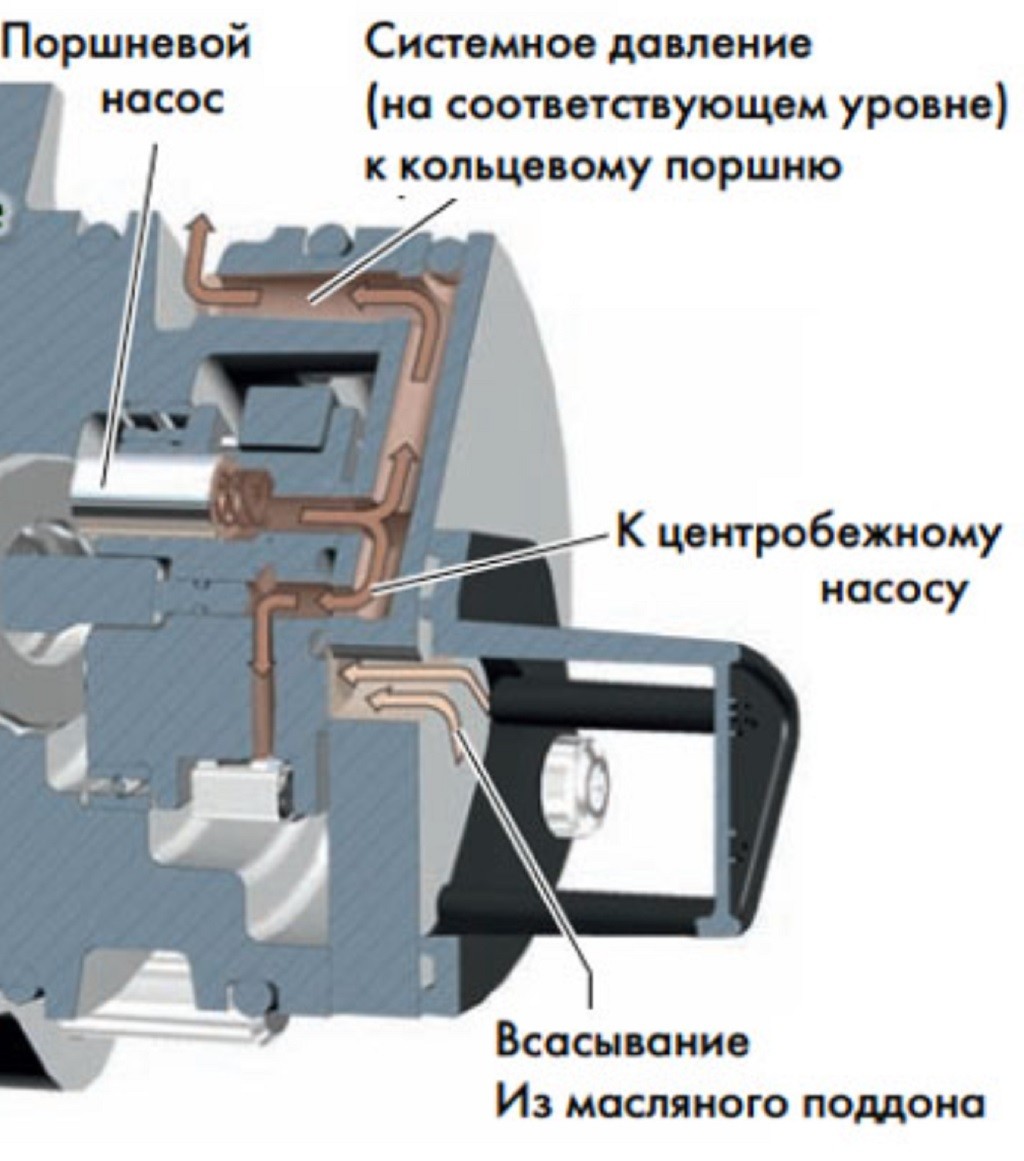
Now, let’s talk about the heart of this all-wheel-drive system: the clutch pump. This isn’t just any pump; it’s a BorgWarner unit, a name synonymous with high-quality automotive components. BorgWarner is a major player in the automotive industry, and their involvement here speaks volumes about the quality and reliability of the Haval F7 and F7X’s all-wheel-drive system. This pump is responsible for the hydraulic pressure that actuates the multi-plate clutch. It’s a precision-engineered piece of equipment, designed to withstand the demands of various driving conditions, from smooth highways to challenging off-road terrains. The pump’s performance is critical to the system’s overall efficiency and responsiveness. Think of it as the brain of the operation, constantly monitoring conditions and adjusting the clutch engagement accordingly. It’s constantly working to ensure optimal power distribution, maximizing traction and minimizing wheel slip. The responsiveness of this pump is a key factor in the overall driving experience, contributing to the vehicle’s agility and stability. It’s a testament to Haval’s commitment to using high-quality components in their vehicles. The BorgWarner pump is a key element in ensuring the reliability and performance of the all-wheel-drive system. It’s not just about the name; it’s about the proven technology and engineering excellence behind it. This isn’t just some generic pump; it’s a precision-engineered component designed to meet the demands of a sophisticated all-wheel-drive system. The quality of this pump directly impacts the performance and reliability of the entire system. So, while the name might be familiar to those in the know, the real story lies in the pump’s functionality and its contribution to the overall driving experience. It’s a critical component that ensures the system operates smoothly and efficiently under various conditions. And that’s what truly matters. The name is just a label; the performance is what counts.
So, let’s dive straight into the driving modes available on your Haval F7. You’ve got a few options here, and understanding them is key to getting the most out of your all-wheel-drive system. First, there’s usually a standard «Auto» mode. This is your everyday setting, and the system will automatically adjust the power distribution between the front and rear axles based on the conditions it detects. Think of it as the smart, adaptable option for most situations. Then you’ll likely find a «Sport» mode. This mode prioritizes rear-wheel drive, giving you a more dynamic and responsive feel, especially when cornering. It’s perfect for those spirited drives on winding roads where you want a bit more agility. Next up, you’ll probably have a «Snow» or «Mud/Sand» mode. These modes adjust the power distribution to maximize traction on slippery surfaces. They’ll send more power to the wheels with the most grip, helping you maintain control in challenging conditions. Finally, some models might include an «Eco» mode. This mode prioritizes fuel efficiency by optimizing power delivery and limiting the use of the all-wheel-drive system unless absolutely necessary. It’s a great choice for maximizing your fuel economy on long journeys. Remember to experiment with these modes to see how they affect your driving experience and find the best setting for different road conditions.
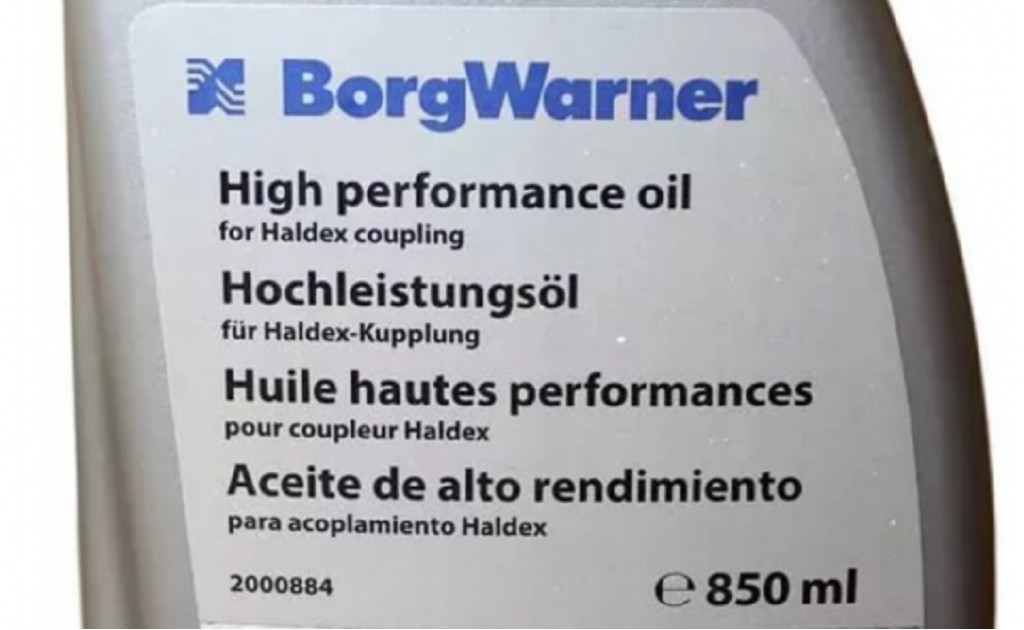
Now, let’s talk about the BorgWarner clutch, the heart of your Haval F7/F7X’s all-wheel-drive system. This is a crucial component, and choosing the right oil for it is essential for its longevity and performance. The manufacturer’s specifications are always the best guide, so consult your owner’s manual for the exact recommended oil type and viscosity. However, generally speaking, you’ll be looking for a high-quality synthetic oil designed for all-wheel-drive systems and specifically compatible with BorgWarner clutches. Don’t just grab any old oil from the shelf; using the wrong type can damage the clutch and lead to expensive repairs. The viscosity grade will be crucial, so make sure you get the correct one specified in your manual. This is usually something like FIVE-W-THIRTY or TEN-W-FORTY, but again, check your manual. Using the wrong viscosity can affect the clutch’s performance and its ability to engage and disengage smoothly. When replacing the oil, follow the instructions in your owner’s manual carefully. This often involves draining the old oil, refilling with the correct amount of new oil, and then checking the oil level. Remember, proper maintenance is key to keeping your all-wheel-drive system running smoothly and reliably for years to come. Neglecting this can lead to premature wear and tear, and ultimately, costly repairs. So, always prioritize using the correct oil and following the manufacturer’s recommendations.