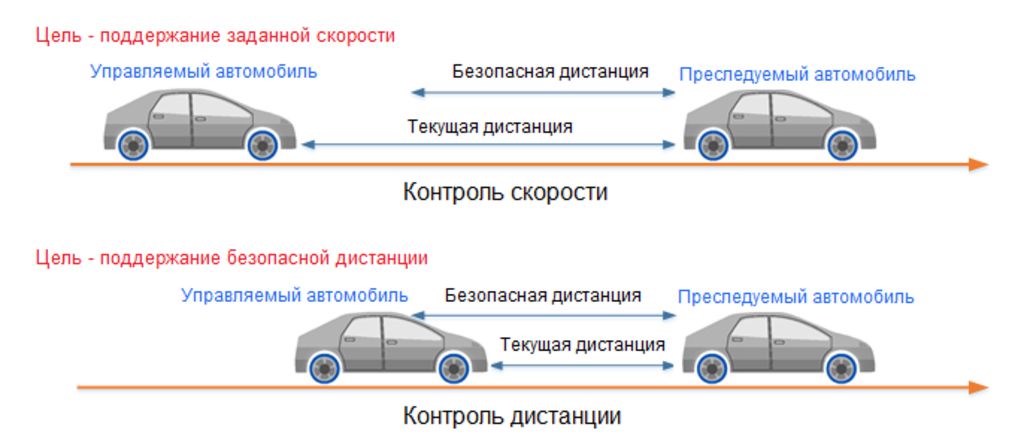
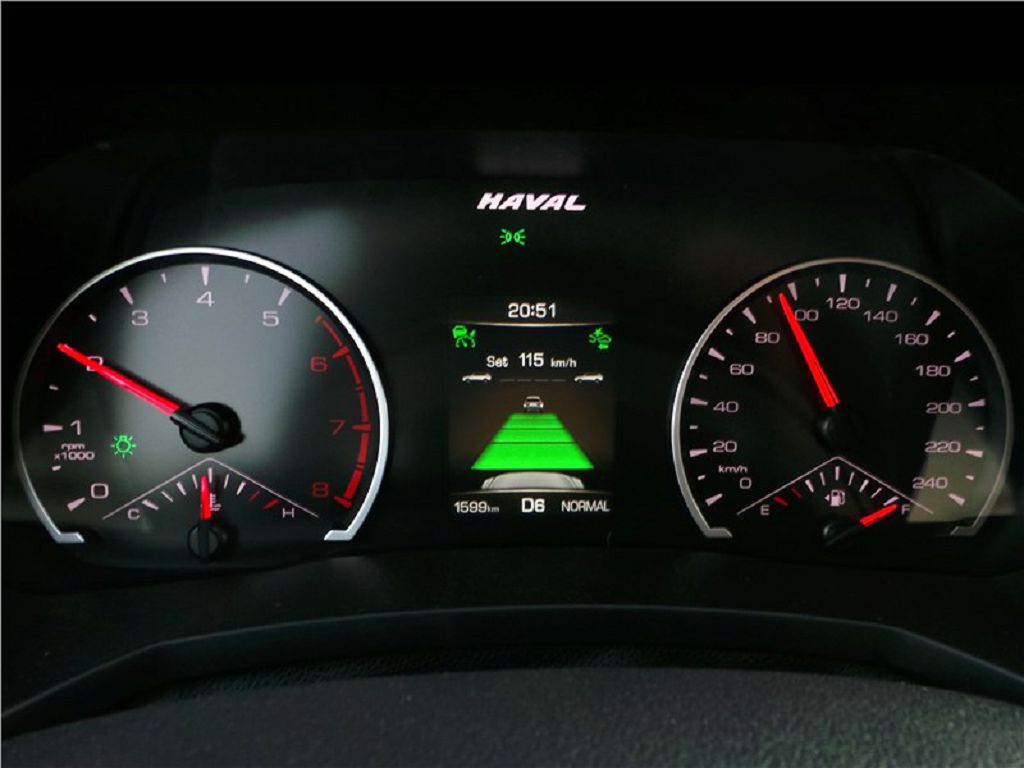
So, let’s dive into the Haval F7 and F7X’s Adaptive Cruise Control, or ACC as it’s often called. What exactly is this clever system? Well, imagine this: you’re cruising down the highway, and you set your desired speed. Traditional cruise control would just maintain that speed, right? But ACC is different. It’s like having a co-pilot that constantly monitors the traffic ahead. Using radar sensors, usually located behind the front grille, it detects the distance and speed of the vehicle in front of you. If that car slows down, your Haval will automatically slow down too, maintaining a safe following distance you’ve pre-selected. And when the road ahead clears, it smoothly accelerates back to your set speed. It’s all about maintaining a comfortable and safe following distance, automatically adjusting your speed to match the flow of traffic. It’s a huge help in reducing driver fatigue, especially on long journeys.
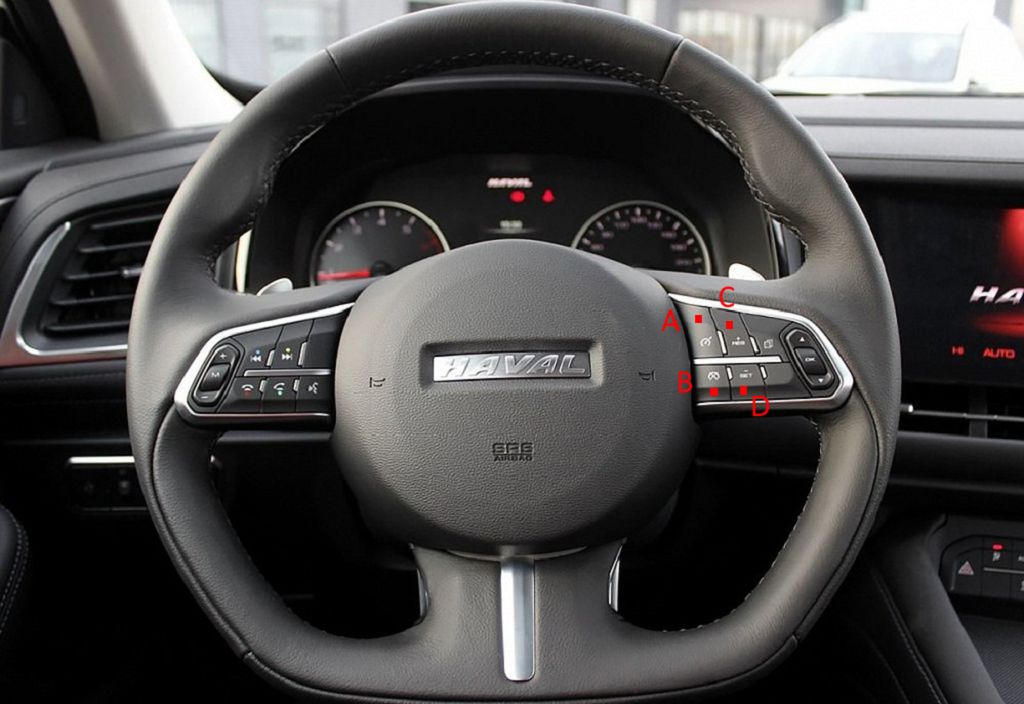
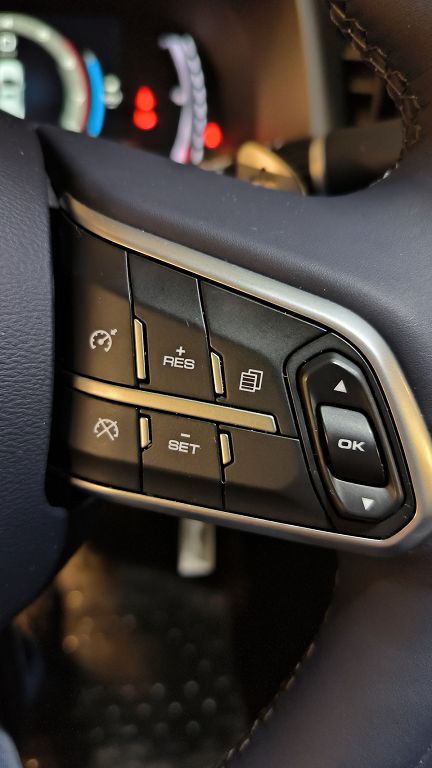
Now, let’s talk about controlling this system. Finding the controls might vary slightly depending on the year and trim level of your Haval F7 or F7X, but generally, you’ll find them on the steering wheel. There’s usually a dedicated button or set of buttons to activate and deactivate the ACC. You’ll also find controls to adjust your desired speed, and crucially, the distance you want to maintain from the car in front. This distance is usually displayed on the instrument cluster, often represented by a series of bars or icons. Experiment with the different settings to find what feels most comfortable for you. Remember, safety is paramount, so don’t rely solely on the ACC; always remain vigilant and ready to take control if needed.
Increasing and decreasing your speed with ACC is intuitive. Once the system is engaged, you can use the +/- buttons on the steering wheel to increase or decrease your set speed. The vehicle will then smoothly accelerate or decelerate to match your new desired speed. It’s important to note that the ACC system has limitations. It might disengage in heavy traffic, poor weather conditions like heavy rain or snow, or if the system detects it can’t reliably track the vehicle ahead. You’ll feel a gentle braking or acceleration as the system adjusts to maintain the set distance and speed. It’s a seamless process, designed to feel natural and unobtrusive. But remember, it’s a driver-assistance system, not a self-driving system. You’re always in control, and you should always be prepared to intervene if necessary. Pay close attention to your surroundings and be ready to take over manual control at any time.
So, let’s dive into the Haval F7 and F7X’s adaptive cruise control, or ACC as it’s often called. This isn’t your grandpa’s cruise control; this is a system that actively adjusts your speed to maintain a safe following distance from the vehicle in front. It’s a game-changer for long drives, making them significantly less stressful.
Now, let’s talk about temporarily accelerating and canceling the set speed. Imagine you’re cruising along at SEVENTY kilometers per hour, and you need to overtake. Simply press the accelerator pedal – the ACC will temporarily disengage, allowing you to accelerate. Once you’ve completed your maneuver, gently ease off the accelerator, and the ACC will automatically resume your previously set speed and distance. To completely cancel the cruise control, you can either press the brake pedal, or there’s usually a dedicated button on the steering wheel to do so. It’s really intuitive once you get the hang of it.
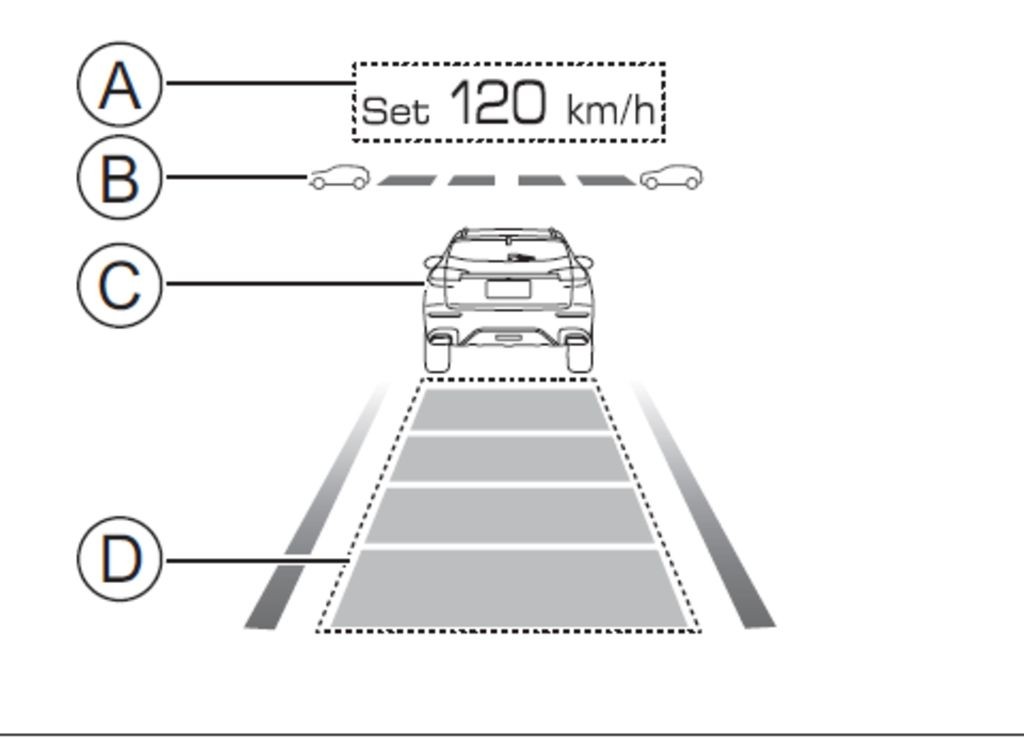
Let’s shift our focus to the instrument panel display. When the ACC is active, you’ll see a clear indication on your dashboard. This usually involves a symbol depicting a car with a distance indicator showing the gap you’ve set between your vehicle and the car ahead. Pay close attention to this display; it’s your visual cue to the system’s status and the distance it’s maintaining. Different colors might indicate different levels of proximity, so familiarize yourself with what each color means in your Haval’s specific model. Understanding this display is key to using the ACC safely and effectively.
Now, there are certain situations where using cruise control, especially adaptive cruise control, isn’t recommended. Think about heavy traffic, for example. In stop-and-go situations, ACC might not be able to react quickly enough to sudden braking, so it’s best to disengage it and drive manually. Similarly, avoid using ACC in poor weather conditions like heavy rain, snow, or fog. Reduced visibility significantly impacts the system’s ability to accurately detect vehicles ahead. Also, curvy roads and areas with limited visibility require your full attention, so manual control is safer. Essentially, use your best judgment – if you feel uncomfortable, or the conditions aren’t ideal, it’s always better to disengage the ACC and take control yourself. Safety should always be your top priority. Remember, ACC is a driver-assistance feature, not a replacement for attentive driving.