So, let’s dive straight into the heart of the matter: what kind of gearboxes does the Haval Dargo actually use? This is a crucial question, especially when we’re talking about long-term ownership and reliability. You want a vehicle that’s going to last, and a big part of that is the transmission.
The Haval Dargo, depending on the trim level and the market it’s sold in, offers a couple of different transmission options. Understanding these differences is key to understanding potential reliability issues. Some markets might see different options than others, so it’s always best to check the specifics for your region.
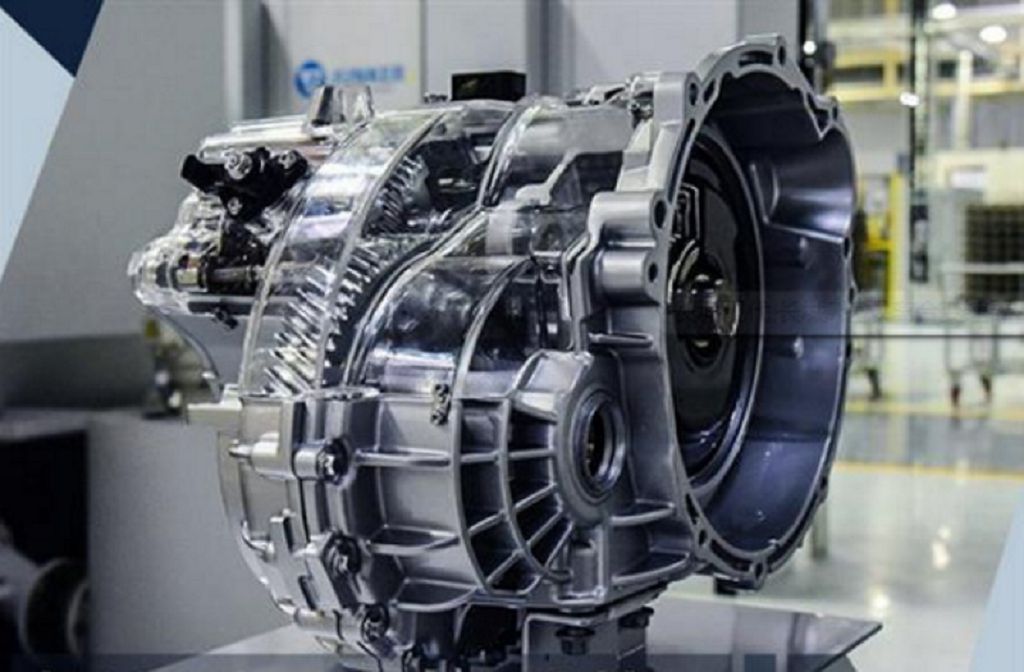
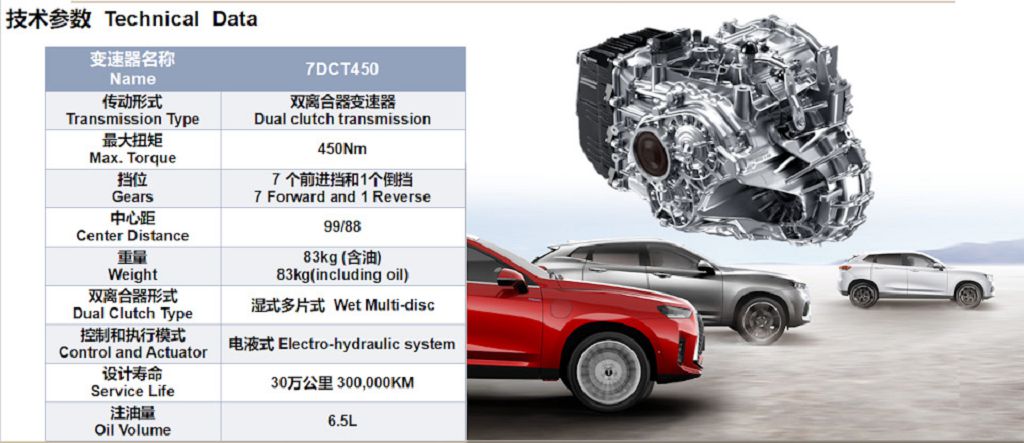
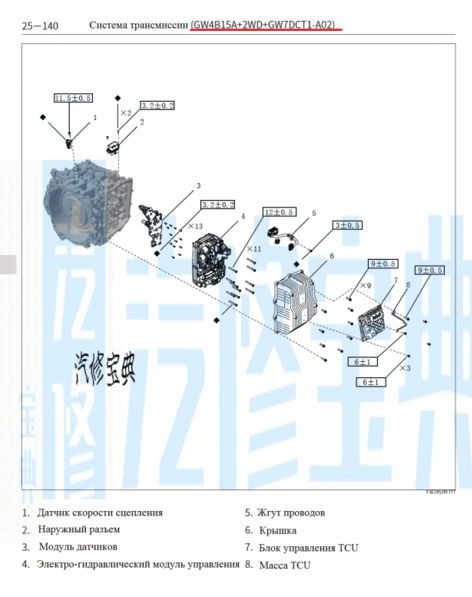
Now, one of the most commonly discussed transmissions in the Haval Dargo is the robotized gearbox, often referred to as the GWM 7DCT450. This is a SEVEN-speed dual-clutch transmission, and it’s a pretty common setup in many vehicles these days. Dual-clutch transmissions are known for their quick shifts, offering a sporty driving experience. However, they also have a reputation for being a bit more finicky than traditional automatic transmissions.
Let’s talk about the potential reliability concerns surrounding the 7DCT450. One common issue reported by some owners is jerky shifting, particularly at lower speeds or during stop-and-go traffic. This can be quite annoying and, in some cases, even lead to more significant problems down the line. Another potential issue is the longevity of the clutch itself. Dual-clutch transmissions have TWO clutches, and these components are subject to wear and tear. Depending on driving style and conditions, these clutches might need replacing earlier than you’d expect in a traditional automatic. Some owners have reported needing repairs or replacements earlier than the ONE HUNDRED THOUSAND or TWO HUNDRED THOUSAND kilometer mark, which is a significant concern.
It’s important to note that not all owners experience these problems. Many report perfectly smooth and reliable operation from their 7DCT450 gearboxes. However, the potential for issues is something to be aware of before purchasing a Haval Dargo equipped with this transmission. Regular maintenance, including timely fluid changes, is absolutely crucial for maximizing the lifespan of this gearbox. Neglecting maintenance can significantly increase the risk of premature failure. Driving style also plays a role; aggressive driving can put extra stress on the transmission components, leading to faster wear and tear.
So, what’s the bottom line? The 7DCT450 gearbox in the Haval Dargo offers a potentially sporty driving experience, but it does come with some potential reliability concerns. Thorough research, understanding your driving habits, and a commitment to regular maintenance are all key factors in mitigating these risks. Remember to always consult your owner’s manual for specific maintenance recommendations and to address any issues promptly. Understanding the potential pitfalls and taking proactive steps can help ensure a longer and more trouble-free experience with your Haval Dargo.
So, let’s dive straight into the heart of the matter: the transmission in the Haval Dargo X. This is a crucial component, folks, and its reliability directly impacts your overall driving experience and the longevity of your vehicle. We’re talking about the system that takes the power from the engine and translates it into motion, allowing you to go from point A to point B. The Dargo X, depending on the trim level and region, utilizes a few different transmission options, but the most common one we’ll be focusing on today is the automatic transmission. Now, this isn’t just any automatic; it’s a sophisticated system with a lot of moving parts, and understanding how it works is key to understanding its potential weaknesses and strengths. We’ll be exploring the specifics of its design and construction, looking at things like gear ratios, torque capacity, and the overall engineering behind it. We’ll also be discussing common issues reported by owners, and what you can do to mitigate those risks. Remember, preventative maintenance is your best friend when it comes to extending the life of any vehicle component, and the transmission is no exception.
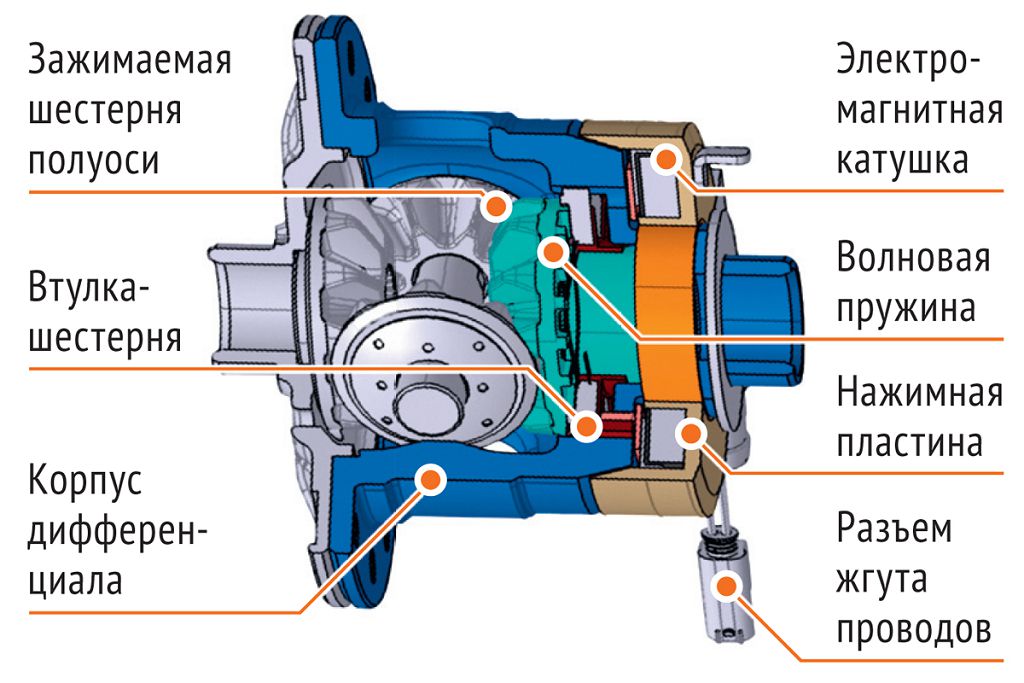
Now, let’s talk about the electromechanical lockup. This is a critical feature within the automatic transmission of the Haval Dargo X. Essentially, it’s a system that allows for a more direct connection between the engine and the wheels, improving fuel efficiency and responsiveness. Think of it as a clutch, but instead of a purely mechanical system, it uses electricity to control the engagement and disengagement. This offers several advantages, including smoother shifts and potentially better fuel economy. However, like any complex system, it also has the potential for failure. We’ll be examining the common points of failure within the electromechanical lockup system, discussing the symptoms you might experience if something goes wrong, and what kind of repairs or replacements might be necessary. We’ll also look at the cost implications, because let’s be honest, transmission repairs can be expensive. Understanding the potential costs upfront can help you budget and plan accordingly.
Finally, let’s bring it all together. We’ve discussed the transmission itself, its design, and its potential issues. We’ve also delved into the intricacies of the electromechanical lockup system. Now, it’s time to weigh the pros and cons. Based on the available data, owner reports, and expert analysis, we’ll give you our overall assessment of the reliability of the Haval Dargo X’s transmission. We’ll be transparent about the potential problems, but also highlight the positive aspects. Remember, reliability is a complex issue, and it’s not just about the transmission itself. Driving habits, maintenance schedules, and even the conditions you drive in all play a role. We’ll offer practical advice on how to maximize the lifespan of your Dargo X’s transmission and keep it running smoothly for years to come. We’ll also discuss the importance of regular servicing and the potential long-term costs associated with ownership. This isn’t just about the initial purchase price; it’s about the total cost of ownership over the life of the vehicle.
- Читайте также: