Hey everyone, let’s dive deep into the all-wheel-drive system of the Geely Tugella. It’s a pretty sophisticated setup, and understanding how it works can really enhance your driving experience and help you maintain your vehicle properly.
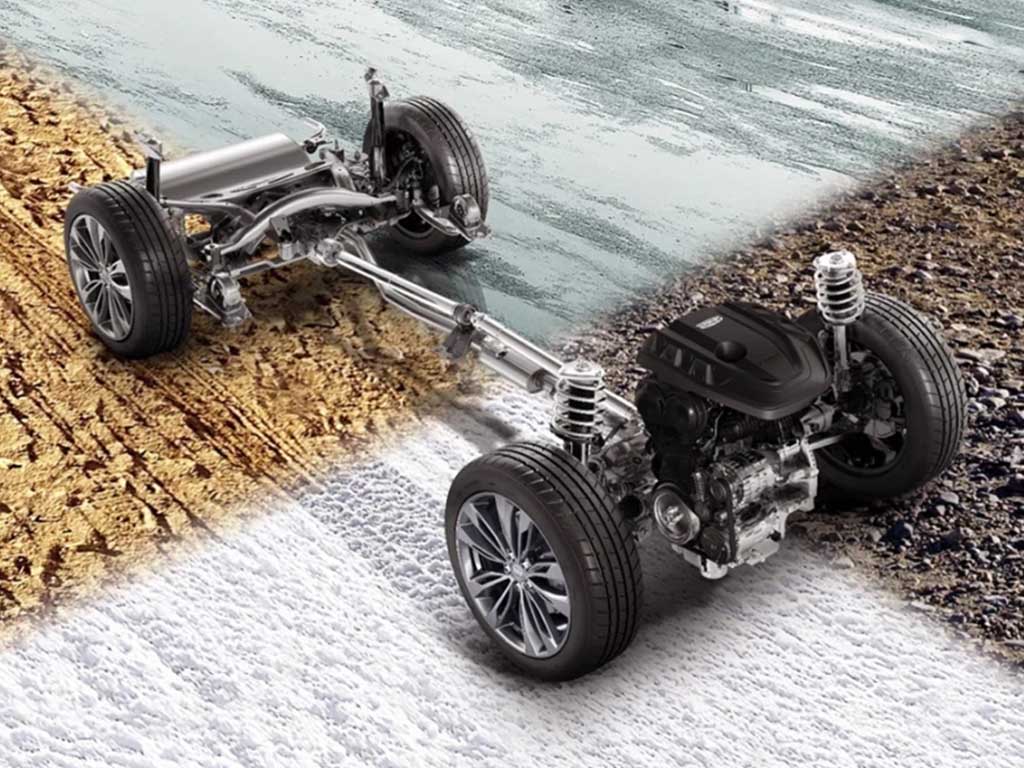
First off, let’s talk about the features of the Geely Tugella’s all-wheel-drive system. This isn’t your grandpappy’s part-time four-wheel drive. This is a fully intelligent system that constantly monitors driving conditions – things like wheel speed, throttle position, steering angle, even the outside temperature – to dynamically distribute power between the front and rear axles. This means you get optimal traction in almost any situation, from slick city streets to challenging off-road terrain. The system isn’t just about power; it’s about control and safety. It anticipates wheel slip and proactively adjusts power distribution to prevent loss of traction. This results in a more confident and secure driving experience, especially in adverse weather conditions. Think about driving through snow or on a wet, winding road – the Tugella’s all-wheel drive system will help you maintain control and navigate these situations with greater ease and safety. It’s a significant upgrade over traditional front-wheel drive systems, offering a noticeable improvement in handling and stability.
Now, let’s move on to how you control the all-wheel-drive system. Unlike some systems that offer multiple selectable modes, the Geely Tugella’s system is largely automatic. You don’t need to fiddle with buttons or dials to switch between different drive modes. The system does all the work behind the scenes, seamlessly adjusting power distribution as needed. However, that doesn’t mean you’re completely hands-off. Your driving style still plays a crucial role. Aggressive acceleration or hard braking will naturally impact how the system distributes power. Understanding this interaction allows you to drive more predictably and safely, maximizing the benefits of the all-wheel-drive system. Remember, even the most advanced system can’t compensate for reckless driving.
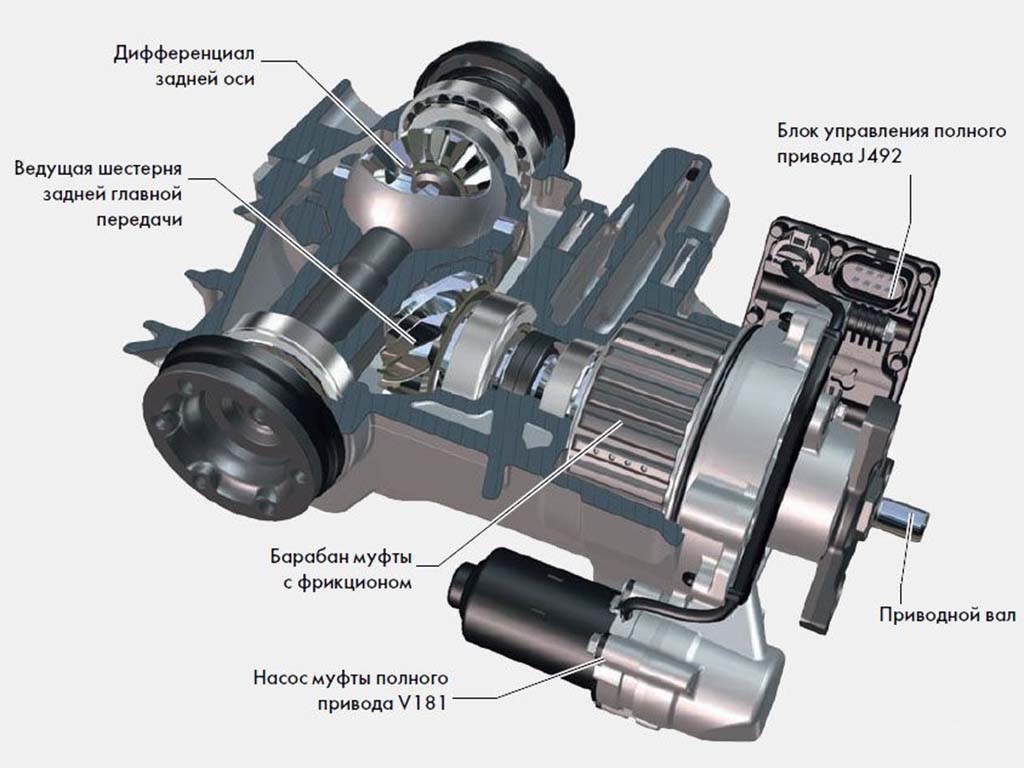
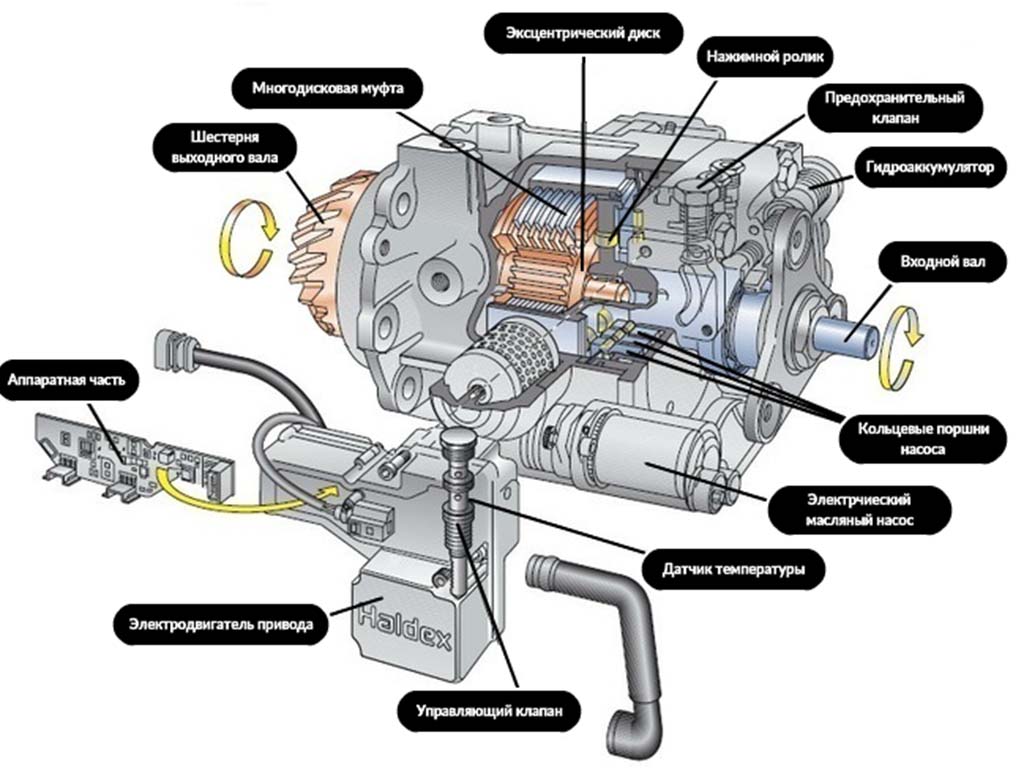
Next, let’s get into the nitty-gritty of the clutch design. The Geely Tugella utilizes a sophisticated multi-plate clutch in its all-wheel-drive system. This clutch is responsible for transferring power from the front to the rear axle. It’s not a simple on/off switch; it’s a continuously variable system that can smoothly and precisely adjust the amount of power sent to the rear wheels. This allows for seamless transitions between different driving conditions and ensures optimal traction at all times. The multi-plate design allows for rapid engagement and disengagement, providing quick responses to changing road conditions. This is crucial for maintaining stability and control, especially during sudden maneuvers or when encountering unexpected obstacles. The precise control offered by this clutch design is a key element in the overall performance and safety of the Tugella’s all-wheel-drive system. It’s a complex piece of engineering that works tirelessly to keep you safely on the road.
Finally, let’s discuss maintenance. Regular maintenance is crucial for keeping your all-wheel-drive system in top condition. This includes regular checks of the drive shafts, CV joints, and differential fluids. Following the manufacturer’s recommended service intervals is essential. Neglecting maintenance can lead to premature wear and tear, potentially resulting in costly repairs. Remember, the all-wheel-drive system is a complex and sophisticated piece of machinery, and proper care will ensure its longevity and optimal performance. So, don’t skip those scheduled maintenance appointments. It’s an investment in the safety and reliability of your vehicle. And remember, consulting your owner’s manual for specific maintenance recommendations is always the best practice.
So, let’s dive straight into the potential problems you might encounter with your Geely Tugella’s all-wheel-drive system. One common issue is related to the Haldex coupling, the heart of the system. This component manages the power distribution between the front and rear axles. Over time, the Haldex coupling can suffer from wear and tear, leading to reduced efficiency or even complete failure. Symptoms might include a noticeable lack of traction in slippery conditions, unusual noises emanating from the rear axle, or even a warning light illuminating on your dashboard. Regular maintenance, which we’ll discuss in a moment, can significantly mitigate the risk of these problems. Another potential issue lies within the wheel speed sensors. These sensors are crucial for the system’s ability to accurately detect wheel slip and adjust power distribution accordingly. A faulty sensor can lead to erratic behavior, potentially causing the system to react inappropriately or even fail to engage the rear wheels when needed. This can manifest as a loss of traction or a feeling of instability, especially during cornering or acceleration on uneven surfaces. Finally, problems with the electronic control unit (ECU) are also possible. The ECU is the brain of the all-wheel-drive system, controlling all aspects of its operation. A malfunctioning ECU can lead to a wide range of issues, from complete system failure to intermittent problems that are difficult to diagnose. If you suspect an ECU problem, it’s best to seek professional help from a qualified mechanic.
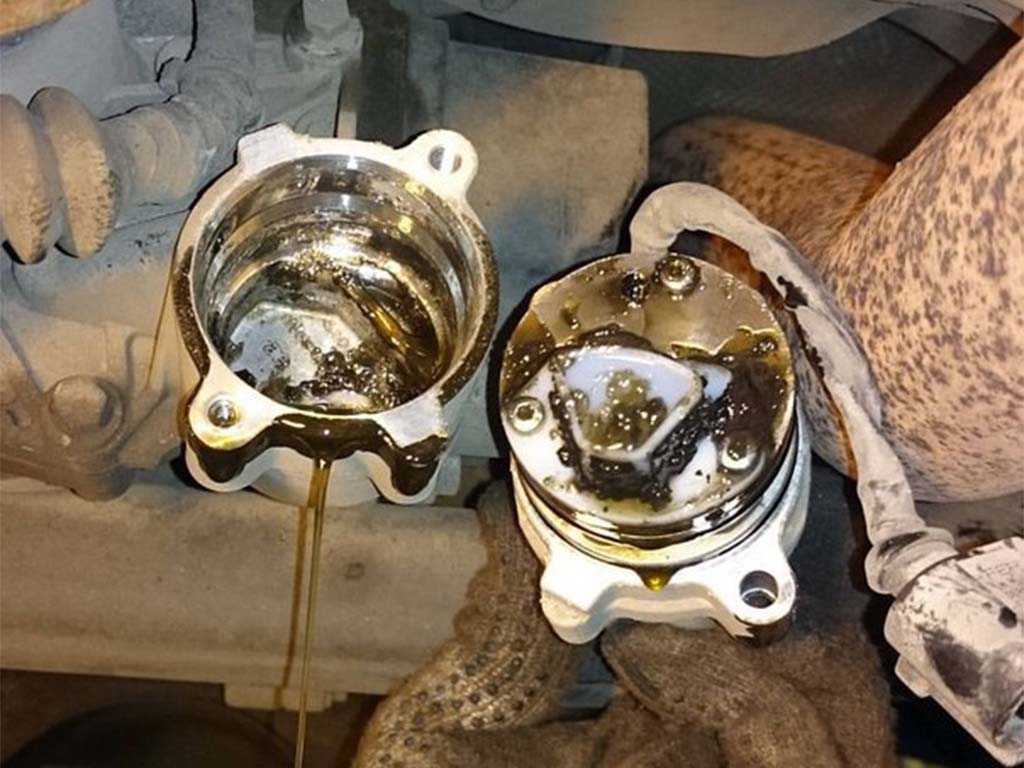
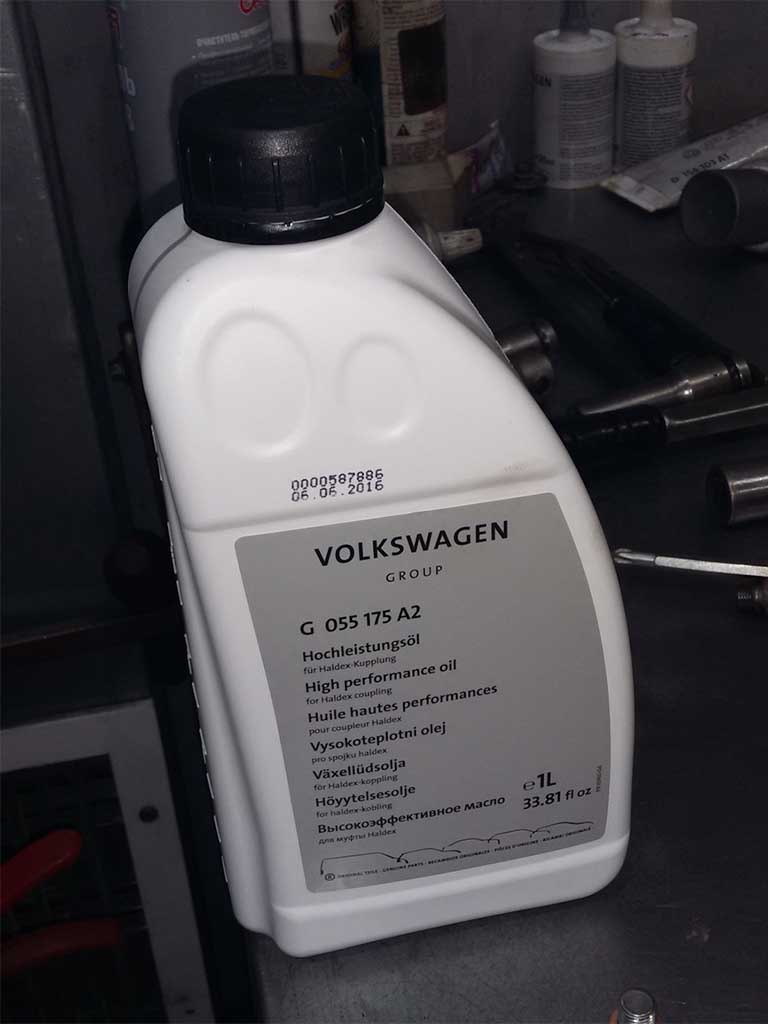
Now, let’s talk about maintaining your Geely Tugella’s all-wheel-drive system. Regular maintenance is key to ensuring its longevity and optimal performance. First and foremost, you need to adhere strictly to the manufacturer’s recommended service schedule. This usually involves fluid changes for the Haldex coupling at specific mileage intervals – often around SIXTY THOUSAND to EIGHTY THOUSAND kilometers, depending on your driving conditions. Using the correct type of fluid is absolutely crucial; using the wrong fluid can severely damage the coupling. Beyond the fluid changes, regular inspections of the drive shafts, axles, and CV joints are essential. Look for any signs of damage, leaks, or unusual wear. These components are under significant stress, especially in challenging driving conditions, so early detection of any problems can prevent more serious and costly repairs down the line. Also, remember to check the wheel speed sensors for any signs of damage or corrosion. These sensors are relatively exposed to the elements, so they can be susceptible to damage from dirt, water, or road debris. Cleaning them regularly can help prevent problems. Finally, don’t underestimate the importance of tire pressure. Maintaining the correct tire pressure is not only crucial for fuel efficiency and handling but also for the optimal performance of your all-wheel-drive system. Uneven tire pressure can affect the system’s ability to distribute power effectively.
And that’s a pretty comprehensive overview of the Geely Tugella’s all-wheel-drive system – its potential pitfalls, and how to keep it running smoothly for years to come. Remember, preventative maintenance is your best friend when it comes to avoiding costly repairs. By staying on top of your service schedule and regularly inspecting key components, you can significantly extend the life of your all-wheel-drive system and enjoy the benefits of confident and reliable traction in any conditions.


- Читайте также: